Manitoba’s Northern Fly-In Access
The vastness and remoteness of Northern Manitoba's hunting grounds are incredibly alluring, offering pristine wilderness experiences and untouched game populations, but the sheer scale and lack of road access can feel overwhelming for anyone dreaming of venturing beyond the road system. The idea of getting deep into truly wild country, far from the crowds and everyday noise, is a powerful draw, but the logistics can seem daunting. This guide will walk you through everything you need to know about accessing these incredible hunting opportunities via fly-in services, ensuring your adventure is as smooth and successful as possible, bringing those remote dreams within reach.
Why Fly-In Hunts in Northern Manitoba?
There's a reason why hunters are drawn to the idea of flying into the northern reaches of Manitoba. It's not just about the adventure; it's about the unique hunting experience that simply can't be replicated closer to civilization. When you push beyond the road system, you're entering a different world entirely, one that rewards preparation and persistence with unparalleled opportunities.
The Lure of Untouched Wilderness
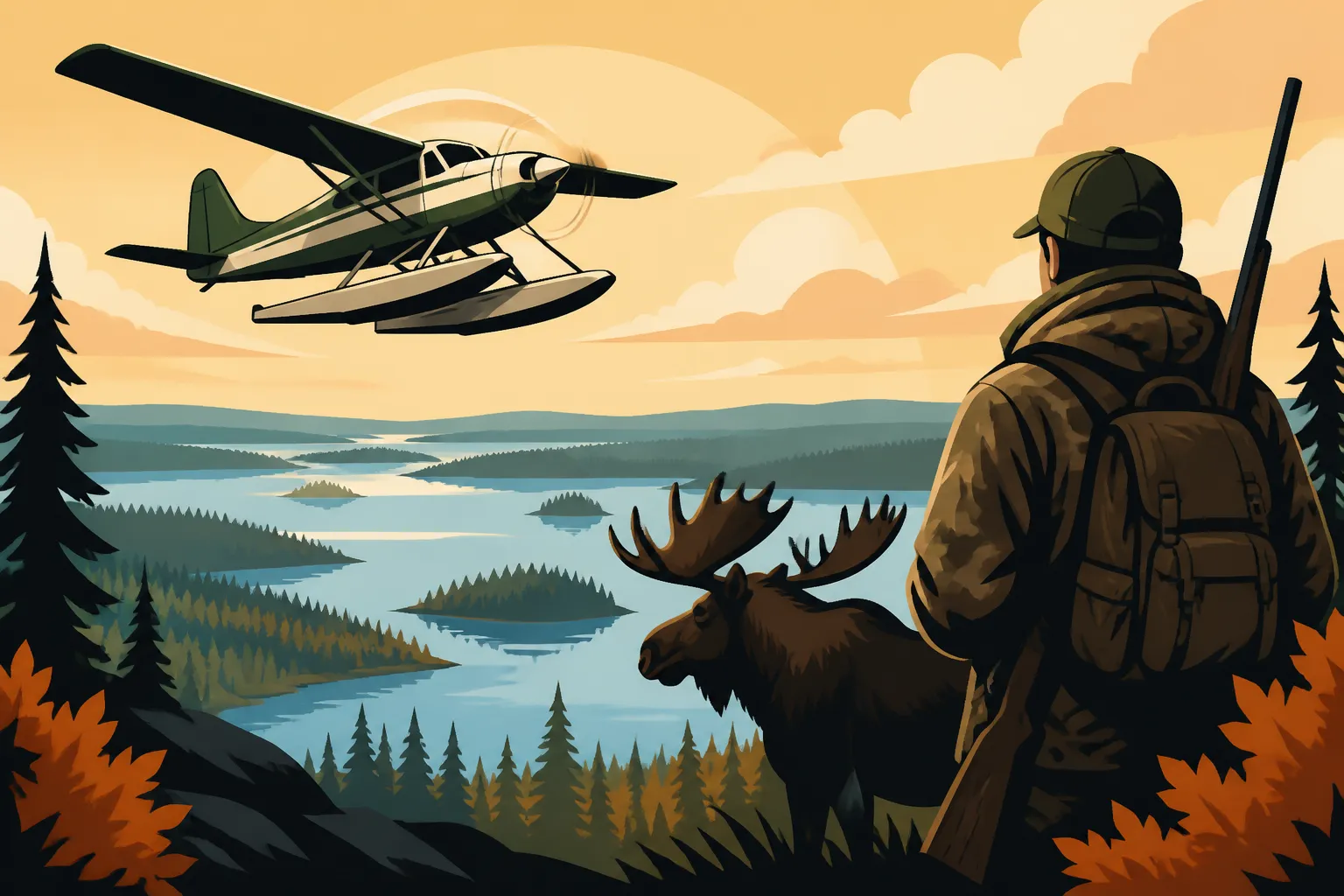
Imagine stepping out of a floatplane or off a remote bush strip, and the only sounds you hear are the wind in the trees, the distant call of a loon, or the crunch of your boots on moss. That's the reality of Northern Manitoba's fly-in country. It’s an environment where the hand of man is barely felt, where the air is crisp, and the landscape stretches out in an unbroken tapestry of boreal forest, vast tundra, and countless lakes and rivers. There's a profound sense of solitude and connection to nature that’s increasingly rare in our busy world. This isn't just a hunt; it's an immersion into an ecosystem that operates on its own ancient rhythms.
Compared to road-accessible areas, the pressure from other hunters is dramatically reduced, often to non-existent levels. You won't be competing for prime spots, hearing ATVs in the distance, or seeing other vehicle lights. This lack of pressure means game animals often behave more naturally, are less wary, and have undisturbed patterns. For many, the peace and quiet alone are worth the extra effort and cost, offering a true escape from everyday life and an experience that goes beyond simply harvesting an animal.
Targeting Remote Game Species and Trophy Potential
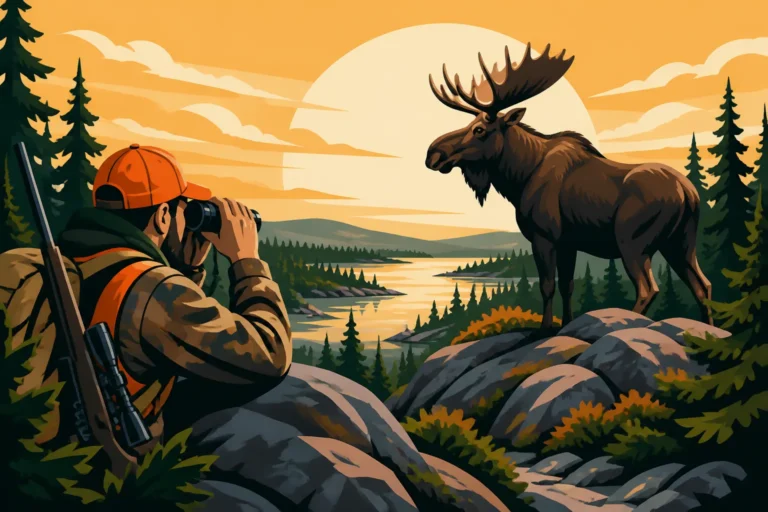
Northern Manitoba is renowned for its specific big game species that thrive in these remote environments. For instance, the chance to hunt Barren-Ground Caribou is almost exclusively a fly-in proposition, taking you to the true edge of the tree line and onto the open tundra. These migrations are an incredible spectacle, and being dropped into their range offers a unique experience. Similarly, the vast Boreal Forest holds incredible populations of Moose Across Manitoba's Boreal Forest, and finding truly mature bulls often means venturing far beyond where a truck can take you.
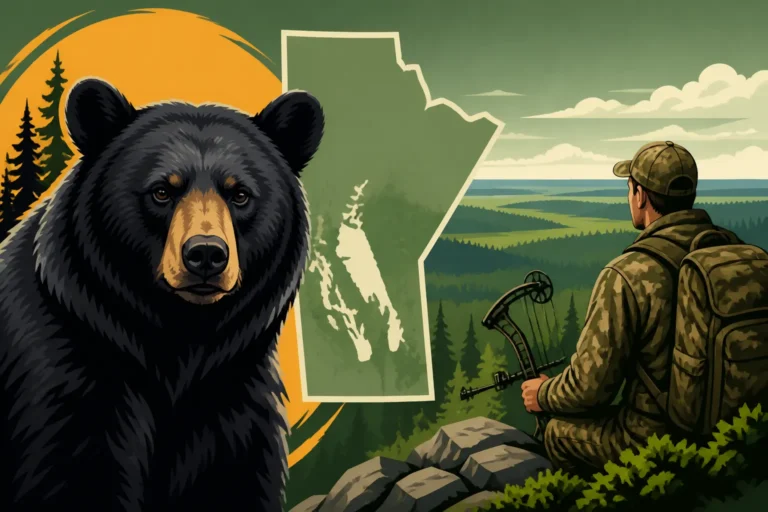
The trophy potential in these remote areas is often significantly higher. With less hunting pressure and expansive, nutrient-rich habitats, animals have the opportunity to mature and grow larger. A remote black bear bait site, for example, might see bears that have never encountered humans, leading to more consistent activity and bigger animals. For hunters seeking a true wilderness trophy, whether it's the impressive antlers of a caribou or moose, or a large black bear, the northern fly-in offers a distinct advantage. It's about pursuing animals in their wildest domain, on their terms, making the eventual harvest even more rewarding.
Understanding Fly-In Logistics and Services
Embarking on a fly-in hunt means embracing a different set of logistics than a typical road-accessible trip. The airplane becomes your lifeline, and understanding how these services operate is key to a smooth and safe adventure. It's not just about buying a ticket; it's about planning a vital part of your expedition.
Types of Fly-In Services: Chartered vs. Outfitter Provided
When you plan a fly-in hunt, you generally have two main approaches to air service: chartering a plane yourself or booking a package through an outfitter where airfare is included. Chartering a plane involves you, or your group, arranging directly with an air service to fly you and your gear to a predetermined drop-off point, often a lake for a floatplane or a remote airstrip. With this option, you are entirely responsible for all other aspects of the hunt: setting up camp, navigating, hunting, and extracting your game. This is often preferred by experienced DIY hunters who have their own gear and a deep understanding of remote survival and hunting. It offers maximum flexibility but demands maximum self-reliance.
Conversely, many hunters opt for a guided or semi-guided fly-in package from a reputable outfitter. In this scenario, the outfitter typically arranges all the air transport as part of your hunting package. They often own or contract specific air services, and your flight to camp is pre-arranged. The outfitter will also provide a camp, food, and often guides, making the experience more turnkey. This option is excellent for those new to fly-in hunts, or those who prefer to focus solely on the hunting without the added stress of detailed logistical planning. It simplifies many aspects, but generally comes at a higher cost, as you're paying for their expertise and infrastructure. For instance, understanding Manitoba Moose Hunt Prices will show you how inclusive packages typically cover these flight costs.
Essential Gear and Weight Restrictions
This is where the rubber meets the runway, quite literally. When flying into a remote camp, every single pound and cubic inch of your gear matters. Small bush planes and floatplanes have strict weight and balance limitations for safety reasons. You absolutely cannot overpack. Prioritize essential survival gear, reliable clothing for varied weather conditions (remembering that northern weather can change on a dime), and your hunting equipment. Think multi-use items and shed anything non-essential. A common frustration is arriving at the air charter base only to be told you're over the weight limit and must leave items behind or pay exorbitant fees for an additional flight, which can throw your budget and plans completely off track.
Imagine planning a ten-day hunt and realizing you have to choose between your extra comfort items and crucial supplies. It's a tough call, but safety and functionality must win out. Your rifle, ammunition, optics, and essential camp items like a tent, sleeping bag, and cook kit are non-negotiable. Beyond that, every item needs to earn its place in your duffel. Soft bags are often preferred over rigid cases as they can be stowed more easily in the plane's limited cargo space. Think strategically about shared items among your group to minimize redundancy.
Planning Your Flight Itinerary and Bush Strips
Planning your flight itinerary involves careful coordination with your chosen air service or outfitter. This isn't like booking a commercial flight. Bush plane schedules are heavily influenced by weather, availability, and the needs of multiple clients. Flexibility is key; delays due to wind, fog, or rain are common and must be anticipated. Your pilot is the ultimate authority on whether it's safe to fly, and their decision is final. Trying to rush them or pressure them is not only futile but dangerous.
When discussing drop-off points, you'll either be landing on a remote gravel or grass bush strip, or a floatplane will be landing on a suitable lake or river. Understanding the specific characteristics of your landing zone is important. Bush strips might be short and only accessible by certain aircraft, while floatplane lakes need to be large enough for safe takeoff and landing, and have a suitable shoreline for unloading gear. Many outfitters or experienced DIY hunters use tools like onX Hunt or GoHunt to analyze satellite imagery of potential landing zones, assessing terrain, water depth, and accessibility before they even leave home. This meticulous planning ensures that when you arrive, you have a solid understanding of your surroundings, and the pilot knows exactly where to put you down safely.
Navigating Permits, Regulations, and Safety
Heading into Northern Manitoba’s wilderness isn't just about packing your gear and jumping on a plane. It requires a deep understanding of specific regulations and an unwavering commitment to safety. The rules are in place for a reason – to protect both the hunter and the unique ecosystems you'll be venturing into.
Specific Licences and Regulations for Northern Hunts
Before you even consider booking a flight, you need to ensure you have the correct licences and tags for the specific species you're pursuing and the Game Hunting Area (GHA) you'll be in. Northern GHAs often have unique regulations, especially concerning species like caribou or specific moose populations where conservation efforts might be in place. Some areas might be draw-only for certain species, or have specific season dates that differ from more accessible zones. It’s absolutely critical to consult the most current Manitoba Hunting Guide or speak directly with Manitoba Conservation before making any plans. Don't assume the rules are the same as they might be closer to home; a simple oversight could lead to a ruined hunt and severe penalties.
For instance, moose hunting in certain northern zones may be closed entirely due to population declines, or specific regulations regarding antlerless tags might apply. Caribou hunts, especially for the barren-ground herds, often have very precise dates and methods of harvest. Always verify the season dates for your target GHA, understand the bag limits, and confirm any specific requirements for validating your tag. Checking details on Manitoba Big Game Season Dates well in advance is non-negotiable for a successful and legal hunt.
Safety Protocols and Emergency Preparedness
Venturing into remote northern areas means you are far from immediate help. Cell phone service will be non-existent, and medical facilities are days away by plane, if not further. Therefore, robust safety protocols and a comprehensive emergency preparedness plan are not optional; they are absolutely mandatory. Every group flying in should carry multiple means of communication and emergency signaling. A satellite phone is highly recommended for routine check-ins with your air charter or family, and for coordinating non-emergency medical advice.
Beyond a satellite phone, personal locator beacons (PLBs) or satellite messengers (like those offered by Garmin inReach or Zoleo, which often integrate with mapping apps like onX Hunt) are crucial. These devices can send an SOS signal directly to search and rescue services, providing your exact location. Ensure everyone in your party knows how to operate these devices. Additionally, having a well-stocked wilderness first-aid kit, knowing basic first aid, and being prepared for bear encounters are essential. This means carrying bear spray, knowing how to store food safely, and understanding bear behaviour. Even something as seemingly simple as having a Winter Truck Kit for a Manitoba Hunt can offer valuable lessons in preparing for remote conditions, even if you're flying in.
Respecting the Land and Local Communities
When you hunt in Northern Manitoba, you're not just a guest in the wilderness; you're often a guest on lands that have been home to Indigenous communities for millennia. Showing respect for these communities and their traditional territories, as well as the land itself, is paramount. Understand that Treaty Hunting Rights and Shared Management are active and important considerations in many northern areas. It's not just about adhering to provincial hunting regulations, but also about being a good ambassador for hunters and respecting the cultural significance of the land.
This also extends to practicing strict "Leave No Trace" principles. Pack out everything you pack in, including all garbage. Minimize your impact on the environment, avoid disturbing sensitive areas, and leave your campsite cleaner than you found it. This ensures that the pristine wilderness you came to enjoy remains that way for future generations of hunters and for the communities who call it home. Your actions reflect on the entire hunting community, and a responsible, respectful approach is always the best way forward.
Setting Up Camp and Hunting Strategies
Once your plane has landed and you've watched it disappear back into the vast northern sky, you're truly on your own. This is where the real adventure begins, requiring not just hunting prowess but also self-sufficiency and an understanding of the unique challenges of the northern landscape.
Remote Camp Setup: What to Expect
A fly-in camp in Northern Manitoba typically ranges from a basic wall tent setup to a rustic cabin provided by an outfitter. Regardless of the accommodation, the fundamental principles of remote camping apply. Your gear must be robust and reliable. Tents need to be four-season quality, capable of withstanding strong winds, rain, or even early snow. Sleeping bags should be rated for temperatures colder than you expect, because northern nights can get surprisingly chilly, even in early fall. When it comes to cooking, a reliable stove, fuel, and basic cooking utensils are crucial.
Food storage is another major consideration, especially in bear country. All food, garbage, and scented items must be stored securely away from your sleeping area, ideally in bear-resistant containers or hung from a bear pole. Water purification is also key; while many northern lakes and rivers appear pristine, it's always safest to filter, boil, or treat all drinking water. Establishing a well-organized camp right from the start makes your entire trip more enjoyable and safer. Don't underestimate the energy required for camp chores after a long day of hunting.
Hunting Tactics Unique to Northern Terrain
Hunting in Northern Manitoba's fly-in zones often demands different tactics than those employed in more familiar farmland or bush country. For caribou, especially the barren-ground herds, it's often a game of glassing vast open tundra. You'll spend hours on high points, using quality optics to scan for migrating herds or individual animals moving across the treeless plains. The key is patience and being able to cover significant ground once a target is spotted. Glassing Tundra for Manitoba Caribou is a skill you'll hone quickly in this environment.
For moose, the boreal forest offers a different challenge. Calling bulls, particularly during the rut, can be incredibly effective around beaver ponds, swamps, and along river systems. You're looking for areas that concentrate feed and water, often where the dense bush gives way to more open, boggy ground. Understanding moose behaviour in specific habitats is crucial. Similarly, black bear hunting in these remote areas might involve spot-and-stalk tactics in burnt-over areas or around berry patches, or baiting in areas where allowed and pre-established by an outfitter. The terrain itself – whether it's vast muskeg, dense spruce, or rocky shield country – dictates your approach and demands adaptability. Hunting Moose Around Manitoba Beaver Ponds can be a prime strategy for success.
Meat Care and Transport Challenges
Harvesting an animal in a remote fly-in setting brings with it the immense responsibility of proper meat care and extraction. Unlike road-accessible hunts where you might drive right up to your downed animal, here you're relying on your own strength and ingenuity. The moment an animal is down, the clock starts ticking. Rapid field dressing and quartering are essential, especially if temperatures are mild. The goal is to get the meat cooled down as quickly as possible to prevent spoilage. This might involve hanging quarters in the shade, or even immersing them in cold water if conditions allow. Meat Care in Manitoba's Cold Snaps is a critical skill, but even in warmer early fall conditions, preventing flies and keeping meat clean is paramount.
Transporting the meat back to your pick-up point, often a lake or bush strip, can be one of the most physically demanding parts of the hunt. This often means multiple trips, packing heavy loads on your back over challenging terrain. You need to communicate clearly with your air service about the volume and weight of meat you expect to extract, as this will influence their plane choice and capacity. Overloading a bush plane is dangerous and illegal. Plan ahead for how you will get your trophy and meat out, and remember that every ounce counts when you're trying to meet strict weight limits for the flight back.
Working with Outfitters and Self-Guided Adventures
The decision between booking with a reputable outfitter or planning a self-guided fly-in adventure is one of the most significant choices you'll make for your Northern Manitoba hunt. Each path offers distinct advantages and challenges, catering to different levels of experience, budget, and desired hunting style.
Choosing a Reputable Northern Outfitter
For many, especially those new to fly-in hunting or unfamiliar with Manitoba's northern terrain, booking with a reputable outfitter is the smartest choice. A good outfitter provides invaluable services, handling many of the logistical headaches that come with remote hunting. They typically arrange your flights, provide a camp (which can range from comfortable cabins to well-equipped tent camps), and often supply guides, food, and even some gear. Their local knowledge of game patterns, preferred habitats, and current regulations is a massive asset. When looking for an outfitter, prioritize experience, a strong safety record, and clear communication.
Don't be afraid to ask for references from previous clients and follow up on them. Inquire about their success rates, but understand that no ethical outfitter can guarantee a kill. Instead, focus on their commitment to a quality experience, ethical hunting practices, and client safety. Questions about their emergency protocols, camp amenities, and what exactly is included in the package are vital. A transparent outfitter will be happy to answer all your questions thoroughly. Knowing Choosing the Right Manitoba Outfitter can be the difference between a trip of a lifetime and a frustrating experience.
Planning a DIY Fly-In: The Ultimate Challenge
For seasoned wilderness adventurers and highly experienced hunters, a self-guided fly-in hunt represents the ultimate challenge and reward. This path requires a significant amount of preparation, self-reliance, and a deep understanding of bush craft, survival, and hunting tactics. You are responsible for absolutely everything: chartering your plane, buying all supplies, setting up and managing your camp, navigating, finding game, and processing and extracting your harvest. It's not for the faint of heart, but the sense of accomplishment from a successful DIY fly-in hunt is unparalleled.
Meticulous planning is the bedrock of a successful DIY fly-in. This includes extensive map study, using digital mapping tools like onX Hunt or GoHunt to analyze terrain, potential landing sites, and game habitat. You'll want to pre-scout with satellite imagery for everything from water sources to timber pockets and open areas. Knowing Scouting With Satellite Imagery in Manitoba is a critical skill. Every piece of gear must be carefully selected, every ration planned, and every potential contingency considered. You need a strong, cohesive group with complementary skills, and everyone must be on the same page regarding expectations, safety, and responsibilities.
Budgeting for the Northern Fly-In Experience
Let's be realistic: fly-in hunts are not inexpensive. The cost is a direct reflection of the specialized services and remote access required. The flight itself often represents a significant portion of the budget, especially if you're chartering a plane for a group. Factors like the type of aircraft, distance to the drop-off point, and whether you're transporting meat on the return trip will influence the price. On top of flight costs, you'll need to account for your hunting licence and tags, which vary by species and residency. For example, understanding Manitoba Caribou Hunt Prices will give you an idea of the total investment for that specific adventure.
Beyond the essentials, factor in the cost of high-quality gear suitable for remote wilderness conditions, food and supplies for the duration of your trip, and any necessary emergency communication devices. If you're going with an outfitter, the package price will consolidate many of these costs but will still be a substantial investment. While the upfront costs might seem high, the value lies in the unique, unpressured hunting experience and the memories of truly wild country. It's often seen as an investment in an unparalleled adventure that few ever get to experience.
| Feature | Guided Fly-In Hunt | DIY Fly-In Hunt |
|---|---|---|
| Logistics | Handled by outfitter (flights, camp, food) | Hunter arranges all (charter, supplies, camp) |
| Cost | Generally higher due to inclusive services | Potentially lower, but high upfront gear investment |
| Experience Level | Great for beginners or those seeking convenience | Requires extensive wilderness and hunting experience |
| Equipment | Some gear provided; personal hunting gear still needed | Hunter responsible for all gear, including camp setup |
| Guidance | Professional guides provide expertise and assistance | Hunter relies on personal skills and group knowledge |
| Flexibility | Less flexible, adhering to outfitter's schedule | Maximum flexibility in planning and execution |
| Safety Net | Outfitter typically has emergency plans and resources | Hunter solely responsible for safety and emergencies |
| Trophy Potential | Often high due to outfitter's knowledge of prime areas | High, if hunter possesses excellent scouting ability |
| Responsibility | Focus mainly on hunting | Responsible for every aspect of the trip |
Disclaimer
This article is for general informational purposes only and does not constitute professional advice. Laws, prices and regulations vary by location and change over time. Consult a qualified professional for guidance on your specific situation.