Manitoba Guided Hunts for Disabled Hunters
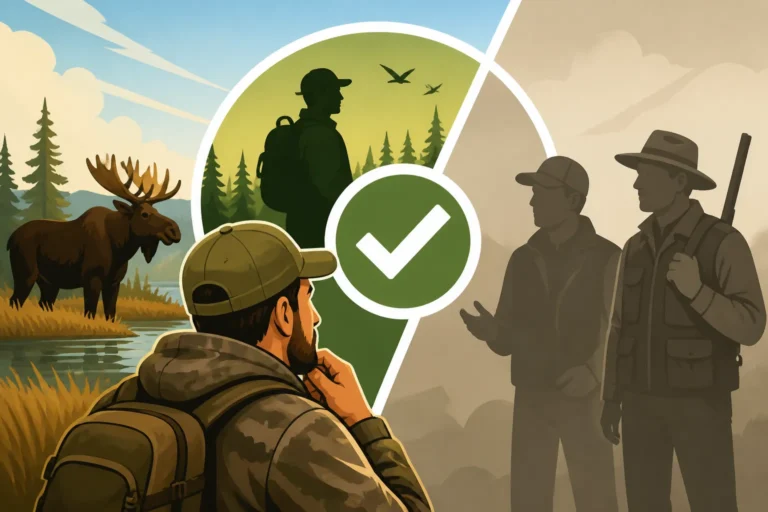
It can be incredibly disheartening to love hunting but feel like physical limitations put your passion out of reach. For many hunters with disabilities, the thought of navigating rugged terrain, climbing into treestands, or even just getting into camp can seem impossible, leading to frustration and the feeling of being left out. This comprehensive guide is here to shed light on how guided hunts in Manitoba are making the incredible experience of the outdoors accessible for disabled hunters, ensuring that everyone has the opportunity to pursue their hunting dreams.
Understanding the Landscape of Accessible Hunting in Manitoba
Hunting is a deeply personal endeavor, connecting us to nature and tradition. For hunters living with disabilities, that connection is just as strong, if not stronger, but the practicalities can often present a significant hurdle. Manitoba, with its vast and varied landscapes, offers incredible hunting opportunities, but unlocking them often requires specialized support.
Challenges Disabled Hunters Face
Let's be real, the wilderness isn't always designed with accessibility in mind. Think about it: uneven ground, thick bush, deep snow in winter, and the sheer physical exertion involved in tracking game or hauling out an animal. These are just some of the common challenges that can make a traditional hunt daunting, if not impossible, for many disabled hunters. Simple things like getting into a ground blind, traversing a marsh, or accessing a remote hunting area become monumental tasks. Beyond the physical, there's the mental toll of wondering if an outfitter will truly understand and cater to your specific needs, or if you'll simply be seen as "too much trouble." The information available can be scattered, making it hard to discern which operations genuinely offer accessible experiences versus those that just say they do. It's a valid concern, and one that many in the disabled hunting community share.
The Role of Outfitters in Bridging the Gap
This is where a dedicated outfitter truly shines and becomes an invaluable partner. A reputable Manitoba outfitter specializing in accessible hunts doesn't just offer a service; they offer an experience tailored to remove those barriers. They understand that "accessible" means more than just a ramp; it means thoughtful planning, appropriate equipment, and guides trained to assist with a range of needs. From specialized vehicles that can navigate tough terrain to custom-built ground blinds or stands that accommodate wheelchairs or mobility aids, they transform what might seem impossible into a reality. Their guides often have experience working with disabled hunters, offering a level of patience, understanding, and practical assistance that makes all the difference. They can scout areas that are naturally more accessible or have been modified for easier navigation, ensuring that the hunter can focus on the hunt itself, rather than struggling with logistics. Many outfits also handle much of the heavy lifting, quite literally, from game retrieval to Manitoba Meat Processing and Cold Storage, allowing hunters to conserve their energy for the moments that truly matter.
Types of Accessibility and What to Look For in a Guide
When you're looking for a guided hunt that genuinely caters to disabled hunters, it's not enough to simply ask if they are "accessible." You need to get specific. Accessibility isn't a one-size-fits-all concept, and what works for one person might not work for another. Understanding the nuances and knowing what questions to ask will make all the difference in finding the right experience.
Physical Accessibility Requirements
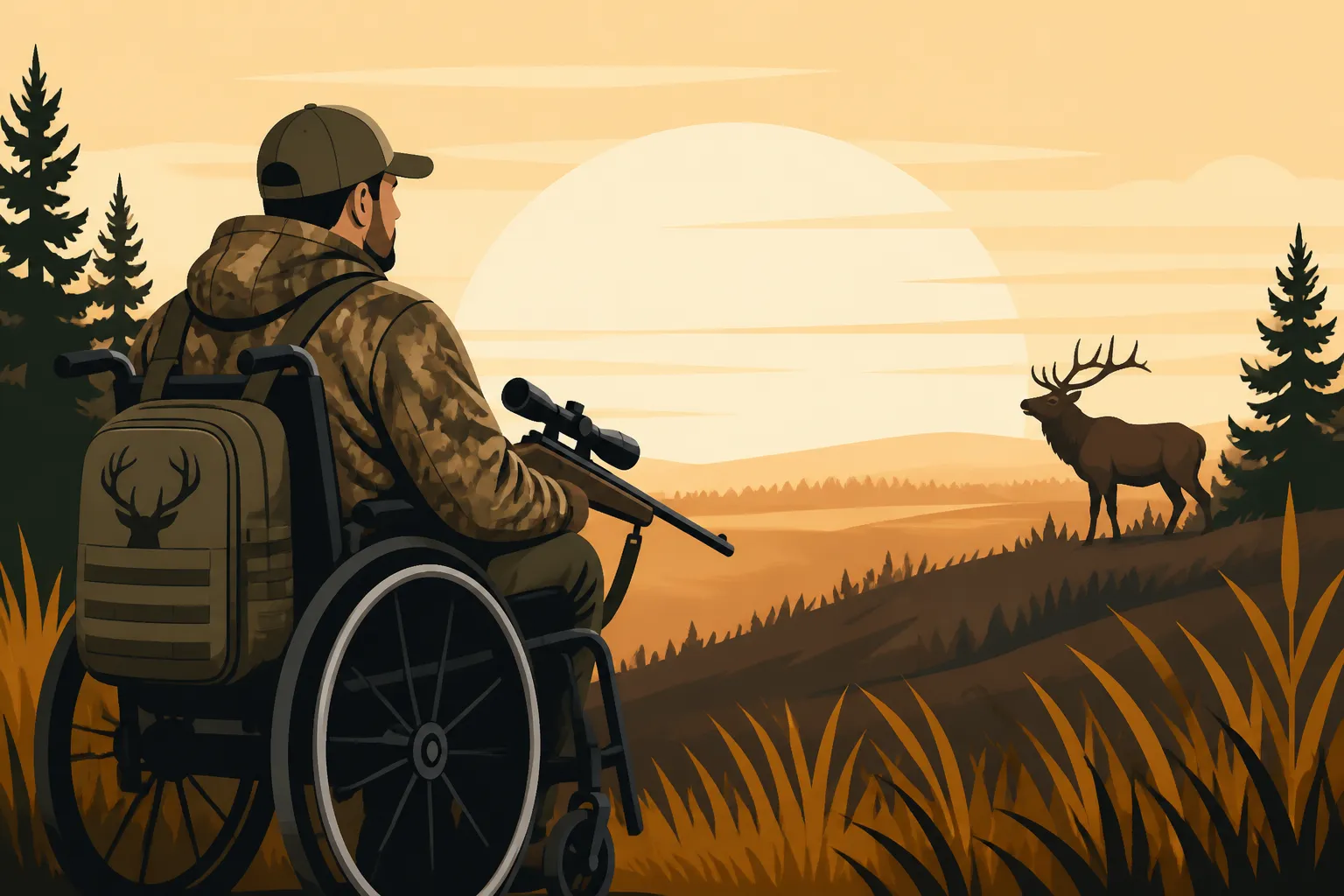
For many, physical access is the primary concern. This goes far beyond just having a paved parking lot. You need to consider the actual hunting environment and the accommodations within the camp. Are there wheelchair-friendly blinds or stands that are large enough to maneuver comfortably and safely, perhaps even with an adaptive shooting rest? Does the outfitter use side-by-sides or ATVs that can accommodate a wheelchair or provide safe transfer options to get you into position? Think about the camp itself: are cabins or lodges equipped with ramps, wider doorways, and accessible bathrooms? It's crucial to discuss your specific mobility needs in detail. For example, if you require a transfer board or a hoist, does the outfitter have experience with this, or can they accommodate your own equipment? A good outfitter will be eager to understand these details and explain exactly how they can meet them. Remember to check out resources like Accessible Blinds and Guides Who Offer Them for more specific examples and ideas on what to look for.
Specialized Equipment and Support
Beyond general physical access, many disabled hunters benefit from specialized equipment and a higher level of direct support. This might include adaptive shooting aids like trigger release systems or specialized rests that compensate for limited upper body strength or control. Perhaps you need a guide who is proficient in operating a tracked chair, or someone who can assist with loading and unloading firearms. It's not just about the gear; it's about the expertise that comes with it. An experienced guide who understands the nuances of hunting with a disability can make the experience far more rewarding and safe. They can help with ranging distances, spotting game, setting up shots, and most importantly, ensuring your comfort and safety throughout the hunt. When you're talking to potential outfitters, don't hesitate to ask about their specific experience with adaptive equipment and the level of personalized support their guides can offer.
The Importance of Communication and Customization
This is perhaps the most critical aspect of planning an accessible hunt. From your very first contact, you need an outfitter who listens intently to your needs, understands your limitations, and is willing to customize the hunt around you. It's not about forcing you into a standard package; it's about creating a unique experience. Be upfront about your disability, your specific challenges, and your expectations. A truly inclusive outfitter won't just say "yes, we can do that"; they'll engage in a detailed conversation, asking follow-up questions to truly grasp how they can make your hunt successful and enjoyable. They'll be transparent about what they can and cannot provide, helping you manage expectations and plan accordingly. This open dialogue ensures that there are no surprises and that your guided hunt in Manitoba is everything you hoped it would be. Think of it as building a partnership for your adventure.
Finding and Vetting Manitoba Outfitters for Disabled Hunters
The search for the right outfitter can feel overwhelming, especially when you have specific accessibility needs. It's not like simply picking a general hunting package; you're looking for a specialist who can provide a safe, respectful, and successful experience. Taking the time to properly research and vet potential guides is paramount.
Online Resources and Specialized Directories
In this digital age, the internet is your friend, but you need to know where to look. Beyond general search engines, there are specialized platforms and organizations that cater specifically to disabled hunters. Websites like BookYourHunt and GoHunt are increasingly offering filters or categories that allow you to search for outfitters who advertise accessible hunts. These platforms can be a great starting point for finding outfitters who at least claim to offer suitable options. However, always remember that an advertisement is just that – an advertisement. Dig deeper. Many non-profit organizations dedicated to promoting outdoor opportunities for disabled individuals also maintain lists of vetted outfitters. These organizations often have direct experience with the outfitters they recommend, giving you a more reliable starting point. Look for forums or online communities where disabled hunters share their experiences; word-of-mouth recommendations are golden in this niche.
Questions to Ask Potential Outfitters
Once you've identified a few potential outfitters, the real work begins: asking the tough questions. Don't be shy; your safety, comfort, and enjoyment depend on it. Here's a table of essential questions to guide your conversations:
| Category | Specific Questions to Ask |
|---|---|
| Mobility | What specific mobility aids can your blinds/stands accommodate (e.g., wheelchair, tracked chair, scooter)? Are there ramps or lifts available? |
| How do you transport hunters to and from hunting locations? Are vehicles accessible for my specific mobility needs? | |
| What is the terrain like in the hunting areas you use for accessible hunts? How far might I need to travel/roll from the vehicle? | |
| Accommodation | Are your lodging facilities truly accessible (e.g., wider doorways, grab bars, roll-in showers)? |
| Guide Support | Do your guides have specific training or experience with disabled hunters? What level of personal assistance can they provide? |
| What adaptive shooting equipment can you provide or accommodate (e.g., shooting rests, trigger aids)? | |
| Hunt Logistics | How is game retrieval handled for accessible hunts? |
| What is your emergency plan for hunters with disabilities in remote locations? | |
| References | Can you provide references from previous disabled hunters you've guided? |
Asking these detailed questions, similar to the advice in Questions to Ask Before Booking, ensures that you get a clear picture of what to expect and that the outfitter understands your needs.
Reading Reviews and Seeking References
Beyond the outfitter's promises, past client experiences are your most valuable resource. When reading reviews, pay close attention to comments specifically from disabled hunters or those mentioning accessibility. Look for consistency in positive feedback regarding how the outfitter handled special requests, provided support, and delivered on their promises for accessible accommodations. Don't just look for five-star ratings; delve into the specifics of why they had a good experience.
Furthermore, always ask for references from disabled hunters. A reputable outfitter who genuinely caters to this clientele will be proud to connect you with past clients. Speaking directly with someone who has been in your shoes and hunted with that outfitter can provide invaluable insights into the practicalities, the attitude of the guides, and the overall quality of the accessible experience. It's a critical step in verifying that the outfitter's claims match their actual service, and helps you understand What a Licensed Manitoba Guide Provides in a real-world scenario.
Popular Manitoba Game for Accessible Guided Hunts
Manitoba is a hunter's paradise, offering a diverse range of big game and migratory birds. While almost any hunt can be adapted with the right planning and support, some species naturally lend themselves better to accessible setups, providing fantastic opportunities for disabled hunters.
Whitetail Deer and Black Bear Opportunities
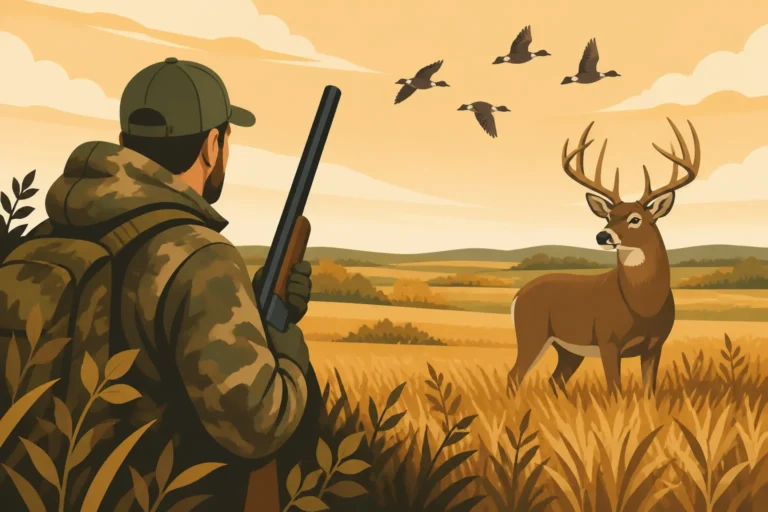
Whitetail deer are incredibly popular in Manitoba, and for good reason. The province is known for producing impressive bucks, and many outfitters specialize in deer hunting. For disabled hunters, whitetail hunts often involve hunting from stationary blinds, which can be custom-built or modified for accessibility. These blinds can be placed strategically along field edges, pinch points, or near food sources, reducing the need for extensive walking. An outfitter can set up a comfortable, heated blind that's easily accessible by ATV or UTV, allowing the hunter to sit patiently, waiting for game to appear. This sedentary style of hunting is often ideal.
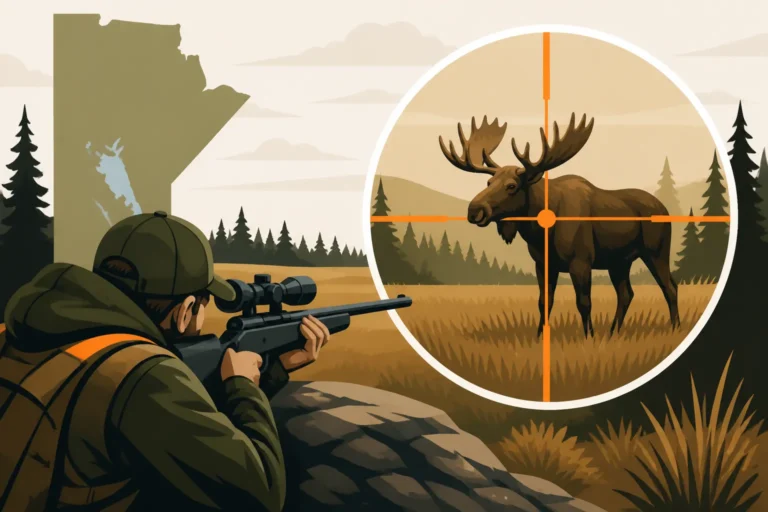
Similarly, black bear hunting, especially over bait, is highly conducive to accessible setups. Bear bait sites are typically established well in advance, and the hunting takes place from a fixed position, usually a ground blind or an elevated stand. Again, outfitters can ensure these blinds are fully accessible, allowing for comfortable and stable shooting. The focus here is on patience and observation, rather than strenuous movement, making it an excellent choice. Many outfitters offer spring or fall bear hunts, providing ample opportunity. The excitement of a bear approaching the bait, combined with the relative ease of access to the blind, makes for an unforgettable experience.
Waterfowl and Upland Bird Hunting Considerations
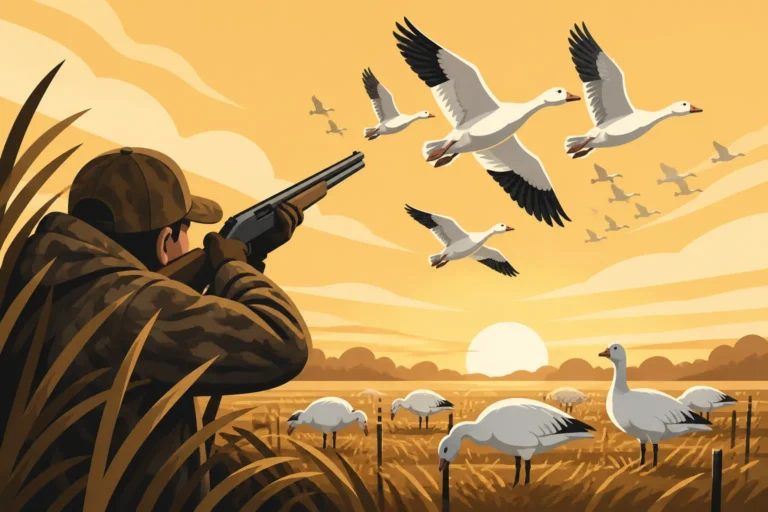
While big game often comes to mind first, Manitoba's incredible waterfowl and upland bird hunting also offer fantastic accessible options. Waterfowl hunting, particularly for geese in the province's vast grain fields, can be highly accessible. Outfitters can set up large decoy spreads and dig comfortable, concealed pit blinds or layout blinds that minimize mobility requirements once in place. Hunters can be transported directly to the blind site, and the action often comes to them. This provides an exhilarating experience with less physical demand than, say, jump-shooting ducks in a marsh. The sheer volume of geese during migration can offer incredible shooting opportunities.
For upland birds like sharp-tailed grouse or Hungarian partridge, hunting can be more challenging due to the need for walking and covering ground. However, some outfitters can adapt these hunts. For example, if a hunter uses a specialized all-terrain wheelchair or a side-by-side that can safely navigate certain trails, it might be possible to hunt edges or smaller pockets of cover. In some cases, a carefully managed pheasant release program or hunting a specific, accessible section of managed cover can also provide opportunities. It all comes back to communication with the outfitter to see what unique solutions they might offer for your specific needs and mobility. The goal is to make these exciting hunts a reality, even if the approach needs to be a bit different.
Legal and Practical Considerations for Disabled Hunters in Manitoba
Beyond finding the right outfitter and chosen species, there are important legal and practical aspects to consider when planning an accessible guided hunt in Manitoba. Understanding these details upfront ensures a smooth, enjoyable, and lawful hunting experience.
Manitoba Regulations and Permits
Manitoba, like all jurisdictions, has specific regulations governing hunting. While there might not be a separate "disabled hunter" license, there can be provisions or considerations that apply. For instance, some regulations pertain to the use of crossbows (which might be easier for some disabled hunters) or specific methods of take. It's crucial to review the current hunting guide issued by the province. Your chosen outfitter should be well-versed in all current regulations and can help clarify any ambiguities. They should also be able to advise you on Manitoba Resident Licence Options or Rules for Non-Residents Hunting Manitoba, depending on your residency.
In some cases, specific permits or exemptions related to mobility devices or methods of hunting might exist, though these are typically handled on a case-by-case basis through the provincial wildlife department. It’s always best to involve your outfitter in understanding these details and ensuring all necessary paperwork is in order before your hunt. Don't assume anything; verify everything. This attention to detail prevents any potential issues in the field.
Travel and Logistics Planning
Traveling with a disability, especially when hunting equipment is involved, requires meticulous planning. If you're driving, consider the accessibility of rest stops, hotels, and fuel stations along your route. If flying, you'll need to coordinate closely with the airline regarding the transportation of mobility devices, adaptive hunting equipment, and firearms. Airlines have specific rules for firearms and ammunition, and you'll want to ensure your specific gear meets their requirements. The Non-Resident Firearm Declaration is a key document for those bringing firearms across the border.
Furthermore, consider your accommodation before and after the hunt, especially if the outfitter's camp isn't fully integrated into your travel plan. Think about airport transfers, ground transportation from the airport to the outfitter's staging area, and any specialized medical supplies or equipment you might need throughout your trip. Planning your Manitoba Trip Planning Timeline well in advance will alleviate much of the stress. Communicate all these travel specifics with your outfitter; they may have experience assisting other disabled hunters with similar logistical challenges and can offer valuable advice or even arrange certain transfers.
Planning Your Accessible Manitoba Hunting Trip
Once you've done your research, found a fantastic outfitter, and understood the legalities, it's time to put all the pieces together for an unforgettable Manitoba hunting adventure. This involves thoughtful budgeting and meticulous preparation to ensure every aspect of your trip is as smooth and rewarding as possible.
Budgeting for an Inclusive Hunting Experience
Let's face it, guided hunts are an investment, and accessible hunts might come with some additional considerations. While many outfitters strive to keep costs reasonable, providing specialized equipment, custom blinds, extra guide assistance, and accessible lodging can sometimes incur higher operational costs. It's important to be realistic about this from the outset. Discuss all potential costs with your outfitter upfront, including the base package price, any fees for specialized equipment rentals or modifications, extra guide hours if needed, and what's covered in terms of Manitoba Big Game Tag Costs and licenses. Don't forget about travel expenses, potential tipping for your guide and camp staff, and any pre- or post-hunt accommodation or activities.
Creating a detailed budget will help you understand the full financial commitment. Some organizations and charities offer grants or assistance programs for disabled hunters, so researching these avenues could be beneficial. Remember, this isn't just a hunt; it's an opportunity to experience freedom and connection with nature, and the investment often yields priceless memories.
Essential Gear and Preparations
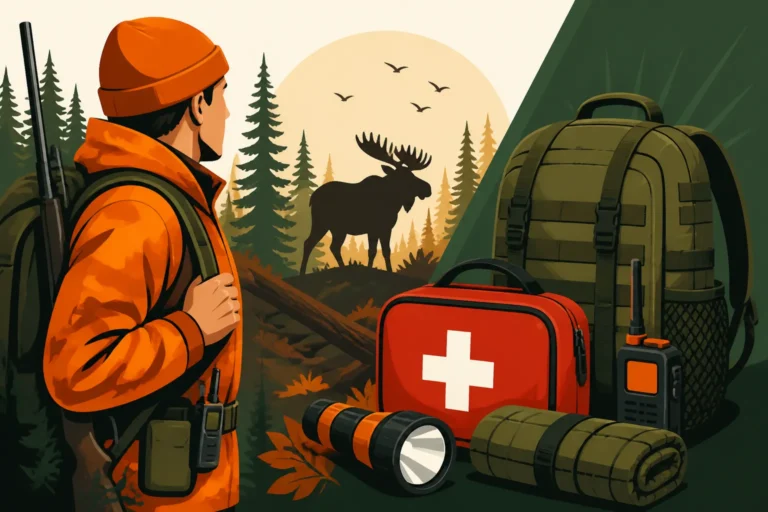
Beyond your personal mobility aids and adaptive hunting equipment, there's general hunting gear you'll need, tailored for comfort and success in Manitoba's often-rugged conditions. Layered clothing is crucial, as Manitoba weather can change quickly, especially during fall and winter seasons. Think about warm, waterproof outer layers, insulated boots designed for sitting still in the cold, and appropriate head and hand wear. Since you might be sitting for extended periods in a blind, extra insulation and comfort items like specialized cushions or heated garments can make a significant difference.
Your outfitter will provide a detailed packing list, but be sure to customize it based on your specific needs. Bring any personal medications, medical alert information, and extra batteries for electronic mobility devices. Physically and mentally preparing for the hunt is also vital. If possible, practice shooting from positions similar to what you'll encounter in the blind. Discuss any dietary restrictions or preferences with your outfitter well in advance. Having all your ducks in a row – from your Manitoba Hunter Education Requirements certificate to your chosen rifle and ammo, as detailed in What to Bring to a Manitoba Deer Camp – will ensure you arrive confident and ready to focus on the thrill of the chase. The more prepared you are, the more you can relax and truly immerse yourself in the Manitoba wilderness.
Disclaimer
This article is for general informational purposes only and does not constitute professional advice. Laws, prices and regulations vary by location and change over time. Consult a qualified professional for guidance on your specific situation.