How Shield Country Changes Game Density
Manitoba Canadian Shield terrain and geology alter game movement, creating natural funnels and remote wilderness habitats for hunters.
Know what you’re after.
Big game, small game, upland birds, and waterfowl — identification, behavior, rut and migration timing, and how each species moves through the season.
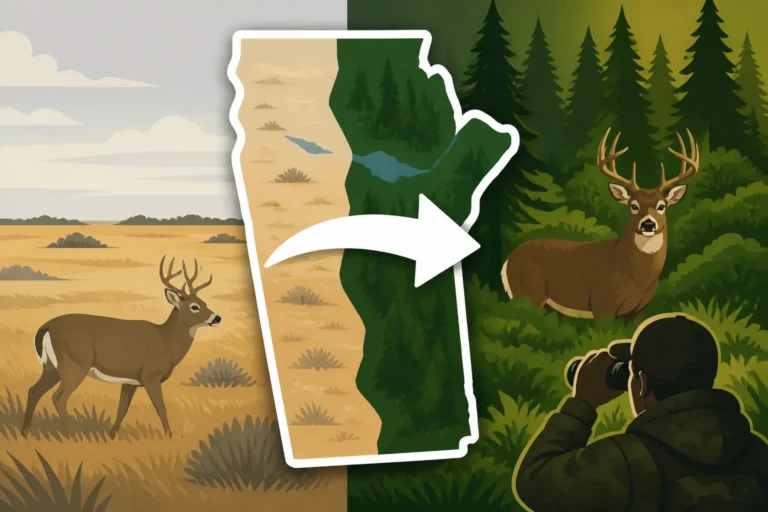
Manitoba Canadian Shield terrain and geology alter game movement, creating natural funnels and remote wilderness habitats for hunters.
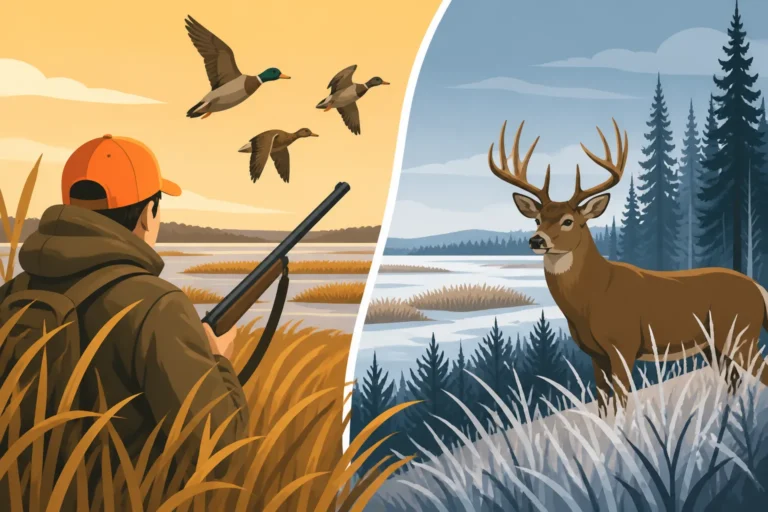
Manitoba Interlake geography between Lake Winnipeg and Lake Manitoba features unique wetlands, bush, and farmland habitats.
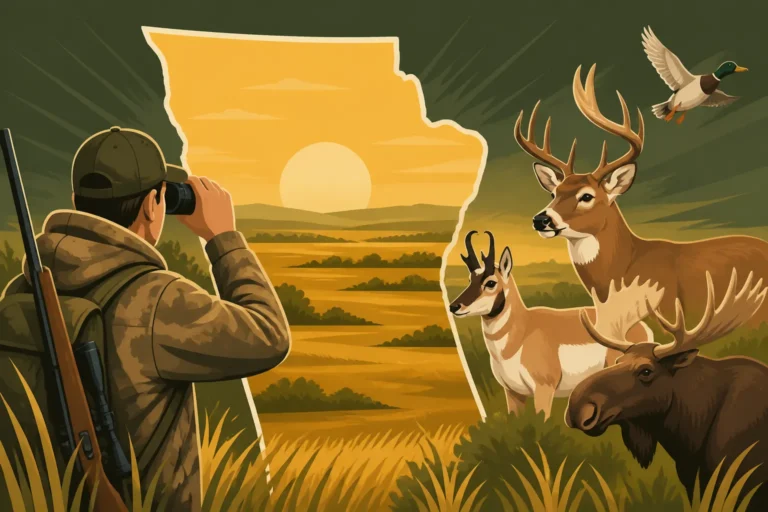
Manitoba Parkland features diverse habitats, mixing woodlands, grasslands, and wetlands that create an abundant wildlife population.
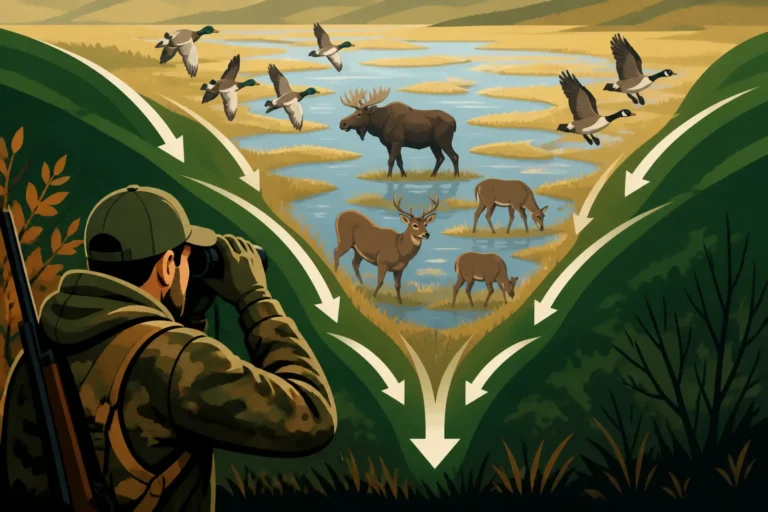
Manitoba slough country wetlands concentrate game animals by providing vital water, diverse food sources, and protective cover.
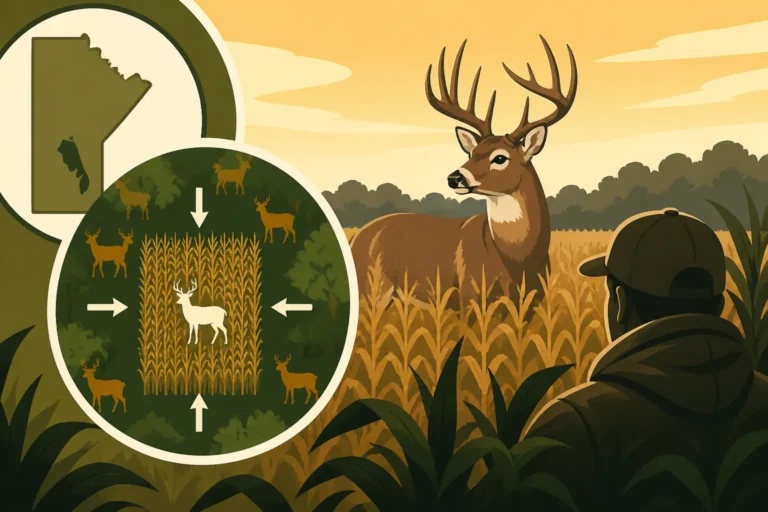
Deer movement into standing corn, soybeans, and sunflowers provides heavy calories, winter fat reserves, and secure cover.

Manitoba deer yards provide thermal cover and food sources like dogwood, willow, and aspen sprouts, helping whitetails survive harsh winters.

Manitoba whitetail bucks in August feature living velvet tissue covering antlers, growing rapidly before the hunting season.
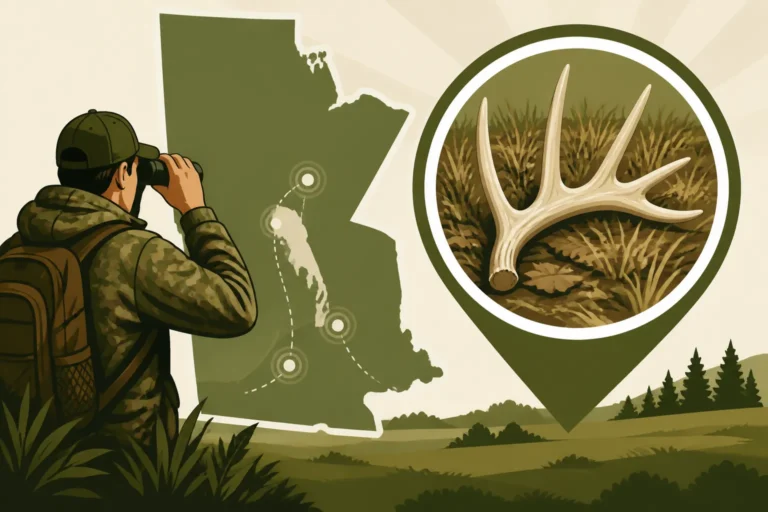
Manitoba shed hunting locations include winter feeding areas, standing cornfields, and south-facing spruce bedding sanctuaries.
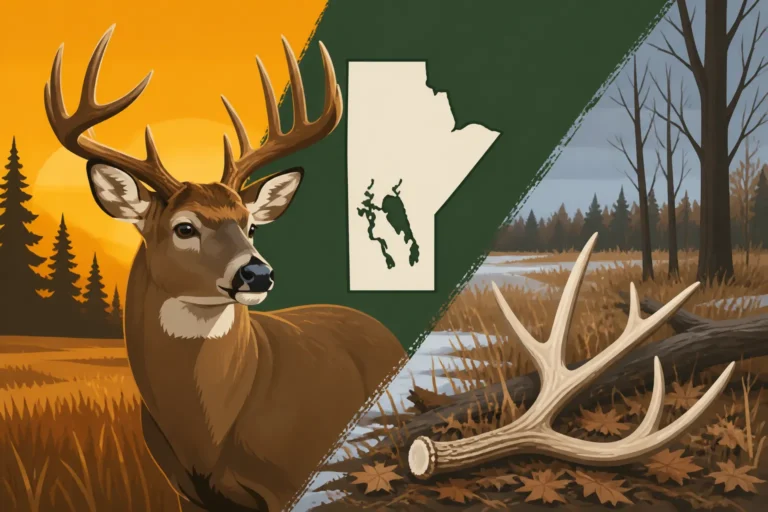
Manitoba white-tailed bucks shed their antlers between late December and early March, driven by falling testosterone levels.
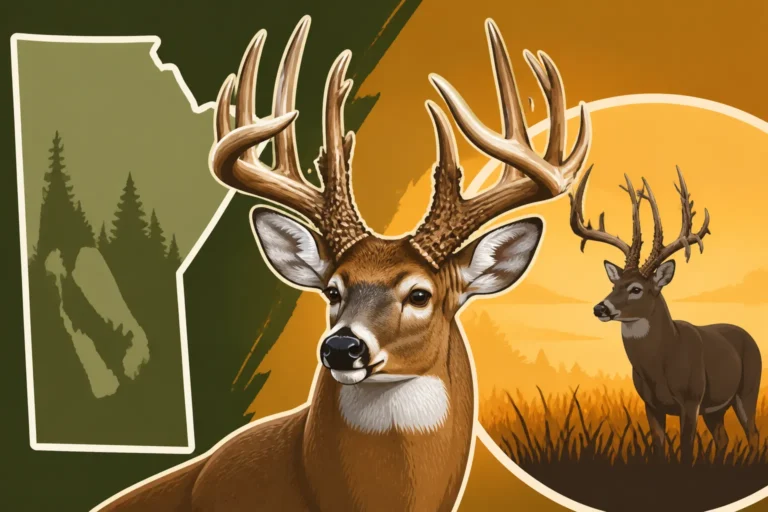
Manitoba whitetail bucks grow nontypical antlers due to genetic predisposition, aging, nutrition, and physical injuries.