Hunting Manitoba’s Swan Valley
For many hunters, the quest for truly productive ground in Manitoba can feel like an endless search, often leading to crowded areas or permission challenges. But tucked away in the province's western reaches lies the Swan Valley, an incredibly diverse and often overlooked region that offers some exceptional hunting opportunities if you know where to look and how to approach its unique landscape. This guide is dedicated to helping you unravel the secrets of hunting Manitoba's Swan Valley, providing detailed insights into its geography, game species, access challenges, and successful strategies.
Unpacking the Swan Valley: A Hunter's Geographical Guide
The Swan Valley isn't just a place on a map; it's a dynamic landscape where the agricultural fields of the prairie meet the sprawling boreal forest and the rugged edges of the Duck Mountain and Porcupine Hills. This convergence creates a mosaic of habitats, each offering distinct advantages and challenges for the hunter. Understanding this unique geography is the first step toward a successful hunt.
The Valley Floor and Surrounding Escarpments
The heart of the Swan Valley is its fertile valley floor, a relatively flat expanse carved by glacial activity and drained by the Swan River and its tributaries. This valley bottom is where you'll find much of the region's productive farmland – vast stretches of wheat, canola, and hay fields that serve as critical food sources for a variety of game, especially deer and elk. However, don't let the open fields fool you; even here, small bluffs, shelterbelts, and sloughs provide crucial cover and travel corridors.
Flanking the valley floor, both to the north and south, are the dramatic escarpments of the Porcupine Hills and the Duck Mountain. These aren't just hills; they are significant forest blocks, rising hundreds of feet above the valley, creating a stark transition from agricultural land to dense, often challenging, bush. These higher elevations are characterized by mixedwood forests of aspen, balsam poplar, spruce, and pine. This elevated terrain means tougher access, often deeper snow earlier in the season, and a completely different hunting experience than the valley below. Understanding how game moves between these two distinct zones – feeding in the valley and bedding or seeking refuge in the hills – is key to developing effective strategies. Hunting Manitoba's Duck Mountain Country provides even more specific insights into that adjacent terrain.
Forest Types and Water Features
Within the Swan Valley's broader geography, the specific forest types and water bodies play a critical role in game distribution. On the valley floor, you'll encounter remnant patches of aspen parkland, dense willow thickets around sloughs, and mature shelterbelts that farmers have planted over generations. These areas, though often fragmented, provide invaluable thermal cover, bedding areas, and travel lanes, especially for whitetail deer.
As you ascend into the Duck Mountain and Porcupine Hills, the forest transitions to more extensive blocks of boreal forest, dominated by spruce and pine in the lower, wetter areas, and aspen and balsam poplar on the drier slopes. These dense forests can be incredibly difficult to navigate, but they hold the biggest concentrations of moose and bear, and provide deep cover for mature whitetails. The multitude of small lakes, streams, and beaver ponds throughout these forested uplands are not just scenic; they are vital water sources and travel corridors for game, and often concentrate animals in specific areas, especially during dry periods. Learning to read these diverse habitats will allow you to pinpoint where different species will be holding throughout the season.
Targeting Game in the Valley: Species and Their Habits
The Swan Valley is a rich tapestry of wildlife, offering hunters a chance to pursue several species, each with its own preferred habitat and behavioral patterns. Success here often comes down to understanding not just what you're hunting, but how that animal interacts with the unique Swan Valley environment.
White-Tailed Deer: Masters of the Mixed Habitat
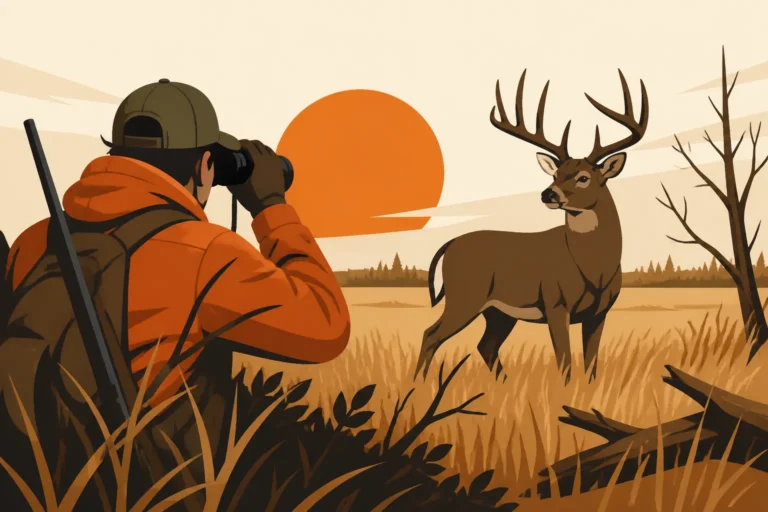
Manitoba is renowned for its whitetail deer, and the Swan Valley is no exception, often producing heavy-bodied bucks. These deer thrive in the valley's transitional zones, utilizing the ample food sources of the agricultural fields and the security cover of the adjacent bush and shelterbelts. In the early archery season, deer will often be found feeding heavily on green crops like alfalfa or pea fields, venturing out at dawn and dusk. As rifle season approaches and crops are harvested, they'll shift their focus to downed grain, corn, or standing stubble, always with an eye on nearby cover.
During the rut, typically in early to mid-November, the entire dynamic changes. Bucks become more active, cruising the edges of bush lines, creek bottoms, and shelterbelts in search of does. They'll use the deep bush of the Duck Mountain and Porcupine Hills for bedding and escaping pressure, only to venture out into the valley to breed. Finding a pinch point where deer funnel between bedding and feeding areas, or along a prominent bush edge, can be incredibly productive during this time. Hunting the Rut in Early to Mid November is a crucial read for understanding this key period. For those looking to fill a second tag, understanding Where a Second Deer Licence Is Available can be extremely helpful.
Moose and Bear: Residents of the Deep Bush
While whitetails dominate the agricultural fringes, moose and black bears are the true inhabitants of the Swan Valley's extensive forested uplands. The dense, mixedwood forests, particularly in the northern reaches of the Duck Mountain and Porcupine Hills, provide ideal habitat for moose, with abundant browse like willow, aspen, and aquatic vegetation from the numerous ponds and creeks. Calling moose during the rut, usually in late September and early October, can be an exhilarating experience, with the vastness of the bush often leading to drawn-out, strategic encounters.
Black bears are also prevalent throughout the forested areas. They utilize the bush for denning, foraging for berries, nuts, and grubs, and finding safety from human encounters. Spring bear hunting, often done over bait, is a popular pursuit in the region, with hunters setting up in secluded bush pockets. Later in the fall, bears can sometimes be found near berry patches or even venturing towards the agricultural edges if food sources are scarce in the deeper woods. Always be bear aware, especially when still-hunting deep in the timber. Black Bear Hunting in Manitoba offers a great overview of these fascinating creatures.
Upland Birds and Waterfowl: Diverse Opportunities
Beyond big game, the Swan Valley provides fantastic opportunities for bird hunters. Sharp-tailed grouse are common in the grassland patches, particularly on the edges of agricultural fields and in native prairie remnants found on Crown land. Ruffed grouse thrive in the aspen and mixedwood forests, often found along old logging roads and creek beds. For those willing to walk, these birds can offer fast-paced action and a delicious reward. Upland Bird Hunting in Manitoba explores this in more detail.
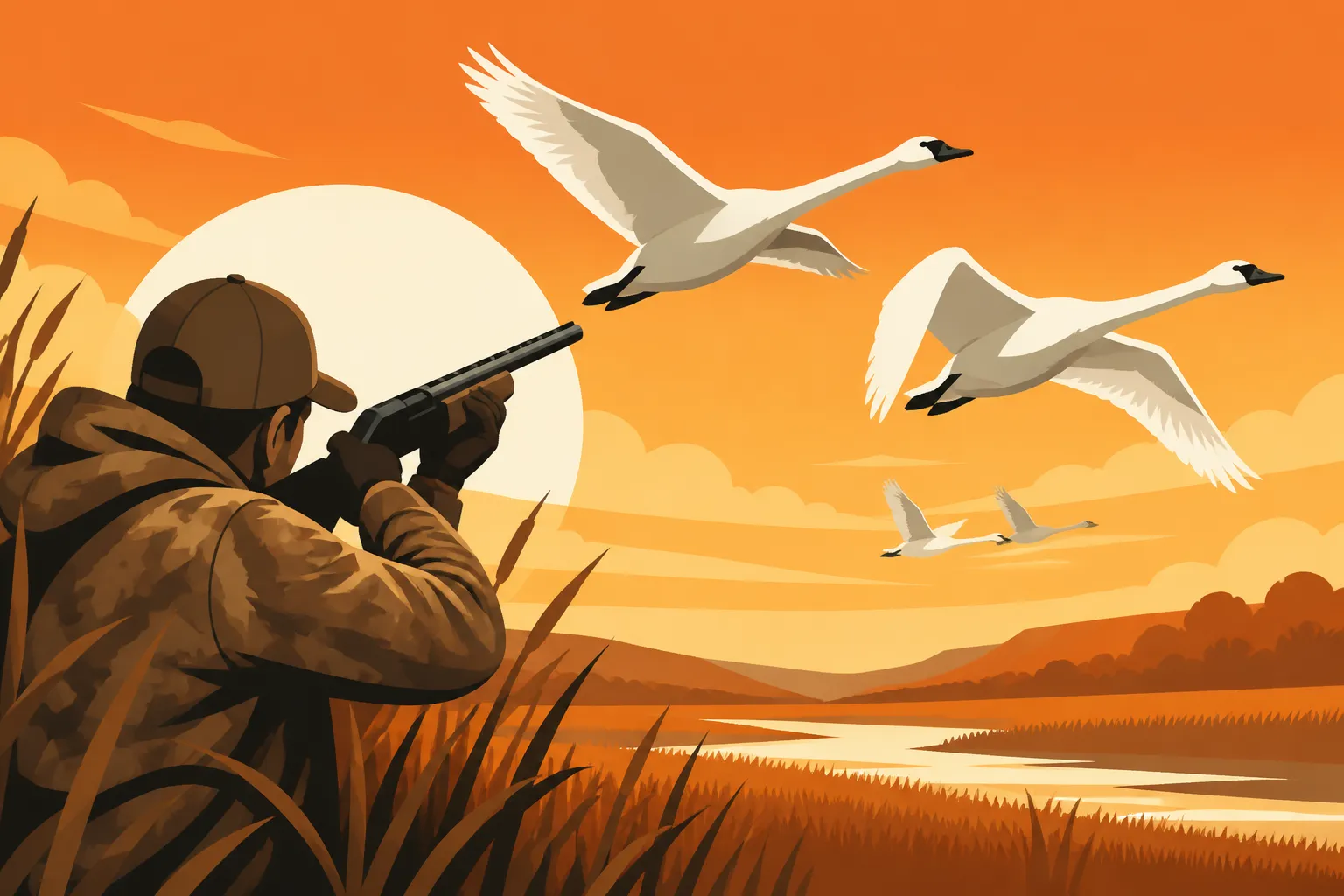
Waterfowl hunting can also be excellent, especially during the fall migration. The Swan River and its many tributaries, along with countless potholes and sloughs dotting the valley, attract ducks. The extensive grain fields, particularly after harvest, draw in vast numbers of Canada geese, snow geese, and even specklebellies. Identifying flight paths between roosting water bodies and feeding fields is key to a successful waterfowl hunt here.
Navigating Access: Crown Land, Private Property, and WMAs
One of the biggest hurdles for any hunter, especially in productive areas like the Swan Valley, is securing access to good hunting ground. The region offers a mix of private agricultural land and extensive blocks of Crown land, including significant portions within Provincial Forests and Wildlife Management Areas. Understanding where you can go and how to gain permission is crucial.
Crown Land Blocks and Provincial Forests
The Swan Valley is blessed with substantial areas of Crown land, particularly as you move into the Duck Mountain Provincial Forest to the south and the Porcupine Provincial Forest to the north. These vast tracts of public land offer walk-in access for hunters, providing thousands of acres of unpressured ground for those willing to venture deep into the bush. However, "access" often doesn't mean easy; many of these areas require significant foot travel, quads, or even boats to reach remote pockets.
Using digital mapping tools like onX Hunt becomes absolutely essential when planning a hunt here. These platforms allow you to clearly identify Crown land boundaries, often overlaying satellite imagery with property lines, making it easy to see where you can legally hunt. They can also show you potential access points, old trails, and logging roads that might not be visible on traditional paper maps. Always consult a current Reading a Manitoba GHA Map Before You Go to understand the specific regulations and boundaries of the Game Hunting Area you intend to hunt. Remember that while Crown land is open, respect for the land and other users is paramount. Manitoba's Crown Land Access rules should always be top of mind.
Private Land Considerations and Permission
While the large forest blocks are Crown land, much of the productive valley floor is privately owned farmland. This means that if you want to hunt deer or waterfowl on fields, gaining permission from the landowner is non-negotiable. This isn't always easy, and it requires respectful communication and often a bit of persistence. My advice is always to ask well in advance of the season, during the daylight hours, and never when a farmer is busy in the field. Be polite, offer to share game, and always respect their property.
Sometimes, a landowner might grant permission to retrieve a downed animal but not to actively hunt. This is still a privilege and must be honored. For those who invest in tools like GoHunt for their general hunt planning and research, the principles of landowner relations apply universally, even if the specific mapping tools differ. Developing good relationships with local landowners can open up incredible opportunities, but it takes time and trust. Getting Private Land Permission in Manitoba covers this critical topic in depth, offering practical advice on how to approach these conversations.
Wildlife Management Areas in the Region
The Swan Valley region also contains several Wildlife Management Areas (WMAs), which are parcels of land managed specifically for wildlife habitat and public recreation, including hunting. These WMAs are typically open to hunting, but often have specific regulations that may differ slightly from general Crown land rules. For example, some may have restrictions on vehicle access, baiting, or specific weapon types.
It's crucial to check the current Manitoba Hunting Guide or the provincial website for the specific WMA you plan to hunt. These areas can sometimes offer exceptional hunting, as habitat improvements often concentrate game. They can also see more hunting pressure, especially on opening weekends. Knowing the rules and scouting these areas beforehand will give you a distinct advantage.
Mastering Swan Valley Hunting Strategies
Hunting in the Swan Valley demands a versatile approach. The diverse landscape means that a strategy that works wonders in the valley bottom for deer might be completely ineffective for moose deep in the hills. Adapting your techniques to the specific terrain, game species, and time of year is key to success.
Bush Hunting in the Upland Forests
When targeting moose, bear, or even big whitetail bucks that seek refuge from pressure, you'll need to embrace bush hunting. This means moving slowly, quietly, and deliberately through dense forest, paying close attention to wind direction, game sign, and potential bedding areas. Still-hunting, where you take a few steps and then pause for several minutes to observe and listen, is highly effective. The thick cover here often means short-range encounters, so practice shooting in tight quarters.
Look for natural funnels like creek bottoms, ridges, or the edges of old clear-cuts. Game trails will be your roadmap, but be cautious as deer, moose, and bear often use the same paths. During the rut, calling can be very productive for moose, attempting to mimic cows or challenging bulls. For bears, finding natural food sources like berry patches or setting up a strategic bait site (where legal) can draw them in. Always carry a compass or a GPS device – and know how to use it – as getting turned around in the dense Swan Valley bush is easier than you think. Hunting Whitetails in Manitoba's Bush Country offers more specific tactics for the timber.
Hunting Field Edges and Transition Zones
The most productive deer hunting in the Swan Valley often occurs along the edges where the deep bush meets agricultural fields. These transition zones offer both food and cover, making them natural travel corridors and feeding areas. During early season, deer will often stage in the bush just before dark, waiting for cover of low light before entering fields. Setting up a treestand or ground blind along a well-used trail leading into a field, or overlooking a prominent pinch point, can be highly effective.
Pay attention to wind direction, as deer will almost always approach a field with the wind in their favor, scent-checking for danger. Look for fresh tracks, rub lines, and scat to indicate active travel routes. As the season progresses and the rut kicks in, bucks will be cruising these edges more aggressively, scent-checking for does. These areas are also prime locations for rattling or grunting, trying to attract a curious buck. Hunting a Manitoba Bush Edge and Hunting a Standing Canola Field Edge delve into these specific scenarios.
Using Calling and Scent Strategies
Calling is a powerful tool in the Swan Valley, especially for whitetails during the rut and for moose. For deer, a combination of grunt calls, doe bleats, and rattling antlers can entice bucks, particularly those cruising for does. Adjust your calling volume based on the cover and wind conditions – light grunts in thick bush, more aggressive rattling in open parkland. Scent elimination is also crucial; use scent-free sprays, laundry detergents, and keep your hunting clothes stored properly.
For moose, the mournful call of a cow or the aggressive grunts of a bull can bring in a response, especially if you're deep in prime moose habitat. Bears are less responsive to calling, but attractants like sweet scents or food baits can be highly effective. No matter the species, always remember that calling can attract other hunters as well, so always be aware of your surroundings and exercise extreme caution.
Essential Prep for Your Swan Valley Adventure
A successful hunt in the Swan Valley isn't just about knowing where to go or what to do; it's also about thorough preparation. From understanding the legal requirements to having the right gear and safety protocols, being well-prepared is non-negotiable for a rewarding and safe experience.
Licensing, Tags, and Regulations
Before you even pack your bags, ensure all your licensing and tag requirements are in order. As a resident, you'll need a valid Manitoba hunting licence, and specific tags for the species you intend to pursue (e.g., deer tag, moose tag). Non-residents have additional requirements, often needing to book with an outfitter for certain species, and paying higher licence and tag fees. Manitoba Hunting Licences and What They Cost and Manitoba Big Game Season Dates are essential reads to ensure you're compliant.
Always carry your licence and tags with you while hunting, and be prepared to validate your tag immediately upon harvesting an animal. Pay close attention to the Game Hunting Area (GHA) regulations, as season dates, bag limits, and legal weapons can vary by GHA, even within the broader Swan Valley region. The Manitoba Hunting Guide, published annually by the province, is your definitive resource for all current regulations.
Gear for the Diverse Terrain and Weather
The Swan Valley's diverse terrain and Manitoba's famously unpredictable weather demand careful gear selection. For bush hunting, durable, waterproof boots with good ankle support are crucial for navigating uneven ground, wet areas, and potential snow. Layered clothing is a must, allowing you to adjust to temperature swings. Blaze orange requirements are mandatory for rifle hunters during certain seasons, so ensure you have enough visible orange on your person. How Much Blaze Orange Manitoba Requires is a good guideline.
Consider the following for your pack:
- Navigation: GPS device (and know how to use it!), topo maps, compass, and a fully charged phone with digital maps (like onX Hunt) downloaded for offline use. Scouting With Satellite Imagery in Manitoba can also give you a leg up.
- Safety: First-aid kit, emergency fire starter, headlamp, extra batteries, signaling device (whistle), knife, and bear spray if in prime bear country.
- Comfort/Essentials: Water, snacks, warm gloves/hat, rain gear, and a small saw or rope for field dressing.
- Weapon & Ammo: Ensure your firearm or bow is sighted in and appropriate for the species and conditions. Carry extra ammunition.
Safety in Remote Areas and Deep Cold
Safety should always be your top priority. Hunting in remote areas of the Swan Valley, especially in the Duck Mountain or Porcupine Hills, means being prepared for emergencies. Let someone know your hunting plans, including your route, where you'll be parking, and when you expect to return. Consider carrying a satellite messenger or an InReach device for emergency communication outside of cell service areas.
Manitoba winters can be brutally cold, with temperatures often plunging far below freezing. If hunting late in the season, be prepared for extreme cold, snow, and ice. Dress in layers designed for warmth, and understand the signs of hypothermia and frostbite. A winter truck kit with extra warm clothes, blankets, a shovel, traction aids, and booster cables is highly recommended. Hunting Safely in Deep Winter Cold and Winter Truck Kit for a Manitoba Hunt are essential reads if you plan to extend your season. Always handle firearms safely, and be absolutely sure of your target and what lies beyond it before taking a shot.
Local Insight: Connecting with the Swan Valley Community
Beyond maps and regulations, truly understanding a hunting area like the Swan Valley often comes down to tapping into local knowledge. Connecting with the community, whether through local businesses, outfitters, or fellow hunters, can provide invaluable insights and make your hunt more enjoyable and successful.
Local Outfitters and Guides
While many resident hunters prefer to go it alone, booking with a reputable local outfitter or guide can be a game-changer, especially if you're unfamiliar with the area or targeting a specific species like moose or bear. Swan Valley outfitters often have years of experience, intimate knowledge of the local terrain, and established relationships with landowners, which can provide access to prime hunting spots you might otherwise never find.
An outfitter can help with everything from scouting, setting up stands or baits, guiding you to game, and even assisting with game retrieval and processing. They understand the nuances of the local GHA rules, the best times to hunt, and where the game is moving. For non-residents, a guide is often a mandatory requirement for big game species. Hunting Guides and Outfitters in Manitoba is a great resource for understanding what these services entail and how to choose the right one.
Local Services and Amenities
The town of Swan River is the main hub of the Swan Valley, offering most essential services and amenities a hunter might need. You'll find gas stations, grocery stores, hardware stores for last-minute gear, and restaurants. There are also butcher shops that can process your game, which is incredibly helpful after a successful hunt. Always plan for Meat Care in Manitoba's Cold Snaps if hunting during cooler months.
Supporting local businesses not only helps the community but can also be a source of valuable information. Chatting with locals at the coffee shop, hardware store, or gas station can sometimes reveal insights into game movements, recent sightings, or general conditions. They often appreciate hunters who are respectful and contribute to the local economy.
Community Engagement and Respect
Ultimately, being a good steward of the land and a respectful member of the hunting community benefits everyone. This means adhering to all regulations, practicing ethical hunting, leaving no trace, and respecting both public and private property. If you're hunting near agricultural operations, be mindful of livestock and farm equipment.
Table: Swan Valley Hunting Opportunities Overview
| Species | Primary Habitat in Swan Valley | Best Season | Key Challenges | Recommended Strategy |
|---|---|---|---|---|
| White-tailed Deer | Valley floor agriculture, bush edges | Fall (Archery & Rifle) | Pressure, finding bedding cover | Field edge stands, still-hunting bush |
| Moose | Dense boreal forest (Duck Mtn, Porcupine) | Early Fall (Rifle) | Remote access, thick cover | Calling, still-hunting deep bush |
| Black Bear | Mixedwood forests, remote areas | Spring & Fall | Locating food sources, dense cover | Baiting (where legal), spot & stalk |
| Sharp-tailed Grouse | Grasslands, prairie remnants | Early Fall | Fast flyers, scattered coveys | Walking shelterbelts, field edges |
| Ruffed Grouse | Aspen/mixedwood forests, old trails | Early Fall | Dense cover, quick flushes | Walking old logging roads |
| Waterfowl | River systems, sloughs, grain fields | Fall Migration | Scouting, decoy setup | Field blinds, marsh hunting |
The Swan Valley truly offers a diverse and challenging hunting experience. With careful planning, a respectful approach, and a willingness to adapt to its unique landscape, you'll discover why this region is a cherished destination for many Manitoba hunters. It's a place where the effort you put in is often rewarded with unforgettable experiences and, with a bit of luck, a full freezer.
Disclaimer
This article is for general informational purposes only and does not constitute professional advice. Laws, prices and regulations vary by location and change over time. Consult a qualified professional for guidance on your specific situation.