Polar Bears and Why They Are Off Limits
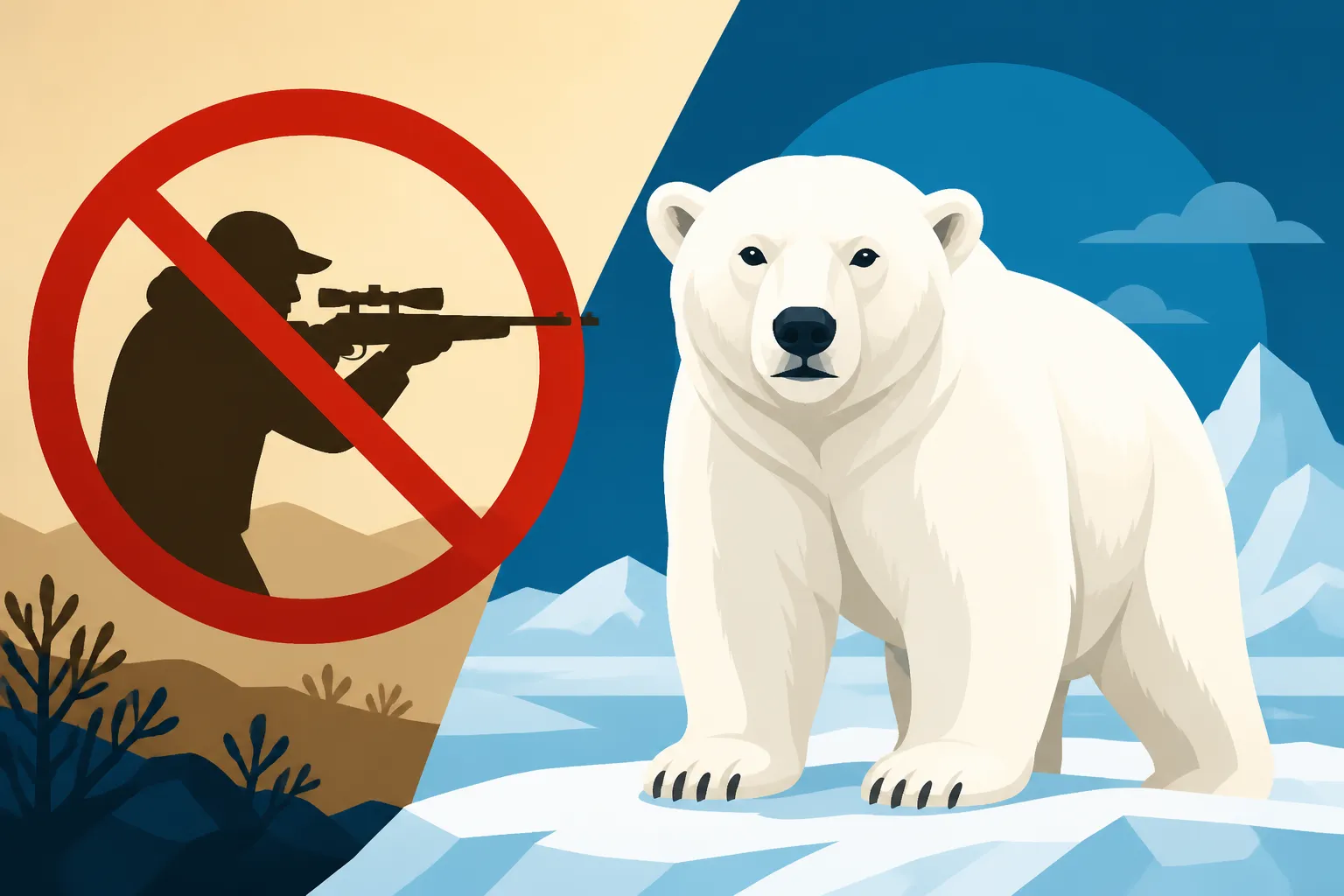
There’s a certain wild mystique that comes with the thought of Manitoba’s northern reaches, and for many, that thought immediately conjures images of the magnificent polar bear. It's a natural curiosity, a draw to one of the planet's most iconic apex predators. However, for those of us who hunt and respect wildlife, it’s important to understand right from the get-go that polar bears are, definitively, off-limits for hunting in Manitoba. This guide will delve into why that is, where these incredible animals reside, and how you can still experience them in their natural habitat in a way that truly respects their protected status.
The Majestic Polar Bear: A Manitoba Icon (Beyond the Hunt)
It’s easy to understand why the polar bear captures the imagination. These incredible animals are synonymous with the Arctic wilderness, and Manitoba is fortunate enough to be home to a significant population. While the allure of hunting such a powerful creature might cross a hunter's mind, the reality is that their conservation status and the specific provincial regulations mean they are not a huntable species here. Our focus shifts from pursuit to profound appreciation and ethical observation.
Where Polar Bears Roam in Manitoba
Manitoba's polar bears are primarily found along the Hudson Bay coastline, particularly in the vicinity of Churchill, often referred to as the "Polar Bear Capital of the World." This region offers a unique blend of tundra, taiga, and marine environments that are crucial for their survival. As the sea ice forms in late fall, these bears congregate near the coast, waiting for their prime hunting grounds to solidify. It’s this annual migration and their presence in accessible coastal areas that make Churchill such a world-renowned destination for viewing.
Their territory isn't just a small patch; it extends for hundreds of kilometres along the coast and inland into the tundra and even the edges of the boreal forest during certain times of the year, especially when the ice conditions are poor. While you won't encounter them in the aspen parkland or the agricultural belts where most big game hunting occurs, their presence profoundly shapes the ecosystem of our northernmost regions. Understanding Manitoba's Game Hunting Areas gives a good perspective on just how vast and varied our province is, from the southern farmlands right up to the very different habitat of the polar bears.
Why They're So Important to the Ecosystem
Polar bears are not just impressive for their size and power; they are crucial indicators of Arctic ecosystem health. As apex predators, they play a vital role in maintaining the balance of their environment. Their primary prey, seals, are abundant in the Hudson Bay, and the bears' hunting success impacts seal populations, which in turn affects fish and other marine life. Beyond their ecological role, polar bears hold immense cultural significance for Indigenous communities in the North, serving as powerful symbols and an integral part of their traditional way of life.
The challenges they face, particularly from climate change and the reduction of sea ice, underscore why their protection is paramount. Their status reminds us of the delicate balance in nature and our responsibility as stewards of the land and its creatures. When we think about Manitoba's Moose Population Trend or the health of White-Tailed Deer, Manitoba's Most Hunted Animal, it's all part of a larger conversation about ecosystem management and sustainability, with polar bears representing a particularly sensitive example.
Conservation and Legal Status: Off-Limits for Good Reason
The decision to keep polar bears off-limits for general hunting in Manitoba isn't arbitrary. It's rooted deeply in scientific conservation efforts, international agreements, and a recognition of the unique challenges these animals face. This isn't about denying hunters an experience, but about ensuring the long-term survival of a species that is particularly vulnerable.
International Agreements and National Laws
Polar bears are protected under various international and national frameworks. The Convention on International Trade in Endangered Species of Wild Fauna and Flora (CITES) lists polar bears on Appendix II, meaning trade in specimens is controlled to avoid utilization incompatible with their survival. This designation reflects a global concern for their populations. Domestically, Canada, along with other Arctic nations, has signed agreements to manage and conserve polar bear populations.
Within Canada, polar bear management involves a complex blend of federal and provincial/territorial regulations, often in collaboration with Indigenous communities who hold traditional harvesting rights in certain areas. However, it's crucial for general hunters to understand that these limited harvest opportunities for Indigenous peoples in specific regions do not translate to open seasons for recreational or non-Indigenous hunting in Manitoba. The provincial government's regulations are clear: there is no provision for polar bear hunting licences for non-Indigenous individuals in Manitoba.
Manitoba's Stance on Polar Bear Hunting
In Manitoba, the province has a firm stance: polar bears are a protected species, and hunting them is prohibited for non-Indigenous hunters. This policy is a direct reflection of conservation priorities and population management goals for the Western Hudson Bay polar bear subpopulation, which is the group found along our coastline. While other big game species like Moose Across Manitoba's Boreal Forest or Black Bear Hunting in Manitoba have regulated seasons, polar bears do not fall under this category for recreational hunters.
This commitment to protection means that wildlife officers take any unauthorized interference with polar bears very seriously. The goal is to minimize human-bear conflict and allow these animals to exist with as little disturbance as possible. For those looking to understand the full scope of hunting regulations for huntable species, consulting resources like Manitoba Hunter Education Requirements or the annual hunting guide is essential, as polar bears will explicitly not be listed as a huntable species.
The Experience Without the Hunt: Observing Polar Bears in Manitoba
While a polar bear hunt isn't an option, Manitoba offers an unparalleled opportunity to witness these majestic animals in their natural environment. This isn't just a consolation prize; it's a truly profound experience that many find even more rewarding than a hunt, allowing for deep appreciation and connection without the need for a firearm.
Ethical Wildlife Viewing Opportunities
The town of Churchill is world-renowned for its polar bear viewing tours, attracting visitors from across the globe. Specialized Tundra Buggies, designed to safely traverse the rugged terrain and keep observers at a respectful distance, provide incredible vantage points. These vehicles allow you to get close enough for stunning photographs and memorable sightings, all while minimizing disturbance to the bears. Imagine watching a mother and her cubs emerge from the willows, or seeing a magnificent male patiently waiting by the frozen shore – these are moments that truly last a lifetime.
Reputable tour operators prioritize ethical viewing practices, ensuring that bears are not harassed, fed, or unduly influenced by human presence. This responsible approach is key to protecting both the bears and the unique tourism industry that supports the local economy. It’s a powerful example of how wildlife can be valued for its intrinsic worth and economic contribution through non-consumptive uses. When you’re planning any outdoor adventure in Manitoba, whether it’s a Whitetail Hunting in Manitoba trip or a wildlife viewing excursion, considering how your presence impacts the environment is always a good practice.
Responsible Tourism and Conservation Efforts
Engaging in responsible polar bear tourism directly contributes to their conservation. The revenue generated from these tours helps fund local research, monitoring programs, and community initiatives aimed at protecting polar bears and their habitat. Many tour operators also educate visitors about the challenges polar bears face, fostering a greater understanding and appreciation for these incredible creatures.
By choosing ethical operators and adhering to their guidelines – staying in vehicles, keeping quiet, and never attempting to approach bears on foot – you become a part of the solution. This kind of interaction allows us to be observers and advocates, rather than participants in a harvest. It’s a different kind of challenge and a different kind of thrill, but one that aligns perfectly with the broader goals of wildlife conservation in Manitoba and beyond. Just as we respect the regulations when Hunting Whitetails on Manitoba Crown Land, we extend that same respect to protected species in their natural domain.
| Species Category | Hunting Permitted (for Licensed Hunters) | Primary Method of Enjoyment in Manitoba | Key Considerations |
|---|---|---|---|
| Polar Bear | No | Wildlife Viewing (Churchill) | Strictly protected; global conservation concern. |
| Big Game (e.g., Deer, Moose, Elk, Bear) | Yes | Hunting, Wildlife Viewing | Requires specific licences and tags; regulated seasons and GHAs. |
| Waterfowl (e.g., Ducks, Geese) | Yes | Hunting, Bird Watching | Requires federal permit and provincial licence; non-toxic shot rules. |
| Upland Birds (e.g., Grouse, Partridge) | Yes | Hunting, Bird Watching | Requires provincial licence; various seasons and limits. |
| Predators/Furbearers (e.g., Coyote, Wolf, Lynx) | Yes (some species, with conditions) | Hunting, Trapping, Wildlife Viewing | Highly regulated; specific licences and seasons may apply. |
Common Misconceptions and Hunter's Responsibilities
It’s easy for misunderstandings to arise, especially when information from different jurisdictions or historical contexts gets mixed up. As responsible outdoor enthusiasts, it's our duty to seek accurate information and adhere strictly to the laws governing wildlife.
Understanding Different Jurisdictions
One common point of confusion stems from the fact that polar bear hunting does occur in other parts of the world, and in some Canadian territories, limited harvests are allocated to Indigenous communities under specific co-management agreements. This might lead some to mistakenly believe that similar opportunities exist for general hunters in Manitoba. However, it cannot be stressed enough: each province and territory has its own unique set of wildlife regulations. What applies in Nunavut or the Northwest Territories, for example, does not apply in Manitoba.
Our province has made its regulatory framework clear, and it’s important to respect these distinct boundaries. For anyone researching hunting opportunities in Manitoba, platforms like GoHunt can be incredibly useful for quickly accessing up-to-date information on huntable species, season dates, and GHA boundaries, ensuring you are always operating within the correct legal framework for huntable animals. This kind of diligent research is fundamental to ethical hunting, whether you're interested in Rifle Hunting Manitoba's Whitetail Rut or Waterfowl Hunting Manitoba's Grain Fields.
Respecting All Wildlife Laws
The principles of ethical hunting extend beyond just the species we pursue. It means understanding and respecting all wildlife laws, including those that protect species like the polar bear. A true hunter's ethos is built on respect for wildlife, conservation, and the rule of law. If a species is designated as off-limits, whether for conservation reasons or other management strategies, it is our responsibility to honour that designation fully. This is part of being a good ambassador for hunting.
Even if your primary interest lies in Elk Hunting in Manitoba or Black Bear Hunting in Manitoba, it's important to be aware of the broader wildlife landscape. Staying informed about all species, huntable or not, helps us understand the ecosystem better and appreciate the complex work of wildlife management.
GoHunt and Researching Regulations
In today's digital age, staying informed about hunting regulations is easier than ever. While polar bears aren't a huntable species, for all other legitimate hunting pursuits in Manitoba, tools like GoHunt provide valuable resources. You can use such platforms to research specific Game Hunting Areas, understand tag requirements for various species, and keep abreast of any changes in season dates or regulations. It's a fantastic way to plan your next adventure, ensuring you have all the necessary Manitoba Hunting Licences and What They Cost and are aware of all relevant rules.
For example, if you're planning a trip to the northern boreal forest for moose, you'd want to check Manitoba's Moose Conservation Closures to ensure your chosen GHA is open. Similarly, understanding Manitoba Big Game Season Dates is crucial for any planned hunt. Using reliable resources to double-check everything before you head out is a cornerstone of responsible hunting and helps ensure that all your outdoor experiences are safe, legal, and respectful of Manitoba’s diverse wildlife.
Disclaimer
This article is for general informational purposes only and does not constitute professional advice. Laws, prices and regulations vary by location and change over time. Consult a qualified professional for guidance on your specific situation.