What a Velvet Buck Looks Like in August
August in Manitoba can feel like a bit of a waiting game for deer hunters, especially when you're itching to get out there and see what the season might hold. One of the most fascinating sights during this pre-rut period is catching a glimpse of a whitetail buck still proudly sporting his velvet antlers. It's a time of rapid growth, anticipation, and a distinctly different appearance for these magnificent animals, and if you don't know what to look for, you might miss some critical scouting cues. This guide will walk you through exactly what a velvet buck looks like in August in Manitoba, offering insights into their appearance, behavior, and what it means for the upcoming hunting season.
The Marvel of Velvet: What's Going On Up There?
Before we dive into their August fashion, let's understand what velvet actually is and why it's such a critical part of a buck's annual cycle. It’s not just some fuzzy coating; it’s a living tissue, rich with blood vessels, nerves, and soft fur, covering the rapidly growing antlers. Think of it as a protective, nourishing blanket that fuels the incredible bone growth happening underneath.
The Biology Behind the Furry Rack
Velvet is essentially skin, much like the skin anywhere else on a deer's body, but specially adapted for rapid bone production. These blood vessels supply the antlers with all the nutrients and oxygen they need to grow at an astonishing rate – sometimes an inch or more per day during peak development. This intense growth is why bucks need a high-quality diet during spring and summer; they're literally building a bony structure out of their body's resources. The nerves within the velvet make the antlers incredibly sensitive, which is why a velvet buck is usually very careful not to bump or injure his rack. You’ll rarely see a velvet-antlered buck sparring aggressively or thrashing brush like a hard-horned buck will. Any damage to the velvet can lead to deformed antlers once they harden, which is a big deal for a buck trying to impress does later in the year.
The Purpose of Velvet: More Than Just a Look
The primary purpose of velvet is antler growth. Without this specialized tissue, the massive, intricate bone structures we admire simply wouldn't form. It's a temporary organ, specifically designed to facilitate this annual regeneration. As summer progresses and daylight hours shorten, a buck's testosterone levels begin to rise. This hormonal shift is the trigger for the velvet to dry up and eventually be shed. It's a precise biological clock that ensures antlers are fully developed and ready for the rigors of the rut, when bucks will use them for dominance displays and fighting. From a hunter’s perspective, understanding this cycle helps you anticipate When Manitoba's Archery Season Opens and what you might see when you finally hit the woods.
The August Aesthetic: Identifying a Manitoba Velvet Buck
August is a fascinating transitional month for whitetail bucks in Manitoba. Their antlers are nearing their final size, but the velvet is still very much present, giving them a distinct and often impressive appearance. Knowing what to look for can help you gauge a buck's potential and track their progress towards the hard-horned stage.
Early August: Full Growth, Lush Velvet
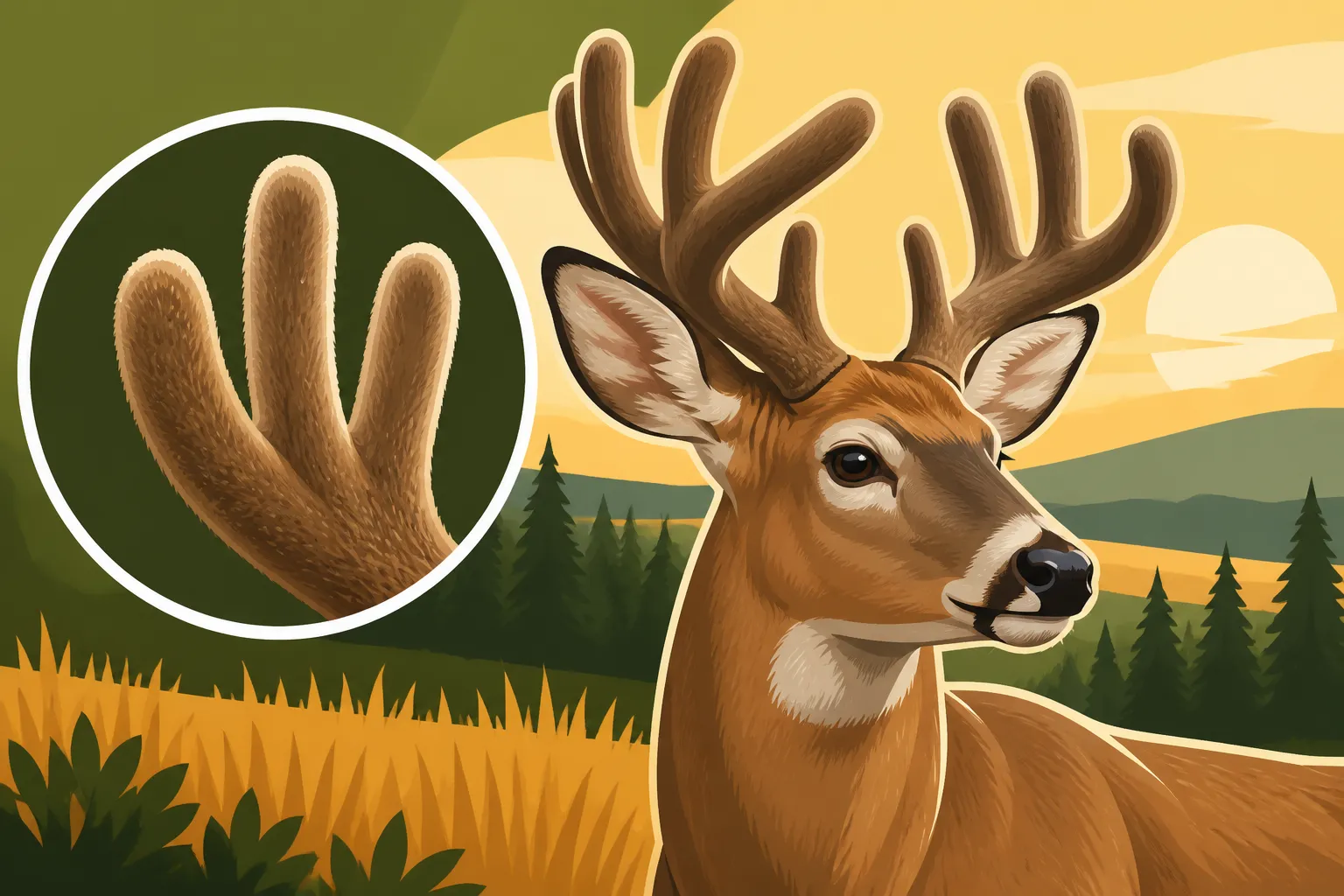
In early August, many Manitoba bucks will have reached, or be very close to reaching, their full antler size for the year. The velvet covering these racks will appear thick, dark, and incredibly plush. It often has a rich, almost black or dark brown sheen, especially after a fresh rain. The individual hairs on the velvet might be visible up close, giving it a soft, velvety texture. Because the antlers are still actively growing and filling out, you might notice that the velvet makes them look even larger and heavier than they actually are. It's like they're wearing a bulky winter coat on their head. The tines will be well-defined, but their tips might appear rounded or blunt due to the covering. You'll also often see blood vessels visible beneath the surface, especially on closer inspection or with good optics, indicating the vibrant blood flow necessary for growth.
Imagine glassing a poplar bluff at first light in the Hunting Manitoba's Parkland Region. You spot a buck feeding on an alfalfa field edge, and through your binoculars, his rack looks immense, dark, and almost fuzzy. That's classic early August velvet. The deer might also appear to move a little more cautiously, often shaking their heads or subtly scratching their antlers on low-hanging branches, not to rub them off, but possibly to relieve an itch or check their sensitivity.
Late August: Signs of Change and Impending Shedding
As August progresses into its latter half, subtle changes start to occur in the velvet. The most noticeable shift is often a slight dulling of its rich color. It might begin to look a bit drier, less vibrant, and even slightly tattered in places. This is a sign that the blood supply to the velvet is starting to constrict, a precursor to the shedding process. You might see small, thin strands of velvet hanging from the bases or tips of the antlers, especially if the buck has been rubbing them gently on saplings or low branches.
This period is often accompanied by an increase in rubbing behavior, though it’s not yet the aggressive rubbing you’d see from a hard-horned buck. Instead, it’s more of a gentle polishing or an attempt to scratch the itch as the velvet begins to die. Bucks might be seen rubbing their antlers on softer vegetation, tall grass, or even their own legs to try and dislodge the itchy, dying tissue. This stage is crucial because it indicates that the buck is very close to shedding his velvet, often within a few days or a week. When you're Scouting a Manitoba Game Hunting Area, paying attention to these subtle changes in velvet condition can give you a real-time update on a buck's development.
Here's a quick comparison of what you might observe in early versus late August:
| Characteristic | Early August Velvet Buck | Late August Velvet Buck |
|---|---|---|
| Appearance | Thick, lush, dark, vibrant, often looks "swollen" | Slightly duller, possibly matted or "stringy" in spots |
| Antler Size | Often still growing, nearing full potential for the year | At or very near full size, growth has mostly ceased |
| Texture | Soft, fuzzy, almost uniform; blood vessels visible | Drier, coarse, may show initial signs of fraying or peeling |
| Behavior | Careful not to bump rack, occasional gentle scratching | Increased gentle rubbing, head shaking to dislodge velvet |
| Sensitivity | Highly sensitive to touch | Still sensitive, but less so as nerve endings die |
| Shedding Timeline | Weeks away from shedding | Days to a week away from shedding |
The Distinction Between Velvet and Hard Horns
It's important to differentiate a velvet buck from a hard-horned buck. Once the velvet is completely shed, the antlers are bone-hard, white or stained brown from rubbing, and often have sharp tips. A hard-horned buck will aggressively rub trees and spar with other bucks. A velvet buck will never have sharp tips (they're covered in sensitive tissue), nor will you see them aggressively raking trees. The transition from velvet to hard horn is usually quite quick, often happening over a period of hours to a couple of days. Many hunters are surprised by how quickly a buck can go from a furry rack to a gleaming, battle-ready set of antlers. This transformation usually coincides with the last week of August or the first week of September in Manitoba, just in time for early archery seasons. You can read more about Why Manitoba Bucks Grow Heavy Bodies and how their nutritional intake impacts this incredible annual growth cycle.
Behavior and Habitat of August Velvet Bucks in Manitoba
August isn't just about how a buck's antlers look; it's also about where they are and what they're doing. Their behavior is often dictated by comfort, food sources, and the need to protect those sensitive, growing racks.
The Quest for Comfort and Sustenance
Manitoba summers, especially August, can be warm and buggy. Bucks in velvet are particularly sensitive to heat and insects. Because their antlers are still growing and heavily vascularized, they can act like radiators, absorbing heat. This often drives them to seek out shaded, cooler areas, especially during the heat of the day. You’ll find them bedding down in thick cover, deep in the bush, often near water sources or in cool, damp low spots. Hunting a Manitoba Bush Edge or a willow run that provides ample shade and a breeze can be a key strategy for scouting these animals.
Food sources are also paramount. Bucks are still in a recovery and growth phase from the previous rut and winter, so they need to consume a lot of high-protein, high-energy forage. In August, this means they'll be heavily utilizing agricultural fields like alfalfa, clover, peas, soybeans, and even early maturing corn. They'll also browse on various woody plants, forbs, and acorns if they're starting to drop. When you're out Scouting With Satellite Imagery in Manitoba, look for those interfaces where thick cover meets prime food sources – that's where you're most likely to find these bachelor groups.
Bachelor Groups and Early Season Patterns
During August, it's very common to find bucks in bachelor groups. These are non-breeding season aggregations of males that often consist of a mix of age classes, from yearlings to mature giants. There's a certain safety in numbers, and these groups will often feed and bed together. They tolerate each other remarkably well during this period, likely because there's no competition for does and their sensitive velvet prevents any serious sparring.
These groups tend to be creatures of habit. They'll establish distinct travel corridors between their bedding areas and preferred feeding grounds. Learning these patterns is gold for early season hunters. They'll often move in the late evening, throughout the night, and again in the early morning, spending the bulk of the day bedded down. If you're planning for Hunting Manitoba's September Archery Opener, understanding these summer patterns is crucial because while they'll eventually break up, knowing where the big bucks were concentrated beforehand gives you a huge advantage. They don't typically move far after shedding velvet, at least initially.
Trail Cam Intel and Scouting Strategy
This is where trail cameras become your best friend. Setting them up on known travel corridors, mineral licks, or field edges where you suspect bucks are feeding can provide invaluable data. You can track individual bucks, observe their antler development, and pinpoint exactly when the velvet starts to get ragged or when they finally shed it. This intel, combined with tools like GoHunt for mapping terrain and property lines, can help you develop a comprehensive scouting strategy. Remember to follow Trail Camera Rules on Manitoba Public Land if you're deploying them on Crown land. By August, you should be checking your cameras regularly to monitor the bucks in your area. You want to see how much mass they've put on, how their tines are developing, and watch for that crucial moment when the velvet begins to shed. This is the last chance to see their full, furry racks before they become hard-horned.
Hunting Considerations for Velvet Bucks (and the Transition)
While most Manitoba deer seasons don't open until after bucks have shed their velvet, understanding this stage is vital for successful hunting. It's all about preparation, scouting, and ethical considerations.
Respecting the Velvet: Ethical Considerations
For many hunters, there's a certain mystique about a velvet buck. Some even prefer to harvest a buck in velvet if their season allows for it (though Manitoba's general archery and rifle seasons typically open after velvet shedding). If you happen to be hunting in an early season that overlaps with the velvet stage, it’s important to remember the sensitivity of their antlers. Avoid anything that might cause undue stress or injury to a buck carrying velvet. This isn't just about legality; it's about respecting the animal during a vulnerable stage of its annual cycle. Also, remember that handling and preserving velvet antlers for a mount can be more challenging and requires immediate special care, as the velvet can quickly spoil and slough off if not properly preserved.
Scouting for the Hard-Horned Season
The real value of observing velvet bucks in August comes in how it informs your strategy for the hard-horned season. As mentioned, bucks often don't move far from their summer core areas immediately after shedding velvet. If you've been monitoring a specific bachelor group of mature bucks through August, there's a high probability they'll be in the same general vicinity when the archery season opens. Knowing their preferred bedding areas, feeding routes, and water sources from their velvet stage gives you a massive head start.
Use the information from your trail cameras and field observations to map out potential stand locations. Look for signs that indicate their impending transformation – light rubbing on small saplings, increased head shaking, or even sightings of bucks with partially shed velvet. This is the time to finalize your stand sites, trim shooting lanes, and make sure your gear is dialed in. Platforms like GoHunt can overlay public land boundaries and topo maps, helping you pinpoint these strategic spots well before the season rush. Pay close attention to Reading Whitetail Sign in Manitoba Aspen as you scout, as these areas often transition from summer hangouts to early season hotbeds.
Anticipating the Shift: Velvet Shed to Rut
The shedding of velvet marks a significant shift in a buck's behavior. Once those antlers are hard, the bachelor groups typically begin to dissolve, and bucks start to become more solitary or form smaller, more competitive pairings. Their focus shifts from growth and comfort to establishing dominance and preparing for the rut. This transition, which usually occurs from late August through early September, sets the stage for the intense activity of the breeding season.
While early September bucks might still be somewhat predictable on food sources, by the time Hunting the Rut in Early to Mid November rolls around, their movements will be far more erratic and driven by the pursuit of does. Understanding the August velvet phase is the first step in tracking a buck's journey through the entire hunting season. It's a foundational piece of the puzzle that helps you predict where they'll be, what they'll be doing, and how to effectively hunt them once they've shed that furry crown. Knowing What a Big Manitoba Whitetail Weighs and how their rack develops through this period only adds to the appreciation of these incredible animals.
Conclusion: August – A Time of Anticipation
Observing a velvet buck in August in Manitoba is a truly special experience for any deer hunter. It's a snapshot of incredible natural growth, a testament to the resilience and biological marvel of the whitetail deer. From the thick, plush velvet of early August to the slightly tattered edges hinting at the impending shed in late August, each phase offers unique insights.
For the diligent hunter, this period is less about hunting and more about intense scouting and observation. It's about using every tool at your disposal, from trail cameras to mapping apps like GoHunt, to understand the local deer population. Pinpointing where the big bucks are spending their summer, identifying their travel routes, and watching for the subtle cues of velvet shedding provides an unparalleled advantage for the upcoming archery and rifle seasons. So, get out there, glass those field edges, hike those bush trails, and soak in the beauty of the August velvet buck. It's a crucial chapter in the yearly whitetail story, and understanding it makes you a more knowledgeable and ultimately, a more successful hunter.
Disclaimer
This article is for general informational purposes only and does not constitute professional advice. Laws, prices and regulations vary by location and change over time. Consult a qualified professional for guidance on your specific situation.