What Bovine Tuberculosis Means for Hunters
For many of us who cherish the hunt in Manitoba, hearing about diseases like Bovine Tuberculosis (BTB) can stir up a lot of questions and sometimes, a little anxiety. It's perfectly natural to wonder what this means for the health of our deer and elk herds, the safety of the meat we bring home, and how it might impact our hunting seasons. This guide is here to cut through the confusion, offering clear, practical insights into what BTB is, how to identify it, and what your role as a responsible hunter truly entails when it comes to this important wildlife health issue.
Understanding Bovine Tuberculosis: What It Is and Its Footprint in Manitoba
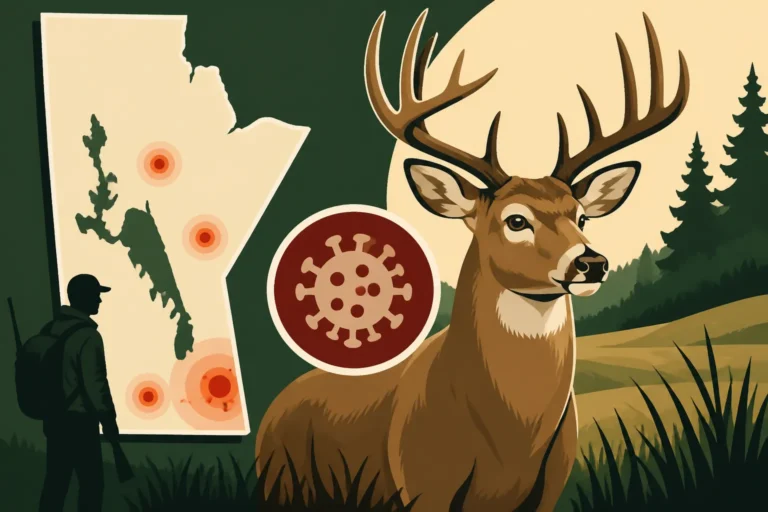
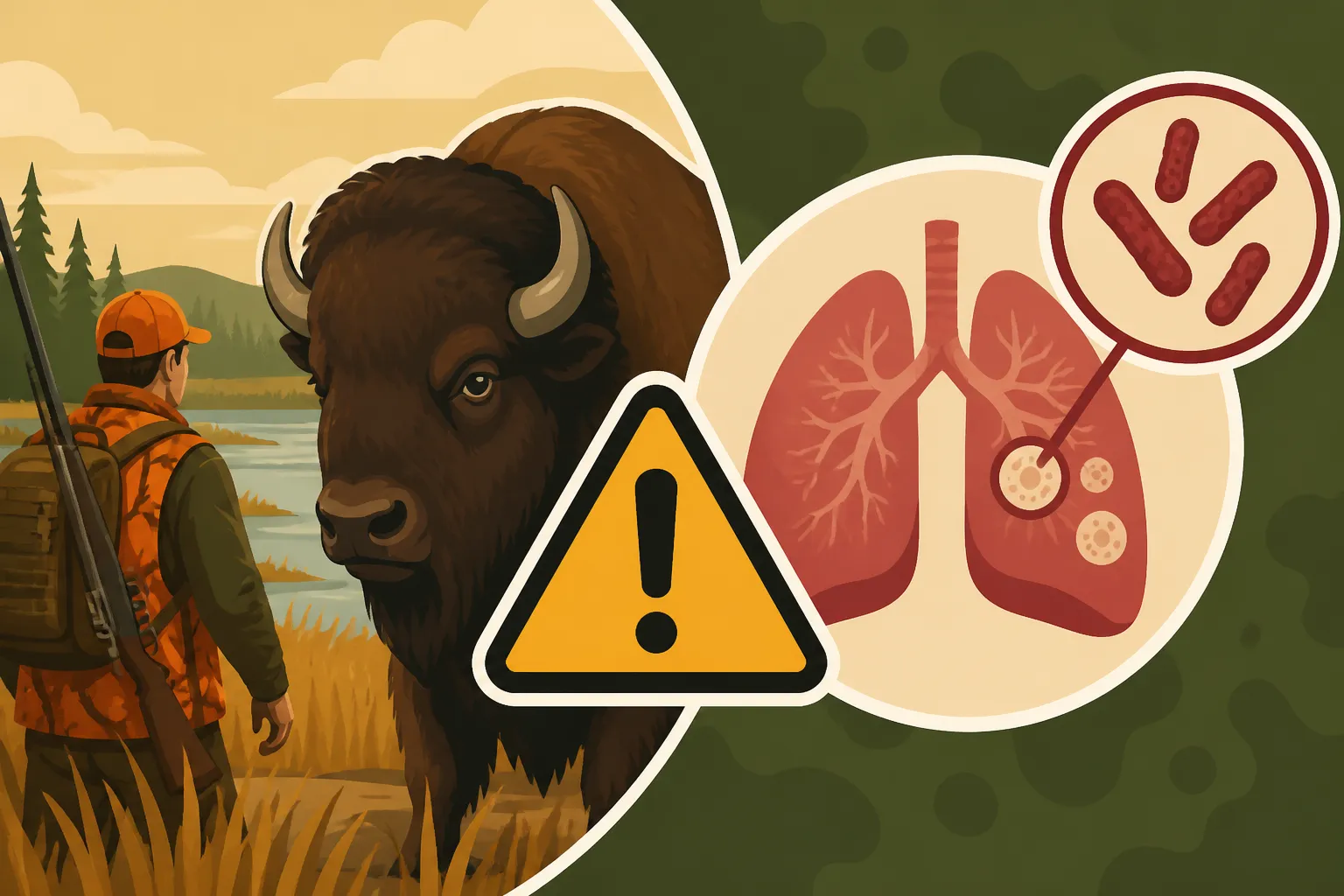
Bovine Tuberculosis (BTB), caused by the bacterium Mycobacterium bovis, is one of those topics that can sound a bit daunting, but really, it's something we, as hunters, need to be aware of. It’s a chronic, infectious disease that primarily affects cattle, but it can also be found in a wide range of other mammals, including wildlife species like white-tailed deer, elk, and even bison. For us in Manitoba, the most significant concern has historically revolved around the areas surrounding Riding Mountain National Park, where BTB has been identified in wild deer and elk populations. This isn't a new problem; it's something wildlife managers and hunters have been working with for years.
How BTB Spreads Among Wildlife and Livestock
The transmission of BTB is primarily through the respiratory route, meaning animals can infect each other by coughing or sneezing, expelling bacteria into the air that other animals then inhale. It can also spread through shared feed and water sources contaminated with infected saliva, urine, or feces. Imagine a group of deer congregating at a popular feeding site, or elk sharing a watering hole – these are prime opportunities for transmission. For hunters, this is why understanding herd dynamics and wildlife movements, especially in areas with known BTB presence, becomes important. The bacteria can persist in the environment for a period, making contaminated areas a potential risk for new infections.
The concern also extends to livestock, as BTB can jump from wild populations to domestic cattle herds. This is a huge worry for ranchers, and it's why there are strict protocols in place to monitor and manage the disease. As hunters, being aware of the interface between wild game and domestic animals, particularly on farmland adjacent to park boundaries or known BTB areas, adds another layer to our responsibility. We're not just taking an animal; we're part of a larger ecosystem where our actions can have broader implications.
BTB's Impact on Game Animal Health and Populations
While BTB can be a serious disease, its effects on wild game animals vary. Some animals might carry the infection with very few noticeable symptoms, acting as silent carriers. Others might develop more severe disease, with lesions forming in their lungs, lymph nodes, and other organs. Over time, these lesions can compromise an animal's health, leading to weight loss, lethargy, and a general decline in condition. This can make them more vulnerable to other diseases or predators.
From a population standpoint, severe BTB outbreaks can potentially impact herd health and reproductive success, although large-scale die-offs directly attributable to BTB in Manitoba's wild populations are generally not the primary concern. Instead, it's more about the chronic presence of the disease and its potential to weaken individuals within a herd. This is why careful monitoring and hunter cooperation are so valuable. Every piece of information collected helps wildlife biologists understand the prevalence and spread, and ultimately, helps manage the overall health of our cherished game species.
Recognizing the Signs: What to Look for in the Field and During Processing
The most direct way a hunter might encounter Bovine Tuberculosis is by recognizing its signs in a harvested animal. This isn't about panicking, but about being informed and observant. Knowing what to look for, especially if you're hunting in or near known BTB zones, empowers you to make responsible decisions about your harvest. Most often, the signs are found during field dressing, when you're already inspecting the internal organs.
Visual Clues in Organs and Lymph Nodes
When you're field dressing, pay particular attention to the lymph nodes, especially those in the chest cavity, around the lungs, and in the head and neck region. These are often the first places to show visible signs of BTB. What you're looking for are abnormal growths or lesions. These lesions can vary in size and appearance; they might be small, pea-sized nodules, or larger, more irregular masses. They can be firm to the touch, and when cut open, they might reveal a gritty, yellowish, or caseous (cheese-like) material, which can sometimes be calcified.
Beyond the lymph nodes, closely examine the lungs. Look for any unusual spots, lumps, or areas of consolidation. The liver and spleen are also worth a quick once-over, though lesions in these organs tend to be less common than in the lymph nodes and lungs. Remember, not every bump or discoloration is BTB, but anything that looks unusual should raise a flag for further inspection or reporting. Tools like GoHunt can help you determine if you're in an area that has heightened surveillance for diseases like BTB, prompting extra vigilance.
Differentiating BTB from Other Conditions
It's easy to get a little worried when you see something unexpected while field dressing, and it's true that other conditions can cause lesions or abnormalities in game animals. For example, parasitic cysts, old injuries, or even other bacterial infections can present with similar-looking growths. This is why it's so important not to jump to conclusions, but rather to methodically examine the animal. Generally, BTB lesions tend to be more widespread and progressive, often affecting multiple lymph nodes and organs, particularly in the chest.
If you find a single, isolated cyst, it's less likely to be BTB than if you find multiple, distinctive, caseous lesions in several lymph nodes and organs. A healthy animal, even one that's been through a tough winter, generally won't have widespread internal lesions. That said, if you're ever in doubt, the best course of action is always to err on the side of caution. Don't try to self-diagnose beyond a reasonable field assessment; instead, prepare to report your findings and seek expert advice.
Hunter Responsibilities: Protecting Yourself and Other Wildlife
As hunters, we hold a unique and critical position in wildlife management and conservation. Our time in the field, our observations, and our adherence to responsible practices are invaluable in managing diseases like BTB. It’s not just about taking an animal; it's about being an active participant in maintaining healthy ecosystems.
Safe Field Dressing and Carcass Handling Practices
When you're field dressing an animal, especially in an area where BTB is a known concern, practicing good hygiene is paramount. Always wear disposable gloves – this isn't just for BTB, but for any potential pathogens. Avoid contaminating the meat with intestinal contents or other fluids. If you notice any suspicious lesions, try to keep those affected tissues separate and avoid excessive contact with other parts of the carcass. Meat Care in Manitoba's Cold Snaps is usually about keeping things from freezing too fast, but the principles of cleanliness apply year-round.
After you've finished field dressing, make sure to thoroughly clean your hands, knives, and any other tools you used. A bleach solution or a strong disinfectant can help. Dispose of any suspect offal and contaminated gloves responsibly. Do not just leave them scattered where other wildlife or domestic animals can access them. Burying them deeply or double-bagging and taking them to a proper waste disposal site is the best practice. This minimizes the chance of disease transmission to other animals that might scavenge the site, and it’s just generally good etiquette.
Reporting Suspected Cases
If you harvest an animal and find signs that make you suspect BTB, the absolute most important thing you can do is report it. Don't hesitate. Contact your local conservation officer or the provincial wildlife health professionals. They are the experts, and they rely on hunters to be their eyes and ears in the field. Be prepared to provide details about where and when the animal was harvested, what you observed, and if possible, keep the affected tissues for examination.
While waiting for instructions, do not consume any part of the animal that appears diseased. In fact, if you find significant lesions, it's often best to hold off on consuming any of the meat until you get guidance. Reporting helps scientists track the disease, understand its spread, and implement effective management strategies. Your report isn't just about one animal; it contributes to the health of entire herds and to the broader ecosystem. It's a key part of our conservation ethic.
Meat Safety and Consumption Guidelines
So, you've harvested an animal, and perhaps you found some suspicious signs, or maybe you're just hunting in a known BTB area and want to be extra cautious. The good news is that consuming thoroughly cooked meat from an infected animal is generally considered safe. The BTB bacteria are heat-sensitive and are destroyed by proper cooking. However, the key phrase here is thoroughly cooked. This means no rare steaks from a suspect animal.
The primary risk to humans from BTB comes from handling infected tissues (hence the gloves) and consuming raw or undercooked meat or unpasteurized milk from infected animals. If an animal shows signs of BTB, any obviously diseased tissues should be trimmed away and discarded. The remaining meat should be cooked to an internal temperature of at least 160°F (71°C) to ensure any bacteria are destroyed. Again, if there are extensive lesions, or you're simply uncomfortable, contacting wildlife officials for advice is always the best option. They might ask for the entire carcass for testing, in which case you might even be eligible for a replacement tag.
Hunting in BTB-Affected Areas: Navigating Regulations and Ethical Considerations
Hunting in areas where Bovine Tuberculosis is known to occur, such as around Riding Mountain National Park and certain surrounding Game Hunting Areas (GHAs), requires a heightened sense of awareness and adherence to specific guidelines. It's not about avoiding these areas entirely, but about hunting them intelligently and responsibly.
Understanding Designated BTB Management Zones
Manitoba has established specific BTB management zones, particularly around the core areas where the disease is known to be endemic in wildlife. These zones often have particular regulations designed to help control the spread of the disease. This might include specific instructions for carcass disposal, mandatory testing requirements, or even adjusted hunting seasons or bag limits for certain species. For example, understanding Manitoba's Game Hunting Areas is crucial, as regulations can vary significantly from one GHA to another, especially in a BTB-sensitive zone.
Before heading out, always consult the most current Manitoba hunting guide and any advisories for the specific GHA you plan to hunt. Websites like GoHunt might offer GHA boundary information that can be cross-referenced with provincial advisories. Knowledge is your best tool here. Being aware of the boundaries and what’s expected of you as a hunter in those areas demonstrates respect for the wildlife, the land, and the local livestock producers.
Mandatory Testing and Carcass Disposal Requirements
In designated BTB management zones, there may be mandatory submission requirements for BTB testing, similar to how Manitoba's CWD Sampling Requirements work for chronic wasting disease. This usually involves submitting specific tissues, often lymph nodes, from harvested animals for laboratory analysis. These programs are vital for monitoring the prevalence of the disease and understanding its distribution. You’ll be provided with instructions on how to collect and submit samples, and where drop-off points are located.
Proper carcass disposal is another critical aspect. In these areas, you generally cannot just leave gut piles where they might be accessed by scavengers, which could then potentially spread the disease. Instructions might include burying gut piles deeply on site, or in some cases, requiring the entire carcass to be transported to a designated collection facility. This minimizes the risk of environmental contamination and helps break the cycle of transmission. If you plan to transport your game, also be mindful of Transporting Game Meat in Manitoba rules, especially when moving out of a BTB zone.
Ethical Considerations for Hunters
Beyond the regulations, there are ethical considerations that come into play when hunting in a BTB zone. As conservationists, we want healthy wildlife populations. By cooperating with testing programs and following disposal guidelines, we are directly contributing to the long-term health of these herds. This commitment goes beyond simply filling a tag.
It's also about being mindful of the larger community. Respect for landowners, especially those with livestock, means understanding their concerns about disease transmission. Being transparent about your hunting location and adherence to safe practices can help build trust and foster better landowner-hunter relations. Ultimately, our collective efforts as hunters are a powerful force for responsible wildlife stewardship, and facing challenges like BTB head-on with knowledge and integrity is part of that responsibility.
Long-Term Outlook: How Hunters Contribute to Management
The challenge of Bovine Tuberculosis in Manitoba's wildlife populations is complex, with no easy solutions. However, the role of hunters in its long-term management and the overall health of our game species is incredibly significant. Our participation, combined with scientific research and proactive management strategies, forms the backbone of success.
Hunter Participation in Surveillance Programs
Think of us, the hunting community, as the front-line sentinels for wildlife health. Every time we're in the bush or on the prairie, we're observing. Our participation in surveillance programs, whether mandatory or voluntary, provides invaluable data that wildlife biologists could never gather on their own. When you submit a sample for BTB testing, you're not just complying with a rule; you're providing a piece of the puzzle that helps map the disease, understand its prevalence, and inform future management decisions.
This collaborative approach is essential. The more data points collected from diverse geographic areas and different species like White-Tailed Deer, Manitoba's Most Hunted Animal or Manitoba's Elk Herds and Their Range, the clearer the picture becomes. This information allows wildlife agencies to adapt hunting regulations, target specific management actions, and better protect both wild and domestic animals. Your contribution is truly a cornerstone of these efforts.
The Influence of Management on Hunting Opportunities
Wildlife management decisions regarding BTB can directly influence hunting seasons and opportunities. In areas where BTB prevalence is high or there's a risk of spread to livestock, managers might implement measures like specific harvest targets, extended seasons for antlerless animals, or even temporary closures. While these changes can sometimes be frustrating, they are made with the goal of reducing disease transmission and promoting healthier herds in the long run. Even specific closures related to other diseases, such as Manitoba's Moose Conservation Closures, show that wildlife health often dictates hunting access.
For instance, selective harvesting might be encouraged to reduce herd density in certain areas, which can help slow disease transmission. While we all want robust hunting opportunities, we also want healthy game. Understanding the 'why' behind these regulations can help us appreciate their necessity and adapt our hunting plans accordingly. Our flexibility and cooperation allow wildlife managers to use hunting as a tool for conservation, not just recreation.
Hope for the Future and Continued Vigilance
While BTB is a persistent challenge, there's reason for optimism. Continuous research, improved testing methods, and dedicated management efforts are all working towards reducing its impact. The strong partnership between wildlife agencies, livestock producers, and the hunting community is crucial. It’s not about eradicating BTB overnight, which is a monumental task, but about managing its prevalence to protect animal health and ensure sustainable hunting for generations to come.
Our continued vigilance, commitment to responsible practices, and willingness to report anything unusual are the best weapons we have. By staying informed, following guidelines, and actively participating in conservation efforts, we uphold our tradition of stewardship and ensure that Manitoba's rich hunting heritage remains vibrant and healthy.
Key Actions for Hunters Regarding Bovine Tuberculosis
| Area of Concern | What to Look For | Recommended Action |
|---|---|---|
| Field Dressing | Abnormal lesions, lumps, or nodules in organs (lungs, liver, spleen) and lymph nodes. | Wear disposable gloves. Isolate affected tissues. Clean knives and hands thoroughly with disinfectant. |
| Suspicious Findings | Yellowish, gritty, or cheese-like material inside lesions. Multiple affected lymph nodes. | Do not consume suspect meat. Preserve affected tissues if possible (double-bagged and kept cool). |
| Reporting | Any confirmed or strongly suspected BTB signs. | Immediately contact a local conservation officer or provincial wildlife health unit. Provide details of harvest and observations. |
| Carcass Disposal | Gut piles and other offal, especially in BTB management zones. | Bury gut piles deeply on-site where allowed, or follow specific provincial guidelines for collection/disposal. |
| Meat Consumption | Meat from an animal with suspected or confirmed BTB. | Trim away any diseased tissue. Cook remaining meat thoroughly (160°F / 71°C internal temperature) before consumption. |
| Pre-Hunt Prep | Current regulations and advisories for your hunting area. | Consult the latest Manitoba hunting guide. Check for specific BTB management zone rules for your GHA. |
Disclaimer
This article is for general informational purposes only and does not constitute professional advice. Laws, prices and regulations vary by location and change over time. Consult a qualified professional for guidance on your specific situation.