Manitoba’s CWD Positive Numbers
The rise of Chronic Wasting Disease (CWD) is a topic that weighs heavily on the minds of many hunters across Manitoba. It's truly disheartening to see this disease creeping into new areas, and it understandably raises a lot of questions and concerns about the health of our deer herds and the future of hunting. This guide aims to shed light on CWD's presence in our province, what positive numbers mean for hunters, and what we can all do to help manage this complex challenge.
What Exactly is Chronic Wasting Disease and Why Should Hunters Care?
Chronic Wasting Disease is a serious, fatal neurological disease that affects cervids – that's deer, elk, moose, and caribou. It's not bacterial or viral, but caused by abnormal proteins called prions. For hunters, understanding CWD isn't just about protecting the animals we cherish; it's about protecting the hunting heritage we value and the safety of the meat we bring home.
The Basics of CWD and How it Spreads
Imagine a microscopic, rogue protein that can transform normal proteins in an animal's brain into more rogue proteins. That's essentially what a prion does. These abnormal prions accumulate, causing spongy holes in the brain, leading to severe neurological symptoms like emaciation (wasting), abnormal behaviour, drooling, and ultimately, death. The really tricky part about CWD is how it spreads. It's primarily transmitted through direct animal-to-animal contact, but also indirectly through the environment. Infected animals shed prions through saliva, urine, and feces, which can then contaminate soil, plants, and water, remaining infectious for years. This environmental persistence makes CWD incredibly challenging to contain once it's established in an area. There's no vaccine, no treatment, and it's always fatal.
Why CWD is a Game Changer for Manitoba Hunting
For decades, Manitoba's whitetail herds have been a source of pride and incredible hunting opportunities. When CWD shows up, it casts a long shadow. The potential for long-term population decline, especially in our robust whitetail numbers, is a real concern. Hunters worry about the health of the animals they pursue, and naturally, there are questions about the safety of consuming meat from CWD-positive animals. While public health agencies advise against consuming meat from CWD-positive animals, there's currently no evidence of CWD transmitting to humans. However, the uncertainty itself is enough to make any hunter pause. It changes how we think about sharing our hunting stories, processing our harvests, and even how we scout and hunt. Suddenly, every deer, every GHA, every decision, carries a bit more weight.
Understanding CWD Detection in Manitoba: Where and How It's Monitored
Manitoba has been actively monitoring for CWD for many years, understanding the threat posed by its presence in neighbouring jurisdictions. When the first positive cases were confirmed here, it marked a significant shift in our approach to game management and hunter responsibilities.
The Geographical Spread of CWD in Manitoba
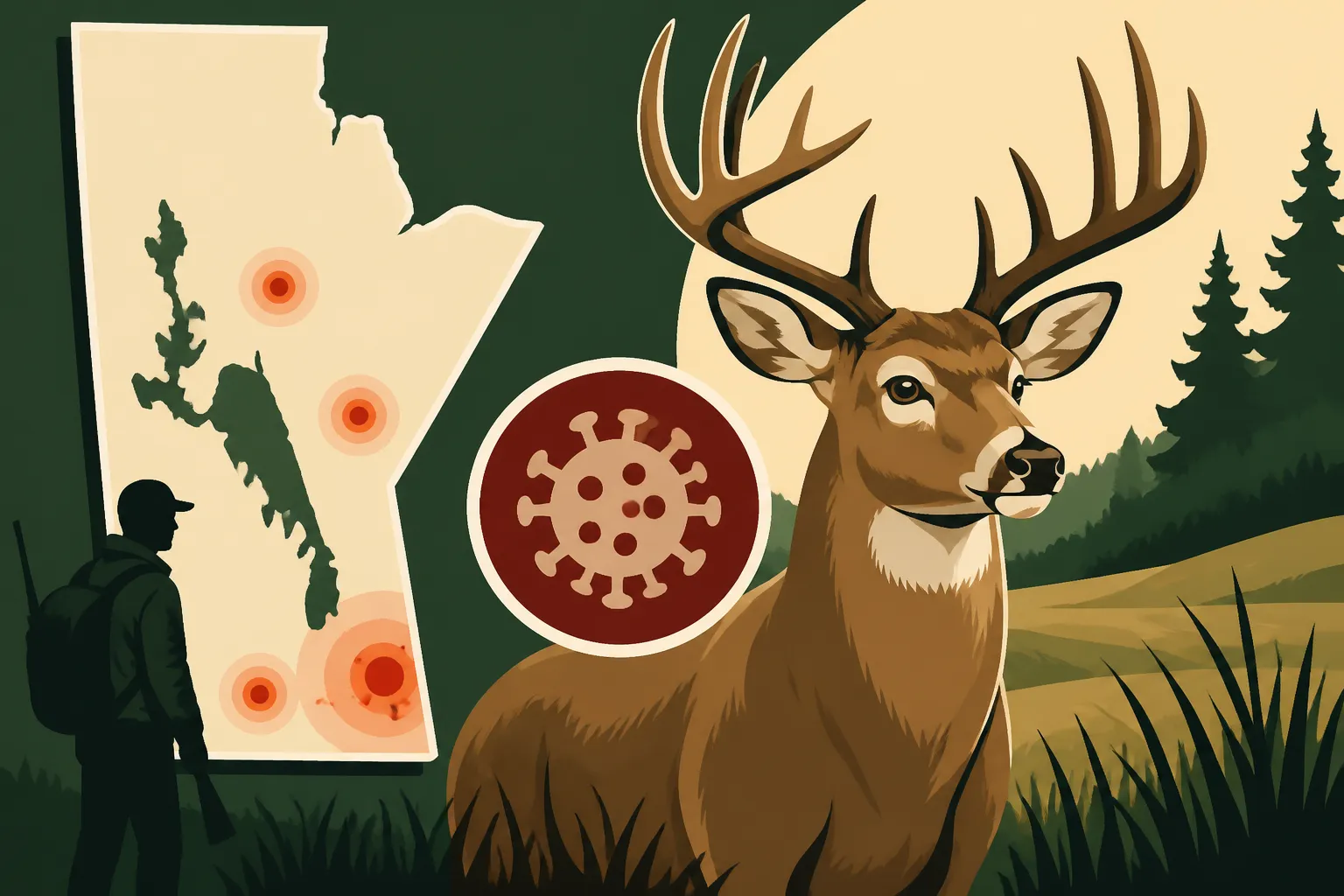
When CWD is detected, it's usually in specific Game Hunting Areas (GHAs). These initial detections trigger heightened surveillance efforts. While I can't give you current, precise numbers or a real-time map, the key takeaway is that detections are not random. They often occur in areas with active monitoring, and in regions bordering other provinces where CWD has been established for longer. The goal of continuous surveillance is to understand the extent of the spread and identify potential hotspots. This information is vital for wildlife managers to implement targeted strategies. Tools like GoHunt can be incredibly useful for hunters to quickly identify which specific GHAs are affected by CWD management actions, helping them plan their hunts accordingly. Always consult the official provincial hunting guide for the most up-to-date GHA information.
Manitoba's Mandatory CWD Sampling Requirements
One of the most crucial tools in managing CWD is active surveillance through hunter-submitted samples. In certain GHAs, particularly those where CWD has been detected or those deemed high-risk, mandatory CWD sampling becomes a requirement for hunters harvesting deer, elk, or moose. This isn't just a suggestion; it's a critical part of our collective effort to understand and combat the disease. Hunters are typically required to submit the head of their harvested animal (specifically the brain stem and lymph nodes are tested) at designated drop-off locations within a specific timeframe. The process is straightforward, and wildlife officials provide clear instructions on how to properly collect and submit your sample. It's a small inconvenience for a huge gain in data that helps protect our herds. Without hunter cooperation, tracking CWD would be nearly impossible. You can find detailed information on these requirements, including specific GHAs, drop-off locations, and deadlines, in the provincial hunting regulations or by checking resources that compile this information, such as what you might find on GoHunt when researching specific hunt areas. For more details, check out Manitoba's Mandatory CWD Sampling GHAs.
How Manitoba Responds to Positive CWD Detections
When a CWD positive animal is detected, it's not taken lightly. The province typically responds with a multi-faceted approach. Firstly, the immediate area surrounding the detection becomes a focal point for increased surveillance. This often means more mandatory sampling requirements in that specific GHA and adjacent areas. Secondly, strict carcass transportation and disposal regulations are often put in place for these zones. This prevents hunters from inadvertently spreading prions to new areas if they've harvested an infected animal. This might include restrictions on moving whole carcasses out of certain GHAs, requiring certain parts (like spinal columns or brains) to be left behind, or even requiring hunters to process their animals within the detected zone. Finally, wildlife managers may consider special hunting opportunities, such as extended seasons or increased bag limits for antlerless deer, in affected areas to help manage deer populations and reduce potential disease transmission. These measures are designed to limit further spread and protect the long-term health of Manitoba's wild cervid populations.
The Broader Impact: CWD on Manitoba's Deer Herds and Hunting Culture
CWD isn't just about a few positive tests; it's about the potential for fundamental shifts in our wildlife populations and how we interact with them. The implications for Manitoba's hunting future are significant, and it requires a proactive and informed community response.
Potential Long-Term Effects on Deer Populations
The long-term effects of CWD on deer populations can be devastating. While it's a slow-moving disease, over time, it can lead to significant population declines in affected areas. We've seen this play out in other jurisdictions where CWD has been present for longer. It can alter age structures, as older, more vulnerable animals succumb to the disease. It can also impact reproductive rates indirectly as sick animals become less robust. The thought of once-thriving whitetail herds becoming sparse is a nightmare for any hunter. The uncertainty can also affect herd health beyond just deer, as other cervids like moose and elk are also susceptible. Why Manitoba Deer Numbers Swing is already a complex topic, and CWD adds another layer of challenge to maintaining healthy, sustainable populations.
Changes to Hunting Regulations and Practices
CWD forces wildlife managers to rethink traditional hunting regulations. This can mean changes to bag limits, season lengths, and even the types of animals that can be harvested in specific GHAs. For example, if managers aim to reduce deer density in an infected area, you might see increased antlerless deer tags or extended seasons. There could also be new rules regarding baiting or feeding, as these practices can concentrate animals and potentially facilitate disease transmission. Hunters might also find themselves needing to adjust their own practices, such as choosing where they hunt based on CWD prevalence or investing in portable processing equipment to avoid transporting whole carcasses. Staying updated on Manitoba Big Game Season Dates and GHA-specific regulations is more important than ever.
Hunter Responsibility and Community Engagement
Hunters are undeniably on the front lines of CWD detection and management. Our commitment to responsible hunting is paramount. This means more than just following the rules; it means being vigilant. If you see a deer that looks sick – disoriented, unusually thin, drooling excessively, or acting abnormally – it's crucial to report it to wildlife officials immediately. This early detection can be key to preventing broader spread. Participating in mandatory CWD sampling, understanding and adhering to carcass transport regulations, and properly disposing of processing waste are all vital contributions. It also means educating ourselves and our fellow hunters. Knowledge is our best defense, and organizations like GoHunt can provide valuable resources to help hunters stay informed and connected with the latest information and regulations. This is a challenge that requires a strong community effort, and hunters are at the heart of that solution.
Practical Steps for Hunters: Navigating the CWD Landscape
Dealing with CWD can feel overwhelming, but there are practical, actionable steps every hunter can take to minimize risk, contribute to monitoring efforts, and continue to enjoy hunting in Manitoba safely and responsibly.
Safe Carcass Handling and Meat Preparation
Even if you harvest an animal in a GHA where CWD hasn't been detected, it's always wise to practice safe carcass handling. When field dressing, minimize contact with the brain and spinal cord, as these are the tissues where CWD prions are most concentrated. Wear gloves, and wash your hands and tools thoroughly with soap and water afterward. When processing at home or at a butcher, consider having the animal tested for CWD if you have any concerns or if it was harvested in a high-risk area. If you process it yourself, avoid consuming brain, spinal cord, eyes, spleen, tonsils, and lymph nodes. These are the parts typically tested, and removing them from your plate is a simple, effective precaution. Always wait for test results before consuming meat from a CWD-sampled animal.
Responsible Carcass Disposal
Improper carcass disposal is one of the most critical pathways for CWD spread. If an infected carcass or its parts are left in the environment, those prions can persist in the soil for years, continuing to infect other cervids. This is why strict rules on carcass disposal are in place in CWD-affected GHAs. Always check the regulations for your specific hunting area. Generally, you should leave high-risk parts (brain, spinal cord, eyes, spleen, lymph nodes) at the harvest site, or dispose of them in a licensed landfill that accepts animal waste. Never dispose of carcasses or parts in ditches, culverts, or on public lands where other animals might come into contact with them. Burying them deeply or double-bagging and taking them to an approved landfill are the best practices.
Staying Informed and Using Resources
The CWD situation is dynamic, with new information and regulations being updated regularly. It's imperative for hunters to actively seek out the latest official information before heading into the field. The provincial government's wildlife branch website is the definitive source for current CWD detection areas, mandatory sampling requirements, and carcass disposal guidelines. Many hunters also find platforms like GoHunt invaluable for keeping all their hunting information, including regulatory updates, in one accessible place. Checking these resources before each hunt, and certainly before processing your animal, is not just a good idea – it's a necessary part of responsible hunting in today's landscape. Familiarize yourself with Where to Read the Manitoba Hunting Guide to ensure you're always operating with the most current knowledge.
Disclaimer
This article is for general informational purposes only and does not constitute professional advice. Laws, prices and regulations vary by location and change over time. Consult a qualified professional for guidance on your specific situation.