What Delta Marsh Means to Waterfowl
The Delta Marsh, a sprawling wetland complex nestled on the southern shore of Lake Manitoba, is far more than just a large body of water; it's an ecological anchor and a legendary destination for anyone passionate about waterfowl. For generations, hunters, birdwatchers, and conservationists alike have recognized its immense importance, but understanding why it holds such a special place for ducks and geese, and indeed for all of us who cherish these wild creatures, means diving into its unique geography, rich biodiversity, and deep-rooted history. This guide will help you grasp the profound impact Delta Marsh has on migratory birds and what it continues to mean for the vibrant tradition of Manitoba hunting.
The Ecological Significance of Delta Marsh
Imagine a place that acts as a bustling international airport for birds, a safe haven where countless waterfowl can refuel, rest, and raise their young before continuing their epic journeys. That's precisely what Delta Marsh represents. Its sheer size and strategic location make it an indispensable part of the North American Central Flyway, drawing in birds from across the continent. Without this critical wetland, the health and resilience of many waterfowl populations would be severely compromised.
A Vital Waterfowl Nursery
Delta Marsh isn't just a pit stop; it's a massive maternity ward for ducks. When spring arrives, the air buzzes with activity as dabbling ducks like mallards, northern pintails, and gadwalls, along with diving ducks such as canvasbacks and redheads, arrive to breed. The marsh provides an abundance of food sources, from aquatic invertebrates to lush vegetation, which are crucial for hens to lay healthy clutches of eggs and for ducklings to grow quickly. You'll see broods of tiny, fluffy ducklings trailing behind their mothers through the reeds, a testament to the marsh's productivity. This rich environment supports some of the highest breeding densities of certain duck species in North America, making it an irreplaceable part of their life cycle. A hunter out in early September for Hunting Manitoba's September Archery Opener might stumble upon these late-season broods, marveling at the sheer volume of new life the marsh has produced.
A Key Migration Staging Area
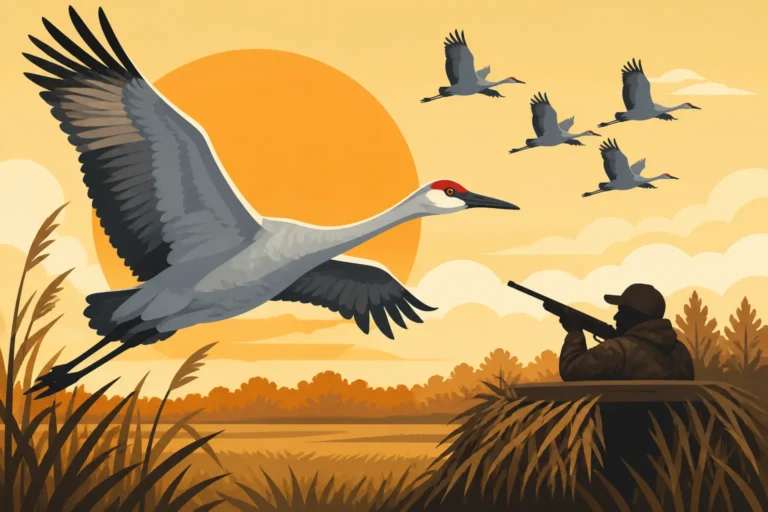
As summer wanes and the days shorten, Delta Marsh transforms into a crucial staging area for the fall migration. Birds that bred here, along with millions of others from the far north, converge on the marsh to fatten up for the long journey south. It becomes a massive cafeteria offering a buffet of energy-rich seeds and tubers. Picture the scene: thousands upon thousands of ducks lifting off the water at dawn, their wings beating a rhythmic thunder, or the guttural calls of migrating Canada Geese filling the twilight sky. It’s an awe-inspiring spectacle. This pre-migration fueling is vital for their survival, providing the energy needed to cross vast distances and withstand the rigors of winter. Many hunters carefully monitor these staging patterns, often checking platforms like GoHunt for historical satellite imagery to identify preferred feeding areas that might still hold birds.
The Diverse Habitats Within Delta Marsh
What makes Delta Marsh so incredibly effective as a waterfowl haven isn't just its size, but the intricate mosaic of habitats it offers. It's not one monolithic wetland, but a complex tapestry of open water, dense vegetation, and adjacent agricultural lands, each playing a critical role in supporting different species at various stages of their lives. This diversity is the engine that drives its ecological productivity.
Emergent Vegetation and Open Water
The marsh is characterized by vast expanses of emergent vegetation, dominated by cattails and bulrushes, which provide essential cover for nesting, rearing young, and escaping predators. These dense stands create a labyrinth of channels and hidden ponds, perfect for a hen to lead her ducklings safely. Interspersed with these vegetated areas are large stretches of open water, vital for diving ducks like canvasbacks and redheads, who prefer deeper water for feeding on submerged aquatic plants. This combination offers both security and sustenance, a perfect balance for the diverse needs of waterfowl. You might be Hunting a Delta Marsh Style Wetland and find yourself tucked into a blind, waiting for the whistle of wings as birds navigate these natural corridors.
Upland Nesting Cover and Adjacent Farmland
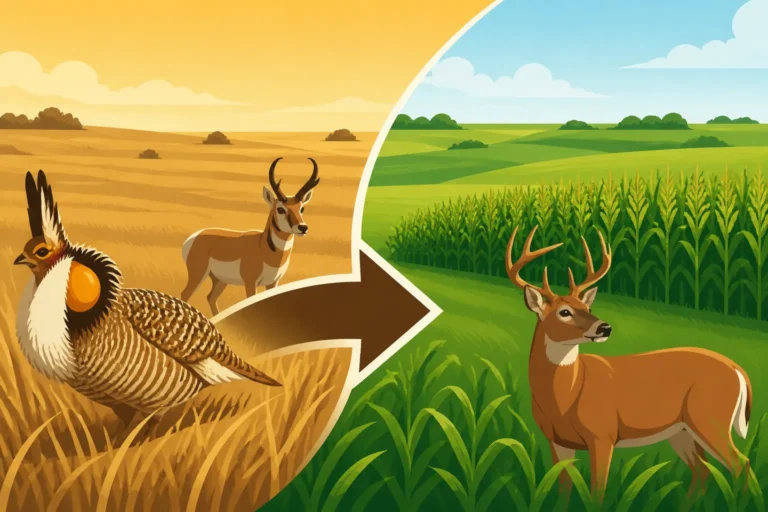
The story of Delta Marsh extends beyond its immediate watery boundaries. The adjacent uplands, consisting of grasslands and agricultural fields, are equally important. Many duck species, particularly mallards and pintails, prefer to nest in dense cover on dry land, sometimes several miles from water, making their nests vulnerable to predation without adequate cover. These upland areas provide crucial nesting habitat, increasing nesting success rates. Furthermore, the surrounding farmland, with its stubble fields of corn, barley, and wheat, offers an irresistible food source for migrating geese and dabbling ducks. After a morning of feeding in the marsh, you'll often see thousands of geese fly out to the fields to graze, making them prime targets for Field Hunting Geese in Manitoba Stubble. Hunters often use tools like GoHunt to scout these agricultural zones, looking for patterns of bird activity and potential access points.
Manitoba's Hunting Heritage and Delta Marsh
Delta Marsh isn't just a biological hotspot; it's a cultural touchstone for Manitoba hunters. For well over a century, its waters and skies have called to waterfowlers, shaping traditions and fostering a deep appreciation for conservation. The legacy of hunting here runs deep, intertwined with the very fabric of the community, creating stories passed down through generations.
Generations of Waterfowling Tradition
The history of waterfowling at Delta Marsh is legendary, stretching back to the late 19th and early 20th centuries when market hunters supplied waterfowl to burgeoning cities. While those days are long past, the spirit of the hunt endures. Generations of families have learned to call ducks, set decoys, and read the weather in this marsh. My own grandfather told me stories of days spent in crudely built blinds, watching the skies fill with birds. It’s a place where lifelong friendships are forged, and where the rhythmic calls of ducks and geese become the soundtrack of autumn. The expertise required to navigate the marsh, understand bird patterns, and execute a successful hunt here is often gained over decades, shared from seasoned veterans to eager newcomers, keeping the Manitoba Hunting Licences and What They Cost worth every penny for this experience.
Modern Hunting Pressure and Strategies
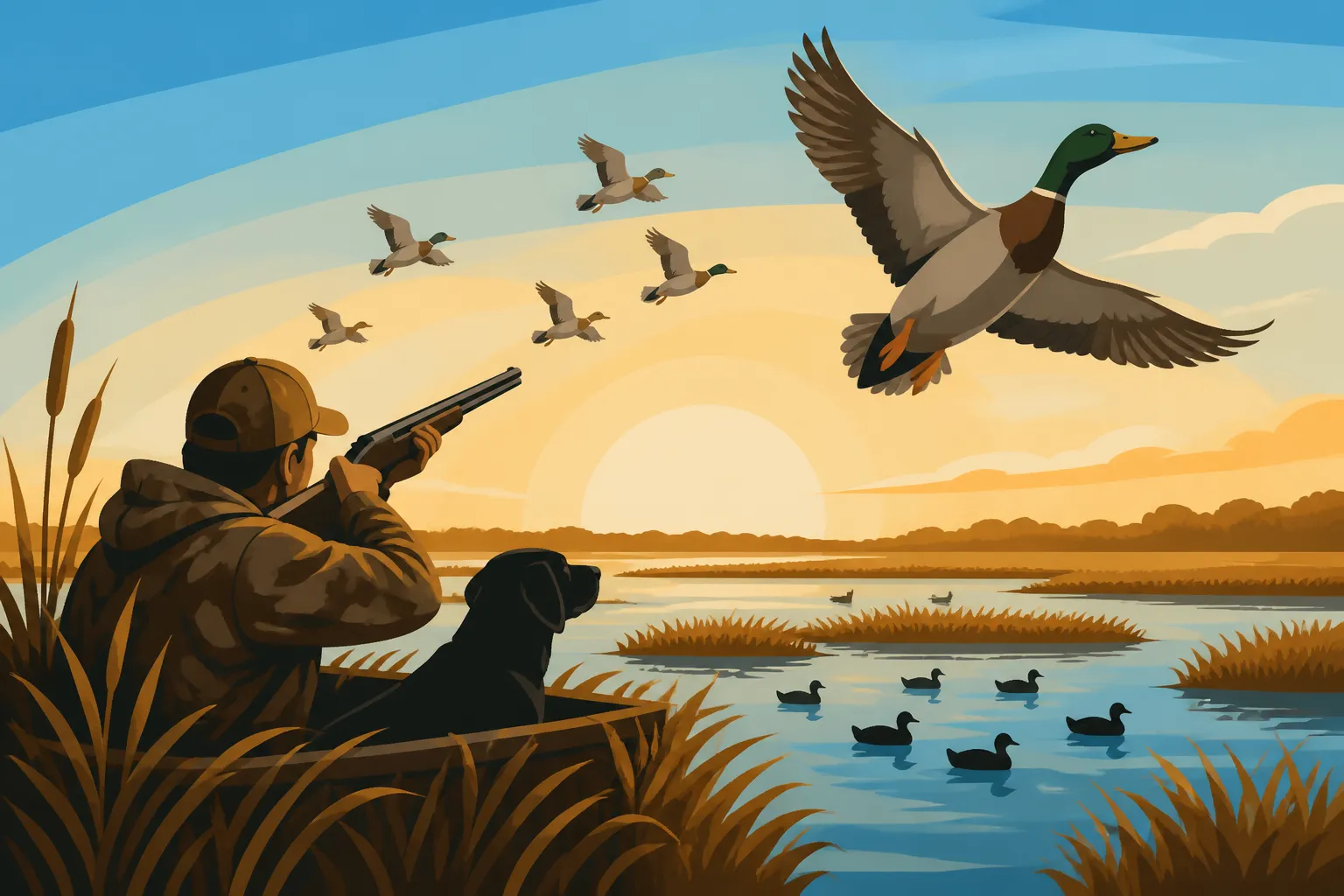
Today, Delta Marsh remains a premier destination for waterfowl hunters, but the landscape of the hunt has evolved. With increased access and popularity, hunting pressure can be significant, especially on opening weekend. Hunters employ a variety of strategies, from traditional marsh blinds tucked into reeds to large field spreads on nearby farmlands. Success often hinges on meticulous scouting, understanding current bird movements, and adapting to changing conditions, whether it's a shift in wind direction or sudden cold snap. While some hunters prefer to use private land, there are also opportunities to experience Hunting a Delta Marsh Wildlife Area on public access points, though these often require more effort to scout and set up. The competitive nature of modern hunting means that knowing the lay of the land, understanding bird behavior, and being prepared for all conditions is more crucial than ever.
Conservation Challenges and the Future of Delta Marsh
Despite its immense ecological value and rich history, Delta Marsh faces significant challenges in the modern era. Like many wetlands globally, it's vulnerable to environmental pressures, from altered water regimes to habitat degradation. Protecting this vital resource requires ongoing, dedicated conservation efforts, balancing the needs of wildlife with human activities, including hunting.
Water Level Management and Habitat Degradation
One of the most pressing issues for Delta Marsh is water level management. The marsh's health is intrinsically linked to the fluctuating levels of Lake Manitoba. Artificial control structures and upstream water diversions can disrupt the natural cycles of flooding and drying that are essential for regenerating vegetation and maintaining diverse habitats. Too much consistent water can drown out emergent plants, while prolonged low water can lead to increased salinity and loss of aquatic life. This kind of habitat degradation impacts everything from invertebrate populations, which are a critical food source, to the very structure of the marsh that provides cover. Understanding these complex issues is key for anyone involved in Manitoba's Moose Conservation Closures or any other conservation effort across the province, as ecological systems are interconnected.
The Role of Science and Community in Preservation
Recognizing its unparalleled value, various organizations and government bodies are actively involved in research, restoration, and management efforts at Delta Marsh. Scientific studies help us understand the complex ecological processes at play, guiding decisions on water management, invasive species control, and habitat restoration projects. Furthermore, local communities, landowners, and hunter-conservation groups play an indispensable role. Their advocacy, volunteer work, and financial contributions are critical for ensuring the marsh remains healthy and productive for future generations. Organizations like Delta Waterfowl, which has its roots firmly planted here, are at the forefront of these efforts, working tirelessly to ensure that what What Delta Marsh Means to Waterfowl today, it will continue to mean for years to come. Hunters who support conservation initiatives often use resources like GoHunt to stay informed about areas of specific conservation interest or to locate public access points that benefit from restoration projects.
Disclaimer
This article is for general informational purposes only and does not constitute professional advice. Laws, prices and regulations vary by location and change over time. Consult a qualified professional for guidance on your specific situation.