Where Badgers Dig on the Prairie
Finding the elusive badger on Manitoba's vast prairies can feel like searching for a needle in a haystack, especially when you're specifically looking for those tell-tale diggings that signal their presence. Many folks spend hours crisscrossing promising-looking areas only to come up empty-handed, leaving them wondering if they're even looking in the right places or if badgers are as rare as local legend sometimes suggests. This guide aims to clear up that mystery, providing a detailed look at where badgers prefer to dig across Manitoba's prairie landscape and how you can spot their distinctive signs.
Understanding Badger Habitat Preferences on the Prairie
Badgers are fascinating creatures, perfectly adapted to their subterranean lifestyle. They're not just digging randomly; their choices are driven by very specific needs related to their food sources and the physical demands of creating their extensive tunnel systems. If you want to find where badgers dig, you first need to think like a badger.
The Lay of the Land: Soil Types and Topography
Badgers are champion excavators, but even champions have preferences. They absolutely adore loose, sandy loam soils that are well-drained and relatively easy to dig. Think about those areas where you might find a sandy knoll or a gentle slope in an otherwise flat field; these are often prime locations. Heavy clay soils, while present in parts of the prairie, are much harder work for them, so you'll find fewer badger digs there. Similarly, areas with a lot of bedrock close to the surface are generally avoided. They need depth for their burrows, which can stretch for many feet horizontally and vertically.
Topography also plays a crucial role. Badgers often prefer slightly elevated ground, like small knolls, ridges, or the edges of coulees and bluffs. This elevation helps with drainage, preventing their dens from flooding during heavy rains or spring thaws. Flat, low-lying areas that tend to accumulate water are less appealing. When you're driving through the open prairie, keep an eye out for these subtle changes in elevation, as they could be hiding a badger's next masterpiece of excavation. Even a slight rise in a field can make a difference.
Food Sources: What Badgers Are After
At the heart of every badger's digging habit is their diet. These animals are carnivores, and their primary food source consists of burrowing rodents. Think ground squirrels (gophers), pocket gophers, and mice. If an area doesn't have a healthy population of these small mammals, it's highly unlikely you'll find badger activity. They literally dig for their dinner, often expanding existing rodent burrows or creating new ones to intercept their prey.
Therefore, when you're looking for badger digs, you're really looking for areas that are rich in their prey species. Pastures, hayfields, and even certain types of grain fields, particularly those with an abundance of grass and broadleaf weeds that shelter rodent populations, are good bets. Keep in mind that a field that looks barren to us might be a bustling metropolis underground for gophers, and where there are gophers, badgers often follow. What Coyotes Do to Fawn Survival is an interesting read, and while coyotes aren't badgers, they share a similar reliance on small prey, often hunting in the same areas.
Identifying Prime Badger Digging Locations in Manitoba
So, how do you translate that understanding into finding actual badger signs on the Manitoba prairie? It comes down to knowing what to look for and where to focus your search efforts.
Key Indicators of Badger Presence
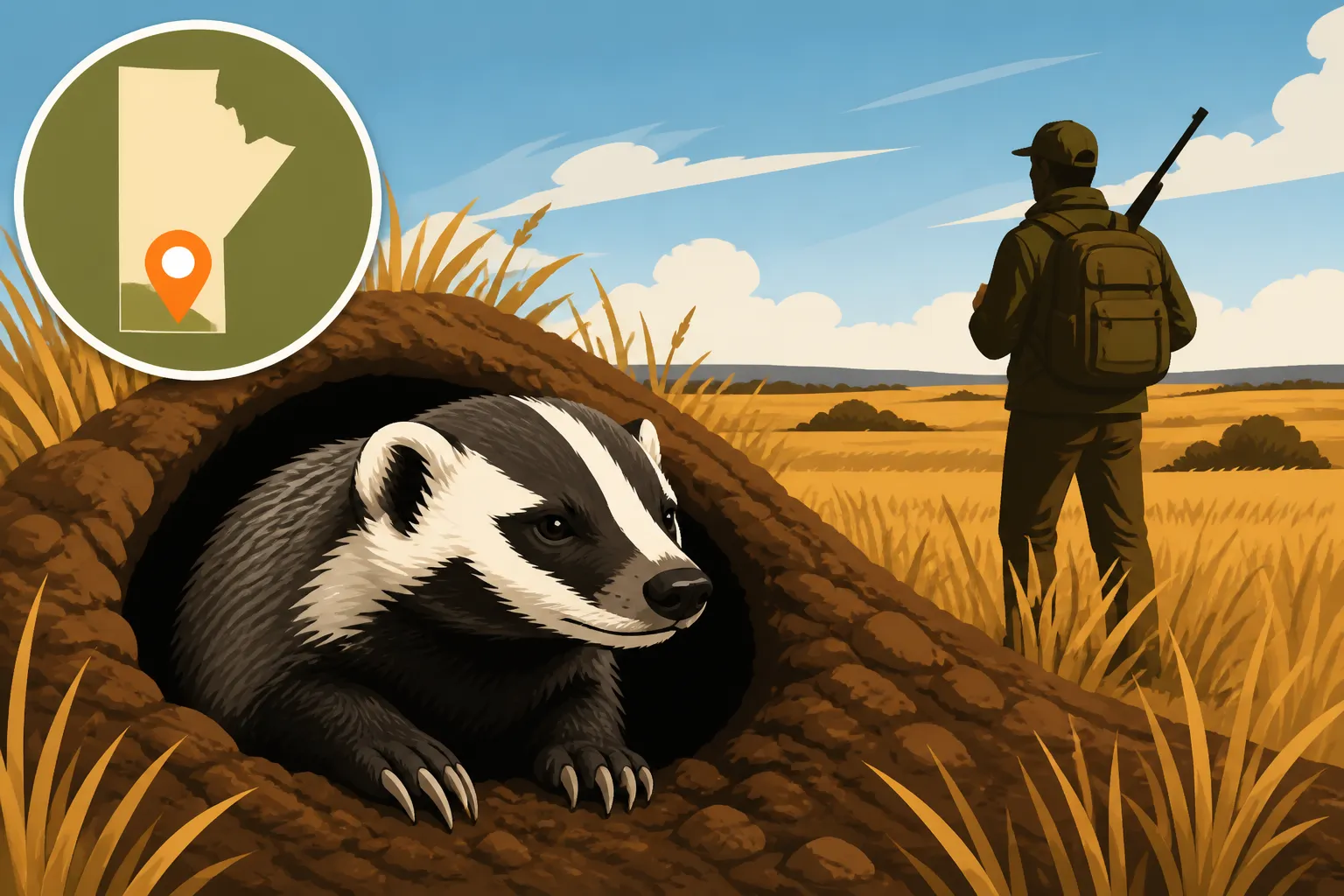
The most obvious sign of a badger is, of course, their digging. Badger holes are distinct. Unlike a gopher hole, which is usually a neat, round opening, a badger hole is often wider than it is tall, resembling an inverted U-shape. The entrance can be quite large, sometimes a foot or more across, and there will almost always be a substantial mound of excavated dirt, or "spoil pile," right outside the entrance. This spoil pile is often fan-shaped or crescent-shaped, and the soil within it can be quite loose and fresh if it's an active den.
Beyond the main burrow, badgers will also create numerous smaller, shallower "test digs" or "exploratory holes" across an area as they hunt. These might only be a few inches deep and wide, looking like small craters where they've sniffed out and pounced on a rodent. Finding a concentration of these smaller digs, particularly around a larger main burrow, is a strong indicator of an active feeding area. You might also find hair in the spoil piles or even tracks, though these are less common and harder to identify for the untrained eye.
Geographic Hotspots in Manitoba's Prairie Regions
Manitoba's prairie region, broadly speaking, is where you'll find the highest concentration of badgers. Specifically, the southwestern and south-central parts of the province are excellent areas to focus on. Think about the gently rolling grasslands and mixed-use agricultural lands. These areas provide the ideal combination of suitable soil, abundant prey, and often, less intense cultivation practices that allow badgers to thrive.
Areas like the Hunting Manitoba's Southwest Farmland or the Parkland regions are classic badger country. The lighter, sandier soils found in places like the Spruce Woods Provincial Park area or along river valleys, such as the Assiniboine River corridor, are particularly good. These river valleys and associated uplands often have more varied topography, including bluffs and coulees, which badgers prefer for their dens. You might find badgers digging along Hunting a Prairie Coulee Bottom or even in the edges of a Hunting a Pasture With Cattle On It, where cattle grazing helps keep grass short, making rodent activity more visible to keen-eyed badgers.
Here's a quick look at some key prairie habitat characteristics that badgers love:
| Feature | Badger Preference | Why it Matters |
|---|---|---|
| Soil Type | Loose, sandy loam, well-drained | Easy digging, stable burrows |
| Topography | Gentle slopes, knolls, ridges, coulee edges, slightly elevated ground | Good drainage, structural integrity for dens |
| Vegetation | Pastures, hayfields, native grasslands, edges of crop fields with rodent populations | Abundance of prey (ground squirrels, gophers), cover for hunting |
| Water Access | Not directly dependent on open water, but dry, well-drained areas are key | Prevents flooding of burrows |
| Human Impact | Areas with less intensive cultivation, minimal disturbance | Allows permanent denning, stable prey populations |
Strategies for Locating Badger Digs
Now that you know what to look for and where, let's talk about how to actually go about finding these digs in the field. It requires a bit of patience, a keen eye, and sometimes, a little help from technology.
Scouting Techniques for Badger Sign
The best way to find badger digs is to get out there and look! Early morning or late evening light can be very helpful, as the low angle of the sun tends to cast shadows that highlight subtle changes in terrain, including spoil piles. Focus your search on the edges of fields, old pastures, and native grasslands. These are less disturbed than actively cultivated fields, offering more stable ground for denning.
When walking, scan ahead for those tell-tale mounds of dirt. Often, you'll spot the spoil pile before you see the actual hole. If you find one active burrow, slow down and really scour the surrounding area. Badgers often have multiple entrances to a single complex den system, and there will likely be many smaller exploratory digs nearby. Look for patterns: a line of small digs might indicate a badger systematically working a gopher colony. Remember to respect local regulations and always secure permission before accessing private land; Manitoba Trespass Law for Hunters is something every outdoorsperson should be familiar with.
Utilizing Technology and Maps
In today's world, technology can be a huge asset in scouting for wildlife, including badgers. Satellite imagery and topographic maps are invaluable tools. Services like Google Earth or dedicated hunting apps like GoHunt allow you to zoom in on areas and identify potential habitat from your couch before you even step foot outside. Look for subtle elevation changes, areas that appear less cultivated, or patches of native grassland within the larger agricultural landscape. These can be pinpointed on your map for further investigation in person.
With GoHunt, for instance, you can layer satellite imagery with topographic data, giving you a better understanding of the terrain. You can mark potential badger locations and plan your scouting routes efficiently. This can save you a lot of time and legwork. Scouting With Satellite Imagery in Manitoba is a fantastic resource for learning how to leverage these tools effectively. You can also use digital mapping to identify Reading Manitoba Crown Land Layers on onX or other public access areas, ensuring you're scouting legally and responsibly.
Responsible Observation and Coexistence
Finding badger digs is exciting, but it comes with the responsibility of respecting these animals and their habitat. Badgers are a protected furbearer in Manitoba, and their burrows are essential for their survival.
Respecting Private Land and Wildlife
A significant portion of Manitoba's prime badger habitat is on private agricultural land. It is absolutely crucial to obtain explicit permission from the landowner before entering their property for any reason, whether it's scouting, hunting, or simply observing wildlife. Not only is it the law, but it builds good relationships between landowners and outdoors enthusiasts. A simple conversation can often grant you access and invaluable local knowledge about the area. Remember that Knocking on Doors in Manitoba Farm Country is often the best way to get access.
When you do find badger digs, observe them from a respectful distance. Avoid disturbing the animals or their dens. If you happen to encounter a badger, give it plenty of space. While generally not aggressive, a badger can defend itself fiercely if cornered or if it feels threatened. They are powerful animals, and their claws are formidable.
Safety Around Badger Burrows
Badger burrows, while fascinating, can also pose a hazard, especially if you're walking through pastures or rough terrain. The entrance to a main den can be quite large and deep, easily big enough to cause a sprained ankle or worse if you step into one unexpectedly. This is particularly true if the spoil pile has eroded over time and the hole is less visible. Always watch your step when walking in areas where badgers might be present.
For farmers and ranchers, badger holes can also be a concern for livestock, as animals can sometimes step into them and injure themselves. Understanding where badgers dig can help landowners manage their pastures and potentially fence off areas with high badger activity if it becomes a problem. Coexistence is key to ensuring these unique animals continue to thrive on our prairies, and knowing Manitoba's Predators and Furbearers in general helps foster this understanding.
By understanding their preferences, knowing what signs to look for, and using modern scouting methods with tools like GoHunt, you'll greatly increase your chances of finding where badgers dig on the Manitoba prairie. It's a rewarding experience to connect with these powerful digging machines of the plains.
Disclaimer
This article is for general informational purposes only and does not constitute professional advice. Laws, prices and regulations vary by location and change over time. Consult a qualified professional for guidance on your specific situation.