Do Wolves Affect Manitoba Moose Numbers?
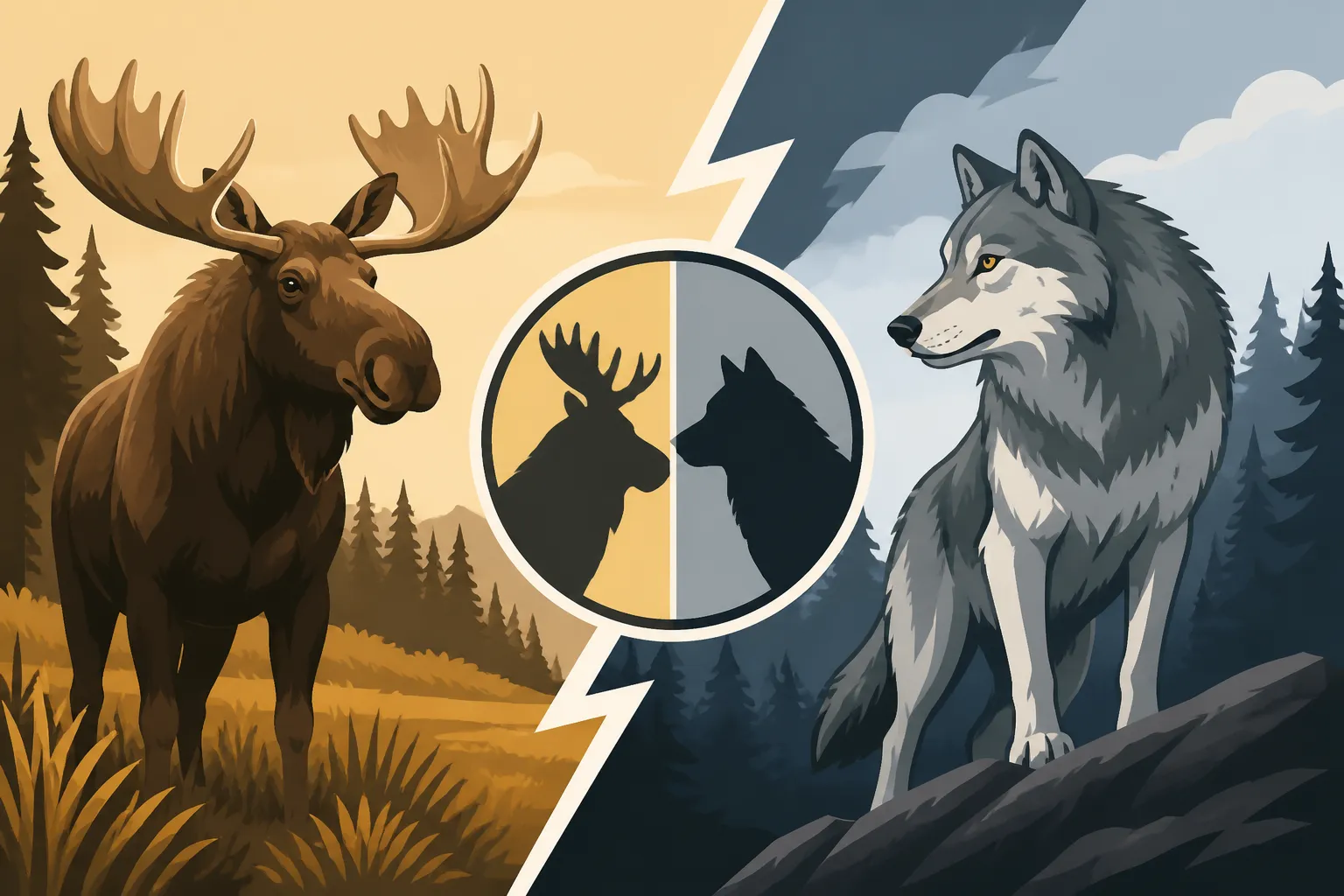
It's a question that echoes through many hunting camps across Manitoba, especially when moose sightings seem to dwindle or that familiar bull doesn't show up in a favourite spot: "Do wolves affect Manitoba moose numbers?" It's a deeply felt concern for many, as we all want to see healthy, thriving moose populations in our beautiful province. This isn't a simple yes or no answer; the relationship between wolves and moose is a complex dance, influenced by a myriad of other environmental factors. This guide will dive deep into this intricate dynamic, offering a realistic look at how these apex predators fit into Manitoba's ecosystems and what it truly means for our moose.
Understanding Moose Population Dynamics in Manitoba
Before we can point fingers at any one factor, it's crucial to understand that moose populations are rarely, if ever, impacted by a single cause. Imagine a finely tuned engine; if one part isn't working, the whole system might struggle, but it's often a combination of small issues that leads to a breakdown. Moose in Manitoba face a range of challenges, and wolves are just one piece of that very large puzzle.
The Complex Web of Factors Affecting Moose
When we talk about moose numbers, we're really talking about a delicate balance of birth rates versus death rates, and what's influencing both. Habitat is always a huge factor. Are there enough young, nutritious browse plants available? Is there adequate cover for security and to escape the heat of summer or the cold of winter? If habitat quality or quantity declines due to forestry practices, wildfire patterns, or even agricultural expansion, moose can struggle. They might not find enough food to sustain themselves, or they might be more exposed to harsh weather and, yes, to predators.
Then there's climate change, which isn't just a buzzword for hunters; it's a real and present concern. Warmer winters, for instance, are a boon for parasites like winter ticks. These tiny pests can literally bleed a moose dry, leading to severe hair loss, anemia, and often death, especially in calves and cows. It's heartbreaking to see a moose in the spring looking pale and rubbed, a clear victim of a heavy tick load. Disease, like Chronic Wasting Disease (CWD), while currently more of a concern for deer, is something wildlife managers are constantly monitoring because of its potential impact on other cervids, including moose. While CWD hasn't significantly impacted moose in Manitoba to date, the general health of an animal population can always be compromised by pathogens.
And let's not forget hunting pressure. While regulated hunting is generally sustainable and provides valuable management data, historical overhunting in some areas, or even legal harvests that are too high for a struggling population, can play a role. When you add all these pressures together – habitat, climate, disease, and harvest – it creates a complex picture where no single factor acts in isolation.
Where Manitoba Moose Numbers Have Struggled
It’s no secret that certain areas of Manitoba have seen significant drops in moose populations over the years. We've all heard the stories, or perhaps even witnessed it ourselves, in regions where moose were once abundant. The Duck Mountain Provincial Forest, for example, has been a widely discussed area where moose numbers declined to a point that significant conservation measures were deemed necessary, including hunting closures. These declines aren't just frustrating for hunters; they're deeply concerning for wildlife enthusiasts and conservationists alike.
When we see these declines, it's natural to look for a culprit. Often, the wolf population gets immediate attention because they are visible predators. However, studies and observations in these struggling areas usually reveal that the moose were already under immense pressure from other factors. Poor habitat quality, high winter tick burdens exacerbated by changing weather patterns, and even historical factors can weaken a moose population, making individual animals more susceptible to predation. A moose that is malnourished or burdened by parasites is simply not as resilient when a wolf pack comes calling. Understanding Why Manitoba Moose Numbers Fell in specific regions helps us see the bigger picture beyond just predation.
Signs of Recovery and Stable Populations
It's not all doom and gloom, though. While some areas have struggled, others have shown remarkable resilience or are even experiencing a slow but steady recovery. Across Manitoba, wildlife biologists, alongside dedicated conservation groups and local communities, are working hard to monitor and manage moose populations. The good news is that management efforts, which often involve a multi-pronged approach addressing habitat, harvest, and disease, can and do make a difference.
For instance, in certain northern boreal regions or less accessible areas, where human disturbance is minimal and habitat remains largely intact, moose populations tend to be more stable. These areas often serve as vital strongholds, allowing moose to thrive with a natural balance of predators and prey. While it might take years, or even decades, for struggling populations to rebound fully, there are encouraging signs that with concerted effort, moose can recover. Knowing Where Manitoba's Moose Are Recovering can offer hope and insights into what effective conservation truly looks like. It reminds us that nature is resilient, but it often needs our careful stewardship.
The Role of Wolves as Natural Predators
Wolves are magnificent, intelligent animals, and they are an integral part of Manitoba's wild landscapes. As apex predators, they play a crucial role in maintaining healthy ecosystems. While their presence can certainly be felt by moose, particularly during vulnerable times, it's how they interact within the larger ecological framework that truly matters.
How Wolf Predation Works in a Healthy Ecosystem
In a healthy, balanced ecosystem, wolf predation is a natural and necessary force. Wolves are incredibly efficient hunters, but they aren't indiscriminate killers. They primarily target the vulnerable: the old, the sick, the injured, and the very young. This isn't out of malice, but pure survival and efficiency. Chasing down a healthy, adult moose is a monumental task, often ending in failure for the wolves. It expends a huge amount of energy, and wolves, like all predators, prefer the path of least resistance.
By culling the weaker individuals from the moose population, wolves perform a vital service. They help to prevent the spread of disease, remove less fit individuals from the breeding pool, and ultimately contribute to a stronger, healthier moose herd overall. This natural selection process is harsh, but it's how species evolve and adapt. It ensures that the strongest genes are passed on, creating a more robust population capable of facing future environmental challenges. The presence of wolves means the moose that survive are, by definition, more resilient.
When Predation Becomes a Limiting Factor
While predation is natural, there are scenarios where wolf numbers, particularly in combination with other significant stressors, can become a limiting factor for moose populations. Imagine a moose population already struggling from severe habitat degradation, a heavy burden of winter ticks, or a series of harsh winters. In such a weakened state, even a "normal" level of wolf predation can tip the balance, leading to further declines. It’s like a human body fighting multiple infections at once; it simply can't cope as well.
In some cases, if wolf populations are exceptionally high relative to a declining moose herd, their impact can be more pronounced. This isn't necessarily because wolves are "over-predating," but because the moose simply don't have the reserves to escape or recover. Calves, in particular, are highly vulnerable. If too many calves are taken, year after year, the recruitment into the adult population slows dramatically, and the overall moose numbers will eventually shrink. This is where the balance becomes delicate, and it requires careful monitoring by wildlife managers to understand if predation is transitioning from a natural culling mechanism to a significant barrier to population growth.
The "Trophic Cascade" and Ecosystem Balance
The impact of wolves isn't just about direct killing; it's about a concept called the "trophic cascade." Think of it like a chain reaction throughout the ecosystem. When wolves are present, they keep herbivore populations, like moose and deer, in check. This isn't just about numbers; it's about behaviour. Moose become more vigilant, they avoid certain areas that pose higher risks, and they spend less time browsing in exposed locations.
This change in herbivore behaviour then has a profound impact on the vegetation. With fewer moose intensely browsing in certain areas, young trees and shrubs can grow taller and denser. This, in turn, provides better habitat for other species, from songbirds to smaller mammals. So, while a hunter might see wolves as direct competition, the ecological reality is that wolves are pivotal to maintaining a diverse and healthy forest structure, which ultimately benefits a whole host of wildlife, including the very prey they hunt. It's a testament to the intricate interconnectedness of nature.
Research, Management, and Public Perception
The question of wolf impact on moose numbers is not just a hot topic among hunters; it's a central focus for wildlife biologists and resource managers. They grapple with complex data, scientific studies, and often, strong public opinions, all while trying to ensure the long-term health of both predator and prey populations.
Manitoba's Approach to Wildlife Management
Manitoba takes a science-based approach to managing its wildlife, including both moose and wolves. This isn't about guesswork; it's about rigorous data collection. Wildlife managers regularly conduct aerial surveys to estimate populations, tracking trends in numbers, age ratios, and distribution of species like moose. They analyze harvest data from hunters, study habitat conditions, and monitor for diseases and parasites. All of this information helps to build a comprehensive picture of what's happening on the ground. When it comes to wolves, these surveys also help to estimate Wolf Pack Size in the Boreal Forest and overall wolf densities in various regions.
For hunters looking to stay informed and understand the regulations that stem from this research, platforms like GoHunt can be incredibly useful. While GoHunt itself may not directly conduct the surveys, it's an excellent example of how digital resources empower hunters to access current GHA boundaries, season dates, and other vital information needed to hunt responsibly and ethically in Manitoba. This blend of scientific study and accessible information is crucial for informed conservation.
Debating Predator Control: A Complex Issue
When moose populations decline, the topic of predator control inevitably arises, and it's almost always met with passionate arguments on both sides. Some argue that reducing wolf numbers is a straightforward way to allow moose populations to rebound, especially in critical areas. They might point to historical examples where targeted wolf removals appeared to correlate with moose increases.
However, many biologists and conservationists caution against such measures, emphasizing that they are often short-term fixes that don't address the underlying issues affecting moose, such as habitat loss or disease. Furthermore, predator control can have unintended consequences on the broader ecosystem, potentially disrupting natural balances. The ethical considerations of actively culling wolves also weigh heavily on the debate. It's a complex, emotionally charged issue with no easy answers, and management decisions must carefully consider scientific evidence, ecological impacts, and public values.
Hunter's Perspective: Observations and Concerns
As hunters, we spend countless hours in the bush, observing the landscape, reading sign, and experiencing the ebb and flow of wildlife populations firsthand. So, when we see fewer moose, or more wolf tracks than usual in a given area, our concerns are legitimate and important. It’s frustrating to invest time, effort, and money into a moose hunt only to feel that the odds are stacked against you due to perceived high predator numbers. Many hunters truly believe they are seeing an imbalance, where wolves are having too great an impact.
These anecdotal observations, while not scientific surveys, are invaluable and form a critical part of the dialogue around wildlife management. Wildlife agencies do listen to hunters' boots-on-the-ground reports, as they provide real-world insights into local conditions. The key is to integrate these observations with broader scientific data to form a holistic understanding. After all, hunters are some of the most invested stakeholders in healthy game populations, and their desire for thriving moose herds aligns perfectly with conservation goals.
Navigating the Landscape: What Hunters See and What It Means
For those of us who spend time in the Manitoba bush, understanding the signs of both moose and wolf activity isn't just interesting – it's crucial for our hunting success and for appreciating the intricate dynamics of the wilderness. What you observe on the ground tells a story, and knowing how to interpret that story can deepen your hunting experience.
Reading Sign: Wolves and Moose in the Bush
When you're out hunting, keep an eye out for more than just moose tracks. Fresh wolf tracks, scat, and especially audible howls can tell you a lot about their presence and recent activity. Wolves typically travel established game trails, old logging roads, or frozen waterways, much like moose do. If you find a fresh set of wolf tracks leading into a prime moose bedding area, it's a good indicator that the moose in that particular spot might be on high alert, or perhaps have moved on. You might also find evidence of a kill site – scattered hair, bones, or signs of a struggle – which clearly demonstrates recent wolf predation.
Understanding these signs helps you piece together the local dynamics. For example, if you're scouting a new area using a tool like GoHunt to understand land access, and you start seeing abundant wolf sign along with very little fresh moose sign, it might be a hint that the moose are either scarce or have been pushed out of that particular area. It doesn't necessarily mean the moose population is decimated, but it certainly suggests localized pressure. Knowledge of Wolf Pack Size in the Boreal Forest can also help in interpreting how many wolves might be working a specific territory.
The Impact on Hunting Opportunities
So, what does this all mean for your next moose hunt? A strong wolf presence in an area can indeed make moose more wary and harder to locate. Moose that are constantly pressured by predators tend to be more nocturnal, move through thicker cover, and generally be less visible. They might hold tighter, move earlier, or bed in more secure, difficult-to-access locations. This isn't just frustrating; it requires a hunter to adapt their strategies, perhaps focusing more on calling, scent control, or spending more time glassing remote areas.
However, it's important to remember that a healthy wolf population often coexists with a healthy prey base. While localized predation can reduce moose numbers in certain pockets, the overall dynamic across Manitoba still allows for robust moose populations in many areas. It's about finding that balance. In fact, some hunters enjoy the challenge of hunting in wolf country, viewing the presence of these magnificent predators as a sign of true wilderness. Hunters who understand Wolf Season Dates and Limits might even consider adding a wolf tag to their hunt, providing an additional challenge and an incredible trophy.
Responsible Hunting in Wolf Country
As responsible hunters, our role extends beyond simply filling a tag. In areas where wolves are present, and especially where moose populations might be sensitive, ethical hunting practices are paramount. This means making clean shots, recovering game promptly, and respecting all regulations. It also means being a good steward of the land, understanding that we are part of a larger ecosystem.
When you're hunting in wolf country, contributing to wildlife management efforts can be as simple as reporting your observations to local conservation officers or participating in hunter surveys. This kind of information helps biologists gain a better understanding of local wildlife interactions. By staying informed about Manitoba's Moose Conservation Closures and supporting science-based management, we ensure that both moose and wolves can continue to thrive in their natural habitats for generations to come.
Here's a look at some of the factors affecting moose populations in Manitoba:
| Factor | Direct Impact on Moose | Indirect Impact on Moose (via wolves) | General Trend in Manitoba |
|---|---|---|---|
| Habitat Quality | Food availability, cover, thermal regulation | Affects moose health, making them more vulnerable | Variable; declining in some areas |
| Winter Ticks | Blood loss, anemia, stress, often fatal | Weakens moose, making them easier prey for wolves | Increased concern with warmer winters |
| Wolf Predation | Direct mortality, culling weak individuals | Shapes moose behaviour, helps maintain genetic health | Stable/fluctuating with prey |
| Climate Change | Increased heat stress, impacts vegetation, aids parasites | Amplifies tick burden, shifts moose distribution | Ongoing, increasing concern |
| Disease (CWD, etc.) | Direct mortality, weakens immune system | Weakened moose become easier prey | Low/monitored; CWD a deer concern |
| Hunting Pressure | Direct mortality, population reduction | Can exacerbate declines if combined with predation | Regulated; adjustments made based on data |
Disclaimer
This article is for general informational purposes only and does not constitute professional advice. Laws, prices and regulations vary by location and change over time. Consult a qualified professional for guidance on your specific situation.