When the Elk Rut Peaks
One of the most thrilling times to be in Manitoba's wilderness is when the elk rut hits full swing, transforming quiet forests into a symphony of bugles and aggressive displays. However, pinpointing the exact "peak" can feel like chasing a ghost, making it incredibly frustrating for hunters who want to be in the woods when the action is hot. This guide is here to help you understand the nuances of the elk rut in our beautiful province, so you can increase your chances of being there during the most exciting part of the season.
Understanding the Elk Rut in Manitoba
The elk rut is more than just a biological event; it's a spectacle that captivates hunters and nature enthusiasts alike. It's the period when bulls, after months of growing massive antlers and building up their strength, engage in fierce competition to breed with cows. This intense period of activity creates some of the most memorable hunting opportunities, but it also demands a deeper understanding of elk behavior and environmental factors.
The Biology Behind the Bugle
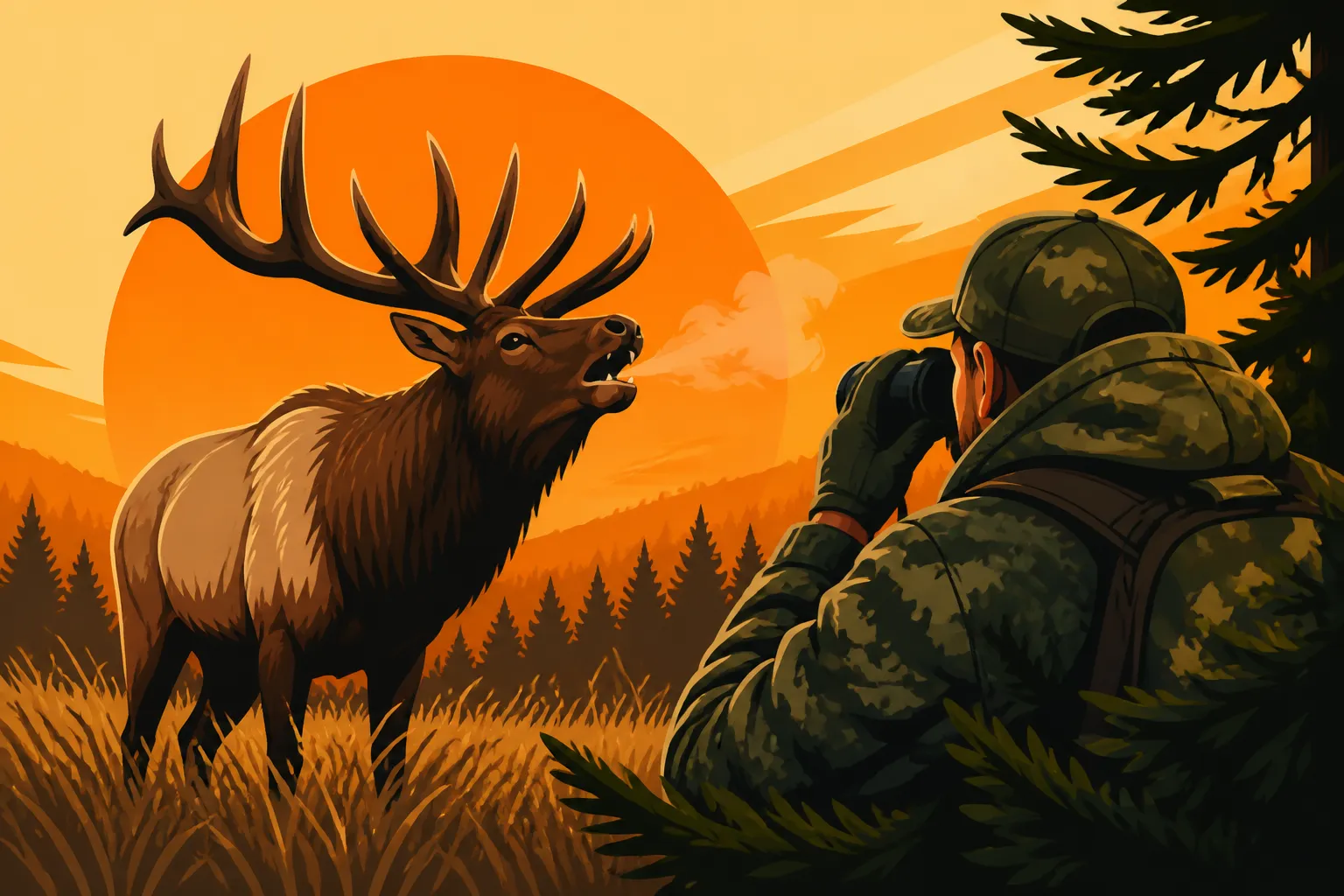
At its core, the elk rut is driven by hormones, primarily testosterone in bulls, and estrogen in cows. As the days shorten and temperatures begin to cool in late summer and early fall, these hormonal shifts trigger a primal urge to breed. Bulls become incredibly vocal, letting out those iconic bugles that echo through the valleys and forests. These bugles serve multiple purposes: announcing their presence, challenging rival bulls, and attracting receptive cows. It's a high-stakes game where dominance is established through displays of size, vocal prowess, and sometimes, outright physical confrontation. Understanding this underlying biological drive helps us anticipate when and why elk behave the way they do, making us more effective hunters during the rut.
General Timelines: A Shifting Target
While the exact "peak" of the elk rut can fluctuate, there's a general window that Manitoba hunters eagerly anticipate. Typically, you'll start hearing sporadic bugles in late August and early September as bulls begin to test the waters and gather their harems. The real intensity, the full-blown, non-stop bugling and fighting, usually kicks into high gear around the third week of September and often carries through the first week or two of October. This is when cows are most receptive, and the biggest, most dominant bulls are working tirelessly to defend their breeding rights.
However, it’s crucial to remember that this isn't a hard and fast rule. Just like our Manitoba weather, the elk rut is subject to variations. I've been in the bush when the last week of September felt quiet, only for the first few days of October to explode with activity. Conversely, some years, I've heard bulls screaming their heads off by mid-September. Being flexible and recognizing the signs of an impending peak is far more valuable than sticking to a rigid calendar date. Knowing When Elk Season Opens by GHA is important, but being prepared for the dynamic nature of the rut is even more critical.
Factors Influencing the Peak Rut
The elk rut isn't simply a switch that flips on a particular date. It's a complex dance influenced by a variety of environmental and social factors. Paying attention to these subtle cues can give you an edge in determining when the peak action will truly happen.
Weather and Temperature Swings
Weather is a massive player in how the rut unfolds. While decreasing daylight is the primary trigger, a sudden cold snap in early September can often kickstart more intense bugling activity. Bulls, feeling that crisp autumn air, get a surge of energy and become more active. They'll spend more time chasing cows, sparring with rivals, and generally being more visible and vocal. Conversely, an unseasonably warm spell can put a damper on things, making elk more nocturnal or causing them to conserve energy in the heat.
For instance, I remember one year in the Hunting Elk in the Duck Mountain Country where we had a beautiful, cool week in mid-September. The bugling was absolutely insane! Then, a heat wave rolled in, and it felt like the woods went silent for a few days before picking up again once the temperatures dropped. Elk, especially those big, heavy-bodied bulls, don't want to exert themselves unnecessarily when it's warm. They’re looking for those frosty mornings to really get fired up. So, keep an eye on the long-range forecast – a significant drop in temperature during that late September/early October window can often signal that the peak is just around the corner, or that an existing peak is intensifying.
Herd Dynamics and Bull-to-Cow Ratios
The social structure of an elk herd also plays a significant role in rut intensity and timing. In areas with a healthy bull-to-cow ratio, meaning there are enough mature bulls to compete for breeding rights, the rut tends to be more aggressive and sustained. More competition means more bugling, more sparring, and a more pronounced peak. When bulls are fighting for every cow, their vocalizations are louder, more frequent, and their movements are less cautious.
On the flip side, in areas where mature bull numbers might be lower, the rut can sometimes feel less intense, or even drawn out. A single dominant bull might have less competition, leading to fewer challenges and perhaps less frenetic activity. You might still hear bugles, but perhaps not the continuous, frantic shouting you'd expect. The presence of young, satellite bulls trying to sneak in and steal a cow can also add to the general chaos, extending the period of activity beyond just the main herd bull's peak. Understanding Manitoba's Elk Herds and Their Range can help you get a better feel for the dynamics in your chosen hunting ground.
Geographical Variations Across Manitoba's Elk Zones
Manitoba is a large province with diverse landscapes, and its elk populations are found in distinct regions. While the general timeline for the rut remains similar across the province, there can be subtle geographical variations. For example, elk in the Parkland region, particularly around areas like the Duck Mountain or Spruce Woods, might experience a slightly different rut progression than those in more remote, northern fringes if there were any. These differences can be due to microclimates, differing forage availability, or even distinct herd genetics that influence breeding cycles.
For instance, the elk herds found in the richer agricultural fringes, like those sometimes encountered when Hunting Elk on Manitoba Grain Land, might have slightly different feeding patterns leading up to the rut, which could impact their overall condition and, subsequently, their rutting intensity. It’s not a drastic shift, but being aware that "peak rut" might mean a couple of days earlier or later in one GHA compared to another is a valuable local insight. This is where local scouting and information from other hunters familiar with specific areas, like Elk in Manitoba's Parkland and Mountains, becomes invaluable.
Strategies for Hunting the Peak Rut
So, how do you translate all this information into a successful hunting strategy? It comes down to active observation, smart calling, and leveraging the tools at your disposal to put yourself in the right place at the right time.
Listening for the Action: Bugling and Chirping
During the peak rut, the woods truly come alive with sound. Bulls aren't just letting out single bugles; they're often engaged in long, complex sequences, sometimes ending with a guttural chuckle or grunt. Listen for the intensity and frequency of the bugles. Is it just one bull calling occasionally, or does it sound like multiple bulls are challenging each other, cutting off their rivals mid-bugle? That cacophony is a strong indicator of the peak.
Cows also become more vocal during this time, with estrous chirps and mews that can attract bulls. When Bugling Elk in Manitoba's Parkland, understanding the full range of elk vocalizations and when to use them is key. If you hear a bull bugling aggressively, often accompanied by smashing antlers into brush or raking trees, he's likely a dominant bull actively defending his harem. If you hear cows chirping and mewing, it means they're receptive, and bulls will be in hot pursuit. Sometimes, the quietest moment can suddenly explode into a full-on bugle match right in front of you, a clear sign the rut is on.
Reading the Sign: Rubs, Scrapes, and Wallop Pits
While sound is critical, visual sign on the ground tells a complementary story. During the peak rut, bulls become incredibly destructive, and you'll see fresh evidence of their presence everywhere. Look for fresh rubs on trees, especially larger diameter saplings and small trees, where bulls have rubbed their antlers raw to shed velvet and display dominance. These rubs will be shiny, sometimes with sap still oozing, and the shredded bark will be light-coloured.
Scrapes, though less common than deer scrapes, can also be found, often shallower and larger than deer scrapes, sometimes with urine in them. But the most telling sign during the peak rut are wallow pits. These are muddy depressions where bulls roll around, soaking themselves in a mixture of mud and urine. A fresh wallow, still wet and stinking of elk, indicates a bull has been there very recently and is actively rutting. These signs are often concentrated in bedding areas, travel corridors, and near water sources, providing a roadmap to elk activity. When Reading Sign After a Fresh Snow during the rut, these fresh tracks and rubbed trees become even more obvious.
Leveraging Scouting and Technology
Pre-season scouting is always important, but it's particularly vital for elk during the rut. Identifying historical rutting grounds, travel routes, and bedding areas before the season even starts gives you a massive advantage. Pay attention to water sources and natural funnels. Once the season starts, don't be afraid to put boots on the ground to confirm activity.
Technology can also be your best friend. GPS mapping apps, like those often used by GoHunt, allow you to mark hotspots, track movements, and plan your approach silently. Trail cameras placed on game trails, near wallows, or in known bedding areas can give you real-time (or near real-time) intelligence on when and where bulls are most active, allowing you to confirm the peak. Using tools for Scouting With Satellite Imagery in Manitoba can help you locate potential habitat from afar, and then you can confirm with ground scouting or trail camera placement. Remember, the more information you have, the better equipped you'll be to capitalize on that intense, short window of the peak rut.
| Rut Phase | Typical Timing (Manitoba) | Elk Behavior | Hunting Strategy | Key Sound Cues |
|---|---|---|---|---|
| Pre-Rut | Late August – Early September | Bulls start gathering, sporadic bugles, velvet shedding | Scouting, locating herds, early calling attempts | Single, tentative bugles |
| Early Rut | Mid-September | Bulls gather cows, increased bugling, some sparring | Aggressive calling, locate herds via sound | More frequent bugles, some chuckles |
| Peak Rut | Late September – Early October | Intense breeding, constant bugling, fighting, chasing | Aggressive calling, intercepting movement, blind calling | Non-stop bugling, chuckles, mews, growls, raking |
| Post-Peak Rut | Mid-October | Breeding winds down, bulls tired, fewer bugles | Spot and stalk, locating quieter, worn-out bulls | Less frequent, softer bugles, more mews from cows |
This table provides a general overview, but always adapt to what the elk are telling you in the field. Every season, and sometimes every week, can be different.
The Manitoba elk rut is truly a magical time to be in the field. While it can be frustrating to try and pinpoint the exact peak, by understanding the biological drivers, paying attention to environmental cues like weather, and carefully observing herd dynamics and ground sign, you can greatly improve your chances of being present when the woods are alive with bugles and the air crackles with excitement. Be adaptable, listen intently, and trust your instincts – that's often the best guide to the peak of the action.
Disclaimer
This article is for general informational purposes only and does not constitute professional advice. Laws, prices and regulations vary by location and change over time. Consult a qualified professional for guidance on your specific situation.