Manitoba’s Trophy Record Book
For many hunters, the pursuit of a record-book animal in Manitoba isn't just about the score on a tape measure; it's about the culmination of years of dedication, ethical hunting, and understanding the incredible game animals this province has to offer. The dream of having your name, and more importantly, your harvested animal, etched into the annals of history can be a powerful motivator, but navigating what truly counts as a "trophy" and how to officially record it can feel a bit overwhelming. This guide is here to demystify Manitoba's trophy record books, explaining what it takes to enter an animal, the scoring process, and the history behind these esteemed records.
Understanding the "Trophy" in Manitoba Hunting
When we talk about a "trophy" in the context of record books, we're not just referring to the size of an animal's antlers or horns, though that certainly plays a significant role. It's about recognizing exceptional specimens of various species, often based on specific scientific measurements that account for symmetry, mass, and overall size. For many, it's a testament to the animal's age, genetics, and the richness of its habitat, as much as it is to the hunter's skill. Manitoba, with its diverse landscapes from the rich farmlands to the vast boreal forest and the rugged Shield country, consistently produces some truly outstanding animals across several big game species.
What Makes an Animal a Record Book Contender?
It's easy to get caught up in the idea of "bigger is better," but the record books have very specific criteria. For antlered game like whitetail deer and moose, it's often a combination of main beam length, spread, circumference at various points, and the length of individual tines. Symmetry is also a huge factor for typical racks. For animals like black bears, it's skull size, length and width, that determines its placement. The goal is to standardize measurements so that animals from different regions and different years can be fairly compared. An animal isn't just "big"; it fits a very precise set of criteria that reflects its exceptional development. This often means harvesting an older, mature animal that has reached its full potential, rather than simply the first legal animal encountered.
Beyond the Antlers: Other Trophy Species
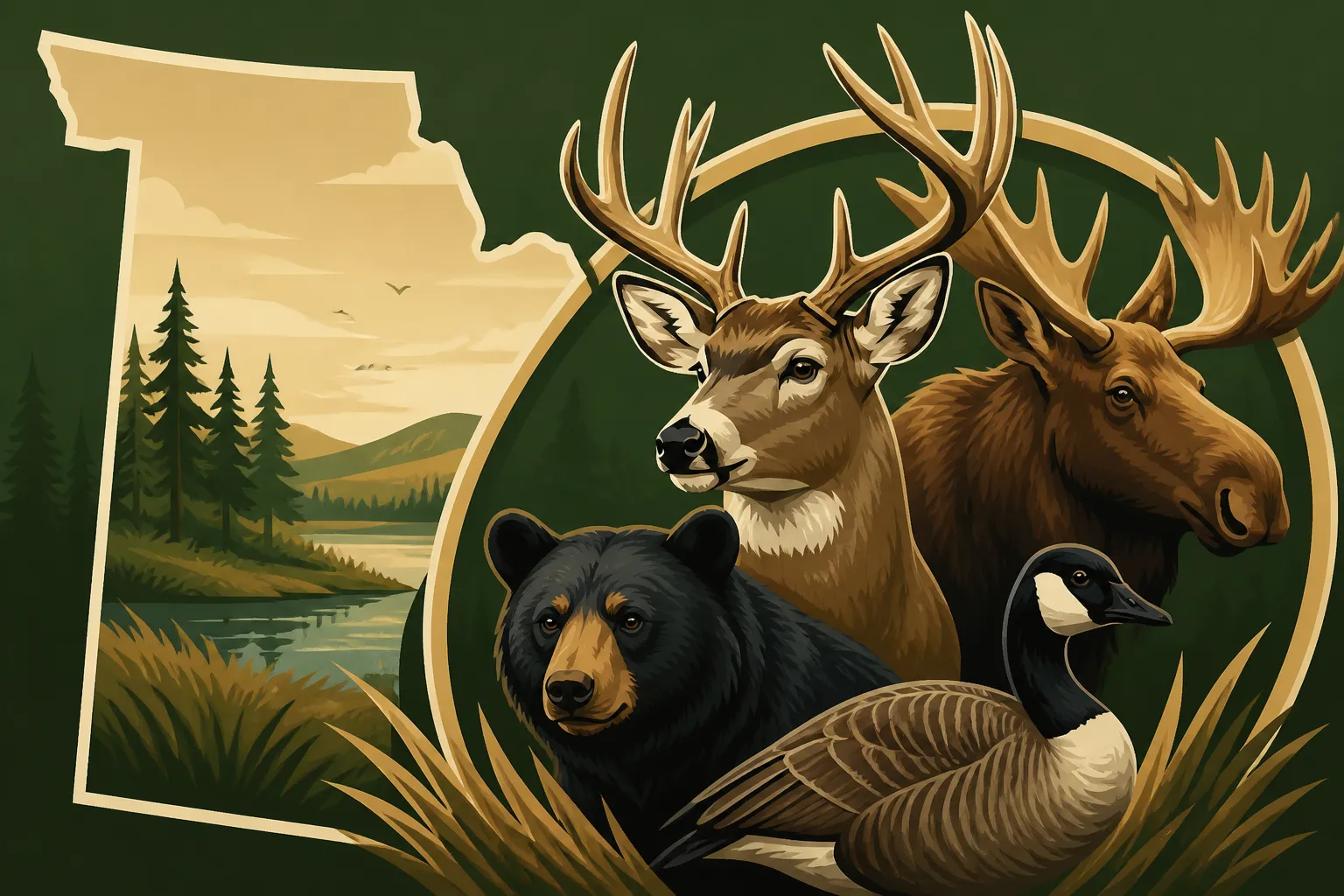
While whitetail deer and moose might be the first animals that come to mind when you hear "trophy record book," Manitoba is home to many other species that qualify. Black bears, for instance, are judged on skull measurements, not hide size, although a big hide often accompanies a big skull. Elk are also a major contender, with their magnificent antlers measured for length, spread, and mass, similar to deer, but on a much grander scale. Even caribou from the far north have their place in the record books, recognized for their unique and expansive antlers. Each species has its own set of rules and minimum scores, making the pursuit a varied and exciting challenge for dedicated hunters across the province.
The Esteemed Organizations Behind the Records
You might be surprised to learn that there isn't just one monolithic record-keeping body. While many hunters are familiar with the major international organizations, there are also provincial and local groups dedicated to celebrating Manitoba's unique hunting heritage. These organizations provide the structure and standards that allow hunters to officially recognize their exceptional harvests. They are the custodians of hunting history, ensuring that proper measurements are taken and that the integrity of the record book is maintained.
Boone and Crockett Club
The Boone and Crockett Club is perhaps the most widely recognized fair chase record-keeping organization in North America, and their system is the gold standard for many big game species. They are all about ethical hunting and wildlife conservation, and entering an animal in their book is a huge achievement. Their scoring system is meticulously designed, focusing on antler or horn dimensions, including main beam length, circumference, and tine length, while also penalizing for non-typical points in the typical categories. They have very specific minimum scores, and animals must undergo a drying period before being officially measured by a certified scorer. For someone hoping to get a Manitoba's Record Whitetail Buck or perhaps even a record-setting moose like The Biggest Moose Ever Taken in Manitoba, this is often the target.
Pope and Young Club
For archers, the Pope and Young Club is the equivalent of Boone and Crockett. They are dedicated exclusively to bowhunting, promoting fair chase and the conservation of bowhunted big game. If you're passionate about Bowhunting Manitoba's Early Season or hunting the later archery dates, this is the book you'll be aiming for. Their scoring system mirrors Boone and Crockett's but is specifically for animals taken with a bow and arrow. It's a testament to the skill and patience required in bowhunting, where getting within range of a trophy animal is an even greater challenge. For hunters who practice extensively with their bow and use resources like GoHunt to scout prime locations, achieving a Pope and Young entry is a pinnacle of their dedication.
Provincial Record Books and Local Recognition
Beyond the national and international stage, many provinces, including Manitoba, have their own mechanisms for recognizing outstanding local harvests. These provincial records often include species or categories that might not be as prominent in the larger books, or they celebrate animals that meet slightly different local standards. This offers a fantastic opportunity for local hunters to be recognized within their own community and province, fostering a sense of shared heritage and pride. It's a wonderful way to see What Counts for a Manitoba Trophy Record beyond the global perspective and to highlight the unique attributes of Manitoba's diverse game populations. These local books are often maintained by provincial wildlife federations or hunting associations, offering a more accessible entry point for many hunters.
The Meticulous Process of Scoring a Trophy Animal
So, you've harvested an animal you believe might be a record contender. What's next? It's not as simple as taking a quick measurement. The scoring process is detailed, precise, and requires adherence to strict guidelines to ensure accuracy and fairness across all entries. This is where patience and attention to detail really come into play.
Initial Field Care and Drying Periods
The first crucial step happens right after the harvest: proper field care. How you handle the skull and antlers or horns immediately after taking the animal can impact its final score. For antlered game, it's imperative to keep the skull plate intact and clean. Avoid cutting too close to the pedicles, as this can compromise the integrity of the antler attachment. Once the skull is clean, the antlers need to undergo a mandatory drying period, usually 60 days, to allow for any shrinkage. Antlers are primarily bone, and they lose moisture after the animal's death, which can slightly reduce their dimensions. Measuring too soon could result in an inflated score that won't hold up to re-measurement. This drying time is critical to ensure a consistent and fair measurement standard.
Finding a Certified Measurer and the Scoring Session
Once your trophy has properly dried, the next step is to find a certified measurer. These individuals have undergone rigorous training and passed exams to ensure they understand and apply the complex scoring rules set by organizations like Boone and Crockett or Pope and Young. You can usually find a list of certified measurers through the respective organizations' websites or by contacting your provincial hunting association.
The scoring session itself is a fascinating process. The measurer will use special flexible steel tapes, calipers, and other tools to take precise measurements of every aspect of the rack:
- Main Beam Length: Measured along the outside curve of the antler.
- Longest Tine Lengths: Measured from the top of the main beam to the tip of each individual tine.
- Circumferences: Taken at specific points along the main beam, often between tines.
- Inside Spread: The widest distance between the main beams, taken at right angles to the centerline of the skull.
- Total Spread: The maximum width of the antlers, including any points.
For typical racks, symmetry is paramount, and any non-symmetrical measurements or abnormal points are often deducted from the final score. Non-typical racks, on the other hand, embrace uniqueness, adding all points (typical and non-typical) to a gross score, with fewer deductions for asymmetry. Understanding Scoring a Typical Whitetail Rack versus a non-typical one is key.
Here's a simplified comparison of scoring elements:
| Scoring Element | Typical Antlered Game | Non-Typical Antlered Game | Black Bear (Skull) |
|---|---|---|---|
| Main Beam | Length, Circumference | Length, Circumference | N/A |
| Tines | Length, Symmetry Deductions | All points added | N/A |
| Spreads | Inside Spread (critical) | Inside Spread (less critical) | N/A |
| Abnormal Points | Deducted | Added to score | N/A |
| Symmetry | Highly valued, deductions for asymmetry | Not a deduction factor | N/A |
| Skull | N/A | N/A | Length + Width (sum) |
| Drying Period | 60 days mandatory | 60 days mandatory | 60 days mandatory |
This table illustrates the fundamental differences in how various trophy categories are measured, emphasizing the unique characteristics prized for each.
Manitoba's Top Trophy Contenders
Manitoba truly is a land of giants when it comes to big game. The rich soil, diverse habitats, and sometimes brutal winters contribute to the genetics and resilience of its wildlife, producing some truly impressive animals. Many hunters come to Manitoba specifically targeting a record-book entry, knowing the potential exists here.
Whitetail Deer: The King of the Parkland
Manitoba is renowned for its colossal whitetail deer, especially from the Parkland and agricultural regions. The combination of nutrient-rich forage, dense cover, and mature age classes allows bucks to grow impressive racks year after year. Hunters often marvel at Why Manitoba Bucks Grow Heavy Bodies and the sheer mass these animals can carry. The province consistently ranks high for Boone and Crockett and Pope and Young entries, particularly in the non-typical category, where unique antler formations are celebrated. Stories abound of monstrous bucks taken from the Interlake region or the agricultural fringe along the western side of the province. Understanding how factors like wet years impact Reading Antler Growth After a Wet Year can even give hunters an edge in anticipating potential trophy years. You can delve deeper into Manitoba's Top Typical Whitetails and Manitoba's Top Nontypical Whitetails for some inspiring examples.
Moose: Giants of the Boreal Forest
Moving north into Manitoba's vast boreal forest and Shield country, the moose reigns supreme. These incredible animals, with their massive palmate antlers, offer a challenging hunt and the potential for truly world-class trophies. Areas like the Grass River country or the remote northern blocks have a reputation for producing bulls with impressive spreads and palmation. While a moose hunt in these areas is often an adventure into true wilderness, the rewards can be monumental. Hunters often utilize services like GoHunt to analyze satellite imagery and topo maps, pinpointing remote access points and potential moose habitat that could hold a true giant. The sheer size and power of a Manitoba moose make any successful hunt memorable, but a record-book entry elevates it to legendary status.
Black Bears: Skull Size in the Bush Country
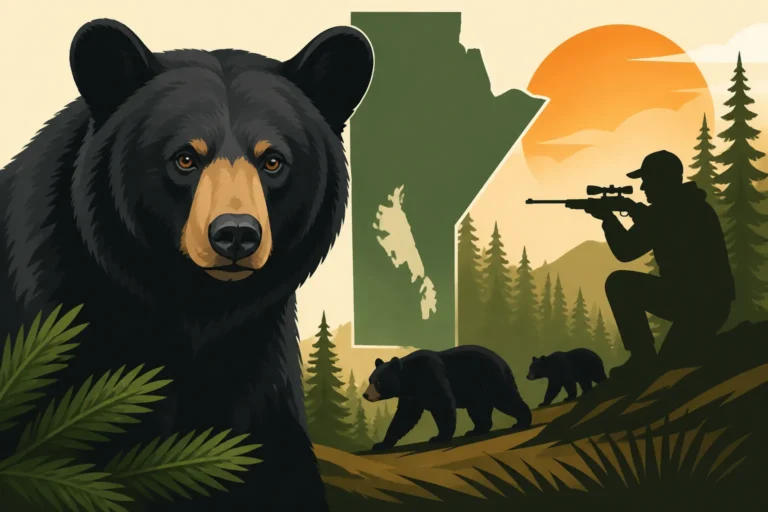
Manitoba's black bear population is thriving, and the province is known for producing bears with exceptionally large skulls. Unlike antlered game, bear trophies are judged solely on the sum of their skull's length and width, after a 60-day drying period. The rich berry crops and varied diet in Manitoba's extensive bush country, from the Interlake to the eastern Shield, contribute to the robust size of these bears. While many hunters are drawn to the thrill of a spring bear hunt, a mature fall bear, fattened from a summer of foraging, often holds the greatest potential for a record-book skull. Hunters using traditional baiting methods often target mature boars, which typically have larger skulls than sows. Knowing how to accurately Judging a Boar From a Sow With Cubs is crucial for ethical harvesting and achieving that trophy goal. Manitoba’s Colour Phase Black Bears in Manitoba also add an extra layer of excitement to the hunt, though hide color doesn't impact score.
Ethical Considerations and the Spirit of Fair Chase
The pursuit of a record-book animal is undoubtedly exciting, but it's vital to remember that ethical hunting practices and the spirit of fair chase must always come first. A trophy isn't just about the size of the animal; it's about the manner in which it was harvested, the respect shown to the animal, and the contribution to wildlife conservation.
Fair Chase Principles
Fair chase is the foundation of ethical hunting, meaning that the hunter does not have an unfair advantage over the animal. This involves things like not hunting animals from a vehicle, not using artificial lights, and respecting legal shooting hours. In Manitoba, these principles are enshrined in hunting regulations. The idea is to give the animal a reasonable chance to escape, making the hunt a true test of skill, patience, and knowledge of the outdoors. Organizations like the Boone and Crockett Club were founded on these very principles, and any entry into their books implicitly requires adherence to fair chase. It's about earning the trophy, not simply taking it.
Beyond the Score: Conservation and Respect
While a record-book entry is a wonderful personal achievement, the larger goal of hunting has always been conservation. Hunter dollars fund wildlife management, habitat restoration, and research, ensuring healthy game populations for future generations. When you pursue a trophy animal, you're not just looking for a score; you're often targeting an older, mature animal that has already contributed to the gene pool. The meat from that animal should always be utilized, showing respect for the life taken. Whether it’s a Whitetail Hunting in Manitoba excursion or a bear hunt, ensuring proper Meat Care in Manitoba's Cold Snaps is part of the ethical responsibility. The ultimate trophy is not just the antlers or skull, but the satisfaction of a hunt conducted ethically, respectfully, and with a deep appreciation for the wild places and creatures of Manitoba.
Disclaimer
This article is for general informational purposes only and does not constitute professional advice. Laws, prices and regulations vary by location and change over time. Consult a qualified professional for guidance on your specific situation.