Why the Interlake Concentrates Birds
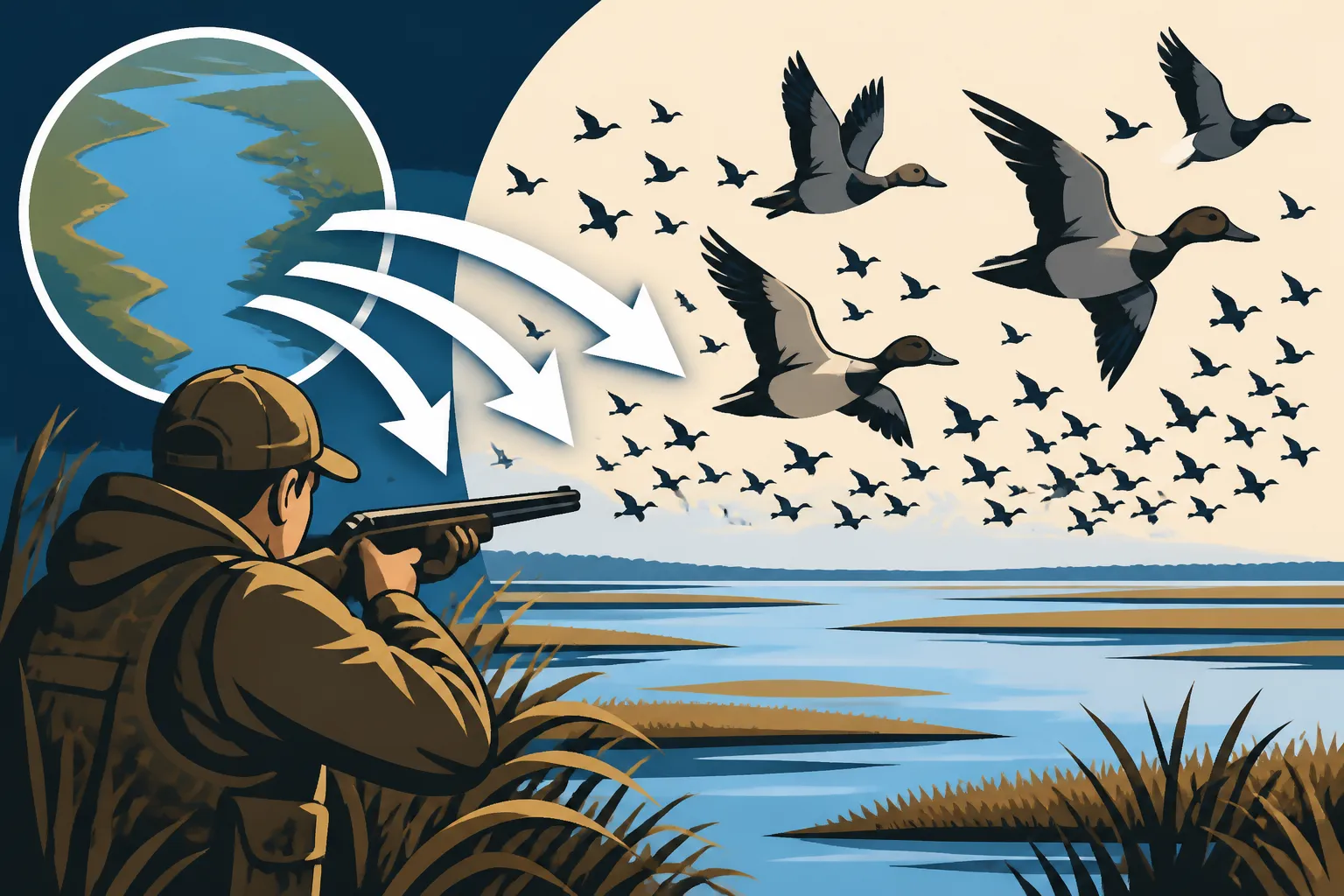
It can be incredibly frustrating to spend hours scouting or driving endless country roads, only to find sparse game birds when you know they're somewhere. You hear whispers about certain areas, places where the birds seem to just flock in, and the Interlake region of Manitoba is one of those places. This guide is going to peel back the curtain and explain exactly why the Interlake concentrates birds, making it a true hotspot for both hunters and birdwatchers alike.
The Interlake's Unique Geographical Advantages
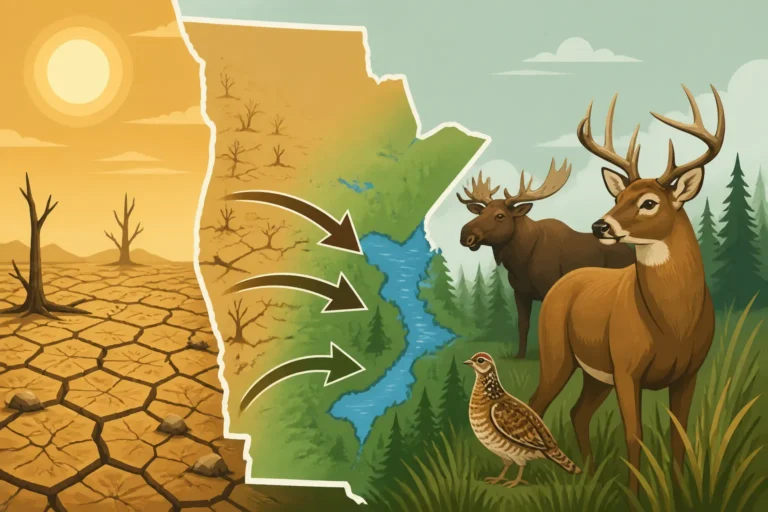
When you look at a map of Manitoba, the Interlake region just jumps out at you. It’s that wedge of land nestled squarely between the two massive freshwater inland seas of Lake Winnipeg and Lake Manitoba, with Lake St. Martin, Lake Winnipegosis, and countless smaller lakes and sloughs peppered throughout. This isn't just pretty scenery; it's a topographical and hydrological jackpot for migratory birds. The very landscape is designed to collect and hold water, creating an irresistible draw for anything with feathers.
The Lake-Dotted Landscape: Potholes, Marshes, and Big Lakes
Imagine flying south, covering hundreds of miles, and then seeing an endless tapestry of blue and green below. That's what the Interlake offers birds. The region is famous for its dense concentration of prairie potholes, which are those shallow, often temporary wetlands that pop up across the landscape. These aren't just puddles; they're vibrant ecosystems brimming with aquatic insects, submerged vegetation, and invertebrates – all prime food sources for ducks, geese, and a myriad of shorebirds. Beyond the potholes, you have sprawling marshes, particularly along the shores of the larger lakes. These marshes, rich in cattails, bulrushes, and sedges, provide critical nesting cover, brood-rearing habitat, and safe roosting sites. The sheer volume and variety of these wetlands create a mosaic of perfect stopover and breeding grounds.
And then there are the big lakes themselves. Lake Winnipeg and Lake Manitoba, along with Lake St. Martin, act as immense staging areas. Ducks and geese, especially, will congregate here in unbelievable numbers before continuing their migration. The open water provides safety from land predators, while the abundant aquatic life and nearby grain fields offer unlimited sustenance. It’s like a five-star hotel with an all-you-can-eat buffet for weary travelers. This makes areas such as the Delta Marsh Wildlife Area particularly renowned.
Limestone Bedrock and Water Retention
What lies beneath the surface in the Interlake is just as important as what's on top. Much of the Interlake region sits atop a relatively shallow layer of limestone bedrock. This geological feature plays a crucial role in how the landscape holds water. Unlike areas with porous soil that quickly drains, the limestone bedrock creates a kind of natural bathtub effect. It impedes the downward percolation of water, forcing it to remain closer to the surface. This means that even during drier periods, many potholes and sloughs retain water longer than they would in other regions.
This consistent water availability is a huge magnet for waterfowl. Ducks need reliable water sources for feeding, loafing, and escaping predators. Geese need it for roosting. The limestone's role in maintaining these critical wetland habitats can't be overstated. It provides a stable environment that birds can depend on year after year, reinforcing the Interlake's reputation as a vital wetland complex within the continent.
Unique Boreal Transition Zone
The Interlake isn't just prairie and wetlands; it's also a fascinating ecological crossroads, sitting right at the transition between the vast boreal forest to the north and the rich agricultural prairie to the south. This unique blend creates a diverse range of habitats that support an incredible variety of bird species beyond just waterfowl. You'll find pockets of aspen parkland, dense willow thickets, and even some stands of spruce and fir, particularly as you head further north within the region.
This diverse vegetation provides cover, nesting sites, and food for upland birds like ruffed grouse, sharp-tailed grouse, and even Hungarian partridge along the farmland edges. It's not uncommon to be jump-shooting a slough for ducks and then flush a covey of Huns from a nearby shelterbelt. This ecological blending means the Interlake offers a multi-species experience that many other regions simply can't match, drawing hunters who appreciate the chance to pursue different types of game birds in a single trip.
Agricultural Practices and Abundant Food Sources
Beyond the natural wetlands, human activity in the Interlake has inadvertently created an avian paradise. The region's agricultural landscape, with its vast fields of grain, offers an unparalleled smorgasbord for birds, particularly during migration. It's a perfect example of how natural habitat and cultivated land can coalesce to create an ecosystem that thrives with wildlife.
Bountiful Grain Fields: Feeding the Masses
The Interlake is a mosaic of wetlands and productive farmland, and it’s this combination that creates such incredible concentrations of birds. Farmers here grow immense acreages of wheat, barley, canola, and corn. For migrating geese and sandhill cranes, these fields are literal goldmines. As soon as the harvest begins, the birds descend, feeding on the bounty. The sheer caloric intake available is what allows huge flocks to stage here, sometimes for weeks, building up the fat reserves they need for their long journey south.
Imagine thousands upon thousands of Canada geese, snow geese, and specklebellies descending onto a single field, turning it into a living, honking carpet. This isn't just a picturesque sight; it's a testament to the food availability. Hunters know that scouting these fields is paramount, and understanding Setting a Goose Spread in Swathed Barley or other stubble fields is key to success. Many hunters rely on digital tools, and apps like GoHunt can be invaluable for quickly scanning satellite imagery to identify harvested fields and potential flight lines before heading out.
Post-Harvest Stubble and Waste Grain
It's not just the standing crops, but what's left behind after the combines roll through that really seals the deal for birds. Post-harvest stubble fields are absolutely critical. Combines, no matter how efficient, always leave a significant amount of waste grain behind. For a duck or a goose, this waste grain is an easily accessible, high-energy food source. A field that might look empty to us is, in fact, still covered in scattered kernels of wheat, barley, or canola.
This waste grain is particularly important for species like sandhill cranes and various goose species. They can spend all day walking these fields, gleaning enough calories to sustain their massive bodies. The stubble itself also provides a degree of cover from aerial predators and a place to rest. This abundance of waste grain means that birds don't have to expend a lot of energy foraging, making the Interlake an extremely attractive stopover point on their migration routes.
Cattle Pastures and Insects
While grain fields get a lot of the attention, the Interlake also has a significant amount of pastureland, supporting cattle operations. These pastures, especially those with sloughs and low-lying areas, contribute another layer of food security for birds. Cattle grazing often keeps vegetation short, making it easier for ground-feeding birds to spot insects, grubs, and seeds. The presence of livestock also means a certain amount of disturbance, which can churn up soil and expose more food items.
Furthermore, cattle pastures attract their own ecosystem of insects, from flies to beetles, which in turn become food for various bird species. This adds to the diversity of the diet available to birds in the Interlake, especially for species like sandhill cranes, which have a more varied diet than just grain. The combination of wetlands, grain fields, and pastures creates an incredibly rich and varied food buffet that caters to the dietary needs of a vast array of avian visitors.
Critical Migration Patterns
The Interlake's strategic position on the continent’s major migration routes is arguably its most significant factor in concentrating birds. It’s not just that birds pass through, but how and why they use this region as a critical waypoint. Understanding these patterns is fundamental for any hunter or bird enthusiast.
Central Flyway Crossroads: A Natural Funnel
If you were to draw a line connecting the breeding grounds of the Arctic and boreal forests to the wintering grounds in the southern U.S. and Mexico, that line would run right through Manitoba. The Interlake sits squarely within the Central Flyway, one of North America's four major avian superhighways. This means that millions of birds—ducks, geese, cranes, shorebirds, and songbirds—are naturally funnelled through this region every spring and fall.
The sheer scale of this migration is difficult to comprehend until you've witnessed it. The birds are practically forced to pass over or through the Interlake due to geographical features like the Great Lakes to the east and the drier plains to the west. This natural funnel effect ensures that the Interlake consistently sees a massive influx of migratory birds, creating incredible spectacles and prime hunting opportunities. Learning more about Manitoba's Ducks and Geese by Flyway can give you a deeper appreciation for this phenomenon.
Staging Areas: Pre-Migration Fueling Stations
The Interlake acts as a giant staging ground where birds can rest, refuel, and gather in large numbers before undertaking the next leg of their journey. Think of it as a crucial layover airport with ample food and lodging. Ducks and geese especially will spend significant time here in the fall, gorging themselves on waste grain and aquatic vegetation, building up the energy reserves vital for surviving the long flights and harsh winter conditions ahead.
These staging periods are when bird concentrations reach their peak, making for unforgettable hunting experiences. It's during these times that you'll see the skies literally darken with birds, and hear the constant symphony of honks, quacks, and squawks. Hunters often target these staging periods, scouting for patterns of movement between feeding fields and roosting waters. Knowing Goose Season Dates by Zone is critical for planning a hunt around these peak concentrations.
Weather Patterns and Layover Zones
Weather plays an enormous role in bird migration, and the Interlake’s position makes it a frequent beneficiary of weather-related layovers. Strong north winds can push birds south quickly, piling them into the Interlake. Conversely, sudden cold fronts, early snowfalls, or adverse head-winds can force birds to take shelter and regroup. When these weather events occur, the Interlake becomes an even more critical stopover, as birds seek refuge and sustenance.
Hunters often pay close attention to weather forecasts, knowing that a shift in conditions can either bring new birds into the area or hold existing populations for longer. A heavy snow to the north might mean thousands of new snow geese arriving overnight. This dynamic interaction between geography, food, and weather means that the Interlake is almost perpetually attracting and holding birds throughout the migratory seasons.
Diverse Habitat and Species Abundance
The Interlake's strength isn't just in its ability to concentrate some birds, but in the sheer diversity of avian species it supports. This mosaic of habitats means that from ducks and geese to upland birds and even unique species like sandhill cranes, there's a place for everyone, and a draw for every type of bird.
Ducks, Geese, and Cranes: Waterfowl Haven
The term "waterfowl haven" truly applies to the Interlake. Mallards, pintails, canvasbacks, redheads, and blue-winged teal are just some of the duck species that either breed or stage here in incredible numbers. The varied wetland types, from shallow potholes to deep marshes, cater to the specific needs of different duck species, ensuring robust populations. For instance, dabbling ducks like mallards thrive in the shallow, food-rich potholes, while diving ducks might prefer the deeper marshes and lake edges.
Then there are the geese: Canada geese, snow geese, and white-fronted geese (specklebellies) use the Interlake extensively. Their numbers can be staggering, particularly during the fall staging. Add to this the majestic sandhill cranes, whose prehistoric calls are a signature sound of the Interlake autumn. These large, graceful birds also utilize the grain fields for feeding and wetlands for roosting, often in huge congregations. Hunters seeking Hunting Manitoba's Sandhill Cranes find excellent opportunities here.
Upland Birds in the Bush and Field Edges
While waterfowl get most of the glory, the Interlake is also home to a healthy population of upland game birds. The interface between agricultural fields and the bush country provides ideal habitat for sharp-tailed grouse and Hungarian partridge. Sharp-tailed grouse prefer the open grasslands and sparse brush, often found on the edges of fields or in uncultivated areas. They're wary birds, but their explosive flush is a thrill for any hunter. You might find them by Walking Up Sharp-Tailed Grouse in Manitoba along a field edge.
Hungarian partridge, or "Huns," are often found in coveys along shelterbelts, fence lines, and stubble fields. They are challenging birds to hunt, often holding tight until you're right on top of them before erupting in a flurry of wings. Further into the treed areas and bush, ruffed grouse can be found, particularly along old logging trails and clearings. This diversity of upland habitat means that a hunter might start their day in a goose blind and end it walking the bush for grouse, experiencing a truly varied hunt.
Diverse Predator/Prey Ecosystem
A healthy bird population relies on a balanced ecosystem, and the Interlake supports a robust predator/prey dynamic. While some predators might seem like a deterrent, a healthy predator population – including coyotes, foxes, and various raptors – keeps prey populations strong by culling the weak and ensuring a vigorous gene pool. The wetlands and dense cover provide ample escape routes and breeding grounds, allowing prey species to flourish despite predation pressure.
This balance means that while hunters share the landscape with natural predators, the overall health and numbers of game birds remain strong. It's a testament to the richness of the habitat that it can support such a complex web of life.
Conservation Efforts and Sustainable Hunting
The incredible concentrations of birds in the Interlake are not just a happy accident; they are also a result of decades of conservation efforts and a commitment to sustainable management. Hunters, landowners, and conservation organizations all play a vital role in maintaining this precious resource.
Wildlife Management Areas (WMAs) and Refuges
Manitoba has established numerous Wildlife Management Areas (WMAs) and refuges throughout the Interlake to protect critical habitats and ensure safe havens for wildlife. These areas often encompass large tracts of prime wetland and upland habitat, specifically designed to support breeding, staging, and wintering bird populations. For hunters, WMAs offer accessible public land, though specific rules and regulations apply. You can learn more about Hunting a Manitoba Wildlife Management Area to understand the nuances.
These protected areas are invaluable. They ensure that even with agricultural development and human activity, there are always undisturbed zones where birds can rest and thrive. This balance of protected land and working landscape is key to the sustained success of the Interlake as a bird magnet. These sanctuaries allow birds to build numbers, which then spill over into surrounding hunting areas, benefiting everyone.
Local Stewardship and Landowner Involvement
While government and conservation groups do a lot, the heart of conservation in the Interlake often lies with local landowners. Many farmers and ranchers recognize the value of the wetlands and natural areas on their property, and they actively participate in stewardship programs. This might involve maintaining wetland buffers, planting shelterbelts, or implementing no-till farming practices, all of which benefit bird populations.
Building relationships with these landowners is crucial for hunters seeking access to private land. Often, the best hunting spots are on private property, and respect for the land and the farmer's livelihood goes a long way. This is where tools like GoHunt can again be useful, not just for scouting, but for helping hunters visualize property lines so they can approach the correct landowner for permission, adhering to Manitoba Landowner Permission Law. Many landowners are amenable to allowing access, especially when hunters demonstrate respect and responsible behavior.
Sustainable Hunting Practices
Manitoba's hunting regulations, informed by biological data and conservation goals, ensure that hunting in the Interlake remains sustainable. Bag limits, season dates, and specific rules for species like Duck Daily Bag Limit by Species are all designed to manage populations responsibly. Hunters themselves are often the most passionate conservationists, understanding that healthy bird populations are essential for the future of their sport.
The funds generated through hunting license sales and stamps (like the federal Migratory Game Bird Permit) directly contribute to habitat restoration and conservation projects. This cyclical relationship between hunting and conservation is a cornerstone of wildlife management in the Interlake and across Manitoba. It ensures that the incredible bird concentrations we see today will continue to thrive for generations to come.
Unparalleled Hunting Opportunities in the Interlake
For hunters, all these factors combine to create some of the most consistent and exciting bird hunting opportunities in North America. The Interlake isn't just about high numbers; it's about the quality and variety of the experience.
Accessible Public Land and Water
One of the significant advantages of hunting in the Interlake is the amount of accessible public land and water, particularly within the designated Wildlife Management Areas and Crown land. While some areas require more effort to access, many are reachable by vehicle, making it feasible for day trips or weekend excursions. This accessibility reduces the barrier for entry for many hunters who might not have private land connections.
Knowing how to navigate these public lands, whether it’s identifying a good spot for Marsh Hunting Ducks in the Interlake or finding a hidden slough, is where effective scouting comes into play. Apps like GoHunt, with their detailed mapping layers, can help hunters pinpoint Crown land boundaries and potential access points, saving valuable time and reducing frustration in the field. This democratized access means more hunters can experience the bounty of the Interlake.
Private Land Access: Building Relationships
While public land is available, some of the absolute best bird hunting in the Interlake, especially for geese and cranes, is found on private agricultural land. Successfully hunting these areas often hinges on building good relationships with landowners. It’s not just about knocking on a door and asking; it’s about respect, courtesy, and sometimes offering a helping hand. Many veteran hunters will tell you that a polite knock, a clear explanation of your intentions, and leaving the land exactly as you found it (or better) are the keys to long-term access.
This often means scouting well in advance, even weeks before the season, to identify potential hot spots and then approaching landowners. Offering to share some of the harvested game or even just a small gift of appreciation can go a long way. When you secure permission, you unlock access to incredible opportunities, often with less competition than on public grounds. It’s a rewarding part of the hunting experience that builds community.
Variety of Species and Season Lengths
The Interlake offers an incredible smorgasbord for bird hunters. You can chase ducks in the morning, shift to geese in the afternoon, and then walk the bush for grouse before sunset. The variety of species means that if one particular bird isn't flying well, you can often switch gears and find success with another. This multi-species potential is a huge draw.
Furthermore, Manitoba's generous season lengths for various game birds mean that opportunities exist for an extended period. From the early migratory bird seasons in September through to the late duck and goose opportunities, there's a long window to experience the Interlake. Checking Manitoba Migratory Bird Permits and seasonal regulations for the specific Game Hunting Areas (GHAs) within the Interlake is, of course, essential to ensure you're compliant and ready for your hunt. This extended access combined with the sheer number and variety of birds makes the Interlake a bucket-list destination for many bird hunters.
| Bird Species | Primary Interlake Habitat | Key Food Sources | Hunting Strategy Notes |
|---|---|---|---|
| Mallard | Potholes, marshes, sloughs, field edges | Waste grain, aquatic insects, seeds, vegetation | Decoys on water, jump-shooting, field blinds |
| Canada Goose | Grain fields (stubble, swathed), large lakes | Waste grain, green browse | Field blinds, large decoy spreads |
| Snow Goose | Grain fields (stubble), open water on large lakes | Waste grain, rhizomes, green shoots | Large mass decoys, electronic calls (late season) |
| White-fronted Goose | Grain fields (stubble), marshes | Waste grain, aquatic vegetation, insects | Field blinds, smaller decoy spreads, specific calls |
| Sandhill Crane | Grain fields (stubble, standing), shallow wetlands | Waste grain, insects, amphibians, small rodents | Field blinds, crane decoys (limited success), pass shooting |
| Sharp-tailed Grouse | Native grasslands, field edges, sparse brush | Seeds, berries, insects, green shoots | Walking up, pointing dogs, flush shooting |
| Hungarian Partridge | Shelterbelts, field edges, stubble | Seeds, insects, waste grain | Walking up with or without dogs, covey flushes |
| Ruffed Grouse | Aspen forests, bush roads, thickets | Buds, catkins, berries, leaves | Walking bush trails, flush shooting |
Disclaimer
This article is for general informational purposes only and does not constitute professional advice. Laws, prices and regulations vary by location and change over time. Consult a qualified professional for guidance on your specific situation.