What a Licensed Manitoba Guide Must Do
For many hunters, especially those new to Manitoba or those seeking specific big game opportunities, the process of navigating regulations and understanding the hunt itself can feel overwhelming. That's where a licensed Manitoba guide becomes an invaluable asset, acting as your expert navigator and ensuring a safe, legal, and ultimately rewarding experience in the field. This guide will walk you through the essential duties and responsibilities that define a licensed guide's role in Manitoba.
The Foundation: Legal Requirements and Licensing
Being a licensed guide in Manitoba isn't just about knowing where the animals are; it's fundamentally about upholding the law and ensuring every aspect of the hunt is conducted within provincial regulations. A guide acts as the primary steward of legal compliance for their clients.
First and foremost, a licensed guide must hold a valid Manitoba Guide Licence, issued by the provincial government. This isn't an optional perk; it's a mandatory requirement to legally operate as a guide in the province. This licence signifies that they have met specific criteria, including potentially undergoing background checks and demonstrating knowledge of wildlife laws. Without this licence, they cannot legally offer guiding services. This is especially critical for non-resident hunters from outside Canada, who are often required to hunt with a licensed guide for certain species and in specific areas as outlined in the province's hunting regulations. Understanding Rules for Non-Residents Hunting Manitoba is key here.
Furthermore, a guide is responsible for ensuring all hunters under their care possess the correct and valid hunting licences and tags for the species and Game Hunting Area (GHA) they are pursuing. They must verify that these documents are properly filled out and immediately validated upon harvesting an animal, according to provincial rules. Incorrectly validated tags can lead to serious legal issues, so the guide's attention to detail here is paramount. They also need to be acutely aware of Manitoba Big Game Season Dates for the specific GHAs they operate in, ensuring no hunting occurs outside the legal window. This includes adherence to specific weapon restrictions, shooting hours, and bag limits that apply to each species.
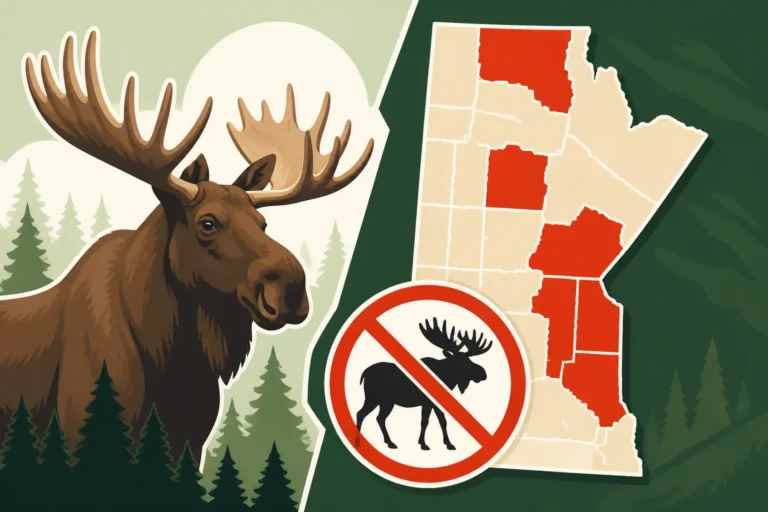
A guide must also possess an intimate knowledge of Manitoba's hunting zones, including any specific conservation closures or unique regulations. For example, knowing Manitoba's Moose Conservation Closures is crucial for any moose hunt, as violating these can have severe consequences for both the guide and the client. They are expected to be up-to-date with any changes in legislation, which sometimes shift season dates or GHA boundaries from year to year. Many guides utilize online resources, much like hunters use platforms such as GoHunt, to stay informed about regulatory updates and map out the best areas within legal frameworks.
| Key Responsibilities of a Licensed Manitoba Guide | Details of Obligation |
|---|---|
| Valid Licensing | Must hold a current, provincially issued Manitoba Guide Licence. |
| Client Documentation | Verify all clients possess valid hunting licences, species-specific tags, and necessary federal permits (e.g., Migratory Game Bird Permit). |
| Regulatory Compliance | Ensure all hunting activities adhere to season dates, GHA boundaries, bag limits, shooting hours, and weapon restrictions. |
| Tag Validation | Oversee the immediate and correct validation of all harvested animal tags by the hunter. |
| Public Land Access | Understand and respect rules for hunting on Crown Land, Wildlife Management Areas, and other public areas. |
| Private Land Permission | Secure proper, documented permission for hunting on private property, respecting Manitoba Landowner Permission Law. |
| Ethical Conduct | Promote fair chase principles, hunter safety, and respectful wildlife management practices. |
| Record Keeping | Maintain accurate records of hunts, including harvested animals, locations, and client details, for reporting to provincial authorities. |
| Reporting Violations | An obligation to report any observed hunting or wildlife violations. |
| Environmental Stewardship | Educate clients on proper carcass disposal, minimizing environmental impact, and respecting the natural landscape. |
Beyond the Law: Practical Duties in the Field
While legal compliance forms the backbone of a guide's duties, their practical responsibilities in the field are what truly define the hunting experience. This involves everything from meticulous preparation to expert tracking and ethical game recovery.
A significant portion of a guide's work happens long before the client even arrives. This includes extensive scouting of potential hunting grounds, identifying game movement patterns, bedding areas, and feeding locations. They are often checking trail cameras, monitoring weather patterns, and observing animal behavior to give their clients the best possible chance of success. This deep understanding of the local ecosystem is why guides are so sought after, especially when trying to hunt specific species like Black Bear Hunting in Manitoba or tracking a mature whitetail. They've spent countless hours in the bush, compiling firsthand knowledge that no map or app, not even a sophisticated tool like GoHunt, can fully replicate on its own.
During the hunt itself, the guide is responsible for leading the expedition, which means safely transporting clients to and from hunting locations, navigating challenging terrain, and providing expert advice on shot placement, animal identification, and hunting techniques. They instruct clients on proper field dressing techniques, ensuring meat is handled correctly to prevent spoilage, especially crucial during warm early seasons or late, freezing conditions. They also assist in the tracking and recovery of wounded game, an ethical imperative that demonstrates respect for the animal. This often involves arduous work, sometimes in difficult conditions, to ensure an animal is found and not left to suffer or waste.
In camp, a guide's duties extend to ensuring the comfort and safety of their clients. This can involve setting up blinds, maintaining camp equipment, and even preparing meals, depending on the type of guided package. They are the frontline responders in case of an emergency, possessing first aid knowledge and communication equipment to call for help if needed. From teaching proper firearm handling to being aware of potential hazards in the bush, their role is to mitigate risks and create a secure environment. For those looking at Bowhunting Manitoba's Early Season, a guide will also ensure ethical shot distances and proper equipment use for the specific weapon choice.
Ensuring Safety, Ethics, and Fair Chase
A truly excellent licensed Manitoba guide doesn't just put you on game; they instill a deep respect for the animals, the land, and the traditions of hunting. Safety and ethical conduct are non-negotiable pillars of their profession.
The guide is ultimately responsible for the safety of everyone in their hunting party. This includes ensuring safe firearm handling practices are followed at all times, reviewing hunting plans, and being acutely aware of surroundings. They must ensure clients understand and adhere to blaze orange requirements, especially during the general rifle seasons. In challenging environments, like navigating dense boreal forests or vast agricultural fields, the guide's expertise in terrain and weather conditions is crucial to preventing accidents or getting lost. This proactive approach to safety is a core duty, protecting not only the clients but also the public and the reputation of hunters.
Beyond physical safety, guides are expected to uphold the highest ethical standards, promoting fair chase principles. This means ensuring animals are hunted in a manner that gives them a reasonable chance of escape, avoiding unethical practices like hunting from vehicles or baiting where prohibited. They educate clients on judging trophy animals, if applicable, and making responsible decisions in the field. This commitment to fair chase helps preserve the integrity of hunting as a sport and a conservation tool. A good guide knows that the experience is just as important as the harvest, and they strive to create memorable, ethical hunts.
Guides also play a crucial role in promoting sound conservation practices. This includes emphasizing the importance of not wasting game meat, proper disposal of animal remains, and minimizing impact on the natural environment. They often educate clients on wildlife biology, habitat needs, and the importance of hunting as a management tool. Furthermore, a licensed guide has an obligation to report any observed hunting or wildlife violations to the appropriate authorities. They are, in essence, an extension of wildlife enforcement in the field, tasked with protecting Manitoba's wildlife resources. This extends to understanding nuances like Manitoba Rules on Baiting Big Game and ensuring all practices align with current regulations.
Administrative Tasks and Ongoing Professionalism
The role of a licensed guide isn't confined to the forest or the field; it also involves essential administrative duties and a commitment to ongoing professionalism. These less glamorous tasks are vital for maintaining their licence and contributing to responsible wildlife management.
Every licensed guide is required to maintain accurate records of their hunts. This includes details of clients, species pursued, harvest success, and specific GHAs hunted. These records are not just for their own business; they are often submitted to Manitoba Sustainable Development or other provincial authorities. This data is critical for wildlife managers to monitor populations, assess harvest impacts, and make informed decisions about future seasons and regulations. For instance, data collected by guides helps inform decisions related to Whitetail Hunting in Manitoba and population trends. A guide’s diligent record-keeping directly contributes to the sustainability of Manitoba’s game species.
Furthermore, a professional guide is expected to continuously update their knowledge and skills. This could involve attending workshops, staying informed about new hunting technologies or conservation science, and even exploring advanced scouting techniques. They are often members of professional guiding associations, which uphold industry standards and provide ongoing training opportunities. This commitment to professional development ensures that clients receive the most up-to-date and effective guiding services available.
Finally, licensed guides are ambassadors for Manitoba's hunting heritage. Their interactions with landowners, local communities, and other hunters reflect on the entire industry. They must act with respect and integrity, fostering positive relationships that benefit future hunting opportunities. They understand that earning Getting Private Land Permission in Manitoba often comes down to reputation and courtesy. By adhering to these standards, they help ensure that Manitoba remains a premier destination for hunters for generations to come. Many utilize planning resources, much like hunters using GoHunt to organize their hunts, to streamline these administrative efforts and focus more on the field.
Disclaimer
The information provided in this guide is for general informational purposes only and does not constitute legal advice. Hunting regulations in Manitoba can change, and it is the hunter's responsibility to review the most current official Manitoba Hunting Guide and relevant provincial legislation before engaging in any hunting activities. Always prioritize safety and ethical hunting practices.