The Safe Hunting and Shared Management Act
Navigating the ever-evolving landscape of hunting regulations can feel like trying to hit a moving target, especially when you're just trying to enjoy the outdoors responsibly. It's frustrating to constantly wonder if you're up to date on the latest rules, and the thought of inadvertently breaking a law because you missed a memo can be truly daunting. This comprehensive guide will break down Manitoba's Safe Hunting and Shared Management Act, explaining its purpose, its key provisions, and how it impacts every hunter in our beautiful province, helping you stay informed and confident in the field.
Understanding the Genesis of the Act
Before we dive into the nitty-gritty, it's helpful to understand why the Safe Hunting and Shared Management Act came into being. It wasn't just a sudden change; it was a response to a growing need for clearer, safer, and more collaborative hunting practices across Manitoba. For a long time, regulations felt a bit piecemeal, and there was a real desire to consolidate and modernize the legal framework for hunting.
Why the Act Was Needed
For years, the provincial government managed wildlife resources primarily through older legislation, which, while functional, sometimes struggled to keep pace with modern conservation principles, public safety expectations, and the increasing recognition of Indigenous rights and traditional knowledge. There were instances where different regulations seemed to contradict each other, or where clarity was simply lacking, leaving hunters confused and enforcement officers with complex interpretations. Concerns about hunting safety, especially in areas with increasing population density, also became more prominent. The old system, while well-intentioned, often created a sense of "us vs. them" between hunters, landowners, and different levels of government or even various user groups of public lands. There was a strong call from various stakeholders to create a more unified, transparent, and adaptive system that could address these challenges head-on. This Act was designed to be that foundational shift, aiming to reduce ambiguity and foster a more cohesive approach to wildlife management.
The Core Philosophy Behind Shared Management
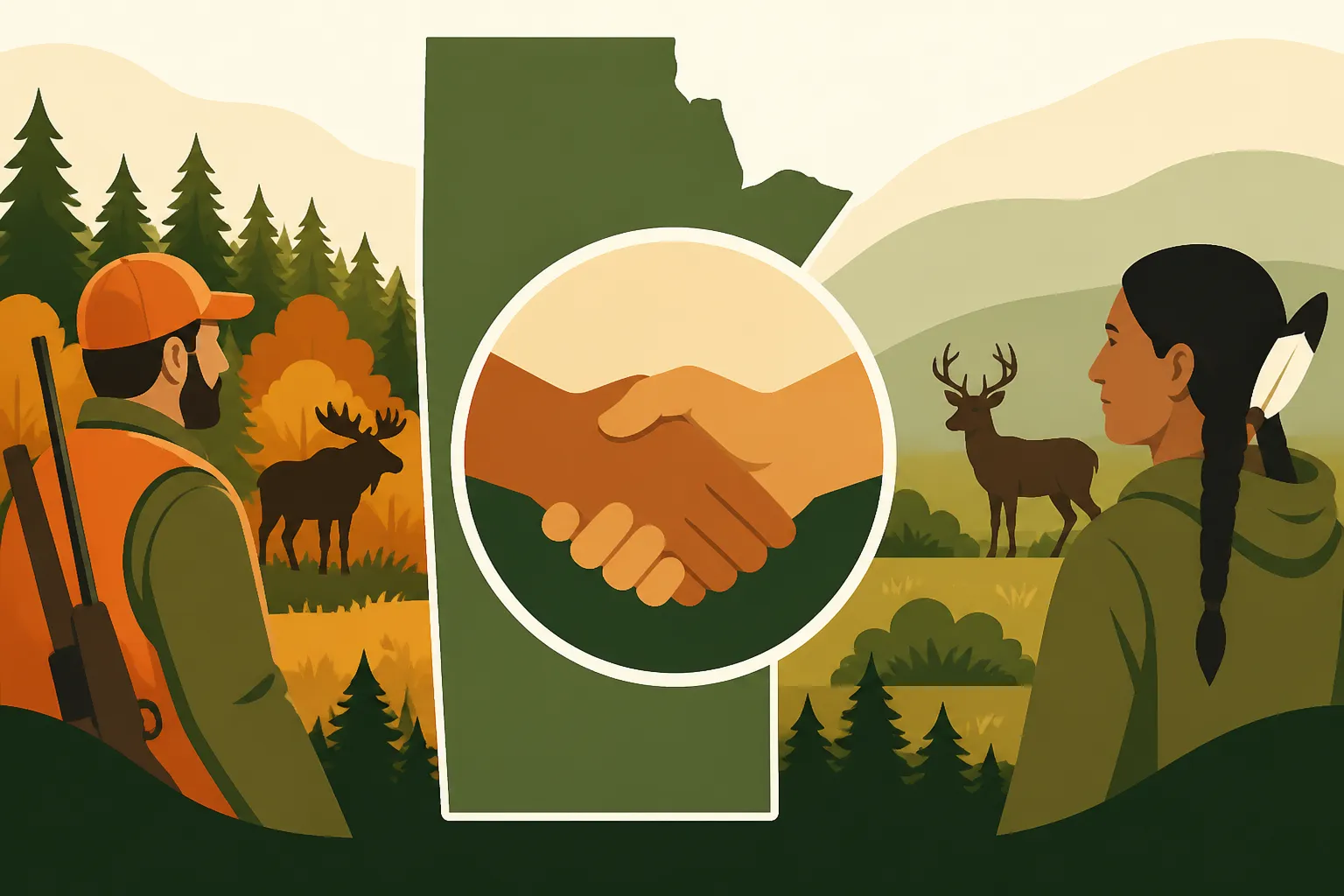
At its heart, the Safe Hunting and Shared Management Act isn't just about rules; it's about a philosophy. The "shared management" aspect is particularly significant, signifying a departure from a purely top-down, provincial government-led approach to wildlife and hunting regulation. This philosophy acknowledges that wildlife resources are a shared asset, and their management benefits greatly from the input and collaboration of a diverse range of stakeholders. This includes not only hunters and landowners but also Indigenous communities, whose traditional knowledge and practices offer invaluable insights into sustainable resource use. It involves consultation, open dialogue, and a commitment to integrating different perspectives into decision-making processes. For hunters, this means that the rules you follow aren't just dictated from afar; they are, in theory, the result of a broader consensus, aimed at ensuring the long-term health of wildlife populations and safe, ethical hunting opportunities for everyone. It's about moving towards a more inclusive and robust framework that recognizes the interconnectedness of people, land, and wildlife in Manitoba.
Key Pillars of Safe Hunting in Manitoba
Safety isn't just a suggestion when you're in the field; it's a non-negotiable requirement. The Safe Hunting and Shared Management Act places a strong emphasis on ensuring that every hunter understands and adheres to a set of fundamental safety principles. These aren't arbitrary rules but carefully considered measures designed to protect not only hunters themselves but also fellow outdoor enthusiasts and the broader community.
Mandatory Hunter Education Requirements
One of the cornerstones of safe hunting in Manitoba is the requirement for proper education. If you're a new hunter, or if you're taking up hunting after a long break, chances are you'll need to complete a hunter education course. This isn't just about learning which end of the gun the bullet comes out of; it’s a comprehensive program that covers everything from firearm safety and handling, ethical hunting practices, wildlife identification, and conservation principles to basic survival skills and legal responsibilities. The goal is to ensure that anyone entering the field has a solid understanding of how to hunt safely and responsibly, minimizing risks to themselves and others. For many, completing the Manitoba Hunter Education Requirements is the first step on their hunting journey, and it's a crucial one for instilling good habits from the outset.
The course typically involves classroom instruction and often a practical component, ensuring that theoretical knowledge is paired with hands-on experience. Even experienced hunters often find value in refresher courses or staying updated on new information that comes out through these programs. It’s about creating a culture of safety and respect within the hunting community, where everyone is accountable for their actions and knowledgeable about the potential hazards involved in hunting.
Firearms and Equipment Regulations
The Act also lays down specific rules regarding the types of firearms and equipment that can be used for hunting, as well as how they must be handled and transported. This includes details on legal calibres for big game, minimum draw weights for bows, and specific conditions for using crossbows. For instance, you can't just head out with any firearm; there are restrictions to ensure that the chosen equipment is appropriate for the species being hunted and that it's used safely. Legal Firearms and Bows for Big Game outlines these specifics, helping hunters make informed choices.
Beyond the equipment itself, the regulations extend to how you transport your gear. Firearms must be unloaded and securely cased when transported in a vehicle, and bows should be unstrung or cased. These rules are designed to prevent accidental discharges and ensure that weapons are not readily accessible during transit, reducing the risk to the public and ensuring responsible ownership. Adhering to these regulations is a critical part of being a legal and safe hunter in Manitoba, demonstrating respect for the law and the safety of others.
Blaze Orange and Visibility Standards
Perhaps one of the most visible safety requirements for hunters in Manitoba is the use of blaze orange. This isn't just a fashion statement; it's a vital safety measure designed to ensure hunters are highly visible to each other, especially in dense bush or during low light conditions. The Act specifies minimum requirements for wearing blaze orange, often dictating how much material must be visible on your head and torso during certain seasons and for particular species.
These rules are paramount, particularly during rifle seasons when multiple hunters might be in the same area. The bright, unmistakable colour helps to prevent tragic accidents that can occur from misidentification, especially if game animals are moving through thick cover. Understanding How Much Blaze Orange Manitoba Requires is non-negotiable for anyone hunting big game with a firearm, and it’s a smart practice even for other seasons or species where it might not be strictly mandated, simply because it enhances your visibility and overall safety in the field. It’s a simple rule, but one that has saved countless lives and prevented injuries, making it an essential part of responsible hunting attire.
The Mandate of Shared Wildlife Management
The "Shared Management" part of the Act isn't just a catchy phrase; it represents a significant shift in how Manitoba approaches the stewardship of its wildlife. It's about recognizing that effective conservation and sustainable hunting opportunities are best achieved when everyone with a vested interest has a seat at the table. This collaborative approach helps to create more robust and equitable outcomes for both wildlife and people.
Collaborative Decision-Making Processes
Under the Safe Hunting and Shared Management Act, the process of setting seasons, limits, and other regulations is designed to be far more inclusive. This means that decisions aren't solely made by government officials behind closed doors. Instead, the Act facilitates broad consultation with a variety of groups, including Indigenous communities, local wildlife advisory committees, conservation organizations, and even individual hunters. The idea is to tap into a wider pool of knowledge and experience, from the scientific data gathered by biologists to the traditional ecological knowledge held by First Nations, Métis, and Inuit communities, and the on-the-ground observations of hunters and landowners.
This collaborative model aims to build consensus and ensure that regulations are well-informed, practical, and broadly supported. It acknowledges that local insights are invaluable and that fostering strong relationships among all parties leads to better long-term outcomes for Manitoba's diverse wildlife populations. It's a proactive approach to prevent conflicts and ensure that wildlife management truly reflects the shared values and responsibilities of Manitobans.
Addressing Conservation Concerns
The Act also provides a vital framework for addressing pressing conservation concerns that arise, such as disease outbreaks or population declines. It empowers the province to implement measures quickly and effectively, often with the input gained through shared management processes. For instance, when it comes to issues like Chronic Wasting Disease (CWD), the Act facilitates the creation and enforcement of Manitoba's CWD Sampling Requirements, which are crucial for monitoring and controlling the spread of the disease. This kind of rapid response and adaptive management is critical for protecting the health of Manitoba's deer, elk, and moose populations.
The shared management approach helps to ensure that conservation strategies are comprehensive and well-supported across different communities. By involving various stakeholders in these discussions, the Act ensures that conservation measures are not only scientifically sound but also socially acceptable and sustainable in practice. It's about proactive stewardship, making sure that future generations will also have the opportunity to experience Manitoba's rich wildlife heritage.
Balancing Hunter Access and Landowner Rights
One of the perennial challenges in any hunting jurisdiction is finding the right balance between providing public access for hunting and respecting the rights and privacy of private landowners. The Safe Hunting and Shared Management Act attempts to clarify this often-contentious issue. While many hunters rely on access to public Crown land, a significant portion of hunting opportunities, particularly for species like whitetail deer and waterfowl, occurs on private agricultural lands. The Act reinforces the importance of securing proper permission before stepping foot on private property.
Understanding Manitoba Landowner Permission Law is absolutely critical. It’s not just a courtesy; it's a legal requirement to obtain explicit permission from the landowner before hunting, retrieving game, or even scouting on their property. This fosters respect and helps maintain positive relationships between hunters and landowners. Tools like GoHunt can be incredibly useful here, often providing property line overlays and sometimes even landowner contact information, making the process of requesting permission more straightforward. By clearly defining these boundaries and responsibilities, the Act aims to reduce trespass incidents and promote a respectful coexistence, ensuring that both landowners feel secure and hunters have legal, ethical access to huntable land.
Navigating Specific Hunting Rules Under the Act
Beyond the broad principles, the Safe Hunting and Shared Management Act also clarifies and sets the parameters for several specific hunting activities that have often been subjects of confusion or debate. These detailed regulations are put in place to ensure both public safety and ethical hunting practices.
Understanding Night Hunting Regulations
Night hunting is one of those topics that can be a real head-scratcher for many, and the Act specifically addresses it with very strict guidelines. Historically, night hunting, especially with artificial light, has been a contentious issue due to safety concerns and its potential for unethical exploitation of wildlife. The Safe Hunting and Shared Management Act does permit night hunting under highly controlled circumstances, primarily for Indigenous peoples exercising their Treaty and Aboriginal rights, and for specific pest control activities by landowners who obtain a permit.
For the vast majority of licensed recreational hunters, night hunting for big game is still strictly prohibited. The specific rules, including designated approved lands and requirements for carrying a permit, are clearly outlined in Manitoba's Night Hunting Rules. It's crucial for every hunter to understand these distinctions because accidentally violating night hunting rules can lead to severe penalties, including hefty fines and loss of hunting privileges. The Act's framework aims to provide clarity while still protecting public safety and ensuring fair chase principles for recreational hunting.
Rules Around Baiting and Feeding Wildlife
Baiting wildlife, especially for big game like deer, is another area where regulations can be easily misunderstood. The Act provides specific guidance on what is and isn't allowed, often varying by species and location. For example, baiting black bears for hunting purposes is generally permitted in Manitoba, and many successful bear hunts rely on strategically placed baits. However, even with bear baiting, there are rules regarding the type of bait, quantity, and how far in advance it can be placed.
On the other hand, feeding or baiting white-tailed deer has become a much more restricted activity, particularly in areas designated as CWD high-risk zones. The concern here is that concentrating deer at a bait site can increase the risk of disease transmission, not just for CWD but for other pathogens as well. So, while you might be able to set up a bear bait, scattering corn for deer in some areas could land you in trouble. Understanding Manitoba Rules on Baiting Big Game is essential to avoid contravening these nuanced regulations, which are designed with wildlife health and ethical hunting in mind.
Transporting Game and Evidence of Sex
Harvesting an animal is just one part of the hunting journey; getting it home legally is another critical step. The Act clearly spells out the requirements for transporting game meat and ensures that harvested animals remain identifiable, particularly concerning their sex. This is important for compliance, as certain tags or seasons may be sex-specific. Generally, you'll need to leave specific "evidence of sex" attached to the carcass, or a portion of it, until it reaches your final destination or is completely processed. This might mean leaving an antler or a specific part of the hide intact, depending on the species and regulations.
Furthermore, your hunting license and validated tag must always accompany the animal during transport. This ensures that conservation officers can easily verify the legality of your harvest. These rules are detailed under Transporting Game Meat in Manitoba and are vital for preventing poaching and ensuring accountability. Missteps here, even innocent ones, can lead to complications, so always double-check these requirements before packing up your prized harvest.
Impact and Future of the Act
The Safe Hunting and Shared Management Act has, without a doubt, left a significant mark on the hunting community and wildlife management in Manitoba. It's a living document, designed to adapt and evolve, and its ongoing impact shapes how we interact with our natural resources.
How the Act Has Changed Hunting Practices
Since its implementation, the Act has brought about several notable changes in the way hunting is conducted and perceived in Manitoba. For many hunters, the most tangible impact has been a greater emphasis on hunter education and safety, leading to a more informed and, hopefully, safer hunting population. The clear articulation of landowner permission laws has also fostered better relationships between hunters and private property owners, reducing conflicts and promoting respectful access. Additionally, the Act’s framework for CWD sampling and other disease management initiatives has meant a more structured approach to wildlife health, with hunters often playing a direct role in sample submission. This shared responsibility helps everyone contribute to the health of Manitoba's herds. While some initial adjustments were required for hunters to become familiar with the updated legal language and new requirements, the overarching goal has been to streamline processes and clarify expectations, ultimately leading to a more consistent hunting experience across the province.
Ongoing Evolution and Adaptations
One of the inherent strengths of the Safe Hunting and Shared Management Act is its design to be flexible and adaptive. Wildlife populations, environmental conditions, and societal values are not static, and neither should be the rules governing them. The Act provides the legislative backbone that allows for annual adjustments to seasons, bag limits, and specific regulations without having to rewrite entire laws. This ensures that wildlife management can be responsive to scientific data, conservation needs (like localized moose conservation closures or changes in bear populations), and ongoing input from stakeholders.
This means that while the core principles of safe hunting and shared management remain constant, the specific details you need to know might shift slightly from year to year. Therefore, staying informed isn't a one-time task; it's an ongoing commitment. These continuous adaptations are crucial for ensuring that Manitoba's wildlife resources are managed effectively and sustainably for the long haul, balancing conservation with recreational opportunities.
Resources for Staying Informed
In a system designed for ongoing evolution, knowing where to find the most accurate and up-to-date information is paramount. The provincial government publishes an annual hunting guide, which is the definitive resource for all current regulations, season dates, bag limits, and specific rules for each Game Hunting Area (GHA). This guide is your bible in the field, detailing everything from specific species regulations to permissible hunting hours and equipment restrictions.
Beyond the official guide, various digital tools and platforms can help hunters stay informed. Many hunters now use apps like GoHunt, which can overlay GHA boundaries, public lands, and often provide quick access to regulatory summaries, although it's always wise to cross-reference with the official guide. Consulting Where to Read the Manitoba Hunting Guide online or picking up a physical copy is a fundamental responsibility for every hunter. Connecting with local conservation officers or joining a reputable hunting organization can also provide valuable insights and ensure you're always operating within the spirit and letter of the law. Staying proactive in seeking information is the best way to ensure your hunts are safe, legal, and enjoyable.
| Feature/Aspect | Before Safe Hunting & Shared Management Act (Pre-2019) | After Safe Hunting & Shared Management Act (Post-2019) |
|---|---|---|
| Hunter Education | Generally mandatory, but potentially fragmented or less standardized in curriculum across time. | Standardized, mandatory Hunter Education Program. Stronger emphasis on ethics, safety, and modern conservation principles. |
| Shared Management | Primarily government-led, with some stakeholder consultation. Less formal integration of Indigenous knowledge. | Formalized "shared management" philosophy. Mandates collaborative decision-making with Indigenous communities, stakeholders, and public, integrating diverse knowledge systems into wildlife policy. |
| Night Hunting | Often ambiguous or subject to varied interpretation, limited exemptions. | Clearly defined rules for night hunting. Primarily restricted to Indigenous rights holders and specific permit holders for pest control on approved lands. Strict penalties for violations. |
| Landowner Access | "Permission required" generally understood, but trespass laws potentially less explicitly outlined in hunting regs. | Explicitly reinforces Manitoba Landowner Permission Law. Stronger legal framework for trespass, emphasizing the need for explicit permission for hunting, scouting, and game retrieval. |
| CWD Management | Reactive measures as needed, less integrated into overall hunting legislation. | Integrated CWD management strategies. Mandates Manitoba's CWD Sampling Requirements in specific GHAs, carcass disposal rules, and other proactive measures to mitigate disease spread. |
Disclaimer
The information provided in this guide is intended for general informational purposes only and does not constitute legal advice. Hunting regulations in Manitoba are subject to change, and it is the hunter's responsibility to consult the most current official Manitoba Hunting Guide and relevant provincial legislation before engaging in any hunting activities. Always ensure you are fully compliant with all applicable laws and regulations.