Applying for a Manitoba Night Hunting Permit
It's a common frustration for many hunters: the prime hours for predator activity often fall outside legal daylight hunting times. You scouted, you set up, you called, but as dusk settles, the coyotes really start to move, and your window to legally hunt them closes. This comprehensive guide is here to walk you through the specifics of applying for a Manitoba Night Hunting Permit, detailing the eligibility, process, and important considerations so you can confidently extend your hunting opportunities responsibly and legally.
Why Night Hunting in Manitoba is a Big Deal (and Why Permits Exist)
For a long time, the idea of hunting after dark in Manitoba was largely off-limits for most, creating a real challenge for those trying to manage predator populations or simply enjoy the thrill of pursuing nocturnal animals. The general provincial regulations strictly prohibit hunting big game and most game birds between one half-hour after sunset and one half-hour before sunrise. This rule is in place for very good reasons, primarily safety, ethical considerations, and preventing poaching. However, the realities of wildlife management, especially concerning species like coyotes and wolves, mean that sometimes, traditional daylight hours just aren't enough.
The History and Purpose of Night Hunting Restrictions
Historically, the prohibition on night hunting was a blanket rule, designed to protect both wildlife and people. Imagine the chaos and potential for misidentification if everyone could simply head out after dark with powerful lights and firearms. It would be incredibly dangerous, not just for other hunters but also for innocent bystanders, livestock, and non-target wildlife species. The aim was to create clear, enforceable boundaries that prioritized public safety and ensured fair chase principles were upheld. Without these restrictions, the potential for unethical practices, such as "spotlighting" deer, would be rampant, undermining conservation efforts and the integrity of hunting.
However, as agricultural land expanded and predator populations, particularly coyotes, adapted and thrived in proximity to human settlements and livestock, farmers and rural communities began experiencing significant issues. Coyotes, in particular, are incredibly adaptable and often become most active during the twilight hours and throughout the night. This natural behaviour makes them notoriously difficult to manage effectively solely during daylight. The traditional hunting methods, while effective to a degree, weren't always enough to address localized problems or high-impact situations where predators were causing substantial economic loss or threat to domestic animals.
The Need for a Permit: What It Changes for Hunters
Recognizing this gap, Manitoba introduced a system to allow night hunting under very specific, controlled conditions. The permit system is a direct response to the need for more flexible and effective predator management tools, especially in areas where these animals pose a threat to livestock or property. It’s not about opening up night hunting for all species or in all locations; it's a carefully regulated allowance to target specific species, like coyotes and wolves, where and when traditional methods fall short. This permit transforms the rigid daylight-only rule into a nuanced approach that balances safety and conservation with practical wildlife management needs.
What this permit changes for you as a hunter is significant: it opens up a whole new realm of opportunity, particularly for those passionate about predator calling. Suddenly, those frustrating hours when coyotes are most vocal and active become legitimate hunting time, provided you have the proper authorization and adhere to all the stringent rules. It allows for a more strategic approach to predator hunting, often when the animals are less wary and more responsive to calls. But remember, this isn't a free-for-all; it's a privilege that comes with serious responsibilities, demanding a high level of situational awareness, precision, and adherence to the law. Understanding these rules is critical, and you can delve deeper into them by checking out our guide on What Night Hunting Actually Allows Here.
Who Can Apply and What You Need to Know
Securing a night hunting permit in Manitoba isn't as simple as just checking a box on your general hunting license. It's a specialized permit with specific requirements designed to ensure that those participating are responsible, knowledgeable, and can operate safely in low-light conditions. The process is stringent for a reason: night hunting carries inherent risks that need to be mitigated through proper training and adherence to regulations.
Eligibility Criteria: Are You Qualified?
First and foremost, to even consider applying, you must be a Manitoba resident. This permit is specifically for residents addressing local wildlife management concerns. Non-residents, unfortunately, are not eligible for this particular permit, though they can still participate in various daylight hunting opportunities across the province. You also need to hold a valid Manitoba hunting license for the current season. This is foundational, as the night hunting permit is an add-on, not a standalone authorization. Furthermore, you must be 18 years of age or older to apply. There are no provisions for mentored youth night hunting, emphasizing the mature judgment required for this activity.
Another critical piece of the puzzle is the requirement for landowner permission. This isn't just a suggestion; it's a non-negotiable legal prerequisite. You cannot apply for a permit to hunt at night on Crown Land unless that specific Crown Land has been designated by the province as an approved area for night hunting. Most night hunting, especially for coyotes causing issues, occurs on private agricultural land. Therefore, you must have written permission from the landowner for the specific property where you intend to hunt. This permission needs to be detailed, including the land description and the species you're targeting. This step is crucial for fostering good Manitoba Landowner Relations for Hunters and ensuring community safety and respect for private property.
Essential Documentation and Training
Beyond basic eligibility, applicants must complete a specific training course. This isn't just any hunter education; it's a specialized night hunting course approved by the provincial government. This course focuses heavily on safety protocols, target identification in low light, responsible use of artificial light, and the legal framework surrounding night hunting. It’s an intensive program designed to equip you with the unique skills and knowledge needed to operate safely and ethically after dark. The emphasis on safety cannot be overstated; shooting at unidentified targets in the dark is incredibly dangerous, and this training aims to prevent such incidents.
Once you’ve successfully completed the training, you'll receive certification, which is a key piece of documentation required for your permit application. You'll also need to be able to accurately describe the land you plan to hunt, whether it's specific private quarters or an approved section of Crown Land. This often involves providing legal land descriptions, maps, or GPS coordinates. The province takes a very granular approach to where night hunting is permitted to minimize risk and ensure accountability. Having a reliable tool like GoHunt can be incredibly helpful here, allowing you to accurately pinpoint and document land boundaries and ownership for your application. This precision is vital, as any ambiguity could lead to your application being denied or, worse, accidental trespass or violation of regulations.
| Requirement | Details |
|---|---|
| Residency | Must be a current Manitoba resident. |
| Age | 18 years of age or older. |
| Valid Hunting Licence | Must possess a current, valid Manitoba hunting licence for the applicable season. |
| Landowner Permission | Required for private land. Must be written, specific to location (legal land description), and species. |
| Approved Crown Land | Only specific, designated Crown Land areas are approved. Check provincial maps. |
| Specialized Training | Completion of a government-approved Night Hunting Course is mandatory. |
| Target Species | Primarily coyotes and wolves, as specified by regulations. |
| Firearms & Ammunition | Adherence to legal firearms for big game, non-toxic shot rules (if applicable), and calibre restrictions. |
| Safety Equipment | Recommended safety gear includes powerful lights, communication devices, and first aid. |
The Step-by-Step Application Process
Once you've done your homework, completed the necessary training, and secured your landowner permissions, the actual application for a Manitoba Night Hunting Permit is the next logical step. It might seem daunting, given the strict requirements, but breaking it down into manageable steps makes it much clearer. The provincial government aims for a clear, albeit thorough, process to ensure all checks and balances are met.
Navigating the Application Form and Online Portal
The application itself is typically handled through the Manitoba government's online hunting and angling licence portal. This is the same portal where you would purchase your general hunting licences or apply for Manitoba's Big Game Draws. You'll need an account, which most resident hunters already have. Once logged in, navigate to the special permits or endorsements section. The specific Night Hunting Permit application form will require you to input all your personal details, your hunting licence number, and most importantly, the detailed information about where and for which species you intend to hunt at night.
Be prepared to upload or clearly detail your proof of completing the specialized night hunting course. This often involves a certificate number or a scanned copy of your completion document. The most crucial and often most scrutinized part of the application will be the land description and permission. You'll need to accurately transcribe legal land descriptions for private properties, including the quarter sections, townships, ranges, and meridians. For private land, the written permission from the landowner, signed and dated, must be attached or described in detail. If you're planning to hunt an approved Crown Land area, you'll need to specify the exact GHA (Game Hunting Area) and potentially more granular details about the specific parcels within that GHA. Using satellite imagery and mapping tools, like those found on GoHunt, can be incredibly helpful in accurately identifying these land details before you even start the application. Double-checking every digit and boundary line is paramount to avoid delays or rejection.
Understanding the Approval Process and Timelines
After submitting your application, it goes into a review process by Manitoba Conservation and Climate staff. This isn't an automated approval. They meticulously verify all the information provided, including checking the validity of your training, the legal land descriptions, and confirming the status of any Crown Land you've specified. They may also reach out to landowners to verify permissions, so it's a good idea to inform the landowner that they might receive a call. This thorough review is why it's so important that every piece of information you provide is accurate and complete. Any discrepancies or missing information will cause delays, and in some cases, lead to the outright rejection of your application.
The timeline for approval can vary, depending on the volume of applications and the complexity of your submission. It's generally wise to apply well in advance of when you hope to begin night hunting. Don't expect an instant turnaround; give the process a few weeks, especially during peak hunting seasons when the department is handling many other inquiries and applications. Once approved, your permit will likely be an electronic document accessible through your online hunting portal, which you'll need to have with you, along with your general hunting licence, whenever you are night hunting. Being organized and proactive will save you a lot of headache and ensure you're ready to hit the field when the conditions are right for Calling Coyotes in Manitoba Farm Country or even Hunting Wolves in Manitoba's North.
Beyond the Permit: Where and How to Hunt Safely and Ethically
Receiving your night hunting permit is a significant achievement, but it's just the beginning. The real responsibility begins when you step into the field after dark. Night hunting demands an even higher degree of caution, respect, and preparedness than daylight hunting. The rules aren't just suggestions; they are critical safety guidelines designed to protect everyone involved and maintain the integrity of hunting in Manitoba.
Approved Hunting Areas and Landowner Permissions
Let's reiterate: the night hunting permit is extremely specific about where you can hunt. For private land, your permit is only valid on the properties for which you have explicit, written landowner permission and which you specified in your application. It's not a blanket permit for any private land. Always carry that written permission with you, along with your permit and hunting licence, as conservation officers can and will ask to see it. It’s also a good practice to notify local law enforcement or your neighbours if you plan to be night hunting in an area, to avoid any undue alarm or confusion. Transparency builds trust within the community.
For Crown Land, the situation is even more restrictive. Only approved Crown Lands are open to night hunting. These are typically designated areas where predator management is deemed necessary, and they are usually well away from populated areas or other recreational uses. You cannot simply pick any piece of Crown Land. It’s absolutely essential to consult the provincial government's official maps and resources that specifically outline these approved areas. Many hunters find tools like GoHunt invaluable for overlaying these public land boundaries with satellite imagery, allowing them to precisely identify where they can and cannot legally operate. Misidentifying your location could lead to severe penalties, including fines and permit revocation. Our guide on Approved Crown Land for Night Hunting offers further insights into this crucial aspect.
Responsible Night Hunting Practices and Safety Gear
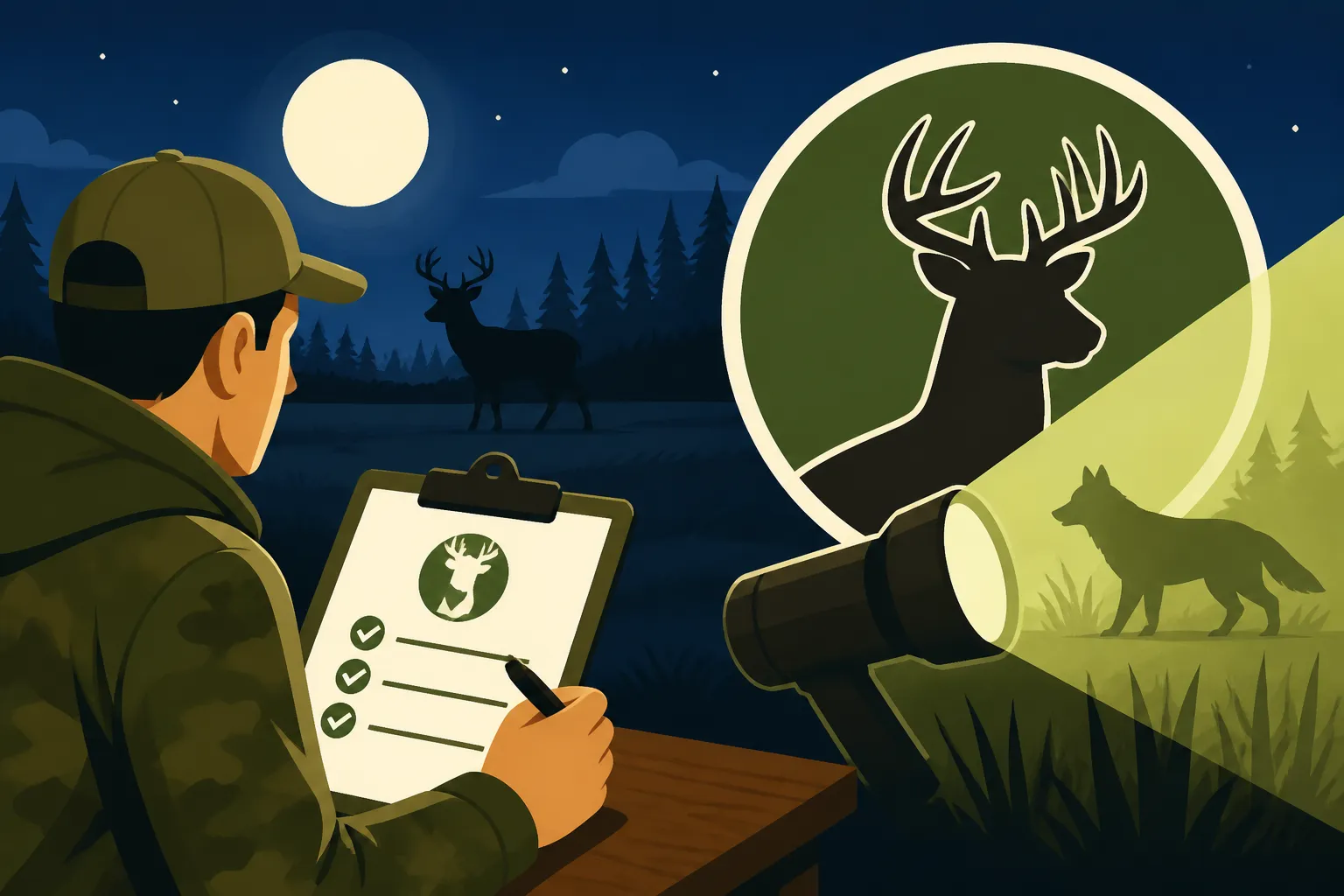
Safety must be your absolute top priority when hunting at night. Visibility is severely reduced, and identifying your target and its background becomes incredibly challenging. Always use powerful, reliable lights to illuminate your target zone clearly. Modern LED lights with adjustable beams are highly recommended. Never, ever swing a loaded firearm indiscriminately while searching for an animal. Always be absolutely certain of your target and what lies beyond it before taking a shot. This means having a clear, unobstructed shot with a safe backstop.
Team hunting can also add a layer of safety, with one person operating the light and spotting, while the other is prepared to shoot. Communication is vital. Wear blaze orange or another highly visible colour when moving between spots, even if it's dark, especially if there's any chance of other people being in the area. While not legally required for night hunting, it's a wise precaution. A good first aid kit, a fully charged cell phone (or satellite messenger if in remote areas), and proper cold weather gear are also non-negotiables, especially if you're pursuing predators during the colder months when they're most active. You can find more tips on staying warm by reading Hunting Safely in Deep Winter Cold.
Ethical considerations are equally important. Night hunting is primarily for predator management, not trophy hunting. While a beautiful pelt is a bonus, the focus should remain on responsible population control where necessary. Always recover any animal you shoot. This might mean waiting until daylight to conduct a thorough search if the shot wasn't immediately fatal. Wasting game is illegal and unethical. The night hunting permit is a privilege, and every hunter's actions contribute to the public perception and continued availability of this opportunity. Responsible, safe, and ethical conduct is paramount to ensure this tool remains available for future generations of Manitoba hunters targeting Manitoba's Predators and Furbearers.
Disclaimer
The information provided in this guide is for general informational purposes only and is not legal advice. Hunting regulations in Manitoba can change, and it is the hunter's responsibility to consult the most current Manitoba Hunting Guide and relevant provincial legislation before engaging in any hunting activities. Always confirm specific rules, seasons, and permit requirements with Manitoba Conservation and Climate directly.