Colour Phase Black Bears in Manitoba
There's nothing quite like the rush of a Manitoba black bear hunt, but imagine for a moment seeing something truly extraordinary step out of the timber – a bear not clad in traditional black, but sporting a coat of cinnamon, chocolate, or even a stunning blonde. Many hunters come to our province expecting to see only black bears, well, black, and are genuinely surprised by the incredible diversity in colour. This guide is all about those magnificent colour phase black bears in Manitoba, diving deep into what makes them so special, why our province is a prime spot to find them, and how you can prepare for an encounter with one of these unique animals.
The Allure of Colour Phase Black Bears
For generations, the term "black bear" has conjured images of dark, ebony fur. But the reality, especially here in Manitoba, is far more vibrant and exciting. These aren't just rare anomalies; colour phase black bears are a regular, albeit striking, part of our ecosystem, adding an extra layer of mystique and challenge to any hunt.
Beyond Just "Black": Understanding the Spectrum
It’s a common misconception, even among seasoned hunters from other regions, that all black bears are, by definition, black. However, Ursus americanus, the North American black bear, exhibits a remarkable range of fur colour due to genetic variations. Think of it like human hair color – it's all human hair, but there's blonde, brown, red, black, and everything in between. The same applies to black bears, and it's these genetic quirks that produce the stunning array of "colour phases."
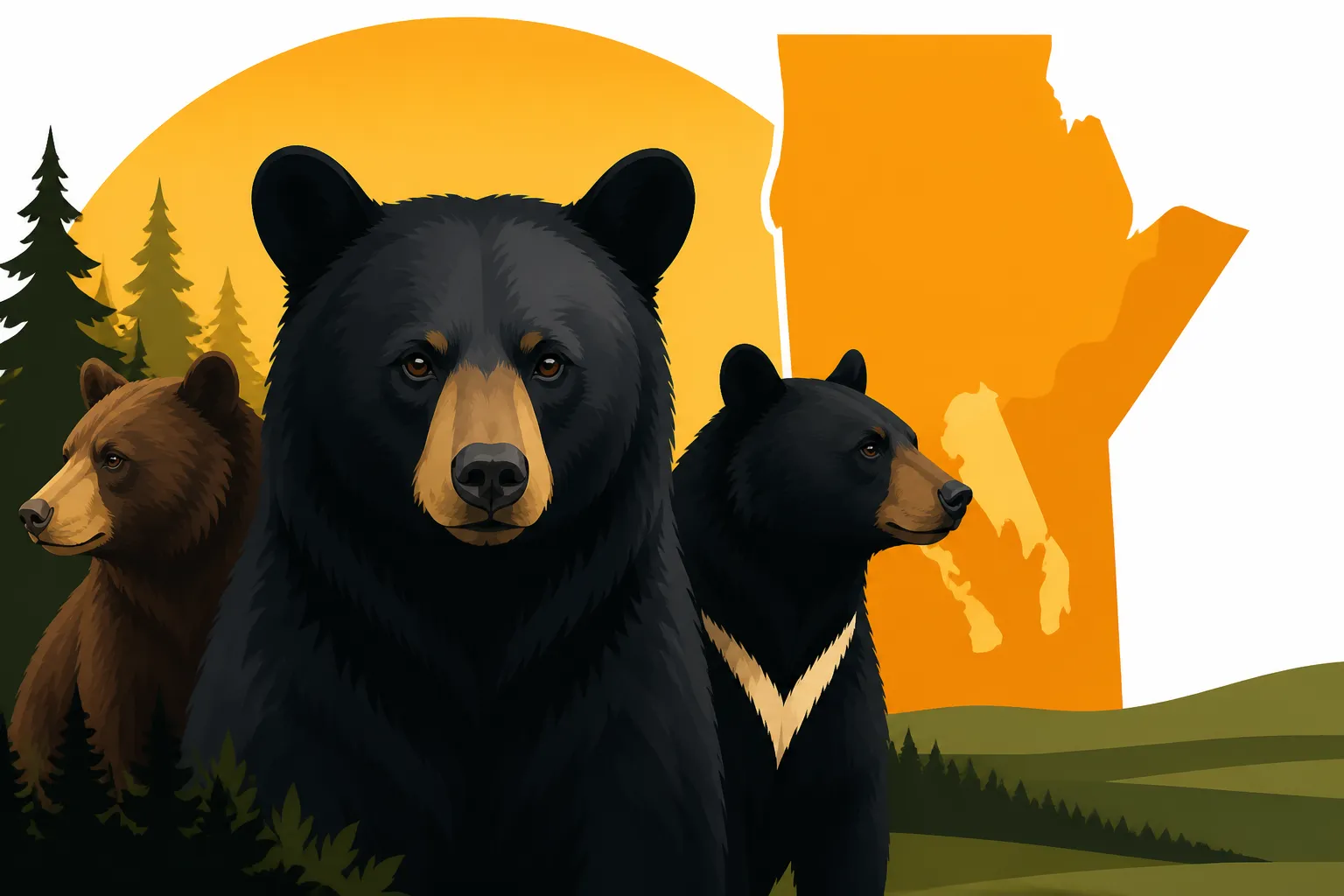
Here in Manitoba, you might encounter bears with fur ranging from a light, creamy blonde to a deep, rich chocolate, and everything in between. Cinnamon bears, with their reddish-brown coats, are particularly striking and often draw gasps of admiration. Sometimes you’ll even see a bear with a slightly grizzled appearance, or patches of lighter fur. These aren't different species; they are genetically the same black bear, simply expressing a different pigment in their fur. This genetic diversity, rather than being a rare occurrence, is actually quite common in certain parts of their range, and Manitoba is one of those special places.
Why Manitoba is a Hotbed for Colour Phases
So, why are these dazzling colour phases so prevalent in Manitoba, making it a dream destination for hunters hoping to tag a uniquely coloured bear? It boils down to a fascinating mix of genetics, geography, and habitat. Our vast and varied landscape, from the dense boreal forests of the north to the mixed woods and aspen parkland, provides ideal conditions for a diverse bear population.
The historical isolation and subsequent interbreeding of certain bear populations within Manitoba have contributed to the expression of these recessive colour genes. For example, some areas might have a higher concentration of bears carrying the cinnamon gene, leading to more frequent sightings of reddish-brown bears. Factors like the type of food sources available, which can influence overall health and coat lustre, combined with generations of localized breeding, mean that certain regions tend to produce more colour phases than others. It's a testament to the wildness and genetic robustness of our bear populations. To truly understand this phenomenon, it's worth exploring Why Colour Phase Bears Are Common Here in more detail.
Identifying and Understanding Colour Phase Bears
The thrill of spotting a non-black bear is undeniable, but it's crucial to correctly identify it as a black bear, regardless of its coat colour. While Manitoba doesn't have grizzly bears, hunters from other regions might be accustomed to telling species apart by colour alone, which simply won't work here.
Distinguishing a Colour Phase Black Bear
When you're out in the Manitoba bush, especially if you're hoping for a colour phase, it's vital to rely on anatomical features rather than just fur hue to confirm it's a black bear. Black bears, regardless of colour, typically possess a straight facial profile from forehead to nose, large ears that are relatively erect, and no prominent shoulder hump. Their claws are also shorter and more curved, designed for climbing trees, which is a common black bear behaviour.
Contrast this with a grizzly bear (though, as mentioned, not present in Manitoba) which would have a dished face, smaller, rounder ears, and a distinct muscular hump between its shoulders. The key takeaway is that a chocolate, blonde, or cinnamon bear in Manitoba is still very much a black bear. Their colour is just a beautiful, natural variation. These variations can even exist within the same litter, with cubs of different colours born to a black sow. The range of colours you might see is truly astonishing, from a pale, almost golden blonde, through various shades of light and dark brown, to the classic black. Each one is a magnificent creature.
Behavioural Nuances of Colour Phase Bears
It's natural to wonder if a colour phase bear behaves differently from its black-coated counterparts. The short answer is no. A bear's fur colour has no bearing on its temperament, diet, or overall survival instincts. A blonde bear will still be drawn to a berry patch, a cinnamon bear will still den for the winter, and a chocolate bear will still be an apex omnivore in its environment. They are fundamentally the same animal, governed by the same biological imperatives.
Their behaviours are dictated by their species, age, sex, and the seasonal availability of food. For instance, in the spring, all black bears, regardless of colour, will be focused on finding the first green-up and available protein after emerging from their dens. Knowing What Bears Eat in a Boreal Spring will provide insight into their dietary patterns. Hunters should approach any black bear encounter with the same respect and caution, understanding that their actions are driven by instinct and survival, not by the colour of their coat. There are no inherent "personalities" tied to fur colour; a black bear is a black bear, through and through.
Where to Find Colour Phase Bears in Manitoba
Manitoba is a vast province with diverse landscapes, and certain areas are more prone to producing these beautiful colour phases. Understanding these hotspots and the habitats they favour can significantly increase your chances of a unique encounter.
Regional Hotspots and Habitat Preferences
While colour phase bears can theoretically appear anywhere black bears roam in Manitoba, certain regions consistently show a higher prevalence. The Interlake region, with its mix of agricultural land, bush, and wetland, is often cited for its abundant and diverse bear population, including various colour phases. Further east into the Canadian Shield and west into the Parkland region, you’ll also find excellent opportunities. The sprawling boreal forest to the north, which covers a significant portion of Manitoba, is prime bear country and naturally hosts a healthy population with genetic diversity.
These bears thrive in areas with a mosaic of dense cover for bedding and security, interspersed with open areas for feeding. Look for mature timber stands, dense willow thickets, and areas with plentiful natural food sources like saskatoon berries, blueberries, and chokecherries in summer and fall. Beavers are also a prime food source, so hunting near beaver ponds or recent logging cut blocks can be highly productive. The edges of agricultural fields bordering dense bush are classic spots where bears might move to feed, offering excellent visibility. For a broader understanding of prime bear country, check out Best Manitoba Ground for Bear. Also, Black Bear Hunting in Manitoba offers general strategies that apply to all bears, regardless of colour.
Scouting for Success
Finding a colour phase bear isn't just about luck; it's about smart, dedicated scouting. Hunters who dedicate time to preseason reconnaissance will dramatically improve their odds. Start by identifying areas with high bear activity: look for tracks, scat, rubbed trees (bears love to rub their backs on trees to mark territory or relieve an itch), and overturned rocks or logs where they've foraged for insects. Game cameras are invaluable tools for identifying not only the presence of bears but also their size, sex, and, crucially, their colour.
Many hunters in Manitoba utilize baiting, which is a permitted and effective method for black bears. A well-maintained bait site not only draws bears in but also allows you to pattern their behaviour, assess their size, and, of course, observe their colour. Imagine setting up a trail camera on a bait site and reviewing the footage to find a stunning blonde bear making regular visits! This detailed scouting allows you to target specific animals. Using modern mapping tools like GoHunt can provide a significant advantage, allowing you to identify potential travel corridors, dense cover, and ideal bait locations from satellite imagery before you even step foot in the woods. Early season scouting, even before the leaves are fully out, can also reveal rub lines and old sign from the previous year.
Hunting Colour Phase Black Bears
The pursuit of a colour phase black bear brings an extra layer of excitement to an already thrilling hunt. While the principles of ethical bear hunting remain the same, there's a certain satisfaction in knowing you're targeting a truly unique animal.
Season and Licensing Considerations
Before you even dream of spotting a cinnamon ghost in the Manitoba woods, it’s critical to understand the seasons and licensing requirements. Manitoba offers both spring and fall bear seasons, providing ample opportunity. The spring season generally runs from April into June, while the fall season often starts in late August and can extend into October or early November, depending on the Game Hunting Area (GHA). Always consult the current Manitoba Hunting Guide for precise dates, bag limits, and any GHA-specific regulations. You can find more specific information on Manitoba Bear Season Dates.
Regardless of the bear’s colour, it counts as a regular black bear tag. There are no special permits or licences for colour phases. Whether you're planning a DIY hunt or booking with an outfitter, ensure your licence is valid and you understand all the rules for the GHA you intend to hunt. For those interested in the nuances of specific seasons, exploring Spring Bear Hunting in Manitoba or Hunting Manitoba's Fall Bear Season will provide deeper insights into optimal timing and strategies.
Ethical Considerations and Trophy Judgement
Hunting a colour phase bear adds a "trophy" element, but it’s paramount that ethical considerations remain at the forefront. As with any bear hunt, accurate judgement of the animal is crucial. Before taking a shot, confirm it's an adult bear and ideally, if it's a sow, that she doesn't have cubs with her. A sow with cubs will almost always have her cubs nearby, and careful observation over a few minutes should confirm their presence.
The excitement of seeing a unique colour should never overshadow the responsibility of making a clean, ethical shot. Hunters often spend hours observing bears at bait sites to properly assess their size and sex. Remember, the true trophy lies not just in the hide's unique colour, but in the entire experience and the respectful harvest of an incredible animal. All the meat should be utilized, honouring the life taken, a practice central to responsible hunting in Manitoba.
Here’s a quick overview of some common colour phases you might encounter in Manitoba:
| Colour Phase | Description | Common Appearance | Hunting Notes |
|---|---|---|---|
| Black | Classic dark, glossy fur. | Most Common | What most people expect. |
| Cinnamon | Reddish-brown, varying from light rust to deep red. | Common in areas | Highly sought after for their striking appearance. Can sometimes be mistaken for a very dark blonde. |
| Chocolate | Dark brown, resembling rich cocoa. | Common in areas | Often confused with black at a distance. Look for brown highlights in sunlight. |
| Blonde | Creamy, light tan, sometimes almost yellowish. | Less Common | Very distinct and highly prized. Can appear almost white in certain lighting, but typically a rich cream or tan. |
| Grizzled | Mix of black and lighter (often silver/grey) hairs, giving a salt-and-pepper look. | Occasional | Often seen on older bears or specific genetic lines. Not a distinct phase but a variation of the above. |
Preserving Your Unique Trophy
Harvesting a colour phase black bear is a memorable event, and preserving that unique hide properly is essential to honouring your trophy. Whether you plan a rug, a full mount, or a European skull mount, careful attention to detail in the field and selecting the right professionals afterward will make all the difference.
Field Care and Preparation
The moment your unique bear is down, proper field care begins. The goal is to cool the carcass quickly and, if you plan to keep the hide, to skin it carefully and efficiently. For a rug or a full body mount, a skilled skinning job in the field is paramount. This means making the correct cuts and avoiding nicks or holes, especially around the face, paws, and areas where the distinct colour is most prominent. If you’re unsure, ask your outfitter or an experienced hunter for guidance. Many Manitoba outfitters are well-versed in handling diverse bear hides.
Once skinned, the hide needs to be cooled as rapidly as possible to prevent hair slippage, which can ruin a valuable trophy. Spreading it out in the shade or on snow if it's cold enough, and air-drying it somewhat before transport, are crucial steps. Avoid rolling it up warm or leaving it in a plastic bag for extended periods. For detailed instructions on this critical step, refer to Skinning a Bear for a Rug. The quality of your taxidermy relies heavily on the quality of your field preparation.
Working with Taxidermists
After the hunt, choosing the right taxidermist is as important as your shot placement. For a colour phase bear, you want a taxidermist who not only has experience with bears but specifically with preserving and mounting unique colour variations. They will understand how to properly flesh, salt, and tan the hide to ensure its longevity and vibrant colour. Don't be afraid to ask for examples of their bear work, especially if they've handled colour phases before.
Discuss your vision – do you want a full rug, a shoulder mount, or a dynamic full-body mount? Each option requires specific cuts and preparations, so communicate clearly with your taxidermist. Keep in mind that specialized work, like a full body mount or a rug that beautifully showcases a rare colour, will typically command a higher price than a standard shoulder mount. It's an investment in preserving a unique memory. Many hunters use online platforms or communities, like those associated with GoHunt, to find recommended taxidermists and see examples of their work, ensuring they choose a professional who can do justice to their extraordinary Manitoba bear.
Disclaimer
Please note that hunting regulations, seasons, and licensing requirements can change. Always consult the most current Manitoba Hunting Guide and relevant provincial authorities before planning any hunting activity. This article is for informational purposes only and does not supersede official government regulations.