Sitting All Day in a Manitoba Blind
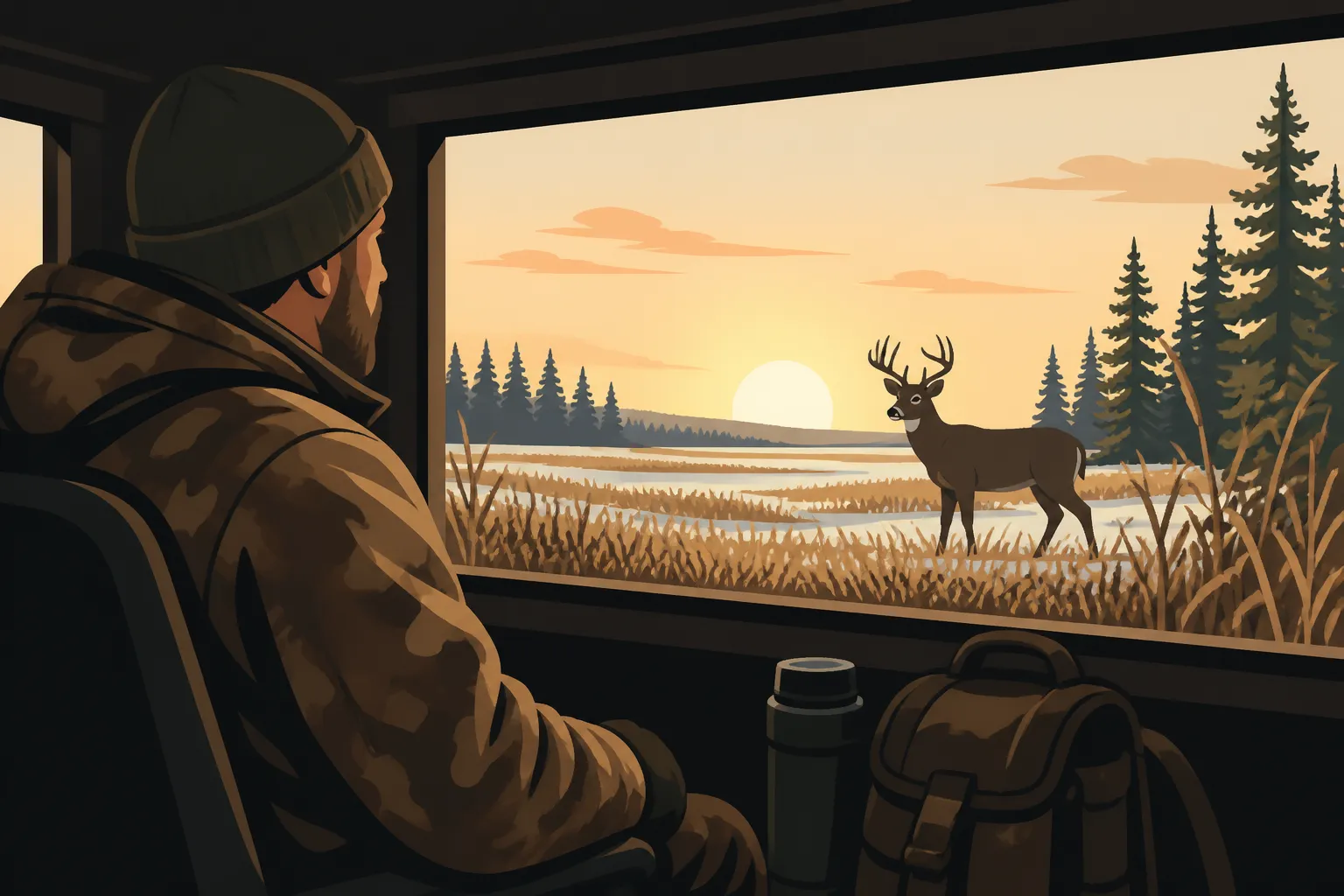
There’s a unique challenge, and often a deep reward, to spending an entire day tucked away in a hunting blind here in Manitoba. Many hunters, especially those new to our vast and often bone-chilling landscape, find the idea daunting. How do you stay warm? How do you stay focused? And most importantly, how do you make those long hours truly count for that elusive whitetail? This guide is all about equipping you with the knowledge and mindset to conquer the all-day sit, turning potential misery into a highly effective hunting strategy.
The Strategic Advantage of an All-Day Sit
In Manitoba, especially when you're pursuing a mature whitetail, the decision to commit to an all-day sit in your blind isn't just about endurance; it's a calculated strategy. Deer, particularly the older, wiser bucks, don't operate on our convenient schedules. They move when they feel safe, when the conditions are right, and often during those hours most hunters are trekking back to camp for lunch or a warm-up.
Understanding Deer Movement Patterns
Whitetail deer, especially in areas with hunting pressure, often become largely nocturnal or crepuscular, meaning they're most active at dawn and dusk. However, this isn't a hard and fast rule, and those in-between hours, often referred to as "midday lulls," can be incredibly productive for observant hunters willing to stay put. During these times, deer might shift bedding areas, travel between different food sources, or simply move through cover more confidently when human activity is at a minimum. You might see a doe leading her fawns through a willow run, or a young buck skirting a bush edge to check a scrape line, all while others are back at the truck.
Think about it from a deer's perspective: when they hear ATVs starting up, truck doors slamming, or even just hunters walking through the woods, they react by bedding down or holding tight. By staying in your blind, you're not adding to this disturbance. You become part of the landscape, allowing the forest to settle around you. This undisturbed environment can encourage deer to move more naturally throughout the day, increasing your odds significantly, especially if you're set up near a prime travel corridor or a transition zone.
Moreover, deer movement can be heavily influenced by weather, moon phase, and even how much pressure they've experienced. A sudden cold front, for instance, might spur deer to feed heavily during midday to stoke their internal furnaces. A long-term scouting tool like GoHunt can help you analyze these patterns, giving you insights into when those midday movements are most likely to occur in your specific hunting area, helping you time your all-day sits more effectively.
Maximizing Your Rut Opportunities
If there’s one time when an all-day sit becomes less of a choice and more of a necessity, it’s during the whitetail rut. Here in Manitoba, when the deer are focused on breeding, bucks are often on their feet almost continuously, covering vast distances in search of does. This chaotic period throws typical deer patterns out the window, making every hour of daylight a potential encounter with a cruising buck. Many of the biggest bucks in Manitoba are taken during these frantic days.
The rut typically peaks in early to mid-November, and during this window, you really can’t predict when a monster will step out. A buck that was nowhere to be seen at first light might suddenly appear at 1 PM, scent-checking a doe bedded nearby or following a faint trail. He’s driven by instinct, not hunger, and his guard might be slightly lowered compared to other times of the season. This is why committing to staying in your blind from first light until last is so crucial. You don't want to miss that one opportunity because you decided to take a lunch break.
Beyond just the main rut, the "pre-rut" and "post-rut" phases also offer unique opportunities. During the pre-rut, bucks are still laying down sign, fighting, and establishing dominance, often moving to check scrapes and rubs at irregular times. In the post-rut, exhausted bucks are often seeking out high-calorie food sources to recover, and a well-placed blind overlooking a food plot or prime feeding area could be just the ticket. Understanding the nuances of the rut here is key to making those long sits pay off.
The Element of Surprise and Persistence
One of the biggest advantages of an all-day sit is the element of surprise it offers over short hunts. Most hunters head out for an hour or two at dawn and again at dusk. Deer quickly learn these patterns and often adapt their movements to avoid these predictable human intrusions. By staying in your blind all day, you disrupt this predictability. You’re there when the deer least expect you to be, often catching them off guard as they go about their unmolested daily routines.
Persistence is truly the name of the game in hunting, and an all-day sit embodies this perfectly. It’s not just about being in the woods longer; it’s about being still in the woods longer. That stillness allows the woods to come alive around you. You'll start to notice subtle details: the squirrels chattering, the ravens calling, the distant sound of a coyote. These are all clues that, when pieced together, can paint a clearer picture of deer activity. It’s about being patient enough to let the hunt unfold, rather than forcing it on a tight schedule.
This sustained presence can sometimes lead to incredible encounters with older, more reclusive animals that simply don't show themselves during typical hunting hours. You might be there when a mature buck finally decides to leave his secure bedding area and make his way to a water source or a different patch of cover, confident that the woods are clear. It takes mental toughness, but the rewards of catching a deer unaware because of your sheer dedication are immensely satisfying.
Essential Preparations for Enduring the Cold
Manitoba's weather is notoriously unpredictable, especially during hunting season. A crisp fall morning can quickly turn into a biting, windy afternoon, or a mild day can be followed by an overnight deep freeze. Without proper preparation, an all-day sit can quickly become unbearable, or even dangerous. The key to success is staying comfortable and safe, no matter what Mother Nature throws at you.
Layering for Manitoba's Variable Temperatures
The foundation of any successful cold-weather hunt in Manitoba is a robust layering system. You absolutely cannot rely on a single heavy jacket, as conditions will inevitably change throughout the day. Start with a good base layer made of merino wool or synthetic materials that wick moisture away from your skin. Cotton is your enemy here; once it gets wet, it stays wet and will chill you to the bone. Next comes a mid-layer, something like a fleece or a puffy down/synthetic jacket, to provide insulation. This is your primary warmth layer.
The outer layer needs to be windproof and waterproof, capable of shedding snow, sleet, or freezing rain. Look for quiet fabrics that won't rustle and scare off game. Many hunters swear by high-quality insulated bibs and a parka designed for extreme cold. Brands like Sitka, First Lite, or Cabela's often have excellent options tailored for these conditions. Remember, you want to be able to add or shed layers as your activity level or the weather dictates. If you hike in and get sweaty, you need to be able to remove a layer before you cool down and get chilled.
Don't forget the extremities! A warm hat, preferably one that covers your ears, is non-negotiable, as you lose a significant amount of body heat through your head. Good insulated gloves or mittens (with finger access for shooting) are vital, as are thick, moisture-wicking wool socks. Consider bringing an extra pair of socks to change into if your feet get damp. For long sits, investing in high-quality insulated boots, perhaps even rated for extreme sub-zero temperatures, is a game-changer. Think about boots designed for long stationary periods.
Nutrition and Hydration Strategies
Staying fueled and hydrated is critical for maintaining body temperature, focus, and energy throughout a long day in the blind. It's easy to neglect these aspects when you're bundled up and trying to stay still, but doing so can lead to a rapid decline in performance and comfort. Pack plenty of high-calorie, easy-to-eat snacks that don't require much fuss. Energy bars, nuts, dried fruit, jerky, and even small sandwiches are excellent choices. Avoid anything that will create loud crinkling noises when you open it.
For hydration, a good thermos filled with hot coffee, tea, or even just hot water can be a real morale booster and helps warm you from the inside out. Bring a regular water bottle too, but be mindful that water can freeze in extreme cold. Some hunters use insulated sleeves for their water bladders or bottles to prevent this. Small, frequent sips are better than large gulps, both for comfort and to avoid needing to relieve yourself too often.
Remember to pack food that won't freeze solid and is easy to handle with gloved hands. Warm soup in a thermos can be a fantastic treat on a truly frigid day. Planning out your meals and snacks for the entire day will prevent you from cutting your sit short due to hunger or thirst. A well-nourished body is a warm body, and a warm body is a patient hunter.
Gear Beyond the Basics
Beyond clothing and food, there are several other items that can drastically improve your comfort and effectiveness during an all-day sit. A comfortable chair or seat cushion is paramount. Sitting still for 10-12 hours on a hard surface is a recipe for aches and pains that will make you want to quit. Consider a portable blind chair with a backrest or a thick, insulated seat cushion.
A quiet, lightweight backpack is essential for carrying all your gear. Make sure it's organized so you can access what you need without making a lot of noise. Hand warmers and foot warmers are little miracles on a cold day; stash a few in your pockets and boots. A portable propane heater designed for blinds, like those from Mr. Heater, can make a world of difference, but always ensure proper ventilation to avoid carbon monoxide buildup. Remember that any artificial heat source can push scent.
Other crucial items include a good rangefinder, binoculars, a call (if applicable to your hunting method, like rattling for whitetails), a small first-aid kit, a headlamp, and a fully charged phone or two-way radio for emergencies. A quality knife, drag rope, and tag are also non-negotiable. Using a hunting app like GoHunt can also be invaluable for keeping track of your location, marking sign, and monitoring weather patterns without having to pull out noisy maps. Every piece of gear should be chosen with the goal of minimizing movement, noise, and discomfort.
Optimizing Your Blind and Mindset
The physical preparations are only half the battle. To truly master the all-day sit, you need to optimize your blind setup and cultivate a resilient mental approach. A well-placed blind combined with a disciplined mindset will allow you to stay focused and ready when that opportunity finally presents itself.
Strategic Blind Placement and Concealment
Your blind's location and how well it's concealed are critical. You're committing a full day here, so it needs to be placed where deer are likely to pass within shooting range throughout various times of the day, not just dawn or dusk. Consider pinch points, funnels, and transition areas between bedding and feeding, or even between different bedding areas. Scouting your chosen GHA thoroughly beforehand using satellite imagery and on-the-ground recon is non-negotiable. Look for fresh tracks, rub lines, and scrapes.
Once you’ve chosen your spot, ensure your blind is brushed in effectively. It should blend seamlessly with the surrounding environment. Use natural vegetation – branches, small trees, corn stalks, whatever matches the area – to break up its outline. Pay particular attention to concealing the windows and any areas where light might reflect. Deer have excellent eyesight, and a dark box in the middle of a field is a glaring anomaly. Avoid placing your blind directly on a ridge top or in an open area unless absolutely necessary and expertly disguised.
Consider the sun's path throughout the day. You don't want to be staring directly into the sun at prime hunting hours, nor do you want glaring sun reflecting off your blind. Also, think about prevailing winds. Position your blind so that your scent isn't being carried directly into expected deer travel lanes. Wind direction is everything when you're hunting wary whitetails.
Minimizing Scent and Noise
Scent control is absolutely paramount for an all-day sit. You’re going to be in one spot for a very long time, and any human odor you put out will have ample time to disperse and alert deer. Shower with scent-eliminating soap before you go, wash your hunting clothes in scent-free detergent, and store them in airtight containers until you're ready to dress at your hunting site. Use scent-eliminating sprays on your boots and outer layers.
When choosing a blind, think about materials that help contain scent. Hard-sided blinds can be excellent for this, as can well-sealed fabric blinds. However, even with the best scent control, wind direction will always be your primary defense. Always try to hunt with the wind in your favor, blowing your scent away from where you expect deer to approach.
Noise discipline is equally important. Every rustle, every cough, every dropped item sounds like a cannon shot in the quiet woods. Organize your pack so everything is easily accessible and quiet. Pre-open snack wrappers. If you need to cough, do it into your sleeve. If you shift position, do it slowly and deliberately. When using your phone or other electronics, ensure they are on silent mode. Even the smallest noise can alert a deer that's within earshot, ruining hours of patient waiting. This level of quiet contemplation is a huge part of Sitting All Day in a Manitoba Blind.
Mental Fortitude and Staying Alert
The mental game is perhaps the most challenging aspect of an all-day sit. Boredom, cold, discomfort, and the constant urge to check your phone or move around can quickly erode your resolve. Cultivating mental fortitude is key to staying alert and effective. Before you even step foot in the blind, set your intention: you are committing to a full day, regardless of what happens.
Break up the day mentally. Tell yourself you're going to focus intensely for the next hour, then allow yourself a few minutes of quiet relaxation or a snack. Use your binoculars to constantly scan your surroundings, not just for deer, but for any sign of movement – a flicker of an ear, a bird landing, a branch swaying. This keeps your eyes engaged and your mind active. Pay attention to the sounds of the woods; the sudden silence, the alarm call of a squirrel, or the distant ravens could all signal an approaching animal.
Minimize distractions. Leave your phone on silent and only check it for critical needs or during pre-designated breaks. Avoid endlessly scrolling social media. Instead, embrace the solitude. Reflect on the beauty of the Manitoba wilderness, plan your next move, or simply practice mindfulness. The goal isn’t just to endure the time, but to actively participate in the environment, becoming a keen observer. It is this discipline that will allow you to stay ready for that sudden, fleeting opportunity.
Navigating Common All-Day Sit Challenges
Even with the best preparations, an all-day sit in Manitoba can throw some curveballs. The weather might turn unexpectedly, boredom might creep in, or you might find yourself questioning your commitment. Knowing how to anticipate and overcome these challenges will ensure you can stick it out and increase your chances of success.
Battling Extreme Cold and Wind
Manitoba's late fall and early winter hunting seasons can bring truly brutal cold, often compounded by biting winds. This is where your layering system and supplementary heat become critically important. Don't be afraid to add another layer, even if it feels a bit bulky, or to activate more hand and foot warmers. Chemical hand and foot warmers, or reusable catalytic heaters, can provide essential warmth to your core and extremities.
If the wind picks up significantly, try to position yourself within the blind to minimize exposure. Even a slight shift can put a solid wall between you and the prevailing wind. If your blind has multiple windows, close the one facing the wind, if possible, without sacrificing too much visibility. For ultimate warmth and comfort, some hunters use insulated ground pads inside their blinds, preventing the cold from seeping up from the frozen earth. Remember to move your fingers and toes periodically, even slightly, to promote circulation and ward off numbness. Being prepared for Hunting Safely in Deep Winter Cold isn't just about comfort, it's about avoiding frostbite and hypothermia.
It's also crucial to monitor your body for signs of hypothermia – uncontrollable shivering, confusion, slurred speech, or extreme fatigue. If you or your hunting partner exhibit these signs, it's time to pack up and get to warmth. No trophy is worth your health or safety.
Managing Boredom and Maintaining Focus
Boredom is the silent killer of many all-day sits. When the woods are quiet and nothing is moving, it's easy for your mind to wander, leading to restlessness and a desire to pack up. One effective strategy is to engage your senses actively. Spend time glassing (using your binoculars) every corner of your visible area. Look for subtle movements, changes in the landscape, or even unusual patterns in the trees. Sometimes, what looks like a branch is actually the tine of a buck.
Consider bringing a small, quiet book or a puzzle game to occupy short periods of extreme lull, but use these sparingly. The primary goal is to remain observant. Practice visualizing the deer appearing, rehearsing your shot sequence, and mentally planning how you would react. This keeps your mind in the hunt and sharpens your focus. You could also spend time reflecting on the hunt, taking mental notes about potential travel routes, bedding areas, or food sources you might want to investigate later. GoHunt can also be used here to cross-reference your observations with topographical maps and satellite imagery.
Remember that patience is a virtue, and the big bucks are often taken by those who simply outlast the elements and their own impatience. Every minute you stay on stand is a minute closer to success. Think of it as a meditation, a deep immersion into the natural world.
Safety Considerations for Extended Stays
Spending an entire day in the bush, especially in remote Manitoba hunting grounds, requires careful attention to safety. Always let someone know where you are going, your expected return time, and your planned route. This is non-negotiable. Carry a fully charged cell phone (and a portable power bank) or, even better, a satellite communication device if you're in an area with no cell service.
Proper first-aid supplies are crucial. A well-stocked kit should include bandages, antiseptic wipes, pain relievers, and any personal medications you might need. Dress for the weather, but also be prepared for sudden changes. A survival kit with fire-starting materials, a space blanket, and emergency food can be life-saving if you get stuck or stranded. Understanding Hunting Safely in Deep Winter Cold extends to being self-sufficient in the wilderness.
Finally, think about extraction. If you successfully harvest an animal, especially a large whitetail (and Manitoba is known for Why Northern Bucks Carry More Body Mass), do you have a plan to get it out? Consider bringing a game cart, a sled for snowy conditions, or having a partner on standby to help. Planning for Meat Care in Manitoba's Cold Snaps is also vital to preserve your harvest. An all-day sit is an investment of time and effort, and ensuring a safe and successful conclusion to that investment is paramount.
Disclaimer
Please note that hunting regulations, seasons, and licensing requirements in Manitoba can change. Always consult the most current Manitoba Hunting Guide and relevant provincial government resources before planning any hunt. This article provides general information and should not be considered a substitute for official regulations.