Hunting Manitoba’s Snow Goose Migration
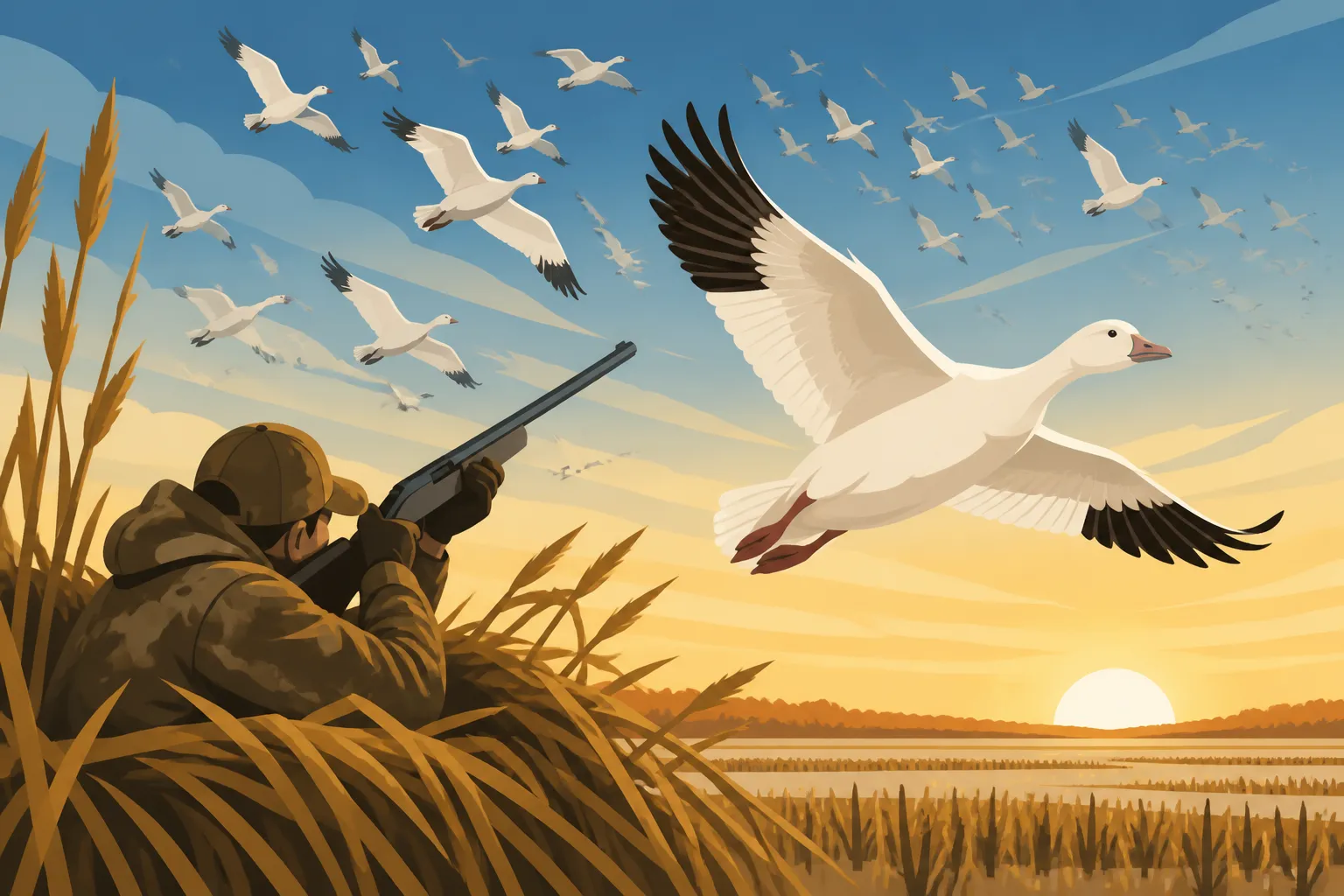
There's nothing quite like the sight and sound of thousands of snow geese descending into a Manitoba stubble field. It's an experience that can be both exhilarating and utterly frustrating, especially when those wary birds seem to flare at the slightest hint of trouble. This comprehensive guide will walk you through everything you need to know to successfully hunt the incredible snow goose migration across Manitoba, turning those frustrating flares into successful retrieves.
Understanding the Snow Goose Migration Through Manitoba
Manitoba plays a pivotal role in the annual snow goose migration, offering prime staging grounds that attract massive numbers of these birds. Understanding their patterns and habits is the first step toward a successful hunt.
The Central Flyway Connection: Why Manitoba is a Hotspot
Manitoba isn't just a place snow geese pass through; it's a critical stopover on the Central Flyway, a superhighway for migratory birds extending from the Arctic to the Gulf Coast. The sheer abundance of agricultural land, particularly vast fields of cereal grains like wheat, barley, and corn, provides an irresistible buffet for these hungry travelers. After breeding in the Arctic tundra, snow geese require massive amounts of energy for their long journey south, and Manitoba's prairies are perfectly positioned to offer exactly that. They can descend into a freshly harvested field and literally vacuum up spilled grain, refueling for the next leg of their journey. This consistent food source, coupled with numerous large water bodies for roosting, makes Manitoba an undeniable magnet for snow geese. It’s why you’ll see such incredible concentrations, particularly in the Interlake region and across the southwestern parts of the province.
Peak Migration Periods: Timing Your Hunt
Timing is everything when it comes to snow goose hunting in Manitoba. While birds start to arrive in late August, the truly epic numbers typically hit their stride from mid-September through October. This is when the main push of the migration is underway, bringing with it both juvenile birds that are less wary and seasoned adults that have seen every trick in the book. Early September might offer a few scattered flocks, but as the days shorten and northern cold fronts push south, the skies really begin to fill. We've all made the mistake of going out too early or too late, sitting in an empty field. The trick is to watch the weather reports for major cold fronts moving down from the Arctic. These fronts are like a signal for the main migration waves. For detailed information on when these birds typically arrive and depart, knowing exactly When Snow Geese Pass Through Manitoba can make or break your hunt planning. Some hunters even follow online reports and forums religiously, trying to pinpoint the exact week when the major influx occurs in specific regions like the southeastern Interlake or around the Portage la Prairie area.
Population Dynamics and Conservation Efforts
Snow geese populations have boomed in recent decades, to the point where they are actually over-abundant in some areas, causing significant damage to their fragile Arctic breeding grounds. This is why conservation efforts often focus on increasing hunter harvest, and why liberal bag limits and extended seasons are common. As hunters, we play a vital role in managing these populations. It's not just about the thrill of the hunt, but also about being part of a larger ecological solution. The goal is to reduce their population to a more sustainable level that doesn't damage the delicate ecosystem they rely on up north. This proactive management allows hunters generous opportunities while contributing to a healthy ecosystem. Understanding these dynamics helps us appreciate the importance of ethical hunting practices and adhering to regulations, especially considering Snow Goose Limits and Late Seasons.
Key Strategies for Hunting Snow Geese in Manitoba
Hunting snow geese effectively is often described as a chess match against thousands of keen eyes. It requires meticulous planning, a massive effort, and the right approach to fool these incredibly wary birds.
Large Decoy Spreads: The Cornerstone of Snow Goose Hunting
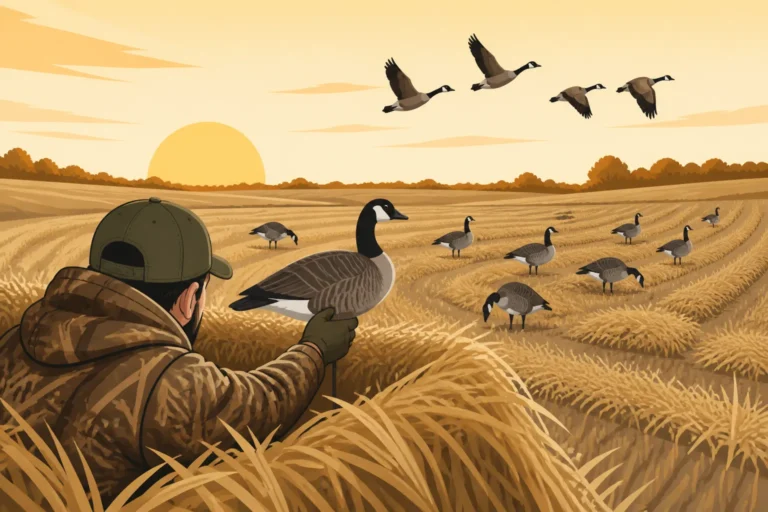
When you're dealing with flocks of hundreds, even thousands, of birds, a handful of decoys just won't cut it. To truly draw in snow geese, you need to create the illusion of a massive, safe feeding frenzy. This means deploying huge spreads, often consisting of hundreds, if not thousands, of decoys. We’re talking about a significant investment in time and money, but it’s absolutely essential. Imagine a spread that covers a significant portion of a field—a beacon for passing birds. These spreads typically involve a mix of full-body decoys, which offer realism, and lighter, more portable windsock decoys that create movement and can be packed in large numbers. The placement isn't random; you're trying to replicate a natural feeding pattern, with a landing zone or "kill hole" strategically placed near your blinds. For tips on maximizing your efforts, consider specialized advice on Setting a Goose Spread in Swathed Barley. Some serious hunters even use rotary machines with flapping decoys to simulate active birds, adding another layer of realism to their spread.
Calling Techniques and Electronic Calls
Snow geese are incredibly vocal, and their constant chatter is a key part of their social structure. To attract them, you need to speak their language. While traditional mouth calls can be effective, especially for finishing birds, the sheer volume of a snow goose flock often necessitates the use of electronic calls. These devices are permitted for snow geese in many jurisdictions, including Manitoba, specifically because of their overpopulation status. An e-caller, broadcasting the cacophony of a large feeding flock, can draw birds from miles away. The key is to vary your calls, mimicking different stages of flock interaction: contented feeding sounds, excited landing calls, and even the sharper "bark" of a bird warning others. It’s not just about turning it on loud; it’s about rhythm and realism. You're trying to convince them that your field is the place to be.
Blinding and Concealment for Approaching Birds
Snow geese have incredible eyesight, perhaps their most formidable defense mechanism. If they spot anything out of place—a hunter's face, a glint of sunlight off a gun barrel, or an unnatural shape in the field—they will flare and be gone in an instant. Effective concealment is non-negotiable. Layout blinds, specifically designed to blend seamlessly into stubble fields, are the standard. These low-profile blinds allow you to lie down, completely hidden, and pop up at the last second. It's crucial to brush them in thoroughly with local vegetation, making them virtually invisible. Don't be lazy about this; a poorly concealed blind will be spotted every time. Even your face needs to be covered with a mask, and your hands gloved. Wearing drab, earth-toned clothing, or even specialized snow goose camouflage, helps ensure you remain part of the landscape. Remember, the goal is to disappear into the field, becoming just another lump of dirt until it's time to rise.
Essential Gear and Setup for Snow Goose Hunting
Having the right gear makes a monumental difference when facing the challenges of a snow goose hunt. From decoys to shotguns, every piece plays a critical role in your success and comfort.
Decoy Selection and Deployment
The backbone of any successful snow goose hunt is the decoy spread, and choosing the right decoys is key. You'll want a mix to achieve realism and scale. Full-body decoys offer the most lifelike appearance but are bulky and expensive. They're great for the core of your spread, especially in the "kill hole." Windsock decoys, on the other hand, are lightweight, compact, and affordable, allowing you to deploy hundreds quickly. Their movement in the slightest breeze is invaluable, mimicking actively feeding birds. Silhouette decoys can also be effective for adding bulk to a spread without the full cost or weight. When deploying, think about the wind direction. Geese almost always land into the wind, so your landing zone should be upwind of your blinds. Create a "J" or "U" shape with the open end facing into the wind, guiding the birds right to your concealed position. You can find excellent resources, including those from GoHunt's extensive waterfowl section, that provide detailed schematics for optimal spread patterns.
Blinds and Concealment Systems
As mentioned, superb concealment is paramount. Layout blinds are the standard for field hunting snow geese. Companies like Avery, Final Approach, and Tanglefree produce excellent models designed for comfort and concealment. Look for blinds that are easy to brush in, durable, and offer a low profile. You’ll be spending hours in these, so comfort matters. Beyond the blinds themselves, consider additional concealment like camo netting to break up outlines, especially if you have a dog blind or extra gear. Some hunters also use snow camo suits, particularly if the fields are dusty or have a white frost, ensuring they blend in perfectly. Always check that the fabric of your blind and clothing doesn't reflect sunlight. Even a small glint can alert a wary bird. For those needing to retrieve downed birds without giving away their position, a well-placed blind is as important as the shot itself.
Shotguns, Ammunition, and Choke Selection
Snow goose hunting is demanding on your equipment. You'll be shooting at fast-moving targets, often at varying ranges, and likely firing many shells. A reliable 12-gauge shotgun, capable of holding at least three shells (one in the chamber, two in the magazine, as per federal regulations for migratory birds) is standard. Many hunters prefer a semi-automatic for faster follow-up shots. For ammunition, federal regulations strictly mandate non-toxic shot for all migratory bird hunting in Canada. Steel shot is the most common and affordable option, but bismuth and tungsten alloys are also popular, offering denser patterns and better knockdown power, albeit at a higher cost. For snow geese, you'll generally want larger shot sizes like BB, BBB, or even T, to ensure enough energy to bring down tough birds.
When it comes to chokes, a modified or improved modified choke is a good all-around choice, offering a balance of spread and density. Some hunters opt for a full or extra-full choke when birds are working high or in extremely large formations, prioritizing tight patterns. Always pattern your shotgun with your chosen ammunition and choke to understand its effective range. Remember, ethical hunting means making clean kills, and that starts with understanding your equipment's capabilities. For more details on the specific requirements, reviewing Non-Toxic Shot Requirements for Waterfowl is a critical pre-hunt step.
| Gear Category | Key Considerations | Common Choices | Why it Matters |
|---|---|---|---|
| Decoys | Quantity, realism, movement, portability | Windsocks, full-bodies, silos, rotary machines | Essential for drawing large flocks and creating realism. |
| Blinds | Concealment, comfort, low profile, brushability | Layout blinds (Avery, Final Approach), snow camo netting | Keeps hunters hidden from sharp-eyed geese. |
| Shotgun | Reliability, capacity (3-shot rule), gauge | 12-gauge semi-automatic, pump-action | Allows for quick follow-up shots and durability under use. |
| Ammunition | Non-toxic, shot size, load density | Steel (BB, BBB, T), Bismuth, Tungsten | Compliance with regulations, effective knockdown power. |
| Choke | Pattern density, range effectiveness | Modified, Improved Modified, Full | Optimizes pellet spread for varying shot distances. |
| Electronic Caller | Volume, sound quality, remote control, diverse calls | FoxPro, Lucky Duck (with approved sounds) | Simulates large feeding flock, attracts distant birds. |
| Clothing | Camouflage, warmth, weather resistance | Layered systems, snow camo, waterproof outer shells, face mask | Blends with environment, protects from elements, aids concealment. |
Scouting and Field Selection for Success
Finding the right field at the right time is often the hardest part of snow goose hunting, and it demands dedication and a good understanding of goose behavior. Without proper scouting, even the best gear and calling won't guarantee success.
Identifying Roosting Areas and Feeding Fields
Snow geese operate on a predictable daily cycle: they roost on large, undisturbed bodies of water overnight, then fly out to feed in agricultural fields at first light. Your scouting efforts should focus on identifying these key locations. Begin by locating major lakes, reservoirs, or large wetlands that act as roosts. Once you know where they spend the night, you can fan out from there to find their preferred feeding grounds. Look for fields with abundant waste grain from recent harvests – corn, wheat, barley, and even peas are prime targets. Fields that have been recently combined or swathed are often goldmines. Use binoculars and spotting scopes to observe flight patterns at dawn and dusk. Geese will often return to the same feeding fields for several days until the food source is depleted. This systematic approach is critical, and a tool like GoHunt's mapping features can be invaluable for identifying potential roosts and connecting them to nearby fields. Knowing Scouting Fields for Manitoba Waterfowl will give you a leg up on the competition.
Reading Weather Patterns and Their Impact
Weather is a huge factor in snow goose migration and feeding behavior. A strong north wind often means a fresh push of new birds from the Arctic. Conversely, sustained south winds can delay migration or keep birds put. Temperature drops also increase feeding urgency as birds need more fuel to maintain body heat and continue their journey. Overcast, windy days are generally excellent for hunting because the low light makes birds less wary, and the wind helps mask your decoys' imperfections and your blinds' outlines. Plus, strong winds make it harder for geese to navigate, often bringing them lower. Bright, still, sunny days, however, can be challenging. Geese are warier, can spot things more easily, and often fly higher. Keep a close eye on the forecast and plan your hunts around favorable conditions. Being flexible and ready to move based on changing weather is a trait of a truly successful snow goose hunter.
Gaining Landowner Permission and Respect
This is perhaps the most critical, yet often overlooked, aspect of field hunting in Manitoba. Most prime agricultural land is privately owned. You absolutely must obtain explicit permission from the landowner before stepping foot on their property. Failing to do so is trespassing, which is illegal, unethical, and can ruin hunting opportunities for everyone. It also creates a negative perception of hunters. The best approach is to knock on doors, be polite, and introduce yourself. Explain what you're hoping to do, assure them you'll be respectful of their property, and offer to share some of the harvested birds. Timing is important; don't show up at dinner time or during peak seeding/harvest. A small gift or offer of help with farm chores can also go a long way in building relationships. Many long-term hunting spots are built on years of trust and mutual respect with landowners. Remember, Getting Permission for a Goose Field is a privilege, not a right. Some landowners might be more willing to grant permission if they've experienced crop damage from large flocks of geese, as hunter pressure can help disperse the birds.
Regulations and Conservation Considerations
Hunting migratory birds, including snow geese, comes with specific regulations that hunters must adhere to. These rules are in place not only for safety but also for the long-term sustainability of the species and the sport.
Manitoba Specific Snow Goose Season Dates and Limits
Manitoba’s snow goose season is typically quite liberal, often running from early September well into December, with generous daily bag and possession limits. This extended season and high bag limit directly reflect the conservation objective of reducing the overall population. However, these dates and limits can vary slightly year to year and by management zone, so it is absolutely crucial to consult the most current Manitoba Hunting Guide and the federal Migratory Game Bird Hunting Regulations for Canada before every season. Ignorance of the law is never an excuse. You'll need both a provincial hunting license and a federal Migratory Game Bird Hunting Permit, along with the Canadian Wildlife Habitat Conservation Stamp. These permits fund vital conservation work. For full details on the required documentation, ensure you understand Manitoba Migratory Bird Permits. These are readily available online through the Manitoba e-licensing portal or at various vendors across the province.
Non-Toxic Shot Requirements and Why They Matter
A federal regulation mandates the use of non-toxic shot for all migratory game bird hunting across Canada. This means lead shot is strictly prohibited. The most common alternative is steel shot, but as discussed, bismuth and tungsten alloys are also legal and offer performance advantages. This regulation is a critical conservation measure designed to prevent lead poisoning in waterfowl and other birds that ingest spent lead pellets from the environment. Waterfowl can pick up lead shot while feeding, mistaking it for grit, leading to illness and death. While perhaps an inconvenience for some, adhering to this rule is an ethical responsibility that protects wildlife and the environment. Always double-check your ammunition to ensure it is marked as non-toxic. Conservation officers take this rule very seriously, and violations carry significant penalties.
Contributing to Snow Goose Management
Beyond simply following regulations, active hunters contribute directly to snow goose management. By participating in the harvest, we're helping to address the overpopulation issue that impacts Arctic ecosystems. Furthermore, many hunters participate in banding programs or provide information to wildlife managers, which helps biologists track migration patterns, population health, and harvest rates. Every time you buy your federal permit and conservation stamp, you're directly contributing funds to habitat preservation and research. Ethical hunting practices, respecting bag limits, and ensuring clean kills are all part of being a responsible conservationist. It's a privilege to hunt these birds, and with that privilege comes the responsibility to manage them wisely. Consider also joining a local conservation organization like the Manitoba Wildlife Federation; they often have programs and initiatives focused on habitat and species management.
Post-Hunt Care and What to Do with Your Harvest
The hunt doesn't end when the birds are down. Proper post-hunt care ensures your harvest is respected, meat is well-preserved, and all regulations are followed.
Field Dressing and Transporting Your Birds
Once your hunt is over and you've collected your birds, the clock starts ticking, especially on warmer days. Rapid field dressing is crucial to preserving the meat quality. Many hunters simply remove the guts, leaving the feathers on for transport back to a processing area. This keeps the meat cooler and cleaner. Some prefer to breast out the birds right in the field, taking only the breast meat, but be aware that regulations often require specific "evidence of sex" or a wing attached for identification until the birds reach your residence or place of processing. Check the current regulations carefully to avoid issues. When transporting, ensure birds are kept cool, ideally in a cooler with ice, especially if you have a long drive. A large harvest can mean a lot of bulk, so plan your cooler space accordingly. Remember, it's about respecting the animal and ensuring you utilize your harvest.
Meat Care and Processing
Snow geese have a reputation, sometimes unfairly, for being tough or having strong-tasting meat. However, proper care can yield excellent table fare. Once home, clean your birds thoroughly. Many people breast out snow geese, removing the entire breast muscle, which is generally the most tender part. Brining the breasts for 12-24 hours in a saltwater solution can help tenderize the meat and draw out any stronger flavors. Common cooking methods include slow-cooking, grinding for sausage, or even marinating and grilling. Don't waste the legs and thighs either; they are excellent braised slowly. If you harvest a lot of birds, consider professional processing or dedicating a good chunk of time to process them yourself. Proper freezing is also key for long-term storage, ensuring airtight packaging to prevent freezer burn. Many articles, including those from GoHunt's recipe section, offer fantastic ideas for preparing wild goose meat.
Handling Feathers and Proper Disposal
With snow geese, especially given their high bag limits, you'll accumulate a lot of feathers. Be mindful of how you dispose of them. It's generally best to dispose of all waste, including feathers and carcasses, in a responsible manner that doesn't attract scavengers or create a nuisance. Bagging them and placing them in municipal waste is often the simplest and most respectful approach. Do not leave large piles of feathers or carcasses in plain sight, especially near roads or private property, as this can reflect poorly on hunters and attract unwanted attention. Some hunters collect specific feathers for tying flies or crafts, but for the vast majority, responsible disposal is the way to go. Consider the full cycle of the hunt, from scouting to consumption and waste management, to uphold the highest standards of ethics and respect for the environment.
Disclaimer
Please remember that hunting regulations in Manitoba can change. Always consult the official Manitoba Hunting Guide and federal Migratory Game Bird Hunting Regulations for the most current and accurate information before heading afield. This guide is for informational purposes only and does not supersede official government regulations.