Marsh Hunting Ducks in the Interlake
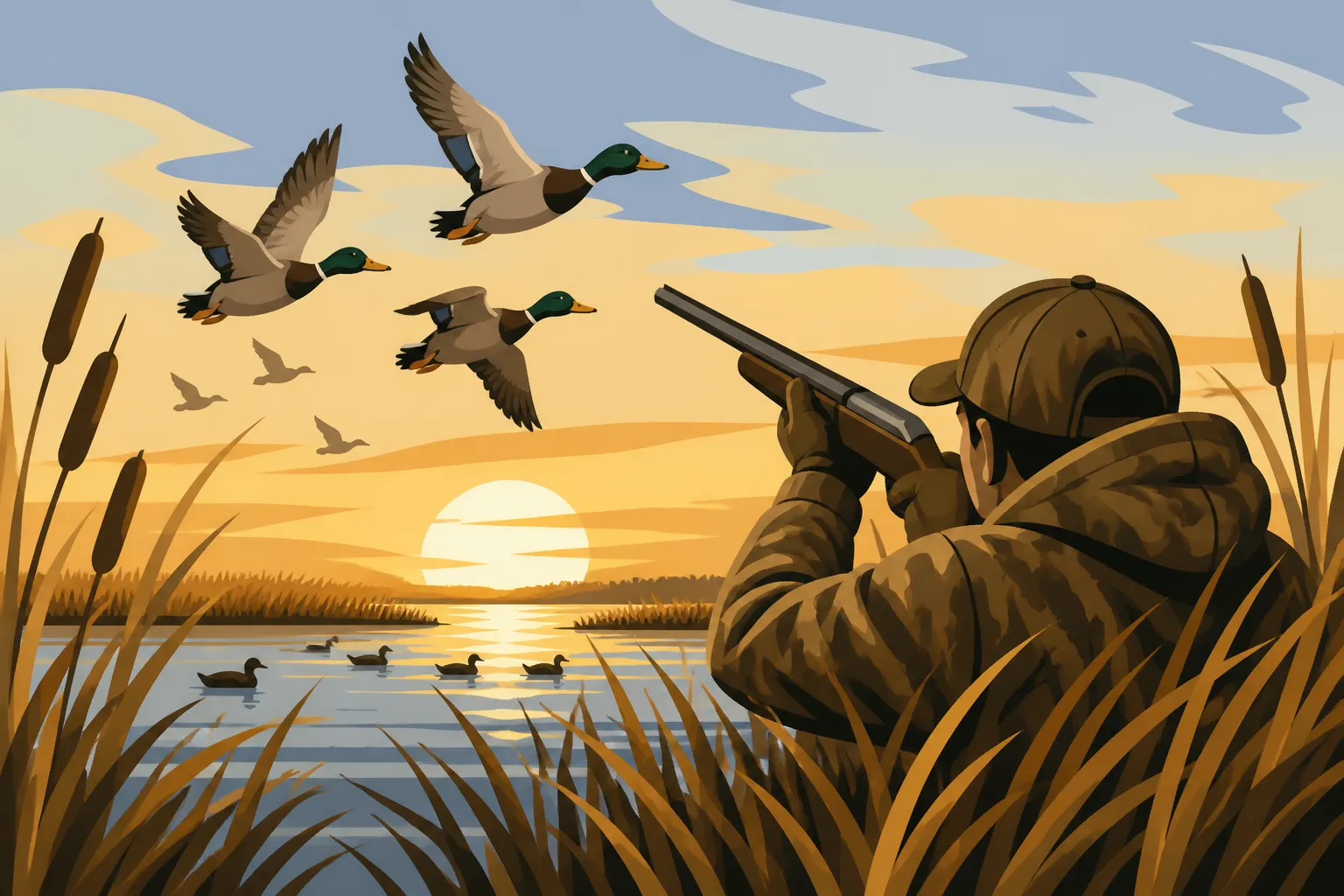
There's nothing quite like the experience of hunting ducks in a Manitoba marsh, especially in the sprawling, enigmatic landscape of the Interlake region. It’s an adventure that promises incredible rewards but also presents unique challenges. This guide will walk you through everything you need to know to successfully navigate the sloughs and reeds, identify your quarry, and fill your bag in this renowned waterfowl haven.
Understanding the Interlake Marsh Ecosystem
The Interlake region, nestled between Lake Manitoba and Lake Winnipeg, is a mosaic of wetlands, agricultural fields, and aspen parkland. This unique geographical positioning creates prime habitat for countless species of waterfowl, making it a dream destination for duck hunters. But it's not as simple as just showing up; understanding this specific ecosystem is paramount to success.
The Unique Hydrology and Vegetation
Manitoba's Interlake marshes are largely shaped by the dynamic interplay of the two massive lakes on either side, as well as numerous smaller lakes, rivers, and local precipitation. This leads to highly variable water levels from year to year, and even within a season, which dictates where ducks will be. You might find expansive shallow open water one year, perfect for divers, and dense emergent vegetation the next, favouring dabblers.
The vegetation is a critical factor. You'll encounter vast stands of cattails, bulrushes, and phragmites that offer incredible cover and nesting sites. Submerged aquatic vegetation like sago pondweed, coontail, and wild rice beds are the grocery stores for ducks, providing essential food sources. Knowing these plants and their relationship to water depth helps you pinpoint where different species will feed and rest. For instance, canvasbacks and redheads love the deeper, open water areas where they can dive for tubers, while mallards and pintails will dabble in shallower zones, often near the edges of emergent growth, seeking out fallen seeds and invertebrates. Hunting a Delta Marsh Style Wetland can give you a good idea of the kinds of environments you’ll encounter here. The constant evolution of these marshes means that yesterday’s hotspot could be today’s dry bed, so staying adaptable and scouting constantly is key.
Key Duck Species and Their Preferences
The Interlake is a veritable duck factory, attracting a diverse array of species throughout the migratory season. Primarily, you'll be targeting mallards, pintails, green-winged teal, blue-winged teal, wigeon, and gadwall – our fantastic dabbling ducks. These birds prefer shallower water, often where there's abundant submerged vegetation or access to nearby grain fields. They'll "tip up" to feed, hence the name dabblers, and typically take off vertically when startled.
Then there are the diving ducks: canvasbacks, redheads, scaup (bluebills), and ring-necked ducks. These species favour deeper, more open water to feed on tubers and mollusks, often congregating in large rafts. They require a longer run-up to take flight, skittering across the water before gaining altitude. Understanding these preferences is vital for setting up your spread and choosing your hunting location. For instance, if you're targeting canvasbacks, you wouldn't set up in a foot of water dense with cattails. You'd look for deeper pockets of open water, perhaps near a point or choke point. Knowing your Manitoba's Ducks and Geese by Flyway is crucial for both identification and understanding their migratory patterns. The sheer abundance of food and ideal nesting grounds is Why the Interlake Concentrates Birds so effectively each year.
Essential Gear for Interlake Marsh Hunters
Marsh hunting isn't like sitting in a dry field blind. The environment demands specific gear to ensure your comfort, safety, and success. Cutting corners here can lead to a miserable or even dangerous outing.
Boats, Decoys, and Blinds
A reliable boat is non-negotiable for marsh hunting. Depending on the size and depth of the marsh you're targeting, options range from sturdy aluminum jon boats to canoes or specialized duck skiffs. A smaller, lighter boat like a canoe or kayak is excellent for shallow, vegetated areas, allowing you to quietly push through dense reeds. Larger jon boats with robust outboards are better for covering more open water or crossing larger, wind-swept sections to reach secluded spots. Regardless of your choice, ensure it's stable, well-maintained, and equipped with all required safety gear, including a PFD for every occupant.
Decoys are your silent partners in the marsh. A mix of species-specific decoys is often best. For dabblers, a spread of mallards, pintails, and wigeon is a solid choice. For divers, you’ll want canvasbacks, redheads, and bluebills. Motion decoys, like spinning wing or jerk string setups, can add lifelike movement, especially on calm days. The marsh itself often provides excellent natural cover. Blinds can range from simple setups where you're tucked into a clump of cattails, camouflaged with marsh grass, to more elaborate pop-up blinds or layout boats that blend seamlessly with the waterline. The key is to disappear into your surroundings; ducks have incredible eyesight.
Waders, Clothing, and Safety
Your personal gear needs to keep you dry, warm, and safe. Breathable chest waders are essential. They allow you to stand in the water comfortably, set decoys, retrieve birds, and maneuver your boat. Choose a pair that fits well and is durable enough to withstand snags from submerged branches or sharp reeds. Underneath, layering is critical. Even on a mild morning, the dampness of the marsh can bring a chill. Start with moisture-wicking base layers, add insulating mid-layers like fleece or wool, and top with a waterproof, windproof outer shell. Camouflage patterns that match the marsh environment are obviously preferable.
Safety in the marsh can't be overstated. Always wear a PFD, especially when moving in a boat or wading in unfamiliar depths. The water can be deceptively cold, even in early fall, and a slip or fall could lead to hypothermia quickly. Carry a waterproof bag with essential safety items: a first-aid kit, a whistle, a charged cell phone (in a waterproof case), a knife, a headlamp, and a fire starter. If you're hunting in cold weather, consider bringing a thermos of hot coffee or soup. Before heading out, always tell someone where you're going and when you expect to return. This is especially important when you’re Hunting Safely in Deep Winter Cold later in the season.
Strategies for Successful Marsh Duck Hunts
The ducks in the Interlake are often well-educated by mid-season, having seen their fair share of decoy spreads and heard plenty of calling. Success hinges on a combination of thorough scouting, effective decoy tactics, and impeccable concealment.
Scouting and Reading the Water
This is where your hunt truly begins, long before you even load your gun. Thorough scouting is the single most important factor for consistent success in the Interlake marshes. Start with satellite imagery and mapping apps like GoHunt. These tools allow you to identify potential access points, open water pockets, areas of dense vegetation, and nearby feeding fields. Look for "funnels" or "choke points" where ducks might naturally fly between different parts of the marsh or from roosting to feeding areas.
However, satellite imagery is only a starting point. Nothing beats boots (or waders) on the ground. Spend time observing the marsh at dawn and dusk. Watch where ducks are flying, where they're landing, and where they're feeding. Are they piling into a specific stand of wild rice? Are they resting in a quiet bay out of the wind? Pay attention to current water levels and wind direction. Ducks will almost always land into the wind, so understanding the prevailing wind for your hunt day will inform your blind placement and decoy spread. For a deeper dive into finding promising spots, check out tips on Scouting Fields for Manitoba Waterfowl. The more you scout, the better you'll understand the habits of the birds in your specific hunting area.
Decoy Spreads and Calling Techniques
Your decoy spread should mimic what ducks naturally do in the marsh. For dabblers, a relaxed, feeding spread works well. Place some decoys "facing" into the wind (as they would land) and others "feeding" with heads down or preening. Mix in species that commonly associate, like mallards and pintails. For divers, larger, more open spreads are effective, often in a "J" or "V" shape, with the open end facing your blind. This creates a landing zone for incoming birds. Don't be afraid to experiment with size; sometimes a handful of well-placed decoys is more effective than a massive, unnatural-looking spread.
Calling should complement your decoys, not overpower them. Start with subtle quacks and clucks for dabblers, mimicking contented feeding birds. When you see birds commit, you can increase intensity, but avoid overcalling. For divers, calling is generally less effective, but a few quiet, reassuring purrs or growls from a diver call can sometimes draw them in. The goal is to sound like a flock of happy, undisturbed birds, not a desperate hunter. Observe how ducks react to your calling and adjust accordingly. It's often better to under-call than over-call, especially with educated birds.
Approaching and Concealing
Stealth is paramount in the marsh. Ducks are incredibly wary, and any unnatural movement or sound can send them flaring. When approaching your hunting spot in the pre-dawn darkness, move slowly and quietly. Use the dense vegetation to your advantage, pushing through reeds rather than plowing through open water. Once you're in position, make sure your boat is thoroughly concealed – camouflaged with marsh grass, pushed deep into reeds, or covered with a blind material that blends seamlessly.
Your personal concealment is just as important. Wear face paint or a face mask, and gloves to break up your human outline. Remain absolutely still when birds are approaching. Even a slight turn of the head can be spotted. Wait until the birds are committed and within ethical shooting range before calling the shot. This patience is often the difference between birds circling out of range and birds cupping their wings for a landing right in your spread. Remember that ducks will look directly at your blind and spread as they approach, so any unnatural shapes or movements will be instantly noticed.
Navigating Challenges and Regulations
Marsh hunting in the Interlake isn't without its unique set of challenges. From unpredictable weather to specific regulations, being prepared for these can make or break your hunt.
Weather, Ice, and Water Level Fluctuations
Manitoba weather is notoriously fickle, and the Interlake marshes are exposed to its full fury. Early in the season, hot, calm days can make ducks sluggish, while a sudden cold snap and strong winds can trigger massive migrations and excellent hunting. As the season progresses, ice becomes a major factor. Even a thin skim of ice can render many marsh areas inaccessible or unflyable for ducks. Hunters need to be vigilant about weather forecasts, especially temperature drops that could lead to freezing.
Water levels are another constant variable. Heavy spring rains or dry summers can drastically alter the landscape. A spot that was a prime shallow-water feeding ground one year might be bone dry the next, or too deep to wade. Checking recent satellite imagery on platforms like GoHunt can help, but nothing replaces on-the-ground scouting. Always be prepared for changing conditions, which might mean adapting your boat choice, wading depth, or even your hunting location entirely. This adaptability is part of the charm and challenge of marsh hunting.
Permitting, Access, and Shared Use
Before you even step foot in a marsh, make sure you understand the regulations. You'll need a Manitoba Migratory Bird Permits in addition to your provincial hunting licence. Many of the best marsh hunting opportunities are found on Crown Land or within Wildlife Management Areas (WMAs). Understanding Manitoba Wildlife Management Area Rules is crucial, as specific WMAs might have unique restrictions regarding access, vehicle use, or even hunting methods. For example, some WMAs might prohibit motorized boats in certain areas.
Access can be a challenge. Some prime marsh areas require extensive wading or boating to reach, meaning you'll be competing with fewer hunters, but also facing a more arduous journey. Always respect private land boundaries, even if they seem to run right into the marsh. For navigating the complex patchwork of private and public lands, especially near the marsh fringes, tools like GoHunt become indispensable for identifying where you can legally hunt and access. Remember that marshes are often used by other outdoor enthusiasts – trappers, bird watchers, photographers – so demonstrate respect and courtesy to ensure a positive experience for everyone.
Shot Selection and Conservation
When hunting migratory birds in Manitoba, you are legally required to use non-toxic shot. This is a critical conservation measure to protect waterfowl from lead poisoning. Non-Toxic Shot Requirements for Waterfowl are strictly enforced. Common non-toxic shot materials include steel, bismuth, and tungsten-alloy. Each has its own ballistic properties, so it's important to pattern your shotgun with your chosen non-toxic load before the season to understand its effective range and pattern density.
Responsible hunting also means being able to accurately identify your target species. Bag limits for ducks vary by species, and hunters are responsible for knowing and adhering to these regulations. This is where your knowledge of Duck Daily Bag Limit by Species becomes vital. Never shoot at birds you can't identify. If in doubt, don't shoot. Conservation is at the heart of our hunting heritage, and every hunter plays a role in ensuring healthy populations for future generations.
| Duck Species (Common in Interlake) | Habitat Preference | Diet Preference | Flight Style | Typical Bag Limit (Manitoba) |
|---|---|---|---|---|
| Mallard | Shallow water, marshes, fields | Seeds, grains, aquatic plants | Vertical take-off | Often 6 |
| Northern Pintail | Shallow marshes, wet fields | Seeds, aquatic plants, invertebrates | Vertical, graceful take-off | Often 2-4 |
| Green-winged Teal | Shallow wetlands, small ponds | Small seeds, aquatic insects | Fast, erratic take-off | Often 6 |
| Canvasback | Large, deep open water, lakes | Tubers, roots (wild celery) | Skittering, fast flight | Often 2-4 |
| Redhead | Moderately deep, vegetated wetlands | Submerged vegetation, seeds | Skittering, strong flight | Often 2-4 |
| Lesser Scaup (Bluebill) | Open water, large lakes, deep marshes | Mollusks, crustaceans | Skittering, direct flight | Often 6 |
| Gadwall | Shallow to medium depth wetlands | Aquatic plants, seeds, insects | Vertical take-off | Often 6 |
| American Wigeon | Shallow marshes, flooded fields | Aquatic vegetation, grasses | Vertical take-off, quick | Often 6 |
Note: Bag limits can change annually and vary by zone. Always consult the current Manitoba Hunting Guide.
Maximizing Your Experience in the Interlake
Beyond the technical skills and gear, maximizing your marsh hunting experience in the Interlake involves smart post-hunt practices, leveraging local knowledge, and embracing a continuous learning mindset.
Post-Hunt Care and Preservation
The hunt doesn't end when the shooting stops. Proper field dressing and meat care are crucial, especially in the variable temperatures of a Manitoba fall. As soon as possible after retrieving your birds, field dress them to cool the meat down. This typically involves removing the entrails and cooling the body cavity. If you're hunting in warm conditions, consider bringing a cooler with ice to keep your birds fresh during transport back to camp or home.
Ensure your birds are properly tagged according to regulations. Transporting game meat in Manitoba has specific rules, so familiarize yourself with them to avoid any issues. Once home, clean and prepare your birds promptly. Whether you're plucking them whole or breasting them out, good hygiene and quick processing will ensure you get the best possible table fare from your hard-earned ducks.
Finding Hidden Gems and Local Knowledge
While online maps and scouting apps are powerful, there’s no substitute for local knowledge. Hunters who have spent years navigating the nuances of the Interlake marshes often hold invaluable insights into obscure access points, productive sloughs, or patterns specific to certain conditions. Don't be afraid to strike up conversations with other hunters, bait shop owners, or locals you meet. They might not give away their secret spot, but they can offer general advice on current bird movements, water levels, or challenging areas to avoid.
Sometimes, the best spots are those others drive past because they're a little harder to reach. This is where your detailed map work and willingness to explore come in. Many hunters swear by the detailed aerial views and public land overlays available through services like GoHunt, which can highlight small, overlooked pockets of marsh that might be inaccessible to larger boats but perfect for a quiet canoe or kayak hunt. These hidden gems often hold undisturbed birds and offer a truly wild hunting experience.
Mentoring and Continuous Learning
Duck hunting, especially in a dynamic environment like the Interlake marsh, is a continuous learning process. Every season brings new challenges – different water levels, new migration patterns, varying weather conditions. Stay open to new techniques, different decoy spreads, or even trying out new calls. Watching how ducks react to various stimuli and adjusting your approach accordingly is key to long-term success.
Consider mentoring a new hunter, especially a youth or someone just getting into waterfowl. Sharing your knowledge and passion for marsh hunting not only enriches their experience but also reinforces your own understanding of the sport. Teaching someone about duck identification, safety, ethics, and the subtle art of marsh hunting is one of the most rewarding aspects of our heritage. It ensures that the tradition of Waterfowl Hunting Manitoba's Grain Fields and marshes continues to thrive for generations to come.
Disclaimer
Please remember that hunting regulations can change. Always consult the latest Manitoba Hunting Guide and federal migratory bird regulations before heading afield. This guide is for informational purposes only and does not supersede official government regulations. Ensure you understand and comply with all applicable laws.