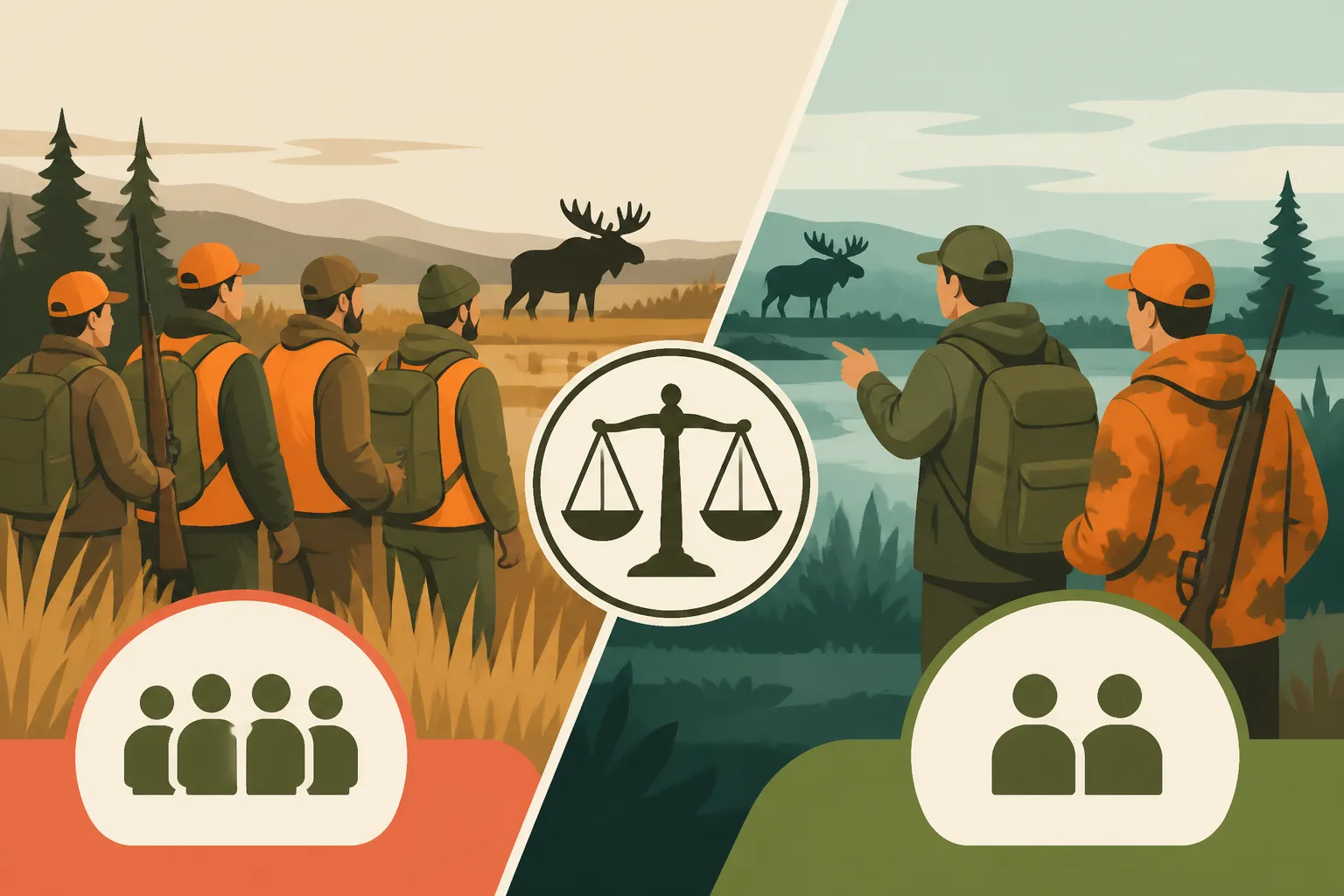
Group Size and Hunter to Guide Ratio
Planning a hunting trip to Manitoba can be incredibly exciting, but one common sticking point that often leaves hunters scratching their heads is figuring out the ideal group size and what kind of hunter-to-guide ratio will truly maximize their experience. It's a real dilemma, isn't it? You want that perfect blend of camaraderie with your buddies and enough personalized attention from your guide to make sure you're actually learning and getting opportunities. This guide is here to walk you through the nuances of hunter-to-guide ratios in Manitoba, helping you understand how different arrangements can impact your hunt for big game or birds, and ultimately assisting you in making the best choice for your next adventure.
Understanding Hunter-to-Guide Ratios in Manitoba
When you start looking at guided hunting trips, especially for a destination like Manitoba that offers such diverse opportunities, you’ll quickly encounter terms like "1:1" or "2:1" guiding. These numbers aren't just arbitrary; they represent the hunter-to-guide ratio, a fundamental aspect that will shape nearly every facet of your time in the field. It’s about how many hunters are directly under the care and direction of a single guide. Understanding this is key to setting your expectations and ensuring your hard-earned money and time deliver the kind of experience you're truly after.
What Do Ratios Actually Mean for Your Hunt?
Let's break down what these ratios practically mean once you're out in the Manitoba bush or fields. A 1:1 ratio signifies one hunter per guide. This is the pinnacle of personalized service, offering the guide's undivided attention, allowing for incredibly flexible strategies that can be adapted on the fly to your specific skills, physical condition, and hunting goals. Imagine tracking a whitetail buck through a fresh snow with your guide, every step, every read of the sign, is a shared focus. There's no need to worry about another hunter's pace or preferences; the hunt revolves entirely around you. This setup is often preferred for more intricate hunts like stalking a trophy animal in dense cover or navigating challenging terrain for Moose Hunting Manitoba's Boreal Country.
On the other hand, a 2:1 ratio means two hunters share one guide. This is a very common and often highly effective option, striking a balance between cost and personal attention. In this scenario, the guide still dedicates significant time to both hunters, but the logistics naturally become a bit more complex. You might be hunting side-by-side in a large field for geese, or sitting in two separate stands within earshot, with the guide moving between you. Communication and cooperation between the two hunters are crucial here. With a 3:1 ratio or higher, which is less common for big game but typical for waterfowl or upland bird hunts, the guide's attention is spread even thinner, and the emphasis shifts more towards group coordination and less on individual strategic input. This is where the guide is more like a foreman, directing the overall operation rather than providing minute-by-minute coaching to each individual.
The Impact of Group Size on Logistics and Success
It’s not just the guide’s attention that changes with group size; the actual mechanics of the hunt are profoundly affected. Think about it: every additional person in the woods means more potential for noise, more scent being spread, and a greater chance of being spotted by wary game. Coordinating movement silently and effectively becomes exponentially harder with more people. For species like big whitetail bucks that are incredibly sensitive to disturbance, a larger group can be a significant disadvantage, often limiting tactics to stationary stand hunting or drives, rather than more fluid spot-and-stalk methods.
Logistically, bigger groups mean more vehicles, more gear, and more mouths to feed back at camp. Even seemingly minor details, like getting everyone dressed and out the door on time for an early morning hunt, can become a production. In a guided scenario, the guide’s expertise in managing these variables becomes paramount. They have to constantly balance the needs and expectations of multiple hunters, sometimes with varying skill levels or physical capabilities, all while trying to put everyone on game. This can mean less flexibility to adapt to unexpected challenges like a sudden wind shift or a change in game patterns, as altering plans for one person might impact the opportunities for another. For this reason, many outfitters, when they list their available packages, specify the hunter-to-guide ratio clearly on platforms like BookYourHunt or GoHunt, making it easier for you to filter and find what suits your style.
Common Hunter-to-Guide Ratios Offered by Manitoba Outfitters
Manitoba's vast and varied landscape, from the dense boreal forest to the sprawling grain fields, means that outfitters offer a range of experiences tailored to different game species and hunting styles. This also dictates the typical hunter-to-guide ratios you'll encounter. Understanding these common offerings can help you better align your expectations and budget with the reality of a guided hunt.
One-on-One: The Premium Experience
The 1:1 hunter-to-guide ratio is truly the gold standard for those seeking an unparalleled, immersive hunting experience. This arrangement means you, and only you, are with your guide in the field. The benefits are numerous and immediate:
- Maximum Attention: Your guide's entire focus is on your success and safety. They can fine-tune strategies to your every move, offering real-time coaching on tracking, calling, glassing, and shot placement. This is invaluable, especially for newer hunters or those pursuing a specific trophy.
- Tailored Strategies: Whether you prefer aggressive spot-and-stalk tactics for Whitetail Hunting in Manitoba or long hours in a blind over a bear bait, the hunt can be completely customized. The guide can adapt instantly to changing weather, game movement, or your energy levels without compromising another hunter's experience.
- Increased Flexibility: If a promising new sign is found, or an unexpected opportunity arises, the guide can pivot quickly. This agility can be a game-changer in dynamic hunting situations.
- Enhanced Learning: With undivided attention, you have a prime opportunity to absorb knowledge, hone your skills, and truly understand the nuances of the local habitat and game behavior.
- Privacy and Solitude: For many hunters, the appeal of a 1:1 hunt is the solitude and deeper connection with nature, shared only with a knowledgeable companion.
The primary drawback, as you might expect, is the higher cost, reflecting the exclusive dedication of the guide's time and resources. However, for those with specific trophy goals, physical limitations requiring extra assistance, or simply a desire for the most personalized hunt possible, the investment often pays dividends in experience and opportunity.
Two-on-One: The Popular Compromise
The 2:1 hunter-to-guide ratio is arguably the most popular and commonly offered setup by Manitoba outfitters, and for good reason. It represents an excellent balance between cost-effectiveness and a high level of personalized service. In this scenario, two hunters share one guide.
- Cost-Efficiency: Splitting the guide's fee between two hunters significantly reduces the individual cost, making guided hunts more accessible.
- Companionship: Many hunters prefer to share their adventure with a friend, family member, or even a new acquaintance. This allows for shared stories, mutual encouragement, and a more social experience in the field.
- Effective for Many Hunt Types: A 2:1 ratio works exceptionally well for numerous hunting scenarios. For instance, on a Black Bear Hunting in Manitoba trip, two hunters might sit separate baits under the guide's supervision, or share a comfortable blind. For deer hunting, two stands can be set up in prime locations, allowing the guide to move between them or position themselves strategically to help both hunters.
- Shared Knowledge: You and your hunting partner can learn together from the guide, often bouncing ideas off each other and discussing strategies.
The key to a successful 2:1 hunt often lies in the compatibility of the two hunters. Are your goals aligned? Do you have similar physical capabilities and hunting styles? Outfitters like those you might find on GoHunt often facilitate pairing compatible hunters, or you can book with a trusted friend. While the guide's attention is split, a good guide is adept at managing the dynamic, ensuring both hunters feel supported and have ample opportunity. You might spend some time together, or be split into different areas depending on the strategy, which is often detailed by outfits when you inquire about their packages.
Group Hunts: Three-on-One and Beyond
While less common for individual big game pursuits like trophy whitetails or moose, larger group hunts (3:1 or more) are the bread and butter of certain types of hunting in Manitoba.
- Waterfowl Hunts: Imagine a vast spread of decoys in a Manitoba stubble field, with a half-dozen hunters concealed in blinds, awaiting the morning flight of geese. This is a quintessential group hunt. Here, the guide's role is less about individual coaching and more about managing the entire spread, calling birds, ensuring safety, and coordinating the retrieve. The sheer volume of birds and the nature of decoy hunting lend themselves perfectly to larger groups. Waterfowl Hunting Manitoba's Grain Fields is a prime example where a group ratio allows for fantastic collective success.
- Upland Bird Hunts: For species like sharp-tailed grouse or Hungarian partridge, a group of hunters walking behind a flushing dog or through cover can be highly effective. The guide might direct the line, manage the dog, and ensure everyone moves safely. Upland Bird Hunting in Manitoba can be a great social experience for a group of friends.
- Big Game Drives: In specific big game situations, often in thick bush, a coordinated drive might involve several hunters strategically positioned while others push game. This is a specialized tactic where larger numbers can be advantageous, but it requires precise communication and a clear understanding of roles.
The main draw for larger group hunts is undoubtedly the significantly lower cost per hunter and the inherent social aspect. The experience is often more about the collective achievement and shared excitement. However, individual attention from the guide is minimal, and hunters must be prepared to be more self-sufficient and work as a team. Hunters considering these larger groups should always inquire about the specific logistics and expectations from their outfitter.
| Hunter-to-Guide Ratio | Pros | Cons | Best For |
|---|---|---|---|
| 1:1 (One-on-One) | Maximum personal attention, highly flexible, tailored strategy, ideal for learning, high success potential. | Highest cost, less social interaction. | Trophy hunts, specific skill development, challenging terrain, physical limitations, unique species (e.g., Barren-Ground Caribou Hunting in Northern Manitoba). |
| 2:1 (Two-on-One) | Good balance of attention and cost, shared experience, popular choice, effective for many species. | Requires compatible hunting partners, guide's attention is split. | General big game hunts (deer, bear), hunting with a friend or partner, good for learning without premium cost. |
| 3:1+ (Group Hunt) | Most cost-effective, highly social, efficient for high-volume game. | Minimal individual attention, less flexible, higher noise/scent profile for big game, requires strong group coordination. | Waterfowl (geese, ducks), upland birds (grouse, partridge), certain big game drives, budget-conscious groups. |
Choosing the Right Ratio for Your Manitoba Hunt
Deciding on the perfect hunter-to-guide ratio isn't a one-size-fits-all answer. It's a deeply personal decision that should factor in your hunting goals, financial flexibility, and overall expectations for the trip. Making an informed choice now will prevent disappointment later and ensure your Manitoba hunting adventure is everything you dreamed of.
Factors to Consider: Species, Budget, and Personal Preference
Before you even start looking at specific outfitters, take a moment to honestly assess what you want out of your hunt:
- Target Species: The animal you're pursuing plays a huge role. For solitary, elusive big game like a mature whitetail buck or a wary bull moose, a 1:1 or 2:1 ratio often provides the best chance for success and a quality hunt. These animals demand stealth, patience, and often intricate tracking or calling strategies that are harder to execute with a large group. Conversely, if you're chasing migratory birds like snow geese that decoy into large spreads, a larger group hunt (3:1 or more) is not only viable but often preferred, creating an exciting, high-volume shooting opportunity.
- Budget: Let's be real, guided hunts are an investment. Generally, the more personalized the experience (i.e., lower hunter-to-guide ratio), the higher the cost per hunter. A 1:1 hunt will always be more expensive than a 2:1, which in turn will be more than a 3:1 or 4:1. Determine what you're comfortable spending and then look for options within that range. Remember to factor in all costs, including the Manitoba Big Game Season Dates and associated licence and tag fees, travel, and potential gratuities.
- Personal Hunting Style and Expectations: Are you a lone wolf who cherishes solitude and one-on-one mentorship, or do you thrive on shared experiences and camaraderie with friends? Do you want to learn every trick in the book from your guide, or are you an experienced hunter simply looking for access to prime land and logistical support? Your personal preference for social interaction versus intense focus will heavily influence your ideal ratio. Some hunters value the quiet concentration of a solo hunt, while others find immense joy in sharing the excitement of a harvest with a buddy. Platforms like GoHunt and BookYourHunt allow you to filter results by hunter-to-guide ratio, making it easier to find outfits that cater to your preferred style.
- Physical Condition: Consider your own physical capabilities. If you're planning a physically demanding hunt that requires extensive hiking, a 1:1 ratio allows the guide to move at your pace and provide direct assistance. In a larger group, you might feel pressured to keep up or slow others down.
Questions to Ask Your Outfitter About Ratios and Group Dynamics
Once you've narrowed down your choices, don't hesitate to ask your prospective outfitter detailed questions. Transparency upfront is key to a successful trip. Here are some essential questions to cover, building on what you might ask as part of your general Questions to Ask Before Booking:
- "What are the exact field arrangements for your typical One-on-One Versus Two-on-One Guiding hunts for my target species?" This helps clarify how they actually operate. Will two hunters in a 2:1 hunt together, or will they be split into separate areas with the guide moving between them? This distinction is crucial.
- "How flexible are your guides if conditions change or if one hunter tags out early in a multi-hunter group?" You want to know if the guide can adapt the remaining hunt for the other party, or if the day ends for everyone.
- "What is the typical group size and ratio for the specific species and dates I’m interested in?" Some outfitters might offer different ratios depending on the season or species.
- "How do you manage varying skill levels or physical conditions within a multi-hunter group?" This is important to ensure that one person's abilities don't inadvertently hinder another's experience.
- "Can I request a specific guide, or be paired with another hunter I know, for a 2:1 hunt?" Many outfitters are accommodating, especially if you book well in advance.
- "What specific tasks does What a Licensed Manitoba Guide Provides in each ratio setting?" This helps you understand the division of labour and what you can expect from your guide.
Asking these targeted questions will give you a much clearer picture of what to expect and allow you to choose an outfitter whose operations align perfectly with your hunting preferences.
Practical Implications and Hunter Etiquette in Group Hunts
Venturing into the Manitoba wilderness with a guided group, whether it's two of you with a guide or a larger party for a bird hunt, comes with its own set of practical realities and unwritten rules. Understanding these can significantly enhance your experience and contribute positively to the overall success and enjoyment of the trip for everyone involved. It's about being a team player and maximizing the collective effort.
Maximizing Success in a Group Setting
In a group hunt, success often hinges on more than just the guide's expertise; it relies heavily on the cooperation and synergy of the hunters.
- Teamwork and Communication: This is paramount. For a 2:1 big game hunt, for example, clear communication between you, your hunting partner, and the guide ensures that everyone understands the plan, potential shot zones, and safety protocols. If one hunter spots movement, sharing that information calmly and clearly can create an opportunity for another. In a waterfowl spread, the guide will often direct shooting, but hunters must communicate who is taking what bird to avoid confusion and ensure ethical shots.
- Managing Expectations: Understand that in a group, not every decision will be solely for your benefit. The guide is trying to provide opportunities for everyone. There might be times when you pass on a marginal shot so your partner has a better chance, or you might wait quietly while your guide helps another hunter with a shot opportunity. Being flexible and having a "we're all in this together" attitude makes a huge difference.
- Patience and Discipline: Group hunts, especially for big game, require immense patience. Holding still, managing your scent, and controlling your movements are critical. One lapse in discipline from a single hunter can spoil the opportunity for the entire group. This is particularly true when hunting in cold weather, where remaining still for extended periods in a stand, even with proper gear, tests your resolve. Hunting Safely in Deep Winter Cold emphasizes that patience isn't just about waiting for game, but about enduring conditions as a disciplined unit.
- Sharing Responsibilities: While your guide handles the heavy lifting of scouting and strategy, contribute where you can. Help with gear, keep an eye out for game, and assist with tracking or retrieval if needed. This fosters a positive atmosphere and shows respect for your guide and fellow hunters.
Considerations for Different Hunting Styles
The chosen hunter-to-guide ratio will inherently influence the types of hunting methods employed, and your adaptability to these methods is important.
- Still-Hunting and Spot-and-Stalk: These highly personal and stealthy methods are most effective with smaller groups (1:1, sometimes 2:1). The guide can focus on reading sign, identifying fresh tracks, and moving silently with minimal disturbance. In a 2:1 scenario, the two hunters and guide must move as a cohesive, quiet unit, which requires practice and discipline.
- Stand Hunting: This is where a 2:1 ratio often shines for big game. Two hunters can be strategically placed in separate stands or ground blinds overlooking different trails, food sources, or bedding areas. The guide can then rotate between hunters, check on them, or position themselves to help manage shot opportunities. This allows both hunters to experience the solitude of the stand while still having guide support.
- Driving/Pushing: While less common in general guided hunts, coordinated drives for species like deer or elk sometimes involve several hunters acting as "pushers" and others as "standers." This is a group effort where the guide's role is critical in ensuring safety and directing the flow of the drive. The specific rules and zones must be communicated impeccably to every participant.
- Waterfowl Decoy Hunting: For large groups, the guide will be responsible for setting up the elaborate decoy spread, positioning blinds, and calling. Hunters need to follow instructions precisely, remain concealed, and only shoot when directed or when birds are within ethical range. This is a fast-paced, high-excitement style where individual hunter discipline directly impacts the success of the whole group.
Ultimately, regardless of the ratio you choose, remember that a guided hunt is a partnership. Your willingness to adapt, communicate, and contribute to the team effort will go a long way in ensuring a memorable and successful Manitoba hunting experience.
Disclaimer
This article is for general informational purposes only and does not constitute professional advice. Laws, prices and regulations vary by location and change over time. Consult a qualified professional for guidance on your specific situation.