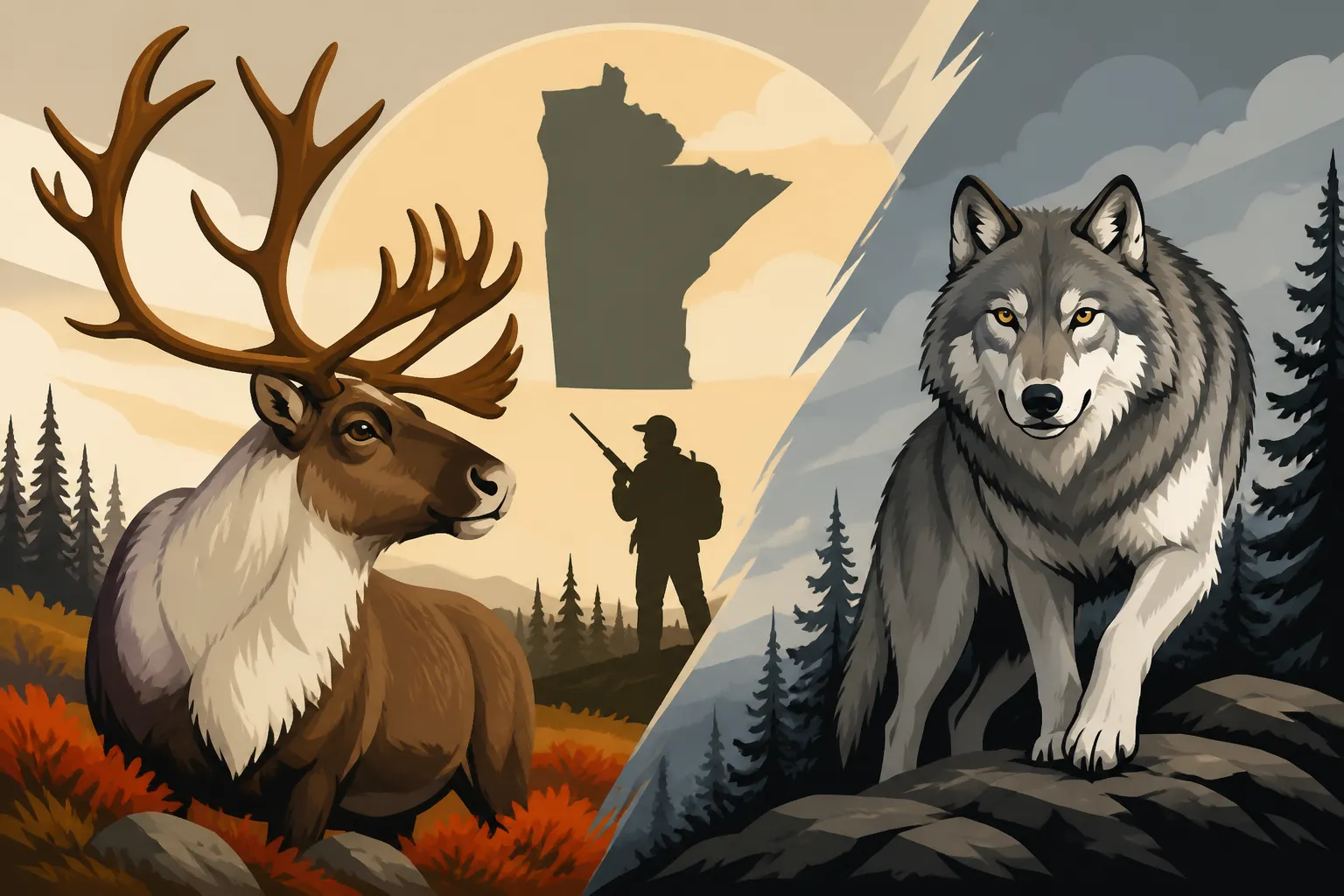
Caribou and Wolf Combination Hunts
The dream of a caribou hunt in Manitoba's vast northern landscape is already a profound adventure, but for many, the thought of adding a wolf to that expedition takes it to an entirely new level. The challenge often lies in figuring out the logistics, knowing how to maximize your chances, and understanding that these aren't just two separate hunts happening simultaneously, but rather a unique combination that can enhance your entire wilderness experience. This guide aims to help you navigate the planning and execution of a memorable caribou and wolf combination hunt in the rugged beauty of Manitoba.
The Unique Appeal of a Caribou and Wolf Combination Hunt
When you head north in Manitoba, you're not just chasing one species; you're immersing yourself in an ecosystem where predators and prey constantly interact. Combining a caribou hunt with the pursuit of a wolf offers a deeper, more comprehensive wilderness experience that few other hunts can match. It's about understanding the intricate dance of life and survival in the vast, untamed boreal forest and tundra transition zones.
Why Combine These Two Species?
The sheer synergy of pursuing both caribou and wolf is what truly makes this combination shine. Caribou are a primary food source for wolves in northern Manitoba, meaning that where you find one, the other is often not far behind. You're already trekking through prime wolf territory while searching for caribou, making it a highly efficient use of your time and resources. Rather than planning two entirely separate expeditions, you can often fulfill both ambitions within the same trip, maximizing your investment in travel and outfitting costs. This efficiency is a huge draw for hunters looking for a truly wild experience.
Furthermore, a wolf hunt adds an extra layer of excitement and challenge. Wolves are incredibly intelligent, wary, and often elusive creatures. Taking one requires patience, keen observation, and a different set of hunting skills compared to stalking caribou. It broadens your hunting repertoire and deepens your appreciation for the northern wilderness. Many hunters find that the presence of wolves, even if unseen, adds to the primal feel of a caribou hunt, reminding them they are truly in wild country where nature sets the rules.
The Wilderness Experience Amplified
Beyond the practicality, combining these hunts profoundly amplifies your wilderness experience. Imagine glassing a distant herd of caribou on a tundra ridge, only to spot the tell-tale silhouette of a lone wolf shadowing their movements. These are the moments that truly define a northern Manitoba hunt. You're not just observing wildlife; you're becoming a part of the natural drama unfolding around you.
The landscapes you'll traverse for caribou – vast stretches of tundra, sparse boreal forests, and ancient Precambrian Shield country – are also the domains of the wolf. You'll encounter untouched wilderness, hear the distant howl, and see tracks in the snow or mud that tell tales of survival. This combination hunt is not just about filling tags; it's about the deep connection you forge with an ecosystem that is both beautiful and brutally honest. It's an opportunity to experience Manitoba's Northern Boreal in its rawest form.
Planning Your Manitoba Caribou and Wolf Combo Hunt
Embarking on a caribou and wolf combination hunt in Manitoba requires meticulous planning. This isn't a spur-of-the-moment trip; it demands careful consideration of logistics, timing, outfitter selection, and regulatory compliance. Getting these elements right is crucial for a successful and safe adventure.
Choosing the Right Outfitter
For non-resident hunters, booking with a licensed outfitter is often a requirement and always highly recommended for a caribou hunt in Manitoba's far north. An experienced outfitter will handle critical logistics, from remote camp setup and transportation via float plane to guiding you in challenging terrain. When searching for an outfitter, look for those explicitly advertising caribou and wolf combination packages. These outfits specialize in managing the complexities of hunting both species simultaneously.
Platforms like BookYourHunt can be an excellent resource for finding reputable outfitters offering these specialized trips. You can browse different operations, compare packages, and read reviews from other hunters. Don't be shy about asking potential outfitters specific questions: what are their success rates for both species? How do they handle meat and trophy care for two animals? What is their strategy for calling or encountering wolves while caribou hunting? Their answers will reveal their expertise. A good outfitter will be transparent about the challenges and rewards of a combo hunt.
Timing Your Hunt for Optimal Chances
Timing is paramount for a successful combination hunt. Caribou migrations are highly variable, but generally, late August through September and into early October offer good opportunities. During this period, caribou are often on the move, and wolves will be following. The weather can also be more forgiving than the deep winter months, making travel and camp life more comfortable.
However, wolf hunting often becomes more productive later in the fall and into early winter, when snow cover makes tracking easier and wolves are actively hunting. This can create a bit of a balancing act. Discuss with your chosen outfitter the best time to visit, factoring in their historical success for both animals. Some outfitters might recommend a specific window, such as late September or early October, which often provides a decent overlap for both migratory caribou and active wolf predation patterns. For a deeper dive into caribou specifics, check out Barren-Ground Caribou Hunting in Northern Manitoba and for wolf information, refer to Wolf Season Dates and Limits.
Essential Logistics and Gear
Logistics for a remote northern hunt are significant. Most caribou hunts involve flying into a remote camp via float plane. This means strict weight limits for gear. You'll need durable, warm, and waterproof clothing layers suitable for variable northern weather, sturdy hiking boots, and a reliable rifle suitable for big game. Since you'll also be targeting wolves, consider optics that offer good low-light performance, as wolves are often most active during dawn and dusk.
A comprehensive first-aid kit, satellite communication device (like an inReach or satellite phone), and quality navigation tools are non-negotiable. Your outfitter will provide a detailed packing list, but be prepared for cold, wet, and windy conditions. The remoteness of these areas means you must be self-sufficient and ready for anything. Remember, you'll be spending a lot of time on foot, potentially covering significant distances over uneven terrain.
What to Expect on Your Caribou and Wolf Expedition
A caribou and wolf combo hunt is not a walk in the park; it's an immersive and physically demanding experience. However, the rewards – the vastness of the wilderness, the raw encounters, and the satisfaction of harvesting truly wild animals – are immeasurable.
The Terrain and Typical Hunting Methods
Expect rugged and remote terrain. Northern Manitoba's caribou country transitions from dense boreal forest in the south to open taiga and true tundra further north. You'll likely be hunting from a remote tent camp or cabin accessible only by air. Daily hunts often involve extensive glassing from high points, spot-and-stalk tactics, and sometimes covering many miles on foot, navigating rocky outcrops, muskeg, and brush.
For caribou, patience is key. Finding them can involve long hours of observation, waiting for herds to move into accessible areas. For wolves, methods vary. They can be spotted incidentally while hunting caribou, or actively pursued through calling. Many outfitters will integrate wolf calling into your caribou hunt, especially at strategic times like early morning or late evening. They might use distress calls or howls to bring a curious wolf closer. Your guide will be invaluable in identifying fresh wolf sign and understanding their movements. You might even want to consult a platform like GoHunt to research potential regions and their specific characteristics that might be more conducive to wolf activity.
The Challenges and Rewards
The challenges are real: unpredictable weather that can shift from mild to freezing in hours, difficult terrain that tests your stamina, and the inherent elusiveness of two wild species. Success is never guaranteed, and there will be days when animals seem to vanish. Mental fortitude and a positive attitude are as crucial as physical fitness.
However, the rewards far outweigh these difficulties. Imagine the sight of a massive caribou herd flowing across the landscape, or the thrill of a wolf answering your guide's call. The camaraderie forged in a remote hunting camp, the quiet beauty of the northern lights, and the taste of fresh wild game are experiences that stay with you for a lifetime. This hunt is about more than just a trophy; it's about connecting with an ancient wilderness in a profound way. For more insights on the actual hunting process, consider reading Hunting Wolves in Manitoba's North or Flying North for Manitoba Caribou.
Field Care for Two Species
Harvesting both a caribou and a wolf means double the field care responsibilities. Your outfitter and guides will assist, but understanding the basics is vital. Both animals need to be field-dressed quickly to prevent spoilage, especially if temperatures are mild. For caribou, this means quartering the animal for easier transport back to camp and ensuring proper cooling. For a wolf, especially if you intend to have it mounted as a rug or full-body mount, skinning carefully and cooling the hide quickly is paramount.
Ensure you have a plan for meat care and trophy preservation. Many outfitters have arrangements with local meat processors and taxidermists, but clarify these details beforehand. Proper cooling, either in cold temperatures or with ice, is essential for both meat and hide quality. Learning about Meat Care in Manitoba's Cold Snaps can be particularly useful.
Important Considerations for Your Combo Hunt
Before you even step foot in Manitoba, there are several crucial details and regulations you need to understand to ensure your caribou and wolf combination hunt is legal, ethical, and successful.
Licensing and Tag Requirements
This is not a "one size fits all" situation. You will need separate licences and tags for both caribou and wolf. For non-residents, these are typically secured through your outfitter as part of your package, but it's your responsibility to ensure all paperwork is in order.
Refer to the official Manitoba hunting regulations for specific details on Manitoba Hunting Licences and What They Cost and Wolf Season Dates and Limits. Be aware of bag limits, season dates, and any GHA-specific regulations for both species. Some areas might have specific rules or closures, so always confirm with your outfitter and the latest provincial guidelines. It's often beneficial to research the process for Manitoba Resident Licence Options or Manitoba Non-Resident Licence Options if you're curious about the general licensing framework.
Here's a simplified overview of what you'd typically need to consider:
| Species | Licence Type | Typical Season (General) | Key Requirement |
|---|---|---|---|
| Caribou | Non-Resident Caribou Licence & Tag | Late August – October | Often Outfitter-booked for Non-Residents |
| Wolf | Non-Resident Wolf Licence & Tag | Year-round in some GHAs, Fall-Winter best | Often added to Big Game Hunts |
Note: Specific dates and requirements are subject to change by the provincial government and vary by GHA. Always check the current regulations.
Trophy Export and Border Crossing
Bringing your trophies and meat home requires adherence to both Canadian and international regulations. For caribou, you'll need the appropriate export permits for antlers and hides. For wolf, similar permits apply. If you're coming from outside Canada, particularly the United States, you'll need to understand the import regulations for wildlife products into your home country. This often involves CITES permits for certain species, although wolves typically don't require them for export to the US from Canada.
Your outfitter should be able to assist with the necessary Canadian paperwork, but it's wise to research the requirements of your home country well in advance. Having all your documentation correctly filled out and readily available at the border crossing is crucial to avoid delays or confiscation. Information on Taking Meat and Antlers Across the Border will be very helpful here.
Ethical Hunting and Conservation
Hunting two iconic species like caribou and wolf comes with a deep ethical responsibility. Practice ethical hunting by knowing your effective range, ensuring a clean shot, and adhering to fair chase principles. Respect the animals, the land, and the local regulations.
Conservation efforts are vital for both caribou and wolf populations. Understanding the role of each species in the ecosystem and supporting sustainable hunting practices ensures these opportunities continue for future generations. Manitoba has management plans in place for both caribou and wolf populations, and adhering to licencing and reporting requirements contributes directly to these conservation efforts. By choosing a reputable outfitter and following all rules, you play a part in maintaining the health of Manitoba's incredible northern wilderness.
Disclaimer
This article is for general informational purposes only and does not constitute professional advice. Laws, prices and regulations vary by location and change over time. Consult a qualified professional for guidance on your specific situation.