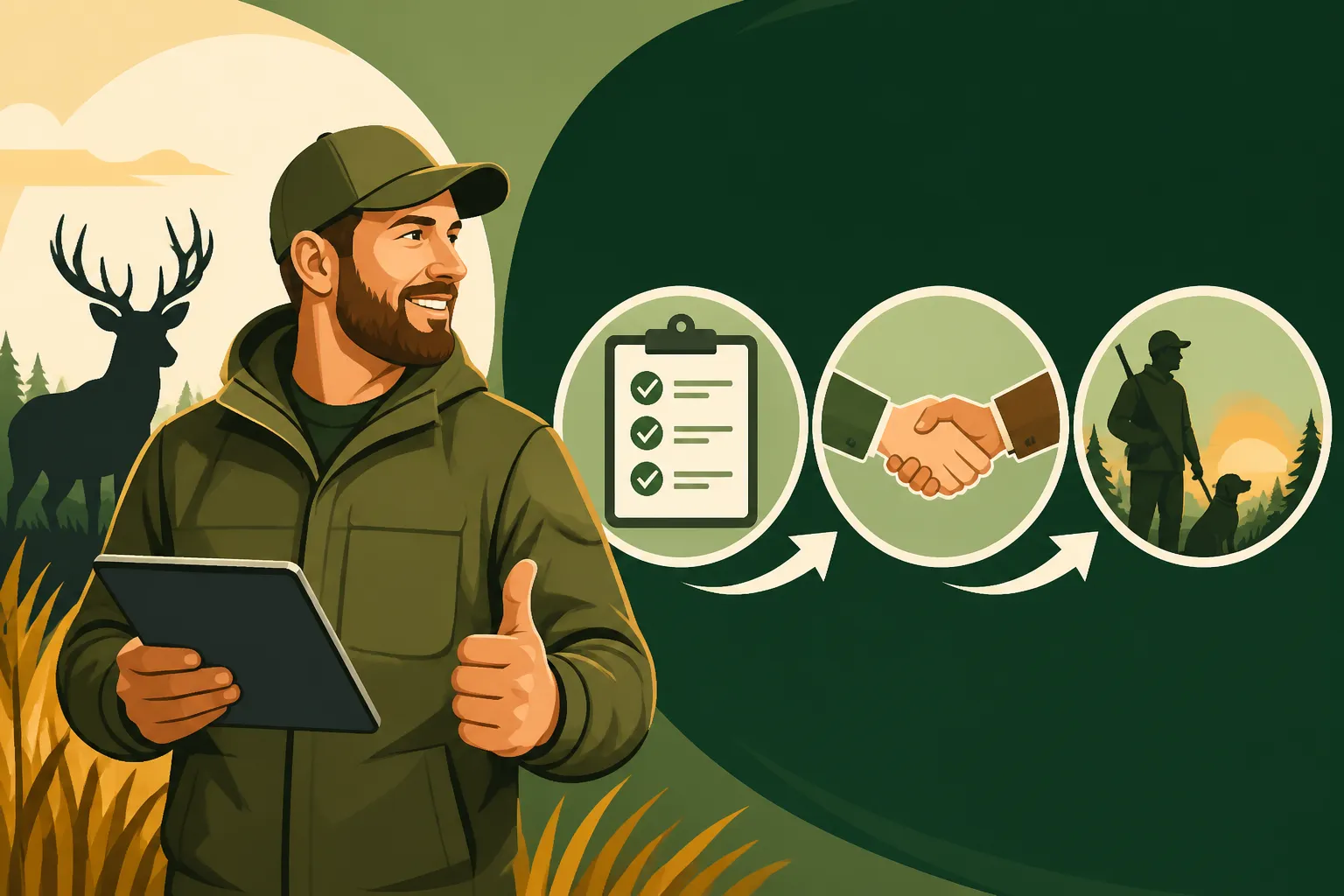
What an Outfitter Does With a Positive Result
It's an unfortunate reality of hunting in certain regions now, but the concern over Chronic Wasting Disease (CWD) is very real, and it can add a layer of anxiety to an otherwise exciting hunt. For those of us who plan a big trip, especially with an outfitter, the question often lingers: what happens if your trophy animal tests positive for CWD? This guide aims to clear up that uncertainty, detailing the critical role your outfitter plays in managing this situation, from sampling to navigating the rare but possible scenario of a positive result.
Understanding CWD and Its Impact on Your Hunt
Let's face it, none of us want to deal with CWD, but ignoring it simply isn't an option anymore. It's a serious neurological disease that affects cervids like deer, elk, and moose, and while there's no evidence it can be transmitted to humans, the scientific community is still learning. For hunters, it introduces a layer of caution and responsibility that we all need to be aware of.
What CWD Means for Manitoba Hunters and Outfitters
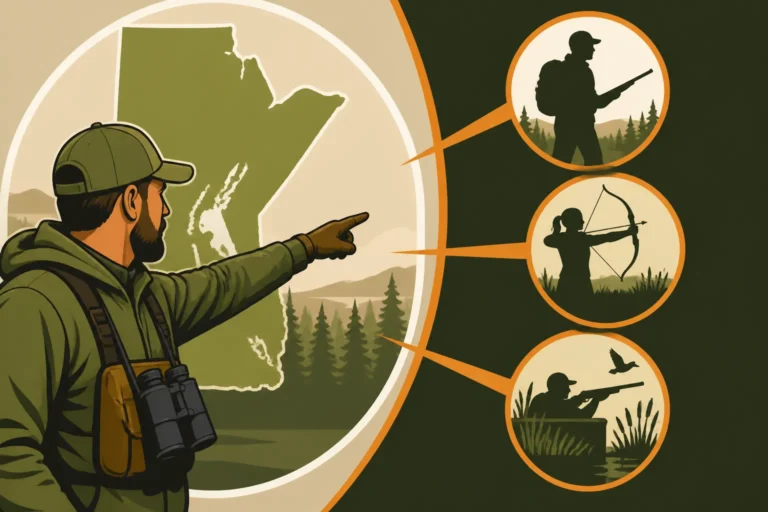
CWD is a significant concern for wildlife management in Manitoba, and the province has implemented measures to monitor and control its spread. This isn't just a government regulation; it's about protecting our wild herds and the hunting heritage we all cherish. For hunters, this means adhering to specific guidelines, particularly when hunting in designated CWD-affected areas. Outfitters, being on the front lines, play a crucial role in ensuring these protocols are followed, acting as a bridge between the hunter and provincial regulations. They understand that a CWD diagnosis can be disheartening, but they're also equipped to handle the logistical side of things, making sure that both the rules are followed and your experience is as smooth as possible, even in challenging circumstances. We've seen how Manitoba's CWD Sampling Requirements have evolved, and good outfitters are always on top of the latest updates.
The presence of CWD has definitely changed how we approach certain aspects of hunting. It's not just about the thrill of the chase anymore; it's also about being a responsible conservationist. This means understanding why these regulations exist and cooperating with them fully. Outfitters, more than anyone, recognize that their business relies on healthy game populations, so they have a vested interest in mitigating CWD risks and ensuring that every hunter they host contributes positively to that effort.
The Hunter's Responsibility and Initial Steps
As hunters, our responsibility begins the moment we harvest an animal. In certain Game Hunting Areas (GHAs), particularly in southwestern Manitoba where CWD has been detected, mandatory sampling is required for specific species like deer. This might sound like an added hassle, but it's a vital part of the province's surveillance program. You're expected to submit specific tissue samples, usually the head, to designated drop-off locations within a certain timeframe.
While some experienced resident hunters might opt to do this themselves, collecting the necessary tissue samples correctly can be a bit daunting, especially for those who are unfamiliar with the process or are visiting from out of province. That's where a good outfitter really shines. They're prepared to guide you through the initial steps, ensuring the correct samples are taken without damaging your trophy. Think of it as having an expert helping hand, ensuring every detail is handled perfectly so you can focus on the memories of your hunt. Knowing how to begin Extracting Your Own CWD Sample is a good skill, but having an outfitter handle it is even better.
The Outfitter's Role in CWD Management
When you book a hunt with a reputable outfitter in Manitoba, you're not just paying for access to prime hunting grounds and a guide's expertise in tracking animals; you're also investing in their knowledge of local regulations, including CWD protocols. This is particularly important for non-residents who might not be familiar with Manitoba's specific requirements.
Facilitating the Sampling Process at Camp
One of the biggest conveniences an outfitter provides is the seamless integration of CWD sampling into their camp operations. Imagine you've just harvested a magnificent whitetail buck; the last thing you want to worry about is finding a CWD drop-off site or fumbling with sample collection tubes. A good outfitter will have a clear, efficient process in place. They'll know exactly which samples are needed, how to properly collect them (usually lymph nodes or brainstem tissue), and how to label everything meticulously to ensure it correlates with your licence and harvest information.
This service is invaluable, especially if you're hunting in a remote area far from a major town. They might even have a designated area at camp for this, ensuring cleanliness and proper handling. Platforms like BookYourHunt and GoHunt often feature outfitters who explicitly mention their CWD protocols as part of their package, giving you peace of mind that this important step won't be overlooked or become a burden. This is part of the professional service you expect when you're investing in a quality guided hunt.
Handling and Submission of Samples
Once the samples are collected, the outfitter takes on the critical task of submitting them to the provincial authorities. This isn't always as simple as dropping a letter in a mailbox. It often involves special packaging, careful storage (especially for perishable biological samples), and transportation to specific CWD sample submission locations, sometimes miles away from camp. They are also keenly aware of the How Long You Have to Submit a Sample window, which can vary depending on the GHA and species.
A reliable outfitter understands the chain of custody required to ensure the sample is valid and processed correctly. They'll log the information, ensure all necessary paperwork is completed, and often have a system for tracking the sample's journey from their camp to the lab. This attention to detail is paramount, as any errors could invalidate the sample or delay results, adding unnecessary stress to your post-hunt experience. Essentially, they handle the technical and logistical headaches so you can focus on the triumph of your hunt and the camaraderie of camp.
Navigating a Positive CWD Test Result
While we all hope for a negative result, it's essential to be prepared for the possibility of a positive CWD test. This is where an outfitter's experience and robust protocols truly come into play, helping you understand and navigate what can be a very challenging situation.
Notification and Immediate Implications
If an animal you've harvested tests positive for CWD, the provincial authorities will notify the outfitter, who will then, in turn, inform you. This news can be disheartening, to say the least. You've invested time, money, and emotional energy into your hunt, and hearing that your animal has CWD can feel like a punch to the gut. The outfitter will be there to explain the situation, often having a pre-determined protocol for communicating these results empathetically and clearly.
Immediately following a positive notification, there are provincial regulations that come into play, particularly concerning the carcass. For example, there are strict rules about Moving a Carcass Out of a Sampling Area, especially if it's from a CWD-positive zone. Your outfitter will be able to clearly outline these rules, helping you understand what can and cannot be done with the remaining parts of the animal. Their knowledge here is invaluable, preventing you from inadvertently violating regulations due to a lack of information.
Options for Meat and Trophy Handling
This is often the most pressing concern for hunters: what happens to the meat and the trophy? Provincial regulations typically dictate that meat from a CWD-positive animal should not be consumed. While studies haven't shown CWD to be transmissible to humans, health advisories generally recommend against consuming meat from infected animals as a precautionary measure. Your outfitter will be well-versed in these recommendations and the specific disposal requirements for infected meat, often arranging for its proper handling and disposal. This question of Whether CWD Meat Is Safe to Eat is a common one, and outfitters are prepared to share the official guidance.
As for the trophy—the antlers and cape—the situation is usually different. CWD prions are primarily concentrated in lymphatic tissues, brain, and spinal cord. Antlers, being bone, and capes, once properly cleaned of nervous tissue, are generally considered safe for taxidermy and transport. However, there might be specific processing requirements or restrictions on which parts of the head can be transported out of a CWD-affected zone. A skilled outfitter will work with local meat processors and taxidermists to ensure any trophy preparation adheres to provincial guidelines, making sure your hard-earned memory can still be preserved safely and legally.
The Outfitter's Support and Logistics After a Positive Result
The true test of a great outfitter often comes in how they handle unforeseen challenges. In the event of a positive CWD result, a top-tier outfitter will go above and beyond to support you through the logistical maze. This might involve coordinating with provincial authorities for carcass disposal, finding a reputable local taxidermist who understands CWD protocols for your cape and skull plate, and ensuring all necessary documentation is in order for any parts you wish to take home.
They understand that this isn't just a regulatory issue; it's a personal one for the hunter. Their role is to alleviate as much of the burden as possible, offering clear advice and practical solutions. Choosing an experienced outfitter, perhaps one highly rated on platforms like BookYourHunt or GoHunt for their comprehensive services, ensures that you have a knowledgeable advocate on your side, transforming a potentially devastating experience into one that is managed with professionalism and care. This kind of dedicated service truly underscores the value of booking with an established operation.
Choosing an Outfitter with Robust CWD Protocols
When planning your Manitoba hunting adventure, especially if deer or elk are on your target list, inquiring about an outfitter's CWD protocols should be as standard as asking about success rates or camp amenities. It’s a sign of a responsible outfitter who takes the health of the herd and the legality of your hunt seriously.
Questions to Ask Before You Book
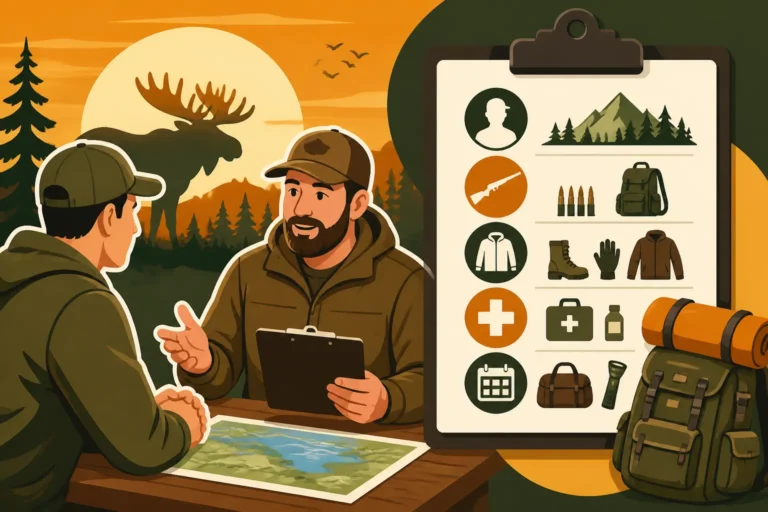
Don't be shy about asking direct questions regarding CWD. A transparent and professional outfitter will appreciate your diligence and be ready with clear answers. Here are some essential questions to include in your pre-booking discussions:
- "What are your standard CWD sampling procedures for harvested animals?" This will tell you if they have a clear process in place.
- "Who is responsible for collecting and submitting the CWD sample?" Confirm whether this is part of their service or if you'll need to handle it yourself.
- "How long does it typically take to receive CWD test results?" While they can't control the lab, they should know the usual turnaround times.
- "What is your protocol if an animal I harvest tests positive for CWD?" This is crucial. They should be able to articulate the steps for meat disposal and trophy handling.
- "Do you work with specific taxidermists or meat processors who are familiar with CWD regulations?" This ensures a smooth transition for your trophy and meat.
- "What documentation will I receive regarding the CWD test result?" You’ll want proof for your records, especially if transporting a trophy.
Asking these types of Questions to Ask Before Booking will give you a comprehensive understanding of their preparedness and commitment to ethical hunting practices in the face of CWD.
Why a Proactive Approach Matters
An outfitter who has a proactive and well-communicated CWD strategy is worth their weight in gold. It minimizes confusion, stress, and potential legal issues for you, the hunter. They've likely dealt with these situations before, or at the very least, have done their homework to be prepared. This level of foresight demonstrates not only their professionalism but also their deep respect for the wildlife and the regulations designed to protect it.
When an outfitter clearly outlines their CWD plan, it speaks volumes about their overall organization and commitment to providing a worry-free experience. It means they're not just thinking about getting you on an animal, but also about the entire process from start to finish, including the less glamorous but equally important aspects of post-harvest management. Always take the time to do your homework, not just on the hunting experience itself, but also on the outfitter's reputation and how they handle these critical details. Don't forget to review what others say about their experience; Reading Outfitter Reviews Honestly can provide invaluable insight. Choosing wisely means you'll have a trusted partner, no matter what your CWD test results may be.
Disclaimer
This article is for general informational purposes only and does not constitute professional advice. Laws, prices and regulations vary by location and change over time. Consult a qualified professional for guidance on your specific situation.