Getting Meat Processed in Manitoba
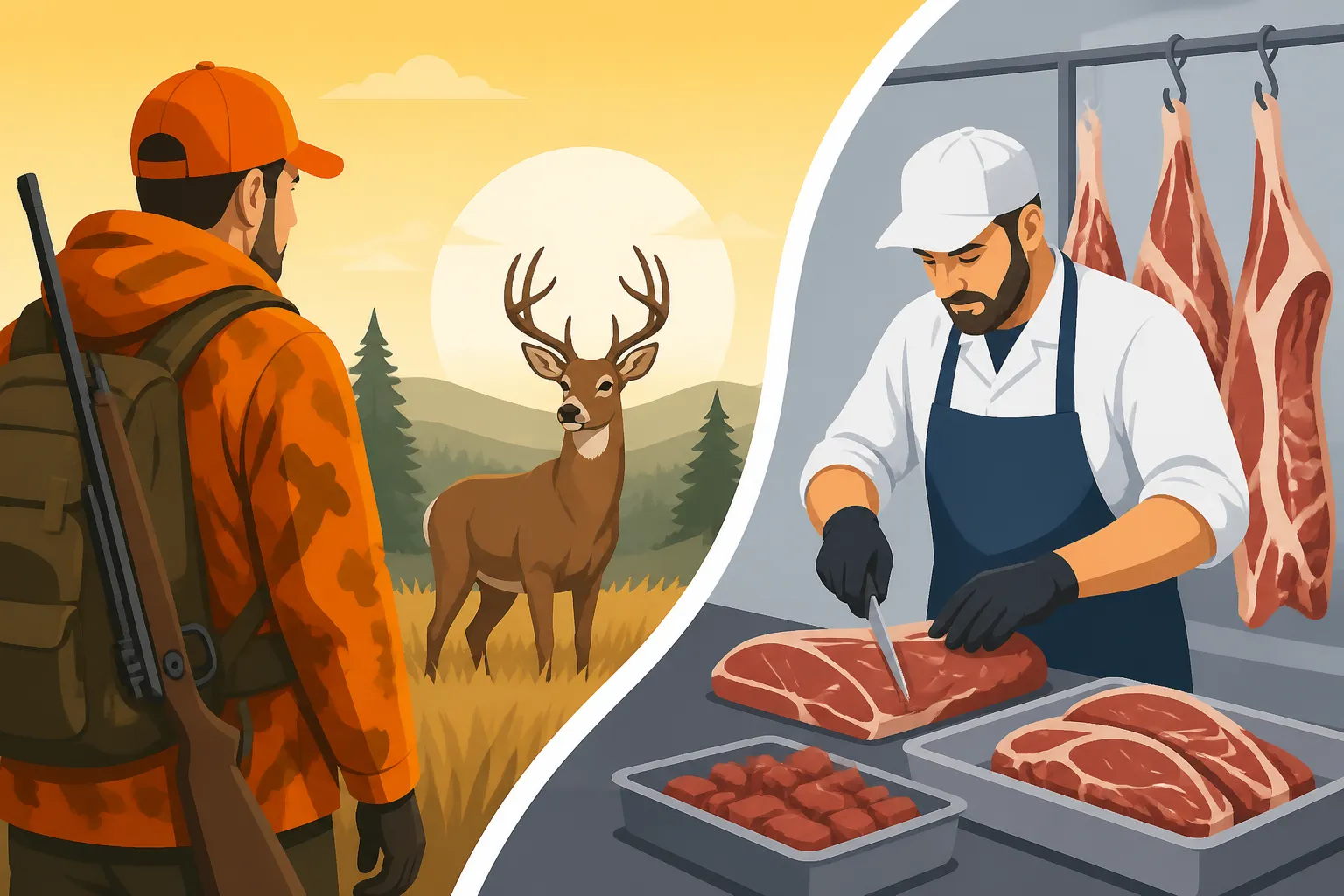
You’ve finally done it – after weeks of scouting, planning, and waiting, you’ve punched your tag on a magnificent animal here in Manitoba. That rush of adrenaline is still coursing through you, but now the real work begins: getting that hard-earned game meat properly processed. This guide will walk you through everything you need to know about transforming your harvest into delicious table fare, from initial field care to choosing a professional butcher or handling it yourself.
The Initial Field Dressing and Meat Care Challenge
Bringing down an animal is only half the battle, isn't it? The moments immediately following a successful hunt are critical for ensuring the quality of your meat. Whether it's a hefty whitetail buck or a sprawling moose, how you handle that animal in the field directly impacts what ends up on your dinner plate. Ignore these initial steps, and all your effort can literally go to waste. It’s a bitter pill to swallow when good meat spoils because of preventable mistakes.
Why Proper Field Dressing is Non-Negotiable
The very first thing you need to do, often within minutes of the animal expiring, is to field dress it. This means removing the entrails to allow the carcass to cool down as quickly as possible. This step is absolutely crucial, especially when temperatures are mild. Animal guts hold a lot of heat, and that heat is the enemy of fresh meat. Bacteria thrive in warm, moist environments, and internal organs are packed with them. If you don't get that heat out, those bacteria will start to multiply rapidly, leading to spoilage, off-flavours, and potentially even making the meat unsafe to eat.
Beyond cooling, proper field dressing also minimizes contamination. You want to make clean cuts, avoid puncturing the stomach or intestines, and keep hair and dirt off the meat. Carry a sharp knife, a small bone saw (if you anticipate needing one), and a roll of paper towel or clean rags. Once the organs are removed, inspect the cavity, wipe it clean of any excess blood or debris, and make sure there's good airflow. For smaller animals, this might mean a quick drag back to the truck. For larger game, it often involves rolling the animal to drain fluids or even quartering it in place. Getting familiar with the process before you're in the moment, perhaps by watching some detailed tutorials, can save you a lot of headache and heartache.
Cooling Your Harvest in Manitoba's Varied Climate
Manitoba's hunting seasons span a wide range of temperatures, from the warm archery openers in September to the frigid late-season rifle hunts in December. Each presents its own unique challenges for cooling. In early fall, your biggest battle is heat. You'll need to get that animal dressed immediately, possibly even skin it in the field if temperatures are really high, and then work to cool it down with ice. Some hunters will pack game bags with ice and place them in the body cavity, ensuring regular rotation. Others might use a large cooler with blocks of ice if they’re close to their vehicle. Even just getting the carcass into the shade and propping the cavity open can make a huge difference.
As the season progresses, and especially into late November and December, Manitoba's cold weather becomes your friend. Freezing temperatures mean you might have the luxury of hanging your game for a period to properly age, which can significantly improve flavour and tenderness. However, even in the cold, you need to prevent the outer layers from freezing too quickly while the inner parts are still warm. This is where game bags become invaluable, protecting the meat from dirt, insects, and initial freezing while allowing air circulation. Finding a sheltered spot, like a garage or a pole shed, that stays just above freezing is ideal for hanging. This allows the enzymes in the meat to break down collagen, tenderizing the muscle fibres. Remember, in deep winter, protecting your meat from freezing solid before you can get it to a processor or home is also key. For more in-depth advice on handling your game when the mercury plummets, check out Field Dressing in Manitoba's Deep Cold or Meat Care in Manitoba's Cold Snaps.
Finding a Butcher or Processor in Manitoba
Once your animal is field-dressed and properly cooled, the next big decision is often whether to take it to a professional processor or handle the butchering yourself. For many hunters, especially those new to large game or without the proper facilities, a good butcher is worth their weight in gold. They transform a large, unwieldy carcass into neatly packaged, ready-to-cook portions.
How to Locate Reputable Game Processors
Finding a reliable game processor in Manitoba often comes down to local knowledge. The best way to start is by asking other hunters in your area, particularly those who consistently bring in game. Word-of-mouth recommendations are often the most trustworthy. Local hunting clubs or outdoor forums can also be great resources. If you're on a guided hunt, your outfitter will almost certainly have a preferred local butcher they work with, and that's often your best bet for convenience and quality. They know the ins and outs and can often coordinate drop-offs. You might also find local butchers listed in community directories or by doing a quick online search for "game processing near [your hunting area]" or "wild game butcher Manitoba."
Be aware that smaller, rural butchers who handle wild game might operate differently than larger commercial meat packing plants. Some operate seasonally, only during hunting season, and might have specific drop-off times or require appointments. It’s always a good idea to call ahead, especially during peak hunting weeks, to confirm their availability, hours, and any specific requirements they might have, like needing the animal skinned or quartered before arrival. For those hunting in remote areas, knowing where to go once you hit a more populated centre is crucial. If you're looking for recommendations based on your camp's location, you might find specific information in guides like Finding a Butcher Near Your Camp.
What to Look for in a Game Processor
When choosing a game processor, several factors should guide your decision. Foremost among them is cleanliness. A reputable butcher will have a spotless facility, adhering to strict hygiene standards to prevent contamination. You're entrusting them with your precious harvest, so their commitment to food safety is paramount. Experience with wild game is another huge plus. Butchering wild animals is different from domestic livestock; the muscle structure can be different, and they know how to handle unique aspects like scent glands or varying fat content.
Beyond the basics, inquire about their cutting options. Can they provide specific cuts like tenderloin steaks, roasts, stew meat, or do they primarily offer standard grind? Do they make specialty products like sausage, jerky, or hunter's sausage? Ask about their packaging – vacuum sealing is generally preferred for freezer longevity, but some might use heavy freezer paper. Most importantly, discuss their turnaround times and storage capabilities. You want to ensure your meat is processed efficiently and stored correctly in a freezer until you can pick it up. In Manitoba, with the ongoing concerns around Chronic Wasting Disease (CWD), ask about their CWD sampling procedures. Some processors are equipped to take samples, which can be a huge convenience, especially if you harvested your animal in one of the mandatory CWD sampling GHAs. For details on regulations, refer to Manitoba's CWD Sampling Requirements and how it might apply to a guided hunt, CWD Sampling on an Outfitted Manitoba Hunt.
Understanding Processing Options and Costs
Taking your animal to a professional butcher offers a wide array of options, allowing you to customize your order to suit your culinary preferences. This convenience, of course, comes with a cost, but for many, it's a worthwhile investment in delicious, properly handled game meat.
Standard Cuts and Custom Requests
Most game processors will offer a standard cut list that includes familiar options like steaks (backstrap, tenderloin, round steak), roasts (shoulder, hindquarter), and ground meat. The grind is often a substantial portion, perfect for burgers, chili, or shepherd's pie. However, many butchers also provide a range of custom requests that can elevate your game meat experience. This can include specialty items like:
- Sausage: From breakfast sausage to spicy Italian, often with pork fat added for flavour and moisture.
- Jerky: A fantastic way to preserve smaller cuts or trim, though it often comes with an additional processing fee.
- Burger Patties: Pre-formed patties ready for the grill, saving you time.
- Stew Meat: Cubed and trimmed, ready for slow cooking.
- Smoked Products: Some processors have smokers and can turn cuts into smoked ham-like roasts or cured and smoked bacon from larger animals.
When you drop off your animal, be prepared to discuss these options. Think about how you typically cook and what cuts you use most often. Don't be shy about asking for specific thicknesses for steaks or how much fat they recommend adding to your grind (pork fat is common, as wild game is naturally lean). Remember that while adding fat improves flavour and texture, it does add to the overall cost, as you're paying for the added ingredient.
Here's a quick look at common options:
| Cut Type | Description | Best Use | Common Additions (if applicable) |
|---|---|---|---|
| Steaks | Backstrap, tenderloin, round, sirloin | Grilling, pan-searing, quick cooking | Marinades |
| Roasts | Shoulder, hindquarter, neck | Slow cooking, oven roasting, pot roasts | Vegetables, slow cooker liquids |
| Ground Meat | Trimmings, tougher cuts | Burgers, chili, tacos, pasta sauce, shepherd's pie | Pork fat, beef fat (for leanness) |
| Stew Meat | Cubed pieces from various tougher cuts | Stews, curries, goulash | Broth, root vegetables |
| Sausage | Various styles (breakfast, Italian, garlic, smokies) | Grilling, frying, soups, stews | Pork fat, spices, curing agents |
| Jerky | Thinly sliced lean meat | Snacks, hiking | Spices, marinades, curing agents |
The Cost Factors of Professional Processing
The cost of having your game processed professionally varies widely based on several factors:
- Animal Type and Size: A deer will cost less to process than a moose, simply due to the sheer volume of meat and the amount of labour involved. Expect larger animals to have higher processing fees.
- Weight: Many processors charge by the dressed weight of the animal, or by the weight of the finished product. Make sure you clarify which method they use.
- Custom Requests: Specialty items like sausage, jerky, or smoked products almost always incur additional charges per pound or per batch. Adding fat to your grind will also add to the bill, as you're paying for the additional ingredient.
- Packaging: Vacuum sealing, while superior for long-term freezer storage, can be slightly more expensive than standard freezer paper.
Because prices can change, and vary from one butcher to the next, I can't give you specific figures here. Your best bet is always to call the processor directly and ask for their current price list for the type of animal you're bringing in, and to detail any custom requests you might have. Don't forget to factor in the cost of your hunting licence and tags, your travel, and any guiding fees if you were on a trip. The processing is just one more (very important!) part of the total investment in your hunting experience. Remember to validate your tag immediately after the harvest to ensure everything is above board before transport and processing. For clarity on legal requirements, you might want to review Manitoba Tag Validation Rules. Also, be mindful of Rules on Wasting Game Meat, as proper processing helps ensure you utilize as much of your harvest as possible.
Self-Processing Your Game at Home
For many seasoned hunters, processing their own game at home is a cherished tradition, offering complete control over the final product and a deep sense of satisfaction. It's not for everyone, but if you're up for the challenge, it can be incredibly rewarding.
The DIY Approach: Pros and Cons
There are distinct advantages and disadvantages to taking on the butchering task yourself.
Pros of Self-Processing:
- Cost Savings: This is often the biggest driver. You save the processing fees, which can be significant, especially for larger animals.
- Complete Control: You decide exactly how every cut is made. Want thicker steaks? Specific roast sizes? A unique sausage blend? It's all up to you. You can utilize every bit of trim for grind or stew meat, minimizing waste.
- Satisfaction and Connection: There's an immense sense of accomplishment in taking an animal from field to freezer entirely by your own hands. It deepens your connection to the food you eat and the hunting experience itself.
- Flexibility: You work on your own schedule, without worrying about a butcher's hours or turnaround times.
Cons of Self-Processing:
- Time Commitment: Butchering a deer can take several hours, and a moose can take an entire weekend, especially if you're new to it. This doesn't include the time for cleaning up your workspace.
- Equipment Investment: You'll need a good set of sharp knives, a bone saw, a meat grinder (for ground meat and sausage), a vacuum sealer, and plenty of cutting boards and containers. While an initial investment, these tools pay for themselves over time if you process regularly.
- Space Requirements: You need a clean, cool workspace that can handle a large amount of raw meat. A dedicated garage or basement area with good ventilation is ideal.
- Learning Curve: There's a definite skill involved in butchering. Knowing where the cuts are, how to debone, and how to trim efficiently takes practice. Don't expect perfection on your first attempt!
Many hunters start small, perhaps processing their first few whitetails themselves, then tackling larger game like elk or moose once they've gained confidence. If you're considering processing a larger animal, a good starting point is understanding how to break it down into manageable pieces in the field, as detailed in guides like Quartering a Moose Alone in the Bush.
Essential Tips for Home Processing
If you decide to go the DIY route, here are some essential tips to ensure a safe and delicious outcome:
- Hygiene is Paramount: Keep everything impeccably clean. Wash your hands frequently, sanitize your knives and cutting boards, and use separate cutting boards for different tasks if possible. Cross-contamination is your enemy.
- Keep it Cold: Maintain a cold chain throughout the entire process. Work in a cool room, and only bring out manageable sections of meat at a time, keeping the rest chilled in a cooler with ice or in a walk-in fridge. Never let meat sit at room temperature for extended periods.
- Sharp Knives: This cannot be stressed enough. A dull knife is dangerous and makes the job infinitely harder. Invest in a good set of butchering knives and learn how to keep them razor-sharp.
- Work Smart, Not Hard: Break down the animal into primal cuts first. Separate the major muscle groups, then work on individual cuts. Watch online tutorials or consult a good butchering guide. There are many excellent resources available that show step-by-step processes.
- Proper Packaging: This is crucial for freezer longevity. Vacuum sealing is the gold standard as it removes air, preventing freezer burn. If you don't have a vacuum sealer, use heavy-duty freezer wrap or double-wrap with plastic wrap and then freezer paper, ensuring all air is squeezed out. Label everything clearly with the cut and date.
- Utilize Everything: Don't let good meat go to waste. Even small scraps can be turned into ground meat or added to a stew. If you have non-meat components you want to save, like liver or heart, process them quickly and store them separately. Transporting Game Meat in Manitoba and Taking Meat and Antlers Across the Border provide important rules for once your meat is processed and ready to leave the field or province. And remember to always be mindful of Rules on Wasting Game Meat.
Disclaimer
This article is for general informational purposes only and does not constitute professional advice. Laws, prices and regulations vary by location and change over time. Consult a qualified professional for guidance on your specific situation.