Dressing for Manitoba’s November Cold
That crisp, invigorating chill of a Manitoba November morning can quickly turn into bone-chilling misery if you're not dressed right for your hunt. The relentless cold, especially when you're sitting still for hours, can test even the most seasoned hunter's resolve, forcing you to cut your time short in the field or, worse, risking serious discomfort. This guide is all about equipping you with the knowledge and strategies to not just survive, but truly thrive in Manitoba's notorious November weather, ensuring you stay warm, focused, and ready for that big buck.
Understanding Manitoba's November Climate
Manitoba in November isn't just "cold"; it's a whole different beast. We're talking about temperatures that often dip well below freezing, wind chills that feel like knives, and the occasional snowstorm that can blanket the landscape in an instant. This isn't the mild, crisp air of early fall; this is the leading edge of winter, and it demands respect.
The True Nature of the Cold
When you picture a November hunt in Manitoba, don't just think about what the thermometer says. Consider the wind. Even a slight breeze can strip away your body heat at an astonishing rate, turning a manageable zero degrees Celsius into something far more severe. Then there's the moisture – whether it's damp air, light drizzle, or melting snow, moisture conducts heat away from your body much faster than dry air. The ground itself, often frozen solid or covered in a thin layer of snow, acts as a heat sink, pulling warmth from your feet. It's a multi-faceted assault on your core temperature, and ignoring any one element can quickly lead to discomfort. Many of us have made the mistake of underestimating that "just a little" wind, only to be shivering uncontrollably an hour later.
Temperature Swings and Precipitation
While the overall trend in November is downward towards colder temperatures, you can still experience significant swings. A morning that starts at -15°C might warm up to -5°C by midday, only to plummet again as the sun dips. This makes dressing a dynamic challenge. You might need to shed a layer during an active stalk only to pile it back on when you settle into a stand. Furthermore, November is a transition month. You could encounter anything from heavy, wet snow, which is incredibly insulating but also damp, to dry, powdery flakes that blow in on a fierce north wind. Being prepared for all of these possibilities, rather than just one ideal scenario, is paramount. You certainly don't want to be caught off guard by a sudden squall when you're miles from your truck, especially if you're out hunting a Manitoba GHA in Deep Snow.
The Layering System: Your Best Defense
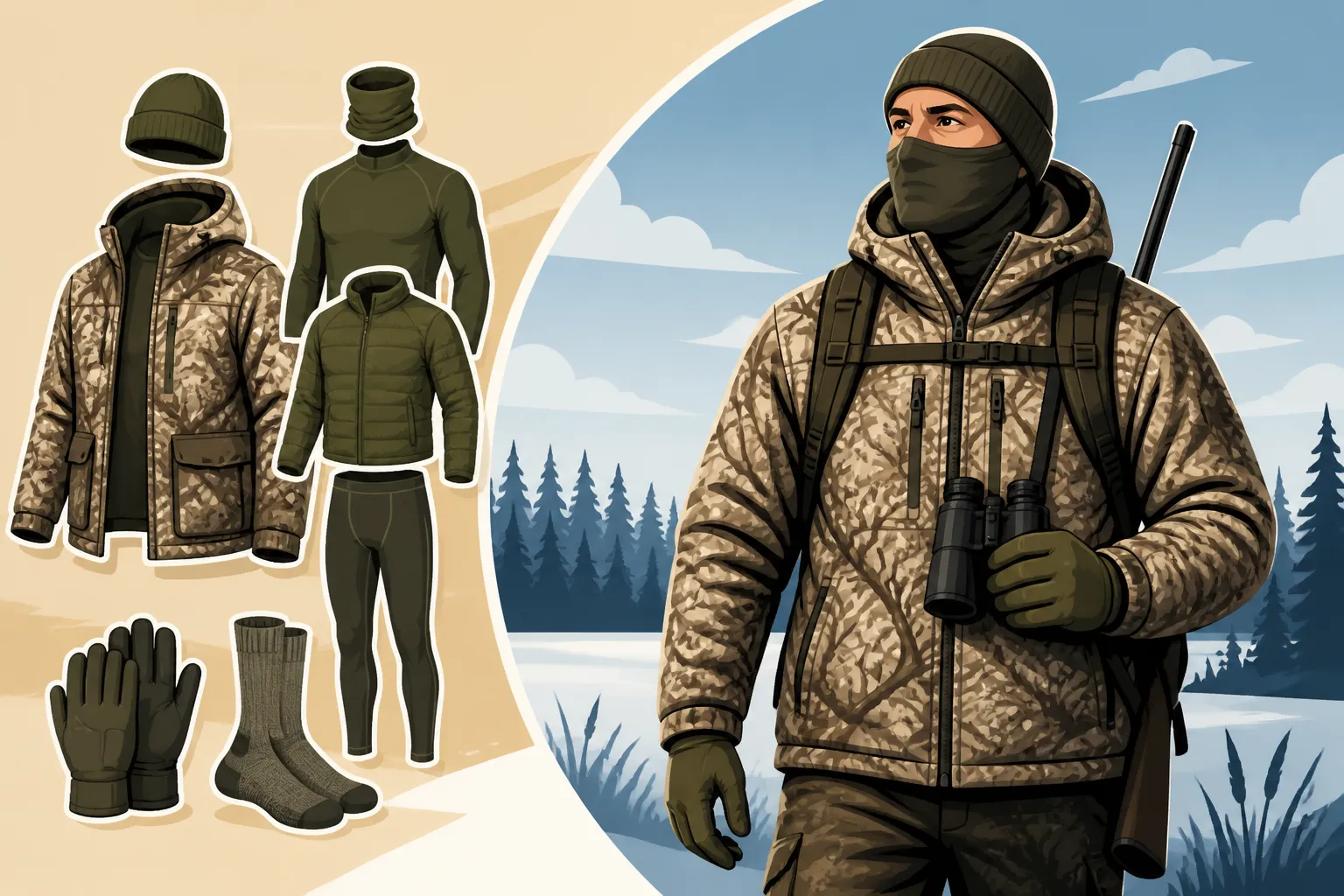
The single most important concept for staying warm in Manitoba's November cold is the layering system. This isn't just about putting on a bunch of clothes; it's a strategic approach that allows you to regulate your body temperature by adding or removing garments as conditions or your activity level change. It's about trapping air for insulation, wicking away moisture, and blocking wind and precipitation. Forget bulky, single-piece suits for anything but the most extreme, stationary hunts – versatility is key.
Base Layers: The Foundation
Your base layer is the closest thing to your skin, and its primary job is to manage moisture. When you're hiking into your stand or still-hunting, you're going to generate sweat, even in freezing temperatures. If that sweat stays next to your skin, it cools rapidly, leading to hypothermia. This is a common mistake: thinking that cotton is fine because it's soft. Cotton kills in cold weather because it absorbs moisture and holds it there, becoming a cold, damp compress against your skin.
Instead, opt for materials like Merino wool or synthetic fabrics. Merino wool is fantastic because it's naturally moisture-wicking, odor-resistant, and provides warmth even when damp. Synthetics, like polyester or polypropylene, are also excellent at wicking moisture away and drying quickly. Choose a weight appropriate for your activity level and the expected temperature; a mid-weight base layer is usually a good starting point for November, providing warmth without being too bulky. Remember, snug is good – the better it moves moisture away from your skin, the more effective it is.
Mid Layers: Insulation and Warmth
Once your base layer is handling moisture, your mid layers are all about trapping body heat to keep you warm. This is where you build up your insulation. Again, think in terms of multiple thinner layers rather than one thick one. This allows for better temperature regulation and more trapped air, which is your best insulator.
Common mid-layer materials include fleece, down, and synthetic puffies. Fleece is versatile, relatively inexpensive, and retains some insulating properties even when damp. It's great for active hunting. For more sedentary periods or colder days, a puffy jacket or vest filled with down or synthetic insulation is invaluable. Down offers incredible warmth for its weight but loses its insulating power when wet. Synthetic insulation, on the other hand, performs well even when damp, making it a reliable choice for unpredictable weather. A good strategy might be a fleece layer directly over your base, followed by a lighter synthetic puffy vest or jacket, allowing you to easily adjust as you walk to your stand or as the sun rises. When you're doing your pre-hunt research, perhaps even looking at outfitters on platforms like BookYourHunt, always factor in the expected weather and plan your mid-layers accordingly – it’s often overlooked in favour of focusing on the hunt itself!
Outer Layers: Shielding from the Elements
Your outer layer is your shield against the wind, snow, and rain. Its primary functions are to be windproof and water-resistant (or waterproof for really wet conditions) while still allowing some breathability to prevent sweat buildup. For hunting, a crucial factor is quietness. A stiff, noisy jacket will alert every deer in the county.
Look for outer shells made from quiet, durable materials that offer good wind protection. Many modern hunting jackets feature advanced membranes that are both waterproof and breathable. The outer layer doesn't need to be heavily insulated itself; its job is to protect your inner insulating layers. Camouflage patterns are a given for hunting, but also consider the overall cut and fit – you need to be able to move freely, draw a bow, or shoulder a rifle without feeling restricted. Ensure it's large enough to comfortably fit over all your base and mid-layers. Don't forget a blaze orange vest or outer garment, which is often legally required during rifle seasons in Manitoba. Manitoba Rifle Season Dates are often when this requirement comes into play, so check the regulations carefully.
Key Gear for Battling the Bitter Cold
Beyond the core layering system, several specific pieces of gear are absolutely critical for maintaining comfort and warmth in November's frigid embrace. These are often the areas where heat loss is most pronounced.
Head, Hands, and Feet: Critical Zones
These extremities are where you lose a significant amount of body heat, so keeping them protected is non-negotiable.
- Headwear: You need more than just one hat. A thin beanie or skull cap can be worn under a thicker, insulated hat, or even a balaclava. A neck gaiter or scarf is also indispensable for covering your neck and lower face, blocking wind and trapping warmth around your carotid arteries. Having multiple options means you can adjust as the temperature changes or if one gets damp from exertion.
- Gloves and Mittens: This is a tricky one for hunters who need dexterity. A common and effective system involves thin, form-fitting liner gloves (often wool or thin synthetic) that allow you to operate your firearm or bow. Over these, wear a pair of heavily insulated, windproof mittens. You can pull the mittens off for a shot, knowing your liner gloves still provide some protection. Chemical hand warmers are a game-changer here; stick them in your mittens or pockets.
- Socks: Just like base layers, avoid cotton. Go for high-quality wool (Merino again!) or synthetic socks. A good strategy is a thin liner sock made of wicking material, followed by a thicker, insulated wool sock. Bring extra pairs! If your feet sweat or get damp, changing into dry socks can feel like a miracle and prevent cold feet from ruining your hunt.
- Boots: Your boots need to be warm, waterproof, and well-insulated. Look for boots rated for extreme cold, often with 800 grams or more of Thinsulate or similar insulation. Ensure they are waterproof, not just water-resistant. Most importantly, ensure your boots are not too tight when you're wearing your thickest socks, as this can restrict blood flow and actually make your feet colder. Proper fitting boots are essential for Boots for Sitting Still in Deep Cold.
Footwear and Socks: The Unsung Heroes
Your feet are your foundation, and if they're cold, you're cold, plain and simple. We already touched on socks and boots, but let's dive a little deeper because this is where many hunters fail.
- The Right Boot for the Job: For November in Manitoba, you're generally looking at insulated, waterproof pac boots or heavily insulated hunting boots. Pay attention to the sole – you need good traction on potentially icy or snowy terrain. Some hunters even opt for oversized boots to allow for extra layers of socks and toe warmers without compressing insulation or circulation.
- Strategic Sock System: The two-sock system mentioned above is key. The liner sock wicks moisture, while the outer, thicker sock provides insulation. Some hunters even carry a third, "emergency" super-heavy sock for when they are completely stationary for extended periods. It's not about stuffing your foot into multiple socks so tight it cuts circulation; it's about intelligent layering.
- Toe Warmers: These little miracles can salvage a cold hunt. Stick them on top of your socks, not directly on your skin, and make sure they have room to breathe inside your boot. They can provide hours of warmth and make all the difference when you're Sitting All Day in a Manitoba Blind.
Staying Hydrated and Fueled
It might sound counterintuitive, but staying properly hydrated and fuelled is crucial for your body's ability to generate and retain heat. Your body needs energy to stay warm.
- Hydration: Dehydration can impair your body's ability to regulate temperature. Bring plenty of water. Insulated bottles or hydration bladders with insulated tubes are essential to prevent freezing. Warm beverages like hot chocolate or tea in a thermos can also provide a comforting internal warmth boost.
- Fuel: Pack high-energy, easy-to-eat snacks. Nuts, trail mix, energy bars, and even a small sandwich can provide the calories your body needs to keep its internal furnace burning. Avoid sugary snacks that provide a quick spike followed by a crash. A hearty breakfast before you leave camp is also incredibly important. When planning your whole trip, from the hunt itself to what to pack, resources like GoHunt can offer general planning advice, but the fine details of personal comfort, like proper nutrition, are entirely up to you. Don't skip meals or neglect snacks, even if you're laser-focused on the hunt.
Managing Your Gear in the Field
Having the right gear is one thing; knowing how to manage it effectively in the field is another. The dynamic nature of hunting in cold weather means constant vigilance over your body temperature.
Dressing for the Walk-In Versus the Sit
This is a classic dilemma. If you dress too warmly for the hike into your stand, you'll sweat profusely. That sweat will then turn cold once you stop moving, leading to rapid heat loss. The trick is to start a little on the cool side for the walk.
- Active Phase Strategy: When you're hiking, carry your heaviest outer layers and your warmest mittens/hat. Wear only your base and perhaps a light mid-layer. This allows your body to vent excess heat. As soon as you arrive at your stand location, before you start to cool down, quickly put on all your remaining layers. This traps the warmth your body has already generated. If you're going to be active, consider a backpack specifically designed for hunting that allows easy access to layers.
- Stationary Phase Strategy: Once you're settled, ensure every inch of exposed skin is covered. Use hand warmers, foot warmers, and even a chemical heat pack inside your jacket. Minimize movement to conserve heat. If you're using a ground blind, a small portable propane heater (with proper ventilation!) can be a lifesaver. Sitting still requires significantly more insulation than moving, and if you're trying to spot a whitetail that’s Hunting a Bluff Between Two Fields, any shivering will make it impossible.
Staying Dry at All Costs
Moisture is the enemy of warmth. Whether it's external (rain, snow) or internal (sweat), dampness rapidly increases heat loss.
- Wicking and Venting: Ensure your base and mid-layers are wicking materials. Your outer layer should be breathable to allow some internal moisture to escape. Use zippers and pit zips on your outer layers to vent heat when you're active and zip them up tight when you stop.
- Protecting from External Moisture: A good waterproof outer shell is essential, even if snow is forecast. Melting snow on your clothes can quickly lead to saturation. Consider waterproof pants or gaiters to keep snow out of your boots, especially when walking through deep snow. If you fall or get wet, having a dry change of base layers back at the truck can prevent a miserable trip home, or even worse. This is also important for Meat Care in Manitoba's Cold Snaps, as keeping game meat dry and clean is crucial.
Packing Smart for Emergencies
Manitoba's wilderness can be unforgiving. A small emergency kit can make all the difference.
- Survival Gear: Beyond your everyday hunting essentials, always carry an extra hat, gloves, and a dry pair of wool socks. A lightweight emergency blanket or bivy sack can provide critical warmth if you get stranded or injured. Fire starters, a multi-tool, a headlamp with extra batteries, and a way to communicate (satellite messenger if out of cell service) are also vital.
- Food and Water: Extra high-energy snacks and a way to purify water are smart additions, especially if you venture far from roads. These items can be part of a larger Winter Truck Kit for a Manitoba Hunt if you're hunting within range of your vehicle.
When you invest in quality gear and understand how to use it, Manitoba's November cold transforms from a daunting adversary into a manageable challenge. You'll spend more time in the field, be more comfortable, and ultimately, increase your chances of a successful hunt.
Disclaimer
This article is for general informational purposes only and does not constitute professional advice. Laws, prices and regulations vary by location and change over time. Consult a qualified professional for guidance on your specific situation.