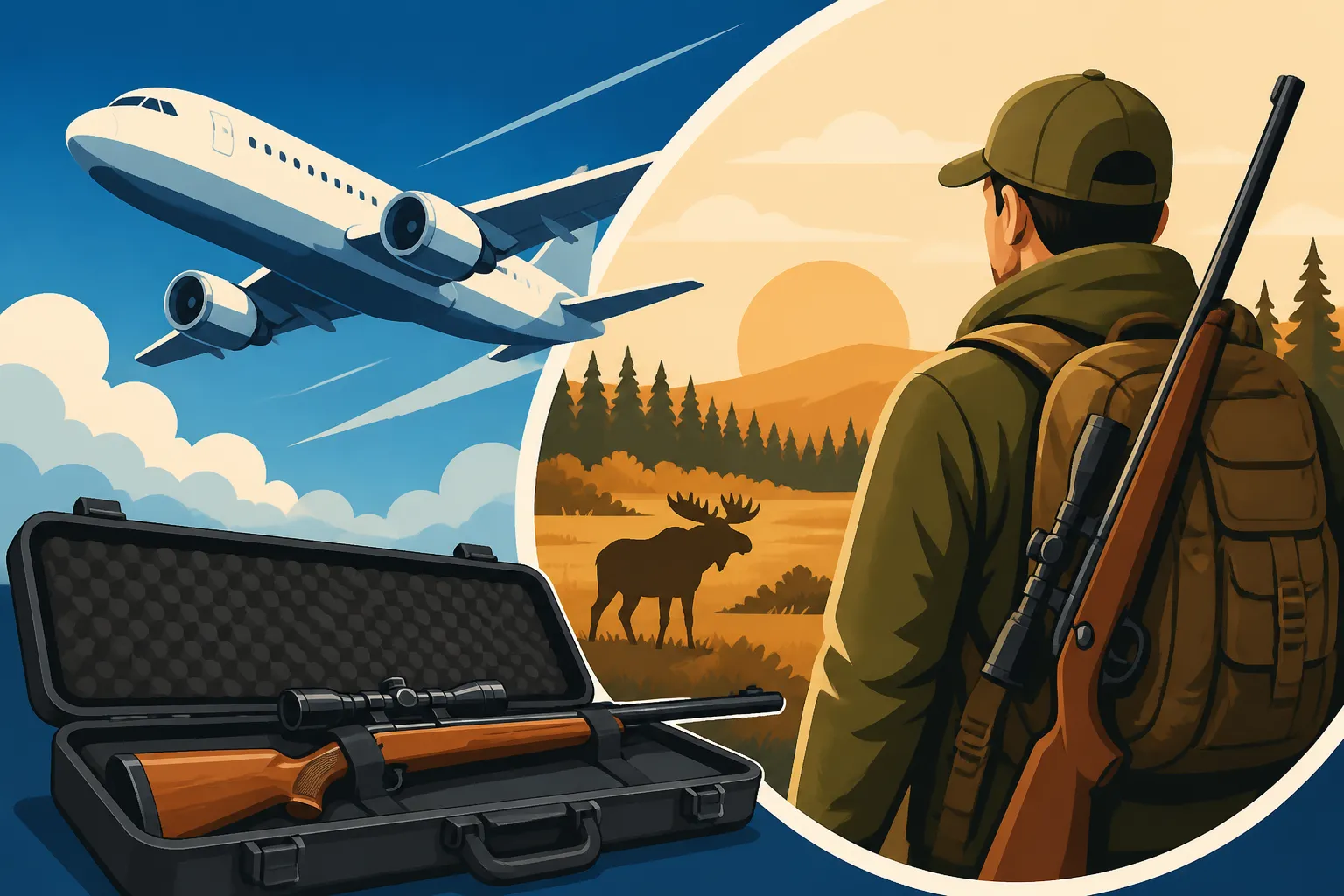
Flying to Manitoba With a Rifle
The thought of flying with your hunting rifle can honestly be a bit daunting, especially when you're crossing an international border into a place like Manitoba. There's a real fear of getting caught up in red tape, facing unexpected delays, or worse, having your prized firearm held up or confiscated. But don't let that deter you from experiencing the incredible hunting opportunities here! This comprehensive guide is designed to cut through the confusion and provide you with a clear, step-by-step understanding of how to safely and legally fly your rifle into Manitoba for your next hunting adventure.
Understanding the Canadian Legal Landscape for Firearms
Navigating another country's firearm laws can feel like deciphering ancient hieroglyphs, and Canada is no exception. It's not about being intentionally difficult; it's about ensuring safety and adhering to national regulations. The key is to understand the classifications and declarations required before you even pack your bags.
Categorizing Your Rifle for Canadian Entry
Canada has a specific system for classifying firearms, and understanding where your hunting rifle fits is the very first step. Most common hunting rifles, like bolt-action or lever-action firearms, typically fall under the "non-restricted" category. This is generally good news for hunters. However, firearms can also be classified as "restricted" (think handguns or certain semi-automatics) or "prohibited" (like fully automatic weapons), and these have much stricter or outright forbidden entry rules for non-residents. The frustration often comes from the nuanced differences; what might be perfectly legal and common for hunting in one country could be restricted or prohibited here. It's crucial to confirm your specific rifle's classification before you travel.
For example, a common Remington 700 bolt-action in .30-06 is generally non-restricted. A semi-automatic AR-style rifle, even if used for hunting in your home country, is likely to be restricted or prohibited in Canada depending on its exact model and features. The best practice is to consult official Canadian government resources or reach out to a licensed outfitter in Manitoba if you have any doubts about a particular firearm. Getting this wrong can lead to significant headaches, so don't guess!
The Mandatory Non-Resident Firearm Declaration
This is perhaps the most critical piece of paperwork for anyone flying a rifle into Canada: the Non-Resident Firearm Declaration, specifically form RCMP 5589. This isn't just a suggestion; it's a mandatory legal document that serves as your temporary licence to possess your firearm in Canada. Many hunters get flustered by forms, but this one is straightforward if you know the drill. You'll need to fill it out in triplicate, meaning three copies, but here's the catch: you absolutely do not sign it until you are standing directly in front of a Canadian Border Services Agency (CBSA) officer at your port of entry. Signing it beforehand invalidates the form.
The declaration lists your personal information, details of your firearm (make, model, serial number, calibre), and ammunition. There's also a fee associated with processing this declaration, so be prepared for that when you arrive; you'll typically pay it at the border. This fee effectively registers your firearm for up to 60 days, covering the duration of most hunting trips. It's your responsibility to ensure every field is accurate and legible. A small mistake can lead to delays and intense scrutiny, which no one wants after a long flight. For a deeper dive into this vital document, you can check out our article on The Non-Resident Firearm Declaration.
Preparing Your Rifle for Air Travel
Once you've got a handle on the legal side, the next hurdle is physically preparing your rifle and ammunition for the journey through airports and onto airplanes. Airline regulations, security protocols, and international shipping rules all come into play, and they are usually quite strict for good reason.
The Right Cases and Locking Mechanisms
Your choice of rifle case is paramount. For air travel, firearms must be transported in a hard-sided, lockable container. This isn't just a recommendation; it's a federal requirement in both Canada and the United States for checked firearms. The idea is to prevent unauthorized access during transit. These cases need to be robust enough to withstand the rigours of baggage handling and securely locked. When it comes to locks, many hunters initially think "TSA-approved" locks are the way to go. However, for maximum security and peace of mind, it's generally recommended to use non-TSA approved locks. Why? Because TSA locks have master keys that are widely available, which can be a security concern for your firearm. A solid, heavy-duty padlock or combination lock that only you can open is your best bet.
Your rifle must be completely unloaded, and it's often wise to have the bolt removed and carried separately or at least stored in a way that visibly demonstrates it's not ready to fire. This visual check often speeds up the inspection process at the airline counter. The fear of an airline misplacing or mishandling your firearm is a very real one, so investing in a high-quality, durable case like a Pelican or an SKB, along with robust locks, helps mitigate that anxiety. Label your case clearly with your contact information, but avoid overt markings that scream "firearm inside!" for security reasons.
Ammunition Specifics for Air Travel
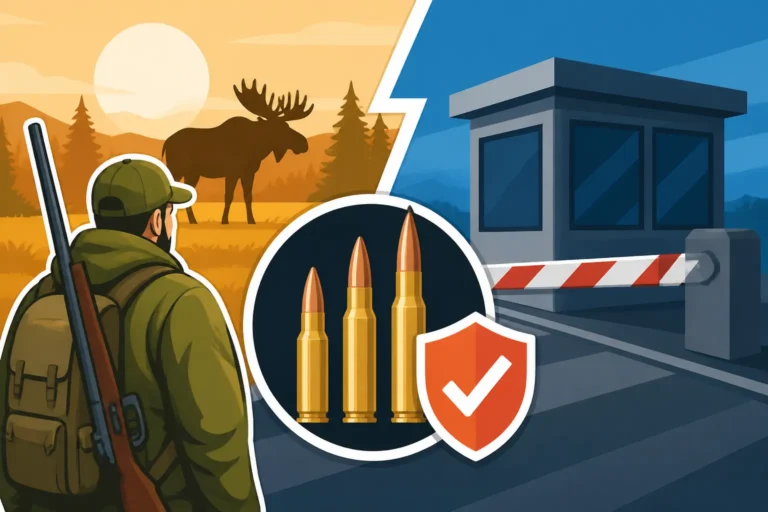
Ammunition requires its own set of rules, and they are distinct from firearm transport. You cannot have ammunition in your carry-on luggage, and it cannot be transported loose. It must be packed securely in either the original manufacturer's box or in sturdy containers specifically designed for ammunition, made of fiber, wood, or metal. The key is that the ammunition must be protected from accidental discharge and cannot be easily moved or spilled within its container. Think of it like this: if you shake the box, the cartridges shouldn't rattle around freely.
There are also quantity limits. Typically, passengers are allowed to transport a maximum of 5 kilograms (approximately 11 pounds) gross weight of ammunition, including the weight of the packaging, per person. This is usually plenty for a standard hunting trip. Crucially, ammunition must be stored separately from the firearm itself, often in a different checked bag. Do not pack ammunition in the same case as your rifle. This separation is a non-negotiable rule. Double-check these regulations with your specific airline before you fly, as some may have slightly more restrictive internal policies. For more specific details on what you can bring, our article on Ammunition Rules at the Border offers more insights.
The Airport and Border Crossing Experience
You've done your homework, your rifle is properly cased, and your ammo is securely packed. Now comes game day: navigating the airport and finally crossing into Manitoba. This part can feel like a gauntlet, but knowing what to expect can significantly reduce stress.
Checking In Your Firearm at the Airport
Your journey begins at your departure airport. The golden rule here is to arrive early. Far earlier than you normally would for a flight. You need ample time to check in your firearm, as this process takes longer than standard baggage. Head directly to your airline's check-in counter. When you present your luggage, you must explicitly declare that you are checking a firearm. Do not try to be discreet or hide it; transparency is key here. The airline representative will guide you through their specific procedure, which usually involves a visual inspection to confirm the firearm is unloaded and safely secured in its locked case. They may ask you to open the case for inspection by a supervisor or security personnel, so be ready to do so.
After inspection, the firearm case will typically be tagged and sometimes taken by airline personnel to a special security area for screening, rather than going directly onto the conveyor belt with other luggage. This ensures it bypasses standard baggage handling lines and receives specialized attention. Some airlines will have you sign a declaration at this point, affirming it's unloaded. It's a bit of a dance, and each airline might have a slightly different rhythm, but the core steps of declaration, inspection, and secure transport remain consistent. This is where patience really pays off, so factor in extra time when planning your travel day.
Clearing Customs Upon Arrival in Manitoba
Once you land in Manitoba, whether it's at Winnipeg's James Richardson International Airport or another port of entry, you'll proceed to Canada Customs. This is the moment of truth for your Non-Resident Firearm Declaration. Have your passport, your hunting licence (if you have it already), and your unsigned declaration form ready. When you approach the CBSA officer, declare your firearm immediately and present your documents. The officer will typically ask you to verify that the firearm is unloaded. They will carefully inspect the firearm, match its details to your declaration form, and once everything is in order, they will sign and stamp all three copies of your form.
At this point, you'll pay the declaration fee. One copy will be kept by CBSA, one will be returned to you (this is your temporary licence, so guard it carefully!), and the third copy might be for your records or for the airline if they require it upon your return. Keep your stamped declaration with your other important hunting documents throughout your trip, as it serves as your legal authority to possess the firearm in Canada. This process is designed to be thorough, but if you've done your homework and are honest and cooperative, it usually goes smoothly. For a more detailed walkthrough of what to expect at the border, take a look at our guide on Declaring a Firearm at the Canadian Border.
Practical Tips and Avoiding Common Pitfalls
Even with all the rules laid out, little things can make or break your travel experience. Being proactive and having a backup plan can save you a lot of grief.
Researching and Planning Ahead
The biggest tip I can offer is to start your research well in advance. Don't wait until the week before your trip to look up firearm regulations or airline policies. Airlines can change their rules, and government regulations, while generally stable, can have updates. Check with both your airline and Transport Canada's official website for the most current information regarding firearm and ammunition transport.
Furthermore, if you're working with an outfitter, lean on their expertise! They deal with non-resident hunters flying in with firearms all the time. Many outfitters understand the nuances and can provide invaluable advice specific to their location and the species you're hunting. Sites like BookYourHunt and GoHunt can be fantastic resources for finding reputable Manitoba outfitters who are experienced with international clients and can offer guidance on these complex logistics, often streamlining your entire trip planning. They can connect you with guides who know the ins and outs of getting your gear to camp. Taking the time for this preparation significantly reduces the chances of unexpected snags. Our article What Non-Residents Get Wrong About Manitoba highlights other common misconceptions and how to avoid them.
Contingency Planning and Documentation
No matter how well you plan, travel always has an element of unpredictability. What if your bag, with your rifle, gets delayed? What if you lose your declaration form? Having a contingency plan and redundant documentation is crucial. Always keep multiple copies of all your important documents – your passport, hunting licence, and especially your Non-Resident Firearm Declaration. Keep one set on your person, another in a different bag, and perhaps even a digital copy on your phone or in the cloud. This way, if one set goes missing, you have backups.
If your firearm is delayed, immediately notify your airline and the CBSA. They have procedures in place for reuniting you with your property. Remember, your declaration is typically valid for 60 days, so if your hunt is longer, you might need to look into renewing it, though most hunting trips fall within this window. Having your original declaration is key to a smooth departure from Canada as well. It proves you legally imported the firearm. For more comprehensive information about bringing your firearm into Manitoba, including legal specifics, check out Bringing Firearms Into Manitoba. Knowing the costs associated with your licences, like those outlined in Manitoba Hunting Licences and What They Cost, will also help you budget properly and avoid surprises.
| Item | Key Requirement | Where to Handle | Critical Advice |
|---|---|---|---|
| Firearm | Non-restricted, unloaded, bolt removed/visible safety | At home, then airline check-in | Confirm classification with Canadian laws; use non-TSA locks for best security. |
| Case | Hard-sided, securely locked, durable | At home, then airline check-in | Invest in quality; label discreetly. |
| Ammunition | Max 5kg (11 lbs) gross weight, securely packaged in original/approved boxes | At home, packed in separate checked bag | Never loose; never in carry-on; never in the same case as firearm. |
| Declaration (RCMP 5589) | Filled in triplicate, unsigned | At home (fill out), then Canadian border (sign/pay) | Do NOT sign until instructed by CBSA officer; keep your copy safe. |
| Licence | Valid hunting licence for Manitoba | Online (Manitoba's portal) or through outfitter | Have proof of purchase/physical licence readily available. |
| Passport/ID | Valid identification for international travel | Always on your person | Essential for all international travel. |
This preparation might seem like a lot, but it ensures that your focus can remain on the hunt and the incredible experience Manitoba offers, rather than on bureaucratic headaches.
Disclaimer
This article is for general informational purposes only and does not constitute professional advice. Laws, prices and regulations vary by location and change over time. Consult a qualified professional for guidance on your specific situation.