Insurance a Manitoba Outfitter Should Carry
When you're dreaming of a Manitoba hunting adventure, picturing that trophy whitetail or a massive black bear, the last thing anyone wants to think about is an accident or an unexpected incident. Yet, in the wild, the unexpected can and sometimes does happen. Whether it’s a slip on a rocky trail, an unforeseen equipment malfunction, or something far more serious, the financial repercussions can be devastating if your outfitter isn't properly protected. This guide is here to walk you through the essential types of insurance a reputable Manitoba outfitter should carry, so you can book your trip with peace of mind, knowing they've taken the necessary steps to safeguard both their operation and your experience.
Why Outfitter Insurance Matters More Than You Think
Booking a guided hunt is an investment, not just of money, but of time, anticipation, and trust. You're putting your safety and your expectations in the hands of professionals who navigate potentially challenging environments and handle specialized equipment. When things go sideways, and sometimes they do, the presence of comprehensive insurance can make all the difference, turning a potential disaster into a manageable incident.
Protecting Against Accidents and Liabilities
Hunting, by its very nature, carries inherent risks. There's the potential for falls, firearm accidents, injuries from wildlife encounters, or even vehicle mishaps while transporting hunters to and from remote locations. Imagine a scenario where a hunter, through no fault of their own, sustains an injury during a hunt, perhaps slipping on an icy boardwalk in a swamp or suffering a minor injury from a branch while riding an ATV. Without proper insurance, the outfitter could face significant financial strain from medical bills, rehabilitation costs, or even legal fees. This financial stress could cripple their business, leaving both the outfitter and the injured hunter in a precarious position. A solid insurance policy isn't just a safety net; it's a testament to the outfitter's commitment to responsible business practices and client well-being.
Furthermore, it's not always about personal injury. Property damage can occur, perhaps a hunter's gear is accidentally damaged by camp staff, or a vehicle is involved in a fender bender during transport. These incidents, while less severe, still represent a liability that needs to be covered. Think about the peace of mind knowing that if an honest mistake happens, there's a system in place to address it without a drawn-out, contentious battle. This forward-thinking approach is what distinguishes a professional operation from one that might cut corners.
Ensuring Financial Stability and Reputation
An outfitter's reputation is everything, and a significant uninsured incident can tarnish it irreparably. When an outfitter is properly insured, it signals to potential clients that they are serious about their business and client safety. This financial stability ensures that if a claim arises, the outfitter's personal assets or the long-term viability of their operation aren't jeopardized. Without insurance, a single major incident could force an outfitter out of business, leaving future clients high and dry, and potentially even impacting the local economy that relies on these businesses.
A robust insurance portfolio also allows an outfitter to operate with greater confidence, knowing they are shielded from common business risks. This allows them to focus on what they do best: providing incredible hunting experiences. For you, the hunter, seeing that an outfitter values this level of protection should be a strong positive indicator when you're Choosing the Right Manitoba Outfitter. Websites like BookYourHunt and GoHunt often highlight outfitters who maintain high standards, and adequate insurance coverage is undoubtedly one of those standards. It's a foundational element that underpins the entire hunting experience, protecting everyone involved from unforeseen financial burdens.
Essential Insurance Types for a Manitoba Outfitter
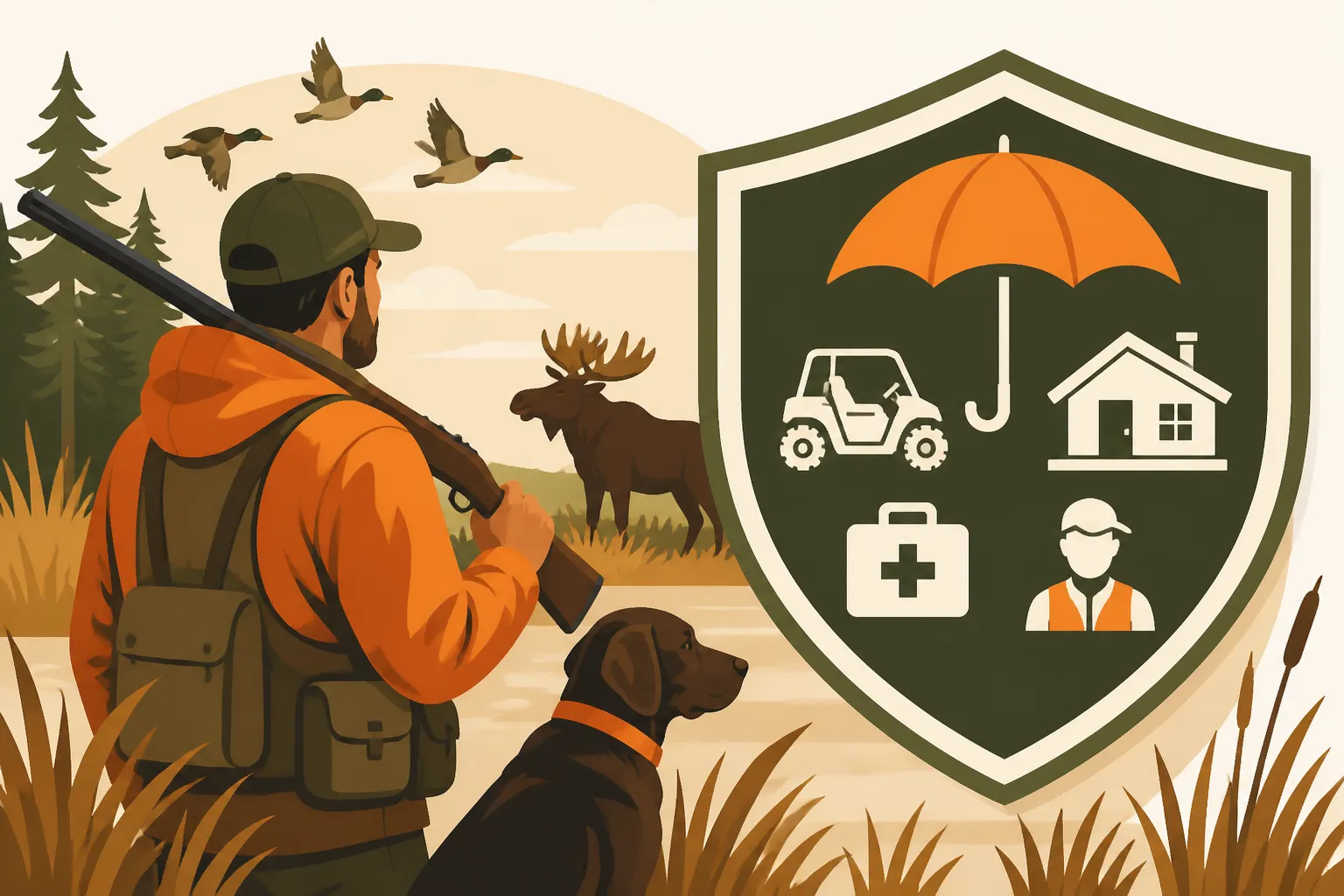
Just like you wouldn't head into the bush without the right gear, an outfitter shouldn't run their business without the right insurance. It’s not a one-size-fits-all solution; a comprehensive plan usually involves several different types of policies designed to cover various aspects of their operation. Understanding these categories can help you discern what questions to ask when Questions to Ask Before Booking your trip.
Commercial General Liability (CGL)
Commercial General Liability (CGL) is the cornerstone of any outfitter's insurance plan. This policy is designed to protect the business from claims of bodily injury or property damage to third parties, which often include clients. For a hunting outfitter, this is incredibly broad and crucial. Picture a client slipping on a wet floor in the lodge and breaking a bone, or perhaps a guest's vehicle is damaged while parked at the outfitter's property during a storm. CGL coverage would typically step in to cover medical expenses, legal defense costs, and any settlements or judgments up to the policy limits.
Furthermore, CGL often covers incidents that occur both on the outfitter's main premises and during actual hunting activities in the field. This means if a hunter is injured during transport on an ATV, or if an accidental shooting incident occurs (even if no one is at fault, but rather an unpredictable ricochet or equipment failure), the CGL policy can be the first line of defense. It's truly a comprehensive shield against the everyday hazards that come with running an adventurous outdoor business, and it’s arguably the single most important policy an outfitter can hold.
Professional Liability (Errors & Omissions)
While CGL covers physical injury and property damage, Professional Liability insurance, also known as Errors & Omissions (E&O) insurance, addresses claims arising from negligent acts, errors, or omissions in the professional services provided. For a hunting outfitter, this could relate to the advice they give, the planning of a hunt, or even misrepresentation of services. For instance, if an outfitter guarantees a "trophy hunt" and the client feels the services rendered fell far short of professional standards, leading to a financial loss for the client (e.g., wasted travel expenses, lost wages), E&O might come into play.
Consider a scenario where an outfitter provides inaccurate information about Manitoba Big Game Season Dates or Manitoba's Game Hunting Areas, leading to a hunter unintentionally violating regulations. While the hunter is ultimately responsible for knowing the rules, a professional negligence claim could arise if the outfitter's guidance was found to be faulty. This type of insurance is particularly relevant for outfitters who provide extensive consultation and planning services, as it protects them from claims related to the quality and accuracy of their professional advice and services, rather than just physical accidents.
Property and Equipment Insurance
Hunting outfitters rely heavily on a vast array of equipment and property, from lodges, cabins, and vehicles to ATVs, boats, blinds, stands, and specialized hunting gear. Property and equipment insurance protects these assets against perils like fire, theft, vandalism, and certain natural disasters. Imagine an outfitter's main lodge suffering a fire, or their fleet of vehicles and ATVs being stolen from their compound. Without specific property coverage, the cost of replacing these essential items could be catastrophic for the business.
This insurance also extends to the personal property of guests in some cases, or covers damage to a client's gear while it is in the outfitter's care. Think about your rifle, bow, or expensive optics being damaged or lost while being transported by the outfitter. While rare, these incidents can happen, and having the right coverage ensures that the outfitter has the means to replace or repair what was lost, avoiding direct financial burden on their business and maintaining client trust. It’s about protecting the tools and infrastructure that make a guided hunt possible.
Worker's Compensation and Specialty Policies
If a Manitoba outfitter employs guides, cooks, camp staff, or administrative personnel, Worker's Compensation insurance is absolutely critical. This type of insurance provides wage replacement and medical benefits to employees injured in the course of employment, regardless of fault. Without it, an injured employee could sue the outfitter directly, or the outfitter would be personally liable for all medical and lost wage costs. This protects the outfitter from potentially massive financial claims while also ensuring their employees are cared for if an accident occurs on the job.
Beyond these core policies, some outfitters might also carry specialty coverage. For instance, remote operations might consider medical evacuation insurance, which covers the high costs of transporting an injured person from a wilderness location to a medical facility. Outfitters involved in Flying North for Manitoba Caribou or other remote hunts might have specific aviation liability if they own and operate their own aircraft, or they would ensure their charter providers have adequate coverage. Even environmental liability insurance could be relevant for outfitters operating in sensitive natural areas, protecting against costs associated with accidental pollution or damage to the environment. The extent of these specialty policies will often depend on the specific services offered and the unique risks of their hunting locations.
What to Look For in an Outfitter's Coverage
Knowing what types of insurance an outfitter should have is one thing, but understanding what constitutes adequate coverage is another. It's not just about having a policy; it's about having the right policy with sufficient limits and appropriate inclusions to genuinely protect all parties.
Adequate Coverage Limits
Insurance policies have limits, which specify the maximum amount the insurer will pay out for a covered claim. For a commercial general liability policy, you'll often see limits like $1 million, $2 million, or even $5 million per occurrence. While $1 million might sound like a lot, a serious injury with extensive medical treatment and long-term care could quickly exceed that, especially if litigation is involved. Therefore, a reputable Manitoba outfitter should ideally carry higher limits, at least $2 million, and preferably $5 million, especially if they operate large camps, use complex equipment, or cater to a high volume of clients.
Don't be shy about asking an outfitter about their coverage limits. Any professional operation should be transparent about this. Higher limits demonstrate a greater commitment to financial protection and risk management. It means that in the event of a catastrophic incident, there's a much better chance that all potential costs will be covered, preventing financial hardship for everyone involved. When you're booking a Manitoba hunting trip, this detail is as important as the hunt dates themselves.
Specific Inclusions for Hunting Operations
General business insurance might not adequately cover the unique risks associated with hunting. A good outfitter's policy will have specific riders or endorsements that address activities like guided hunting, the use of firearms, ATV/snowmobile transport, and remote camp operations. For example, a standard CGL policy might exclude coverage for "hazardous activities" or "firearms incidents" unless specifically added. You want an outfitter whose policy explicitly covers guided hunting as an insured activity.
This also extends to the type of game hunted. Some policies might have different risk profiles for Black Bear Hunting in Manitoba compared to Waterfowl Hunting Manitoba's Grain Fields. A diligent outfitter will have worked with their insurance broker to tailor a policy that precisely matches the scope of their services. If an outfitter's insurance seems vague or generic, it could be a red flag. Always look for assurance that the policy is designed for their specific industry and their specific activities.
Reputable Insurers
The quality of the insurance company itself matters. An outfitter should be insured by a well-established, financially stable provider with a strong reputation for handling claims fairly and efficiently. This isn't just about paying premiums; it's about the reliability of the safety net when it's actually needed. Companies that specialize in outdoor recreation, tourism, or adventure sports insurance are often best equipped to understand and underwrite the unique risks associated with hunting outfitters.
When researching an outfitter, it's perfectly reasonable to inquire about their insurance provider. While you might not know every insurance company, a quick online search can often give you an idea of their standing and reliability. An outfitter who is confident in their coverage will usually be happy to share this information, and it adds another layer of trust and professionalism to their operation. This due diligence on your part can help solidify your confidence in your chosen guide.
Hunter's Role: Asking the Right Questions & Due Diligence
As a hunter, you have a critical role to play in your own safety and peace of mind. Assuming an outfitter has adequate insurance without verifying it is a risk you shouldn't take. A little bit of proactive inquiry can save a lot of headaches down the road.
Verifying Proof of Insurance
The most direct way to ascertain an outfitter's insurance status is simply to ask for proof. A professional and reputable outfitter will readily provide a certificate of insurance, which is a document from their insurer summarizing their coverage, including policy types, limits, and effective dates. This isn't being overly cautious; it's smart planning, much like understanding Rules for Non-Residents Hunting Manitoba before you travel. You wouldn't book a major vacation without confirming your hotel reservation, and a hunting trip deserves the same level of verification.
When you receive the certificate, take a moment to review it. Does it list the types of coverage discussed above? Are the limits sufficient? Does the effective date cover your planned hunting period? If anything looks unclear or incomplete, don't hesitate to ask for clarification. A good outfitter will appreciate your diligence and be happy to explain their coverage. If an outfitter hesitates or refuses to provide this documentation, it's a significant red flag and might be a sign to look elsewhere, perhaps on platforms like GoHunt or BookYourHunt where transparency is often encouraged.
Understanding Your Own Responsibilities
While outfitter insurance protects against their liabilities, it's crucial to understand your own responsibilities as a hunter. You are expected to follow all hunting laws and regulations, adhere to safety instructions from your guide, and handle your firearms or bows safely. The outfitter's insurance generally won't cover your actions if you act negligently or unlawfully. For example, if you discharge a firearm unsafely against your guide's instructions and cause damage or injury, you would likely be personally liable.
This underscores the importance of proper hunter education and ethical conduct in the field. Every hunter in Manitoba needs to understand Manitoba Hunter Education Requirements. Even with the best outfitter and comprehensive insurance, your personal responsibility remains paramount. Before any hunt, you'll often be required to sign a liability waiver, which outlines certain risks you acknowledge and accept. Read this document carefully and understand its implications. It’s part of the comprehensive process of Signing an Outfitter Liability Waiver that ensures everyone is aware of the parameters of the hunt.
Personal Travel and Medical Insurance
Beyond the outfitter's coverage, it is highly advisable for every hunter to carry their own personal travel and medical insurance, especially if traveling from out of province or from another country. The outfitter's insurance covers their liability; it typically won't cover your medical expenses if you suffer an injury that isn't due to their negligence, or if you simply fall ill during your trip. Imagine needing emergency medical care or evacuation from a remote camp due to a pre-existing condition flaring up, or a simple flu turning into something more serious. The costs could be astronomical.
For non-residents, international travel insurance with robust medical and emergency evacuation coverage is non-negotiable. Ensure it covers adventure activities like hunting. Also, consider trip cancellation or interruption insurance, which can protect your investment if unforeseen circumstances (personal emergency, severe weather, or even an outfitter cancellation) prevent you from going or force you to cut your trip short. While an outfitter might have policies for What Happens If Weather Ruins the Hunt, your personal insurance adds another layer of financial security for your entire adventure.
To summarize, here's a quick overview of what to look for:
| Insurance Type | What it Covers | Why it's Important for an Outfitter |
|---|---|---|
| Commercial General Liability (CGL) | Bodily injury or property damage to third parties (e.g., clients, public) | Protects against common accidents like falls, unintended damage. |
| Professional Liability (E&O) | Claims from negligent advice, errors, or omissions in professional service | Protects against financial losses due to perceived professional missteps. |
| Property & Equipment | Damage/loss of outfitter's assets (lodges, vehicles, gear) | Ensures business continuity by protecting essential infrastructure. |
| Worker's Compensation | Employee injuries/illnesses incurred on the job | Mandatory for employers, protects against employee claims. |
| Specialty Policies | Specific risks like medical evacuation, aviation liability, environmental | Covers unique hazards of remote operations or specific activities. |
This comprehensive approach to insurance, both on the part of the outfitter and the hunter, creates a much safer and more secure environment for everyone involved in a Manitoba hunting adventure. By understanding these protections, you're not just hoping for the best; you're actively preparing for a successful and secure experience.
Disclaimer
This article is for general informational purposes only and does not constitute professional advice. Laws, prices and regulations vary by location and change over time. Consult a qualified professional for guidance on your specific situation.