Heated Blinds on a Manitoba Hunt
There's no denying that Manitoba winters can be absolutely brutal, turning what should be a comfortable sit into a freezing endurance test that cuts your hunt short. For many hunters, especially those chasing big game in late fall or early winter, the cold is the biggest adversary, draining your focus and sending you back to the truck far sooner than you'd like. This guide is all about heated blinds on a Manitoba hunt, exploring how these game-changing setups can keep you warm, extend your time in the field, and ultimately improve your chances of success, making your Manitoba hunting adventure far more enjoyable and productive.
Why Heated Blinds are a Game Changer in Manitoba
Hunting in Manitoba means embracing the elements, and sometimes, those elements are downright unforgiving. The wind can whip across open fields, and temperatures can plummet well below freezing, especially during the crucial late-season periods. This isn't just about being a little chilly; it's about physical discomfort that can directly impact your ability to hunt effectively. Heated blinds address this core challenge, transforming a potentially miserable experience into a comfortable, focused wait for your target animal. They allow you to concentrate on the hunt, not on how many layers you have left or how numb your toes are.
The Battle Against Manitoba's Winter
Ask any hunter who has spent time in a Manitoba stand in November or December, and they'll tell you about the relentless cold. Even with the best layered clothing and hand warmers, the biting wind and sub-zero temperatures can seep into your bones, making it incredibly difficult to sit still and remain alert for hours on end. Your body instinctively works harder just to stay warm, burning energy and diverting focus from the subtle sounds and movements in the bush. This isn't just a comfort issue; it's a safety concern. Prolonged exposure to extreme cold can lead to hypothermia and frostbite, which is why understanding how to prepare for Hunting Safely in Deep Winter Cold is paramount.
Imagine trying to stay absolutely motionless, peering through binoculars, when your fingers are tingling and your teeth are chattering. It's nearly impossible. The mental and physical toll of fighting the cold can cause you to fidget, make unnecessary movements, or simply give up on a prime hunting spot too early. For many, this battle against the elements shortens their hunting day considerably, forcing them back to the warmth of a vehicle or cabin when the best hunting hours might still be ahead. A heated blind essentially removes this primary obstacle, allowing you to endure the coldest conditions without succumbing to their debilitating effects.
Extending Your Time on Stand
The most significant advantage of a heated blind, beyond sheer comfort, is the sheer duration it allows you to stay in the field. When you're warm, you're patient. When you're patient, you increase your odds. Those extra hours in the blind, especially during the critical low-light periods of dawn and dusk, can be the difference between a successful hunt and going home empty-handed. Deer, moose, and bear often move most actively during these times, and being able to comfortably remain in position when other hunters have retreated due to the cold gives you a distinct edge.
Consider a late-season whitetail hunt, perhaps during Manitoba Rifle Deer Opening Day when temperatures are often well below freezing. Bucks are often seeking does, but they also become more nocturnal or move cautiously during daylight hours. To catch them off guard, you need to be in your stand before first light and stay until after dark. A heated blind makes this marathon sit not only tolerable but enjoyable. You can truly settle in, watch the woods come alive, and be ready when that elusive buck finally makes an appearance. This commitment to staying put, enabled by the warmth, is a cornerstone of effective cold-weather hunting and can significantly improve your chances of Sitting All Day in a Manitoba Blind.
Understanding Different Heated Blind Setups
Heated blinds aren't a one-size-fits-all solution; they come in various forms, each with its own advantages and considerations. From lightweight, portable pop-ups to robust, insulated permanent structures, understanding the options helps you choose what's right for your style of hunting or what to expect from an outfitter. The choice often boils down to how long you plan to stay in one spot, the level of comfort you desire, and the logistics of setting up and maintaining the blind.
Portable vs. Permanent Structures
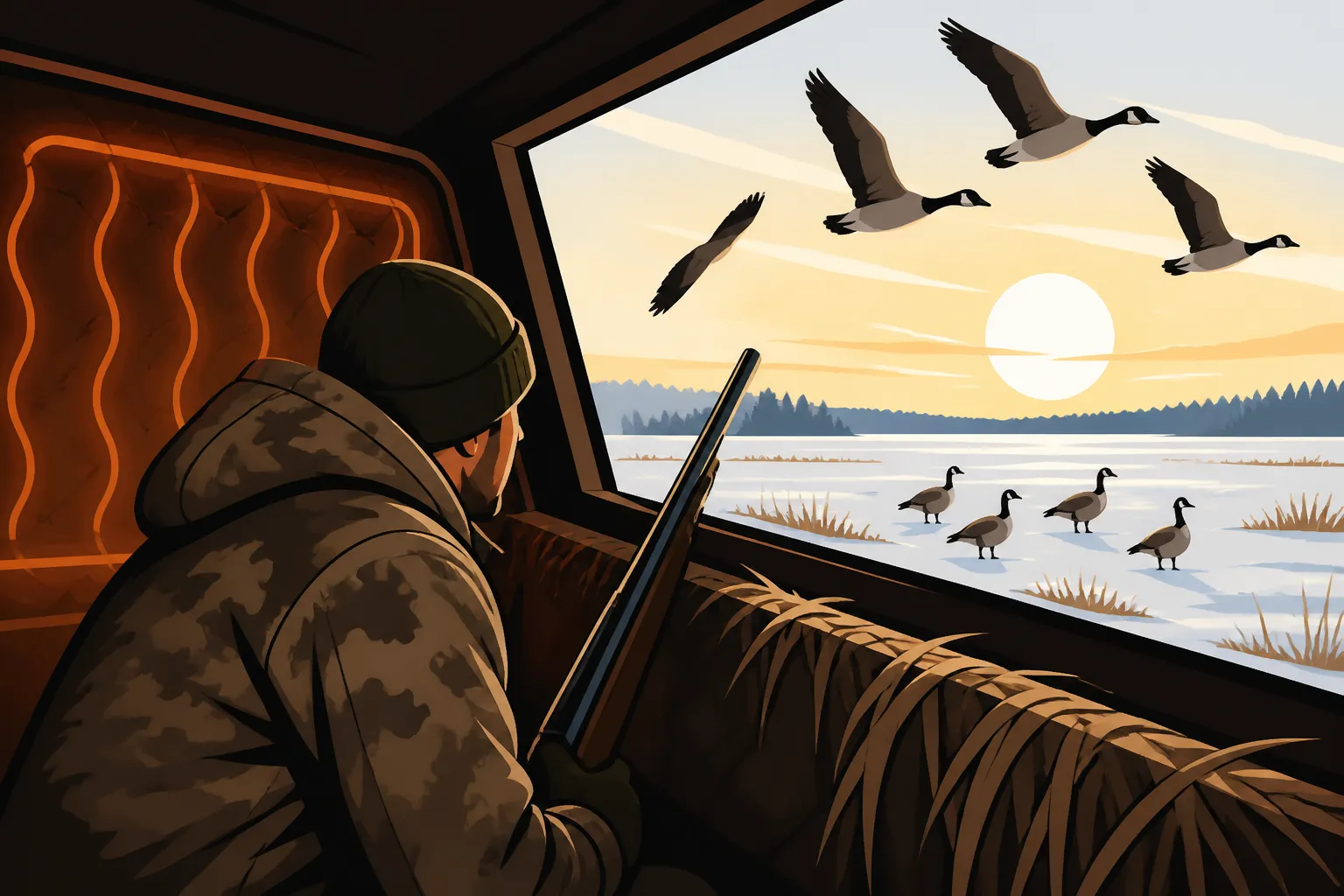
Portable heated blinds are typically pop-up style blinds, often made of durable fabric, that can be easily transported and set up in a new location. While they aren't as insulated as permanent structures, they create a contained space where a small propane heater can quickly raise the ambient temperature. These are fantastic for DIY hunters who want the flexibility to move their setup based on game movement or changing conditions. They're lighter, more versatile, and can be deployed quickly in a new area, though they require more frequent attention to the heater and are more susceptible to external noise and scent dispersal due to their fabric construction.
On the other hand, permanent heated blinds are exactly what they sound like: sturdy, fixed structures, often built from wood or durable composite materials, that are strategically placed in high-traffic game areas. These are commonly found on guided hunts, built by outfitters who have carefully scouted the best locations. They are typically much better insulated, offering superior protection from wind and cold. Many permanent blinds feature comfortable seating, ample space, and dedicated shooting windows, sometimes even with built-in rests. The downside is their lack of mobility, meaning you're committed to that specific location, but their robust nature and enhanced comfort often make them the preferred choice for extended cold-weather hunts.
Heating Options and Comfort Levels
The heart of any heated blind is, of course, its heating source. For most portable blinds, compact propane heaters like the Mr. Heater series are king. These units are efficient, readily available, and safe for enclosed spaces as long as proper ventilation is maintained (always read the manufacturer's instructions!). They can quickly take the chill out of a small blind, making a huge difference in comfort. However, you'll need to carry extra propane cylinders, and they do produce a faint hum and some odor, which keen-nosed animals might detect if you're not careful with your setup.
Permanent blinds often have more robust heating solutions. While propane heaters are still common, some larger, well-established permanent blinds might feature small wood stoves, providing a dry, radiating heat that feels incredibly cozy. Wood stoves require more management (feeding wood, managing smoke) but can offer superior, sustained warmth. In rare cases, especially if a blind is near an outpost camp with a generator, electric heaters might even be an option, offering silent, odorless heat. Regardless of the source, the goal is consistent, comfortable warmth that allows you to shed some layers, relax, and focus on the hunt without shivering. This ability to regulate your internal temperature without having to constantly adjust your clothing is key to Staying Warm in a Manitoba Stand.
Finding and Utilizing Heated Blinds on a Guided Hunt
While some adventurous DIY hunters rig their own heated setups, the most reliable way to experience a high-quality heated blind is often through a reputable outfitter. Many outfitters specializing in late-season deer or bear hunts recognize the immense value these blinds offer to their clients, especially those traveling from warmer climates who might not be accustomed to Manitoba's intense cold. It's an amenity that speaks volumes about their commitment to client comfort and success.
Finding Outfitters Offering This Amenity
When you're researching potential guided hunts, especially for November whitetails or spring bears, make "heated blinds" one of your key search terms. Many outfitters proudly advertise this feature on their websites and in their promotional materials because they know it's a major draw. Look for detailed descriptions of their setups, including photos if available. When sifting through outfitters, perhaps on platforms like BookYourHunt or GoHunt, pay close attention to the amenities they highlight. A good outfitter understands the value of client comfort and will specify if they offer these specialized setups. Don't be shy about asking direct questions about their blinds when you're making inquiries about Booking a Manitoba Whitetail Hunt.
Beyond just mentioning "heated blinds," inquire about the type (portable or permanent), the heating source, and how they manage scent or noise. A reputable outfitter will be transparent and eager to share details about their operation. They might also discuss the strategic placement of these blinds, often in known bedding areas, food plots, or travel corridors, increasing your chances of success. Reviewing an outfitter's past client testimonials and photos can also give you a good idea of the quality and comfort of their setups, as many clients will praise this specific amenity if it enhanced their hunt. You'll often find these blinds as part of a larger package described under Manitoba Hunting Lodges and Camps.
Maximizing Your Experience in a Heated Blind
Just because you're in a heated blind doesn't mean you can completely forget about basic hunting principles. Scent control, quiet movement, and stealth are still absolutely critical. While the enclosure helps contain some scent, it's not foolproof, and you'll still want to arrive at the blind as scent-free as possible. Similarly, even though you're comfortable, loud movements, talking, or dropping gear can still spook animals that might be close by. The solid structure of a permanent blind can actually amplify internal noises, so maintaining quiet discipline is still paramount.
Think of the heated blind as an advanced tool in your hunting arsenal. It's there to enable longer, more focused sits, but you still need to actively hunt. Keep your eyes peeled, scan the area regularly, and be ready to react quickly when an opportunity arises. You might find you can shed some of your heaviest outer layers once inside, giving you greater freedom of movement for drawing a bow or shouldering a rifle. However, always have those layers handy in case you need to step outside or if the heater malfunctions. Knowing What a Manitoba Guided Deer Hunt Includes often clarifies the expectations for gear and conduct within these setups. Outfitters providing this level of comfort often also ensure other camp amenities are top-notch, as part of What Manitoba Outfitters Provide in Camp.
Practical Considerations for Hunting from a Heated Blind
While heated blinds offer unparalleled comfort and increased hunting time, they also introduce a few unique considerations that hunters need to be aware of. From managing your scent signature to adjusting your clothing choices, a thoughtful approach will help ensure these advantages translate into real success in the field. It's about blending the best of comfort with the discipline of effective hunting.
Scent Control and Noise Management
Despite the enclosed nature of a heated blind, scent control remains crucial. Heaters, especially propane ones, can create air currents and exhaust that, if not managed properly, can carry your scent outside the blind. Animals, particularly whitetails, have an incredible sense of smell, and even a faint whiff of human odor can send them bounding away. Always position yourself and your heater with the prevailing wind in mind, if possible, and continue to use scent-eliminating sprays on your clothing and gear. Some permanent blinds are designed with specific ventilation systems that minimize outward scent dispersion, but diligence on your part is always the best defense.
Noise is another subtle but significant factor. While the blind protects you from external sounds like wind, it can also act as a drum, amplifying any sounds you make inside. The rustle of clothing, the clink of metal, or even a whispered conversation can be surprisingly audible to wary animals. Practice slow, deliberate movements. Have all your gear organized and easily accessible to avoid fumbling around. Keep your phone on silent and resist the urge to fidget. The goal is to be as stealthy inside the blind as you would be crouched behind a bush, ensuring that the comfort doesn't compromise your stealth.
Gear Adjustments for Warmer Enclosures
The beauty of a heated blind is that you don't need to wear every single layer you own, which can sometimes restrict movement and make a long sit even more uncomfortable. You can often shed your heaviest outer parka or insulated coveralls once inside, allowing for greater freedom of movement and easier handling of your weapon. However, this doesn't mean you should go light. Always dress in layers, even for a heated blind, ensuring you have enough insulation for the walk to and from the blind, and in case the heater decides to quit. Dressing for Manitoba's November Cold still applies for movement and emergencies.
Your base layers and mid-layers are still vital for wicking moisture and retaining core warmth. While your upper body might feel toasty, your feet are often the first to get cold, especially if you're not moving. Therefore, investing in quality, insulated Boots for Sitting Still in Deep Cold remains a non-negotiable, even in a heated blind. A good pair of warm socks and insulated boots will keep your feet comfortable for hours, ensuring you don't get cold feet – literally – and cut your hunt short. Having a comfortable, quiet chair within the blind is also a game-changer, allowing you to settle in for those long, patient waits.
| Feature | Portable Heated Blind | Permanent Heated Blind |
|---|---|---|
| Setup | Quick pop-up, easily moved; DIY friendly | Fixed structure, usually pre-positioned by outfitter |
| Insulation | Minimal fabric, relies heavily on heater | Well-insulated, often multi-layered walls, holds heat better |
| Comfort | Good for mild cold, can still get chilly in extreme cold | Excellent, often includes amenities like padded chairs |
| Heating Source | Compact propane heaters (e.g., Mr. Heater Buddy) | Larger propane heaters, sometimes small wood stoves |
| Visibility | Limited windows, often small shooting ports | Larger windows, often 360-degree views, built-in shooting rests |
| Noise | Fabric can flap in wind; heater noise audible | Solid construction dampens external wind/animal noise, amplifies internal noise |
| Scent Control | More challenging due to fabric permeability; requires vigilance | Better containment, but proper ventilation and personal scent control still vital |
| Availability | Purchaseable by DIY hunters; some outfitters offer | Predominantly offered by professional outfitters |
| Cost (Setup) | Relatively low initial investment | High upfront cost (for outfitter), included in hunt package |
Disclaimer
This article is for general informational purposes only and does not constitute professional advice. Laws, prices and regulations vary by location and change over time. Consult a qualified professional for guidance on your specific situation.