Hunting Manitoba’s Second Deer Licence GHAs
It can be incredibly frustrating when you've tagged out on your first deer, but the season still has weeks left, or you just want another opportunity to fill the freezer. Thankfully, Manitoba understands this yearning, and for many hunters, the answer lies in leveraging the second deer licence program in specific Game Hunting Areas (GHAs). This guide will break down everything you need to know to successfully pursue a second whitetail, from understanding the regulations to finding the best spots and fine-tuning your hunting strategies.
Understanding Manitoba's Second Deer Licence Program
Manitoba's second deer licence program is a fantastic opportunity for resident hunters to extend their season and increase their chances of harvesting more venison. It’s not available in every GHA, and there are specific rules and dates to be aware of, but for those who take the time to understand it, it can be incredibly rewarding. The program reflects a management strategy to help control deer populations in areas where numbers can sustain additional harvest, often in agricultural zones or regions with higher deer densities.
The Rationale Behind the Program
The primary reason behind Manitoba offering a second deer licence in certain GHAs is wildlife management. In some parts of the province, whitetail deer populations are robust, and a higher harvest rate helps maintain ecological balance, reduce crop damage, and mitigate the spread of diseases like Chronic Wasting Disease (CWD). By allowing hunters to take an additional deer, the province effectively utilizes its hunting community as a key tool in responsible wildlife stewardship. It's a win-win: hunters get more time in the field, and deer populations are managed sustainably. This targeted approach ensures that hunting pressure is applied where it's most needed, preventing overharvest in areas with lower deer numbers while providing ample opportunity where deer thrive.
Furthermore, the program offers a direct benefit to local farmers and landowners who frequently experience significant crop damage from burgeoning deer herds. By encouraging hunters to take more deer in these agricultural zones, the province helps alleviate some of the economic burden on these producers. This cooperation between hunters and landowners is a vital part of healthy wildlife management in a mixed landscape of wild bush and cultivated fields. It acknowledges the real-world impact of wildlife on livelihoods, something many hunters appreciate when seeking to be part of the solution.
Eligibility and Key Requirements
To be eligible for a second deer licence, you must first be a Manitoba resident hunter who has already purchased a regular resident deer licence. This second licence is specifically for an antlerless deer (a doe or fawn) and is restricted to designated GHAs and specific season dates. It's not a free-for-all, but a carefully controlled extension of the hunt. You can't just buy a second tag and use it anywhere; you need to consult the provincial hunting guide or the online licensing portal to verify which GHAs are participating in the program for the current season.
The cost of this second licence is typically lower than your primary licence, making it an accessible option for many. It's important to remember that all other hunting regulations, such as legal hunting hours, blaze orange requirements, and firearm restrictions, still apply when pursuing your second deer. Make sure you understand Manitoba Hunting Licences and What They Cost and Manitoba's Second Deer Licence Rules before you head out. Don't forget to validate your tag immediately upon harvesting an animal, just as you would with your first licence, and ensure you comply with any CWD sampling requirements for the GHA you're hunting.
Identifying Eligible GHAs for a Second Deer Licence
Finding the right GHA for your second deer licence is paramount. These aren't necessarily the same GHAs where you might have hunted your first trophy buck. Often, these areas are chosen due to higher deer densities, proximity to agricultural land, or specific management goals. It's crucial to do your homework and pinpoint the zones that offer the best opportunity and are open for the second licence season.
How to Find Available GHAs
The most reliable source for identifying eligible GHAs is the annual Manitoba Hunting Guide, published by the provincial government. This document outlines all regulations, including specific GHAs that are open for second deer licences and their corresponding season dates. You can also check the provincial online licensing portal or contact a local Conservation Office. These resources are updated annually, so always refer to the most current information. Look for GHAs within the "Special Deer Seasons" or "Antlerless Deer" sections specifically for second licences.
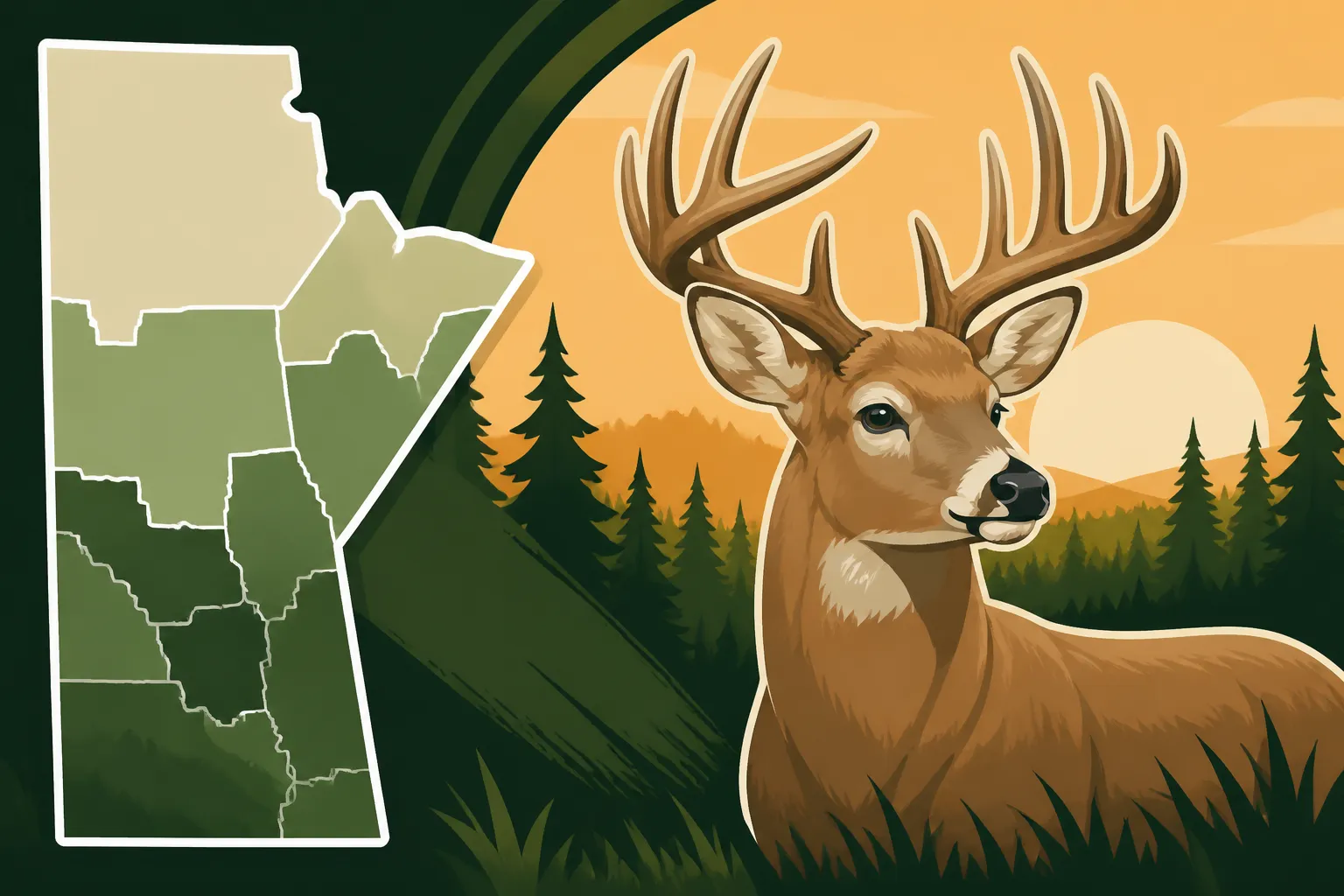
When you're sifting through the GHAs, pay close attention to the GHA numbers. They aren't just arbitrary figures; they define distinct geographical hunting zones, each with its own set of regulations and characteristics. For instance, many of the GHAs in the Parkland and agricultural regions, like those surrounding Riding Mountain National Park or in the Interlake, frequently have second deer licence opportunities. Utilizing mapping applications like GoHunt can be incredibly helpful here. You can layer GHA boundaries over satellite imagery to get a sense of the terrain and potential access points, which will be invaluable for planning. Always cross-reference what you see on mapping apps with the official provincial hunting guide to ensure accuracy.
Common Characteristics of Second Licence Areas
GHAs open for second deer licences often share common characteristics. They are typically found in the agricultural belt, where deer can thrive on abundant food sources like grain crops, alfalfa, and cultivated fields. This often means a mix of small woodlots, bush edges, river valleys, and slough rings providing cover amidst vast expanses of farmland. Deer in these areas tend to congregate in certain pockets, making them predictable if you know what to look for. These regions are usually more accessible by vehicle compared to remote northern bush country, though good scouting is still essential.
You'll find that many of these areas are also ones where you'd be Hunting Whitetails on Manitoba Farmland or exploring the fringes of the Aspen Parkland. The deer here are often accustomed to human activity, but they are far from easy to hunt. They use the available cover, whether it’s a small bluff, a willow run, or even a standing cornfield, to their full advantage. Understanding these habitat preferences is key to success. Expect to find deer utilizing shelterbelts, abandoned farmsteads, and the dense cover around frozen waterways, especially later in the season.
Strategies for Hunting Second Deer Licence GHAs
Hunting for a second deer, particularly an antlerless one, often involves a shift in strategy from pursuing a trophy buck. The focus is usually on efficiency and filling the freezer, which can sometimes mean different tactics and a greater emphasis on locating feed and cover.
Scouting and Property Access Considerations
Effective scouting is always the cornerstone of a successful hunt, and it's no different for a second deer licence. Since these GHAs are often in mixed-use areas, scouting needs to focus on identifying consistent food sources, bedding areas, and travel corridors. Look for fresh tracks, rub lines (even if you're not after antlers, they show deer presence), and droppings. Use mapping tools like GoHunt to identify potential public land access points, small Crown land parcels, or neglected corners that might hold deer. Pay attention to pinch points where deer are funneled, such as narrow strips of timber between fields or creek crossings.
Access to private land is often critical in these agricultural GHAs. Many landowners are more amenable to granting permission for antlerless deer during special seasons, especially if they are experiencing crop damage. Politeness, respect, and a willingness to share some of your harvest can go a long way. Always obtain verbal or written permission before stepping onto private property. You'll want to review resources on Getting Private Land Permission in Manitoba to ensure you're doing it correctly and respectfully. Don't be afraid to knock on doors or send letters well in advance of the season; building these relationships can open up incredible hunting opportunities year after year.
Adapting Hunting Methods to Specific GHA Conditions
The methods you employ will largely depend on the specific GHA and the time of year. In farm country, stand hunting over known travel routes between bedding and feeding areas is highly effective. If you're hunting later in the season when snow is on the ground, still-hunting or tracking can be very productive, especially if you're comfortable covering ground. Deer in these areas might be more concentrated due to food availability or heavy snowfall, making them easier to locate once you've found their primary habitat.
For example, if you're in a GHA with extensive bush pockets surrounded by fields, consider hunting the edges of these woodlots, especially at dawn and dusk. Deer will often move into fields to feed under the cover of darkness and retreat to thick timber during the day. If you find yourself in an area with a lot of sloughs and willow rings, like parts of the Interlake, these can be excellent places to still-hunt or put on small drives with a partner. Remember, the goal isn't necessarily a huge rack, but a freezer full of meat, so focus on high-traffic areas where deer are consistently present, and adapting your method to the local terrain and deer behavior will be key.
Timing Your Hunt for Optimal Success
The timing of your second deer licence hunt is often dictated by the specific season dates for your chosen GHA, which can vary. However, within those dates, there are optimal times to be in the field. Late season hunting, especially after the primary rifle season has concluded, can be highly effective. Deer have often settled into more predictable patterns, focusing on survival, meaning they'll be moving consistently between food and cover. Snow can also be an advantage, making sign easier to read and deer more visible against a white backdrop.
If your second licence falls during a warmer period or early in the season, focusing on early mornings and late evenings around water sources and lush feed will be crucial. As the weather turns colder, deer become more active during daylight hours to conserve energy and take advantage of any available warmth. Consult the Manitoba Whitetail Season Dates by GHA to pinpoint the exact windows of opportunity. Remember, these later hunts can also present challenges with rapidly changing weather, so being prepared for anything from a mild day to a full-blown blizzard is essential for comfort and safety.
Essential Gear and Logistics for a Second Deer Hunt
Just like any hunt, a second deer licence hunt requires careful preparation regarding gear and logistics. The specific challenges might be different, particularly if you're hunting in late fall or early winter conditions, but good planning remains crucial for success and safety.
Packing for Varied Conditions and Longer Stays
Manitoba weather is notoriously unpredictable, especially in the fall and early winter when second deer seasons often run. You could start the day in mild temperatures and end it in a blizzard. Therefore, layering is absolutely critical. Pack synthetic base layers, warm insulating mid-layers like fleece or down, and a waterproof, windproof outer shell. Warm boots are a must, particularly if you plan on sitting for extended periods in a blind or stand. Hand warmers, a thermos with hot coffee or soup, and plenty of high-energy snacks will keep you fueled and focused.
Consider bringing portable seating or a ground blind if you plan to sit for long hours. A good set of binoculars is invaluable for spotting deer in open country or dense cover. Don't forget a quality knife for field dressing, game bags to protect your meat, and a drag rope or small game cart for extraction, especially if you're hunting alone. For navigation, a GPS unit or a reliable mapping app like GoHunt on your phone (with downloaded offline maps) is non-negotiable, particularly on Crown land or unfamiliar private properties. You’ll want to be well-versed in Hunting Safely in Deep Winter Cold if you’re planning a late-season hunt.
Processing and Transporting Your Harvest
Successfully harvesting your second deer is only half the battle; proper field dressing and transportation are equally important to ensure quality meat. As soon as your deer is down, you need to begin the field dressing process to cool the carcass quickly, especially if temperatures are mild. Removing the entrails helps prevent spoilage and lightens the load for extraction. Have a sharp knife, gloves, and a few plastic bags for organs readily available.
Once field dressed, getting the deer out of the bush or field efficiently is the next step. If you're hunting alone and deep in cover, quartering the animal might be the only feasible option. Having game bags will protect the meat from dirt and flies. If you're closer to your vehicle, a deer cart or a trusted hunting buddy can make dragging much easier. Once back at your vehicle, transport the deer in a manner that allows for air circulation, avoiding placing it directly in a truck bed without protection, which can lead to overheating. Knowing how to manage Meat Care in Manitoba's Cold Snaps is essential to prevent freezing or spoilage, depending on the conditions. Ensure your tag is properly affixed and validated according to provincial regulations, and be ready to present it to a Conservation Officer if requested.
Navigating Challenges and Maximizing Opportunities
Hunting for a second deer in Manitoba, while exciting, isn't without its unique set of challenges. Understanding these and having strategies to overcome them will significantly increase your chances of success and enjoyment.
Dealing with Increased Pressure or Limited Access
One common challenge in second deer licence GHAs, especially those close to population centres, can be increased hunting pressure. More hunters in the field means deer can become warier and shift their patterns. To counter this, consider hunting during weekdays when pressure is typically lower, or venturing further off the beaten path where other hunters might not go. Walking an extra mile or two can often put you into untouched deer habitat. Being an early riser or staying out until the very last legal minute can also give you an advantage, as many hunters head in and out at predictable times.
Limited access on private land is another hurdle. While many landowners are open to antlerless harvest, securing permission can still be a process. Start early, present yourself respectfully, and understand that a "no" is just that. Don't push or be disrespectful. Instead, focus on building rapport and offering help where you can, such as assisting with small chores. Alternatively, thoroughly research and utilize Manitoba's extensive Crown land network. Even small, isolated parcels of Crown land, often overlooked by others, can hold pockets of deer. Using tools like GoHunt to identify these forgotten pieces of public ground can turn up hidden gems. Remember, a polite and persistent approach combined with detailed scouting of both private and public options is key.
The Rewards of a Successful Second Deer Hunt
Beyond the tangible reward of extra venison for the freezer, a successful second deer hunt offers a unique sense of accomplishment. It often requires different strategies, more extensive scouting, and a deeper understanding of deer behaviour in specific habitats. Successfully filling that second tag means you've truly maximized your hunting opportunities for the season, putting your skills and knowledge to the test. It's a testament to your persistence and adaptability as a hunter.
The meat itself is a huge benefit. A second deer can provide a substantial amount of lean, organic protein for your family, often lasting well into the following year. Imagine grilling delicious venison steaks or enjoying hearty deer chili throughout the cold Manitoba winter. This connection to your food source, knowing exactly where it came from and the effort it took to harvest, is a profound and satisfying aspect of hunting. Furthermore, these hunts contribute directly to wildlife management efforts, making you an active participant in maintaining healthy deer populations and ecosystems in Manitoba. It's a truly fulfilling way to engage with the outdoors and provide for your family. If you’re lucky, you might even take a doe that will feed you and your family for months. This is especially true of Why Manitoba Bucks Grow Heavy Bodies – and the does are no slouches either, providing ample meat.
Disclaimer
Please be aware that hunting regulations, season dates, and GHA classifications can change annually. Always consult the most current Manitoba Hunting Guide and relevant provincial government resources before planning and executing your hunt to ensure full compliance with all laws and regulations.