Manitoba Caribou Hunt Prices
Dreaming of a caribou hunt in Manitoba is a truly captivating thought, but for many, the very first question that often pops into mind, right after the awe of imagining a big bull on the tundra, is a practical one: "How much is this actually going to cost me?" It's a completely fair question, as these hunts are renowned for being significant investments, and understanding the various price components is crucial for proper planning. This guide will walk you through the many factors that influence the price of a Manitoba caribou hunt, helping you demystify the numbers and prepare for an incredible northern adventure.
Understanding the Factors Influencing Caribou Hunt Costs
When you start looking into caribou hunts in Manitoba, you'll quickly realize that the prices aren't just pulled out of thin air. They're a direct reflection of the immense logistics and unique challenges involved in operating a hunting camp in some of the most remote and wild country imaginable. It's not like driving a few hours to a deer stand in the aspen parkland; this is a completely different ballgame.
Remote Access and Logistics
The most significant driver of caribou hunt prices in Manitoba is undoubtedly the sheer remoteness of the hunting grounds. We're talking about the far northern reaches of the province, where roads simply cease to exist. To get to where the Barren-Ground Caribou Hunting in Northern Manitoba takes place, you're almost exclusively relying on air travel, typically float planes or sometimes wheeled aircraft landing on gravel strips.
Imagine this: every single item needed for your hunt – from food and fuel to tents, guides' gear, safety equipment, and even your own personal belongings – has to be flown in. And then, at the end of the hunt, everything, including your harvested caribou, has to be flown out. This isn't just a simple hop; it often involves multiple flights, sometimes from a main staging base like Thompson or Lynn Lake, deeper into the bush or onto remote lakes. The cost of aviation fuel, plane maintenance, pilot salaries, and the limited carrying capacity of these aircraft adds up dramatically. This expense is built into every package price, and it's a non-negotiable part of accessing these pristine, distant environments. The farther and more isolated the camp, the higher the transportation costs will naturally be.
Hunt Duration and Services Included
Another major factor in the overall price is the length of your hunt and the level of service provided. Caribou hunts typically range from 5 to 7 days, sometimes a bit longer. A longer hunt means more days for guides, more food, more fuel for generators, and more wear and tear on camp infrastructure. Outfitters offer different packages, and the more comprehensive the service, the higher the cost.
For example, a fully guided hunt implies that you'll have a dedicated guide, often on a one-on-one or two-on-one basis, who is with you in the field, helping you spot caribou, plan stalks, and retrieve your animal. This level of personalized service, with an experienced professional solely focused on your success and safety, is naturally more expensive than a "semi-guided" or "drop camp" option (if available for non-residents and particular species, which is less common for caribou due to regulatory requirements). Luxury camps with heated cabins, showers, and dedicated cooks will also command a higher price than more rustic tent camps, which are very common in the far north. Every amenity, every staff member, and every extra day adds to the operational costs an outfitter faces, and those are reflected in what you pay.
Seasonality and Caribou Migration Patterns
Caribou hunting in Manitoba largely revolves around the annual migration of the Barren-Ground Caribou herds. There are specific windows when these magnificent animals are accessible and concentrated enough to offer a reasonable chance of success. These "prime" periods, often late summer into early fall, are when outfitters schedule their hunts.
The timing of these migrations can be somewhat unpredictable, influenced by weather, forage, and other environmental factors. Outfitters need to position their camps and resources to intercept these movements. Hunts scheduled during these peak migration periods, when success rates are historically higher, tend to be more in demand and thus can be priced accordingly. If an outfitter has a proven track record of getting hunters on caribou during a specific week, that week will likely be a hot commodity. Understanding these patterns, and being flexible with your dates, can sometimes impact pricing, though for caribou, the season is generally quite focused anyway.
Typical Components of a Guided Manitoba Caribou Hunt Package
So, what exactly are you getting for your investment when you book a guided caribou hunt in Manitoba? It's important to understand the typical inclusions and exclusions, as hidden costs can quickly add up if you're not prepared. Transparency is key when dealing with outfitters, and any reputable operation will lay out these details for you upfront.
Licensing and Tag Costs for Non-Residents
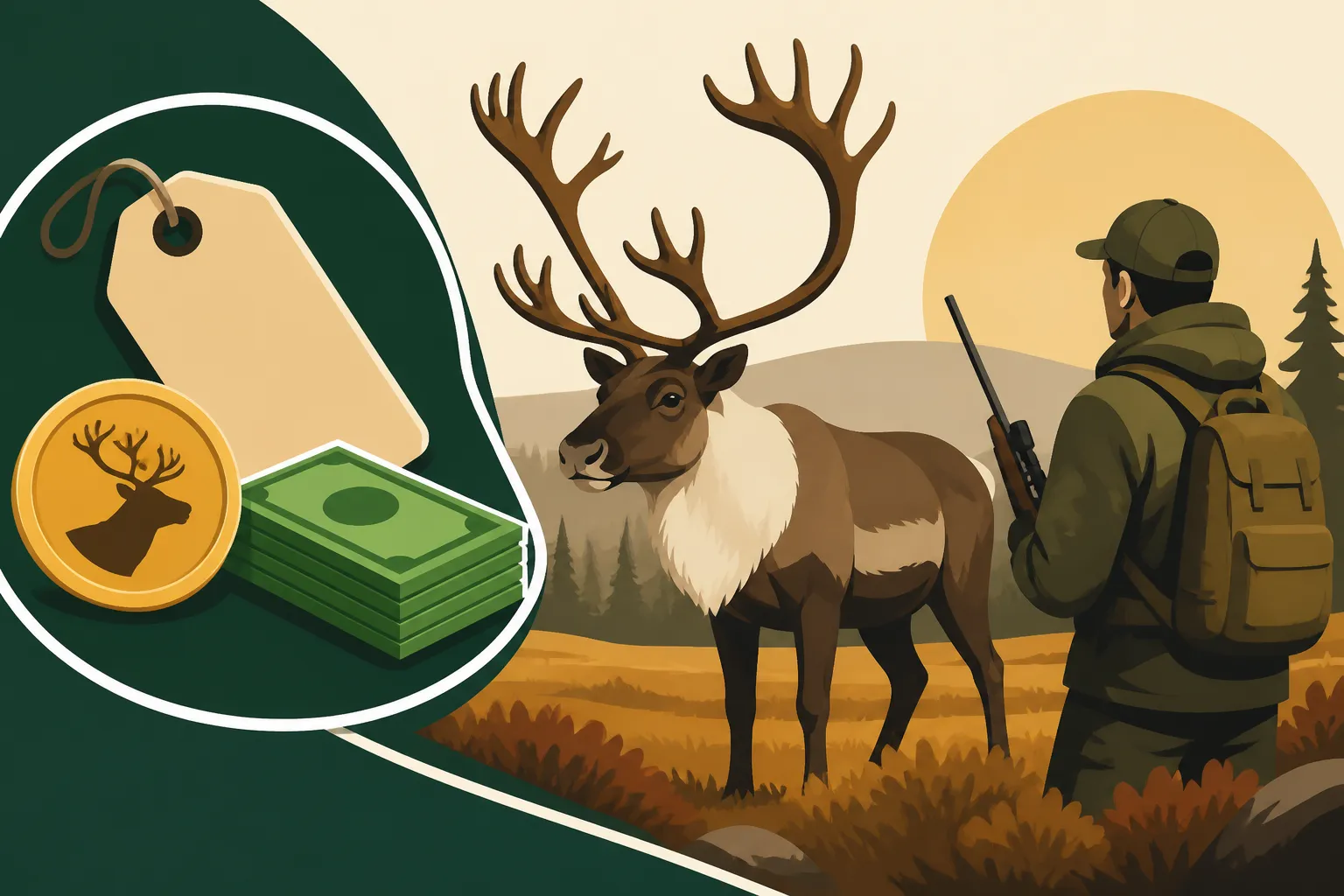
First and foremost, the price you see for a hunting package almost universally does not include your hunting licence and caribou tag. These are separate purchases you'll need to make. As a non-resident, your Manitoba Caribou Licence Rules will require you to purchase a Manitoba hunting licence and a specific caribou tag. The cost of these can be substantial, and they are mandatory. It's crucial to check the current rates directly from the Manitoba government or your chosen outfitter well in advance of your hunt, as these figures can change.
Remember that What Tags and Licences Add to the Bill can be a significant addition to the base package price. For foreign residents (non-Canadians), there's also the requirement to hunt with a licensed Manitoba outfitter, so going it alone is generally not an option for this species. This requirement ensures proper guidance and adherence to regulations in remote areas.
Transportation: From Home to Camp
This is where a significant chunk of your personal expenses will come in. Your guided hunt package usually begins at a designated staging point in northern Manitoba, such as a community like Thompson or Lynn Lake. This means you are responsible for getting yourself, your gear, and your firearms to that staging point.
This typically involves:
- Commercial Flights: Flying from your home airport to Winnipeg, Manitoba.
- Connecting Flights/Ground Travel: Arranging further travel from Winnipeg to the northern staging community. This could be another commercial flight or, less commonly, a long drive.
- Charter Flights: This is the big one. From the staging community, you'll board a charter plane (often a float plane) to take you directly to the remote caribou camp. This flight, while sometimes included in premium outfitter packages, is often an additional cost, or a specific portion of the package price is allocated to it. The cost is based on distance, aircraft size, and fuel. Flying North for Manitoba Caribou is an adventure in itself, but it comes with a price tag. You'll also need to be mindful of weight limits on these small aircraft; every ounce counts, so pack strategically. What a Fly-In Camp Weight Limit Means is something every remote hunter learns quickly.
Camp Life and Guiding Services
Once you arrive at the remote camp, this is where the core of your outfitter's package comes into play. A typical caribou hunt package will include:
- Lodging: This could range from comfortable heated tents to more permanent cabins, depending on the outfitter and location. Expect basic, functional accommodations suitable for remote wilderness.
- Meals: Outfitters provide hearty, wilderness-appropriate meals designed to fuel strenuous hunting days. This generally includes breakfast, a packed lunch for the field, and a hot supper.
- Guiding Services: This is the invaluable part. You'll have experienced guides who know the terrain, understand caribou behavior, and can lead you to potential hunting spots. They assist with spotting, stalking, field dressing, and retrieving your animal. What a Licensed Manitoba Guide Provides goes beyond just finding game; it includes safety, navigation, and ensuring you have a positive experience.
- Field Preparation: Once you harvest a caribou, guides will assist with field dressing and preparing the meat for transport. They'll also help cape the animal for taxidermy if you plan to take a trophy. Packing Caribou Out to a Float Plane is a rigorous task, and your guides are essential in making sure it's done correctly and efficiently.
To give you a clearer picture, here's a general breakdown of typical inclusions and exclusions:
| Feature | Typically Included | Often Excluded (Additional Cost) |
|---|---|---|
| Guiding | Professional guide services (1:1 or 2:1 ratio) | Extra guide for specialized needs |
| Lodging | Tent camps or basic cabins | Premium lodge accommodations (if offered) |
| Meals | All meals in camp | Alcohol, special dietary requests (sometimes) |
| Field Prep | Field dressing, quartering, caping | Transport of trophy/meat from final staging to home |
| Camp Gear | Tents, cots, cooking equipment, generators | Personal sleeping bags, hunting gear, optics |
| Transport | Charter flight from staging town to camp (often) | Commercial flights to Winnipeg/Staging town, excess baggage |
| Other | Satellite phone access for emergencies | Hunter education, firearms licensing |
| No. of Animals | Opportunity for one caribou (check specific tag) | Second animal tag (if available and purchased) |
What to Expect Regarding Caribou Hunt Prices (General Ranges)
Now for the question on everyone's mind: what do these hunts actually cost? While I can't give you exact figures that would instantly be out of date, I can tell you that a guided caribou hunt in northern Manitoba is a significant investment. It's not a budget hunt, nor should it be, given the unique experience and logistical challenges involved.
Entry-Level vs. Premium Experiences
When we talk about "entry-level" for a Manitoba caribou hunt, it's important to set realistic expectations. There isn't really a "cheap" caribou hunt simply because of the remote access. Even the most basic fly-in, tent camp experience will be a substantial cost due to the aircraft expenses alone.
- Entry-Level (or more accurately, Standard Guided): These hunts generally involve comfortable, but rustic, tent camps or basic cabins. You'll have dedicated guides, good food, and solid field support. The focus is squarely on the hunt itself, providing a rugged yet effective wilderness experience.
- Premium Experiences: These might involve more luxurious camps with amenities like dedicated chefs, more permanent structures, showers, and potentially more personalized guide ratios (e.g., truly 1-on-1 throughout the hunt). These hunts often cater to those looking for a higher level of comfort alongside the adventure. The core hunting experience remains the same, but the "camp life" aspect is enhanced.
Regardless of the "level," expect prices for guided Manitoba caribou hunts to be in the multiple thousands of dollars. This is comparable to other premier big game hunts in remote northern regions of North America. It's a once-in-a-lifetime (or at least once-in-a-few-lifetimes) experience for many, and the pricing reflects that. What a Manitoba Guided Hunt Costs for caribou will always sit at the higher end of the spectrum for big game.
Additional Costs Beyond the Package Price
Beyond the outfitter's package and your travel to the staging area, there are several other costs you must budget for:
- Licences and Tags: As mentioned, these are separate. Check Manitoba Big Game Tag Costs for the current rates, but be prepared for these to add a few hundred dollars to your overall bill.
- Gratuities: Tipping your guides and camp staff is standard practice and greatly appreciated in the hunting industry. It's customary to budget a percentage of your hunt cost for gratuities. Guides often work incredibly long hours in challenging conditions to ensure your success and comfort.
- Meat Processing and Shipping: After the hunt, you'll need to decide what to do with your caribou meat. Some hunters arrange for local processing in northern communities, while others may opt to have it shipped home. Shipping game meat can be complex and costly, especially from remote locations.
- Taxidermy: If you harvest a trophy bull, you'll incur costs for caping, skull cleaning, and potentially shipping the cape and antlers to your taxidermist of choice. This can be a substantial expense on its own.
- Travel Insurance: For such a significant financial investment and a trip to a remote location, comprehensive travel insurance (including trip cancellation and emergency medical evacuation) is highly recommended. Unforeseen circumstances like weather delays, medical emergencies, or personal issues can derail a trip, and insurance can provide crucial protection.
- Personal Gear and Ammunition: While not a "hunt price," ensuring you have appropriate cold-weather gear, optics, a reliable rifle, and enough ammunition is essential and adds to your overall expenditure. You'll be Hunting Safely in Deep Winter Cold or at least very chilly conditions, so good gear is paramount.
Finding and Vetting Outfitters for Caribou Hunts
With such a significant investment on the line, choosing the right outfitter is absolutely critical. You want a reputable operation with a proven track record.
Start by researching outfitters that specifically offer caribou hunts in Manitoba. Platforms like BookYourHunt and GoHunt can be excellent resources for finding outfitters, reading reviews, and comparing packages. These sites allow you to filter by species and location, making it easier to narrow down your options.
Once you have a few potential outfitters in mind, here are some key steps:
- Contact Them Directly: Engage in thorough communication. Ask detailed questions about what's included, what's not, success rates, camp facilities, guide-to-hunter ratios, and their emergency protocols.
- Ask for References: Any reputable outfitter will be happy to provide contact information for past clients. Call these references and ask candid questions about their experience.
- Check Licences and Permitting: Ensure the outfitter is properly licensed to operate in Manitoba and has all the necessary permits for the areas they hunt.
- Review Contracts: Read the hunt contract carefully, paying attention to payment schedules, cancellation policies, and what happens in the event of unforeseen circumstances like weather delays.
Booking a Manitoba caribou hunt is a big decision and a thrilling prospect. By understanding the pricing structure and all the associated costs, you can plan effectively and embark on this incredible northern adventure with confidence.
Disclaimer
This article is for general informational purposes only and does not constitute professional advice. Laws, prices and regulations vary by location and change over time. Consult a qualified professional for guidance on your specific situation.