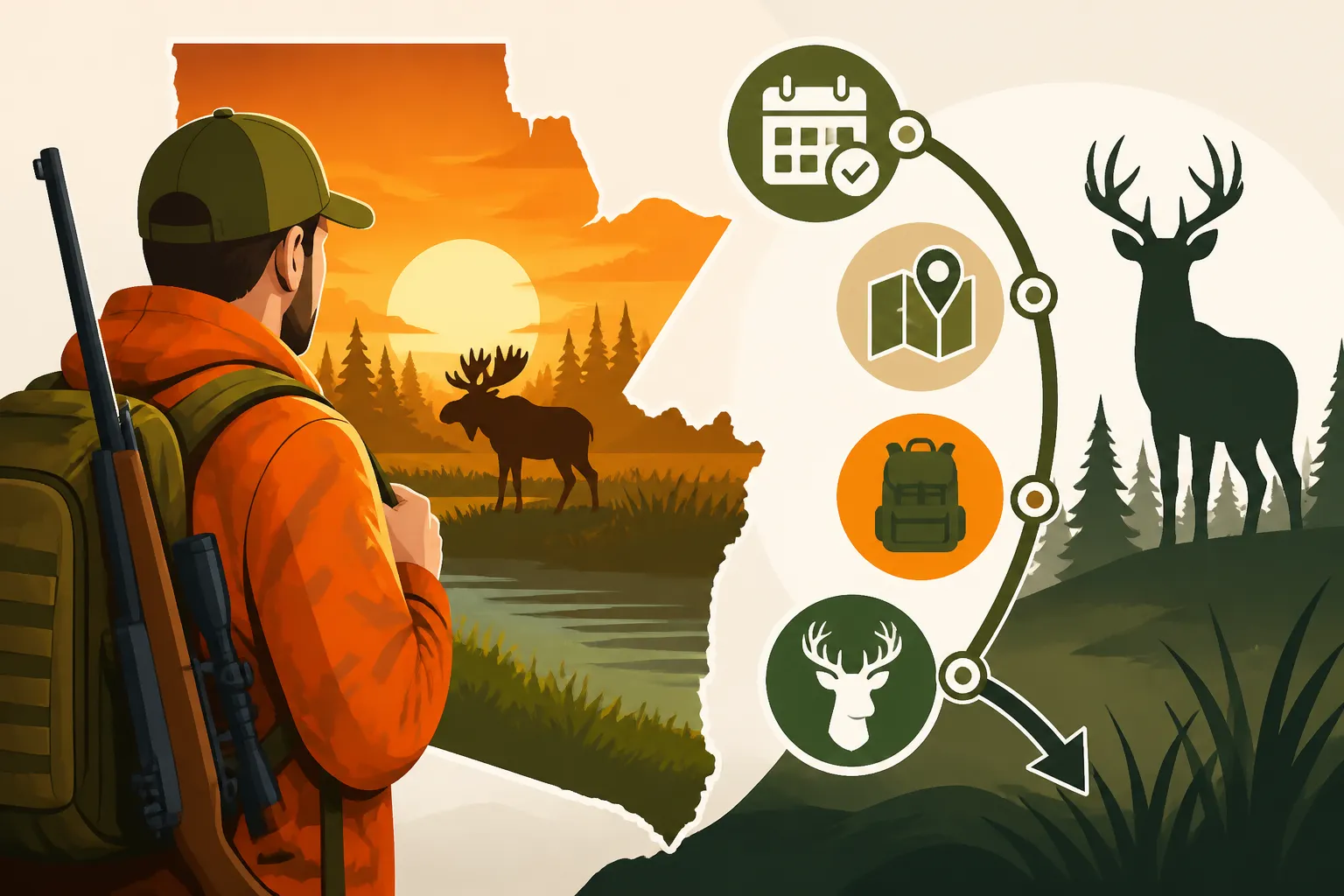
Manitoba Trip Planning Timeline
Planning a Manitoba hunting trip can feel like trying to solve a puzzle with a constantly shifting board, especially with all the variables—species, season dates, draw deadlines, and outfitter availability. It's easy to get overwhelmed and miss crucial steps, which can derail your dream hunt before it even begins. This guide is designed to provide you with a clear, realistic timeline, breaking down the complex process into manageable steps so you can confidently plan your next Manitoba adventure, whether it's for whitetails, black bears, or a flock of migrating geese.
Why a Thoughtful Timeline Is Your Best Hunting Partner
You've heard the saying, "failure to plan is planning to fail," and nowhere is that truer than when organizing a significant hunting trip, especially one that might involve crossing borders or navigating complex draw systems. Rushing things or missing key deadlines in Manitoba can lead to disappointment, wasted money, and a lot of unnecessary stress. Trust me, I've seen it happen.
Avoiding Common Planning Pitfalls
One of the biggest frustrations hunters face when planning a trip is the sudden realization that they've missed a critical deadline. Maybe it's the application window for a coveted moose draw, or perhaps all the reputable outfitters are completely booked solid for the prime whitetail rut weeks. These aren't minor hiccups; they can mean delaying your hunt by an entire year, or settling for a less-than-ideal experience. It's like showing up to the grocery store on a Sunday evening expecting a prime cut of steak, only to find the shelves bare.
Beyond deadlines, inadequate preparation can be a real problem. Hunters might arrive ill-equipped for Manitoba's notoriously cold late-season weather, or discover their optics aren't up to par for glassing vast fields. Sometimes, it's simply a lack of understanding of the local regulations, leading to potential legal issues. A structured timeline helps you systematically address these potential pitfalls, ensuring you're not caught off guard by something that could have been easily foreseen.
Maximizing Success and Enjoyment on Your Hunt
A well-planned trip isn't just about avoiding problems; it's about setting yourself up for the best possible experience. When all the logistical pieces are smoothly in place, you can focus your energy where it matters most: on the hunt itself. Imagine sitting in your stand or blind, fully confident in your gear, your understanding of the rules, and the fact that every detail has been handled. That peace of mind allows you to truly immerse yourself in the wilderness, appreciate the challenge, and focus on ethical hunting.
Moreover, good planning often opens up better opportunities. The best outfitters, the prime hunting dates, and the most desirable draw tags are often secured well in advance. By starting early and following a timeline, you put yourself in a position to access these premium experiences, significantly increasing your chances of a successful and memorable hunt. It’s the difference between grabbing the last-minute scraps and having your pick of the feast.
The "Long Game": 12+ Months Out from Your Hunt
This is where the dream begins to take shape. For many species in Manitoba, especially those requiring special draws or prime-time bookings with outfitters, the planning needs to start a full year, or even more, in advance. Don't underestimate this phase; it lays the entire foundation for your trip.
Defining Your Hunting Goals
Before you even think about dates, sit down and truly consider what kind of hunting experience you're after. Are you dreaming of a monster whitetail buck taken during the intense November rut? Or perhaps the challenge of calling a bull moose in the vast boreal forest? Maybe a spring black bear hunt with a good chance at a colour phase bear is on your radar. Each of these goals dictates a very different planning path. Think about your preferred weapon too: are you a bowhunter, rifle hunter, or do you prefer a muzzleloader? This choice impacts season dates and regulations. White-Tailed Deer, Manitoba's Most Hunted Animal and Moose Across Manitoba's Boreal Forest are completely different hunts, so your initial decision here is paramount.
Consider also the type of hunt. Do you want a wilderness backcountry experience, or a comfortable lodge with all the amenities? Are you looking for a solo challenge, a trip with a few close friends, or a father-son adventure? These choices will narrow down your options significantly, helping you focus your research. Don't forget about other possibilities like Black Bear Hunting in Manitoba, which can be an incredible experience on its own.
Researching Species, Seasons, and Game Hunting Areas
Once your goals are clear, dive deep into research. Start by looking at the specific species you're interested in and understanding their habitats, behaviours, and peak hunting times in Manitoba. For instance, the whitetail rut typically peaks in November, but early archery seasons offer a different kind of challenge. Consult the provincial hunting guide to understand the various Game Hunting Areas (GHAs) and their specific regulations and season dates. Manitoba Big Game Season Dates will be your bible here, detailing when you can legally pursue your target.
Pay close attention to population trends and success rates in different GHAs. Some areas consistently produce larger animals or offer higher success rates due to habitat, hunter pressure, or conservation efforts. This is where platforms like GoHunt can be invaluable for gathering detailed information and mapping out potential areas. Understanding these nuances will help you make informed decisions about where and when to hunt, ensuring you're not planning a trip to an area with low game density or unfavorable conditions.
Considering Guided vs. DIY Hunts
This is a pivotal decision that profoundly impacts your timeline and budget. For non-resident hunters, Manitoba has specific rules about which species require a licensed outfitter and guide. For example, foreign residents must use a licensed guide for big game. Even if not required, a guided hunt can offer immense benefits, especially for first-timers to the province, providing expertise, access to private land, and all the logistics handled. If you’re considering a guided experience, begin researching outfitters that specialize in your target species and GHA.
If you're leaning towards a do-it-yourself (DIY) hunt, your focus shifts to securing private land access or thoroughly scouting public lands. This often involves knocking on doors for Getting Private Land Permission in Manitoba or poring over maps of Crown Land and Wildlife Management Areas. For guided hunts, this is the stage where you'd be looking at various outfitter packages. Online platforms like BookYourHunt can be excellent resources for comparing outfitters, reading reviews, and understanding what different packages include for species like Booking a Manitoba Whitetail Hunt or Booking a Manitoba Black Bear Hunt.
Entering Big Game Draws
For highly sought-after species like moose and elk, Manitoba operates a big game draw system. This means you can't just buy a tag over the counter; you have to apply and hope your name is drawn. The application period for these draws is usually early in the year, often opening in the late winter or early spring for hunts in the fall. Missing these deadlines means missing your chance for an entire year. This is arguably the most critical deadline in your entire planning timeline if you're targeting draw species.
Understanding How Manitoba's Draw Application Works is crucial. You'll need to know which GHAs you want to apply for, as odds can vary wildly. Many hunters apply as a party, which can sometimes pool your chances. Researching Manitoba Draw Deadlines and Results is a non-negotiable step for any hunter hoping to pursue these animals. This phase is all about patience and a bit of luck, but you can't win if you don't play, and you can't play if you miss the entry window.
Mid-Range Planning: 6-12 Months Before Your Trip
Congratulations, you've made it past the initial research and draw application phase! Now it's time to solidify your plans and start locking in the key components of your trip. This period is all about making commitments and getting things down on paper.
Booking Your Outfitter or Securing Access
If you decided on a guided hunt, this is the prime window to secure your booking. The best outfitters, especially those known for trophy animals or high success rates, often book up a year or more in advance, particularly for peak season dates like the whitetail rut or spring bear. Get your deposit in, sign the contract, and confirm all the details, including what the package entails and what's not included. This is also the time to clarify expectations around What a Manitoba Guided Hunt Costs and payment schedules.
For DIY hunters, this is when you really start firming up your access. If you're hunting private land, ensure you have explicit written permission from the landowner. If you're focusing on Crown Land or WMAs, this is when you do your extensive map scouting, identifying access points, potential hunting areas, and backup plans. Don't assume access; verify it. This is also a good time to revisit your research on Hunting Whitetails on Manitoba Crown Land or other public land options.
Purchasing Licences and Tags
Once you have your draw results (if applicable) or your outfitter is booked, you'll need to purchase your general hunting licence and any specific tags for the species you plan to harvest. Manitoba has different licence options for residents, Canadian non-residents, and foreign non-residents, and the costs and requirements can vary. Make sure you understand Manitoba Resident Licence Options or Manitoba Non-Resident Licence Options relevant to your situation.
It's common for outfitters to assist non-resident clients with this process, but ultimately, it's your responsibility to ensure you have all the necessary documentation. Check the expiration dates on your licences and tags and make sure they cover your entire hunting period. Don't wait until the last minute, as sometimes there can be unforeseen delays or issues with online portals. Having these in hand early alleviates a lot of stress closer to your departure.
Physical and Shooting Preparation
Hunting in Manitoba can be physically demanding, whether you're navigating dense bush for whitetails, tracking moose through marshy terrain, or hauling decoys for waterfowl. Starting a physical fitness regimen 6-12 months out gives you ample time to get into shape. Focus on cardio, strength training, and exercises that mimic hunting movements like hiking with a pack. You don't need to be a marathon runner, but being able to comfortably walk several miles with gear will make a huge difference in your endurance and enjoyment.
Equally important is your shooting practice. If you're a rifle hunter, spend regular time at the range, ensuring your rifle is sighted in and you're comfortable shooting from various positions at different distances. If you're a bowhunter, practice religiously, particularly from elevated positions if you plan to use a treestand. Consistent practice under different conditions builds muscle memory and confidence, which are critical when that moment of truth arrives. You want to be sure you can make an ethical shot when it counts.
The Final Stretch: 3-6 Months Out
With your hunt secured and physical prep underway, this period focuses on the granular details. This is when you solidify your gear, confirm travel, and double-check all the regulations that will govern your actual hunt.
Gear Assessment and Purchase
Take inventory of all your hunting gear. Lay it all out: clothing, boots, optics, knives, backpacks, calls, scents, first-aid kits. Identify any items that are worn out, missing, or need upgrading. Manitoba weather can be unpredictable and unforgiving, especially during the late fall seasons. Investing in high-quality, weather-appropriate gear is not just about comfort; it's about safety. Think about layered clothing systems, waterproof outer layers, and insulated boots for sitting still in extreme cold. Boots for Sitting Still in Deep Cold and strategies for Staying Warm in a Manitoba Stand are critical if you're hunting late season.
Don't forget specialty items unique to your hunt, such as a sturdy game cart for deer, a good headlamp, or even a satellite communication device if you'll be in remote areas with no cell service. Make these purchases now, allowing plenty of time to test new gear and ensure it functions as expected before you leave. There's nothing worse than discovering a crucial piece of gear isn't quite right once you're already in camp.
Travel Arrangements
This is the time to finalize all your transportation and accommodation details. If flying, book your flights, ensuring you understand airline policies regarding firearms and ammunition. If driving, map out your route, considering potential stops for fuel, food, and rest. Book any hotels you might need for the nights before or after your hunt, especially if you have an early flight or a long drive. If you're using a rental vehicle, confirm your reservation and ensure the vehicle size is adequate for your gear and potential game transport.
For non-residents, remember the rules for Bringing Firearms Into Manitoba and specifically Declaring a Firearm at the Canadian Border. This involves filling out a Non-Resident Firearm Declaration form (form RCMP 5589) in triplicate and paying a fee upon arrival. Having this prepared in advance will save you time and hassle at the border.
Understanding Regulations Deeply
While you've done initial research, now is the time to delve into the finer points of Manitoba's hunting regulations. Pay close attention to specifics like Manitoba's CWD Sampling Requirements if you're hunting in a designated surveillance zone. Understand the Blaze Orange Rules and Exceptions for your specific season and weapon choice, as this can vary. Refresh your knowledge on Legal Firearms and Bows for Big Game to ensure your equipment is compliant.
Don't just skim the regulations; read them thoroughly. There might be specific rules about baiting, calling, or even how you transport your game once harvested. Ignorance of the law is never an excuse, and a violation can result in fines, loss of privileges, and a ruined trip. Your outfitter can be a great resource for clarifying questions, but ultimately, the responsibility rests with you.
Reviewing Hunt Contract Details
If you're on a guided hunt, pull out that contract again. Review everything that was agreed upon, including payment schedules, cancellation policies, and exactly what is included in your package. Understand the expectations regarding tipping your guide and camp staff – How Tipping Works on a Guided Hunt is something you'll want to be clear on to avoid any awkward moments.
Confirm details like transportation from the nearest airport or meeting point, food arrangements in camp, and any specific gear requirements the outfitter might have. Clarity on these points ensures there are no surprises once you arrive. Knowing what to expect, and what's expected of you, will make for a much smoother and more enjoyable experience for everyone involved.
Countdown to Adventure: The Last 1-2 Months
The excitement is building! This period is all about fine-tuning, last-minute checks, and getting yourself mentally prepared for the hunt. You're almost there!
Final Gear Checks and Packing List
About a month or two out, do a complete dry run with your gear. Lay out everything you plan to take and perform one last inspection. Are your boots still waterproof? Does your headlamp have fresh batteries? Is your backpack comfortable and adjusted correctly? If anything needs a quick repair or replacement, you still have time. Create a comprehensive packing list and use it meticulously. Include everything from your hunting licence and tags to your toothbrush and extra socks.
Think about the contingencies: what if it rains relentlessly, or a sudden cold snap hits? Pack accordingly. Consider bringing a small, dedicated "day pack" for essentials you'll carry into the field each day, like water, snacks, a first-aid kit, and an emergency shelter. Having a well-organized and thoroughly checked kit will boost your confidence and reduce stress.
Practice, Practice, Practice
Continue your physical training, but now focus on maintaining peak conditioning. Step up your shooting practice, especially under conditions that simulate hunting situations. Practice with the layers of clothing you plan to wear. If you're a bowhunter, practice from odd angles or kneeling positions. If you're a rifle hunter, practice quick target acquisition and shooting off-hand if needed.
The goal here isn't just accuracy, but proficiency and confidence. You want to be able to perform under pressure, when your adrenaline is pumping and the moment of truth arrives. A confident shot is an ethical shot, and that comes from repetition and preparation.
Confirming All Reservations
Reach out to your outfitter, airline, hotel, and any other booked services to reconfirm your reservations and arrival times. This simple step can prevent huge headaches. Sometimes schedules change, or bookings get lost, and a quick call or email can catch these issues before they become problems. If you're using a rental car, confirm the pick-up location and time.
For DIY hunters, this might mean a final check-in with landowners who granted you access, or a review of current local conditions, like road closures or weather forecasts. Platforms like GoHunt might offer relevant updates or insights into conditions in your chosen hunting areas, helping you fine-tune your approach based on the most current information.
Mental Preparation and Expectations
Hunting is as much a mental game as it is a physical one. Start mentally preparing for the hunt. Visualize successful scenarios, but also acknowledge that not every hunt ends with a trophy animal. Embrace the experience, the camaraderie, the challenge, and the connection with nature. Managing your expectations is key to enjoying the trip regardless of the outcome.
Discuss expectations with your hunting partners or outfitter. What are the realistic success rates? What kind of effort is required? Being on the same page will prevent misunderstandings and contribute to a positive atmosphere throughout the trip. Remember, the journey and the experience are often just as valuable as the harvest itself.
Arrival and On-The-Ground Preparation
You've made it! The long planning journey is almost over, and the adventure is about to begin. These final steps ensure a smooth transition from travel to active hunting.
Border Crossing and Firearm Declaration
For non-residents arriving by vehicle, your first major step in Manitoba will be the border crossing. Have your passport, Non-Resident Firearm Declaration form (RCMP 5589) completed in triplicate (but unsigned), and any other required travel documents readily available. Be honest and polite with the border agents. They're there to ensure safety and compliance. Declare all firearms and ammunition, and be prepared for them to inspect your vehicle and weapons. As mentioned before, understanding Declaring a Firearm at the Canadian Border is paramount. This process, while sometimes intimidating, is usually straightforward if you're prepared.
If flying into Winnipeg, you'll go through a similar process at the airport with Canada Border Services Agency (CBSA). Ensure your firearms are properly cased and secured according to airline regulations. This is not the time for surprises; transparency and preparation are your best friends here.
Meeting Your Outfitter or Scouting Your Area
Once you've cleared customs and reached your destination, you'll either meet your outfitter or begin your final scouting. If guided, your outfitter will typically provide a briefing, outlining the plan for the coming days, reviewing safety protocols, and assigning guides. This is your chance to ask any lingering questions and get to know the team you'll be hunting with.
For DIY hunters, this is the crucial "boots on the ground" scouting period. Drive the roads, walk potential access points, and look for fresh sign. The conditions might have changed since your last satellite imagery review. Pay attention to wind direction, game trails, food sources, and bedding areas. This last-minute intelligence can be invaluable in refining your hunting strategy.
Settling In and Relaxing
After all that planning and travel, take a moment to settle into camp or your accommodations. Unpack your essential gear, get your weapons organized, and ensure you have easy access to what you'll need for the next day's hunt. Get to know your fellow hunters if you're in a shared camp.
The goal here is to transition from travel mode to hunting mode. Get a good night's rest, eat a solid meal, and allow yourself to relax. The hard work of planning is mostly behind you; now it's time to enjoy the culmination of your efforts and embrace the adventure that lies ahead in Manitoba's wild.
| Planning Phase | Key Activities | Why It's Important |
|---|---|---|
| 12+ Months Out | Define goals, research species/GHAs, consider guided/DIY, enter draw. | Secures prime opportunities (draws, outfitters); sets fundamental direction; avoids missing critical deadlines. |
| 6-12 Months Out | Book outfitter/secure access, purchase licenses/tags, begin physical/shooting prep. | Locks in your hunt; ensures legal compliance; builds essential skills and endurance for the field. |
| 3-6 Months Out | Assess/buy gear, finalize travel, deep dive into regulations, review contract. | Ensures you're properly equipped for Manitoba conditions; smooths logistics; prevents legal issues and misunderstandings with outfitters. |
| 1-2 Months Out | Final gear checks, intense practice, confirm all reservations, mental prep. | Catches last-minute issues; hones hunting skills; solidifies peace of mind; manages expectations for a positive experience. |
| Arrival & On-Ground | Border crossing/firearms, outfitter briefing/scouting, settle in. | Ensures legal entry for non-residents; aligns with outfitter or refines DIY strategy; allows for relaxation before the hunt begins. |
Disclaimer
This article is for general informational purposes only and does not constitute professional advice. Laws, prices and regulations vary by location and change over time. Consult a qualified professional for guidance on your specific situation.