How Tipping Works on a Guided Hunt
Booking a guided hunt is an exciting adventure, full of anticipation for the wide-open spaces of Manitoba and the pursuit of your chosen game. Yet, for many, an unspoken anxiety often bubbles up alongside that excitement: the delicate art of tipping. You’ve already poured considerable funds into the trip itself, and now you’re wondering how much more to budget, who gets what, and when. It’s a common conundrum, and one that can make even seasoned hunters feel a little awkward. This guide is here to demystify the process, helping you understand the nuances of tipping on a guided hunt in Manitoba so you can show your appreciation confidently and appropriately.
Understanding the Culture of Tipping in Hunting
Tipping is a long-standing tradition in many service industries, and guided hunting is no exception. It’s not just a nice gesture; for many guides and camp staff, tips form a significant portion of their income and are a direct reflection of the service they provide. When you embark on a hunting trip, especially to remote corners of Manitoba, you're not just paying for access to game; you're investing in the expertise, hard work, and dedication of a team.
Why Tipping is Expected on Guided Hunts
Think about it this way: your guide is often the first one up and the last one to bed, long after you've settled into your bunk or tent. They're out scouting, checking baits, setting up stands, tracking game, cooking meals, cleaning camp, and ensuring your safety in what can be challenging terrain. This isn't a 9-to-5 job; it's a lifestyle driven by passion, but it's also how they make their living. The base fee for a hunt usually covers the outfitter's operational costs – licences, permits, equipment, fuel, food, insurance, and paying their staff a base wage. Tips are the way clients acknowledge the exceptional effort and personalized service they received. It’s a direct recognition of their dedication, their knowledge of Manitoba's Game Hunting Areas, and their tireless work ethic that often goes above and beyond what's strictly required.
The "Hidden Costs" of a Guide's Life
Being a hunting guide is far from glamorous all the time. There's a massive amount of behind-the-scenes work and personal investment that clients rarely see. Guides often own their own vehicles, ATVs, snowmobiles, boats, and a vast array of specialized gear, all of which require constant maintenance and upgrades. They spend countless hours in the off-season scouting, maintaining trails, building stands, and preparing camp. There's the physical toll of packing out heavy game, often in challenging weather, and the mental stamina required to remain positive and proactive even when the hunting is slow. Many guides are away from their families for weeks or months at a time. Tips directly contribute to their ability to cover these personal operational costs, to sustain themselves through the off-season, and to continue pursuing a profession they love. It allows them to maintain the level of equipment and dedication that makes your hunting experience in places like Manitoba's Parkland Region or Manitoba's Northern Boreal successful.
Who to Tip and What Roles They Play
A guided hunt is rarely a solo performance by one individual. It's a team effort, and recognizing the contributions of everyone involved is crucial. Depending on the type and scale of your hunt, you might interact with several key players, all of whom contribute to the success and enjoyment of your trip.
Your Primary Guide
This is typically the individual who spends the most time with you in the field. They are your direct link to the hunting experience, sharing their deep knowledge of the land, the game, and the hunting methods. Whether they're helping you set up a treestand for Whitetail Hunting in Manitoba, calling a bull moose in the boreal forest, or spotting geese in a vast stubble field, their dedication is paramount. Your primary guide is responsible for your safety, your comfort, and, ultimately, putting you in a position to harvest game. They interpret sign, navigate unfamiliar terrain, offer encouragement, and often become a friend over the course of the hunt. This person's effort, attitude, and skill are usually the main drivers behind your tipping decision. Their role is hands-on and direct, making their tip often the largest single portion.
Camp Staff and Support Crew
Beyond your guide, a whole crew often works tirelessly behind the scenes to make your hunt seamless. This can include cooks who prepare hearty meals, camp assistants who keep the lodge clean and stocked, wranglers if horses are used, and meat handlers or skinners who help with game recovery and initial processing. While you might not spend as much direct time with them, their contributions are vital. A good cook can turn a cold, tiring day into a warm, comforting evening, and efficient camp staff ensure you're well-rested and prepared for the next day's adventure. In larger operations, particularly those with a dedicated lodge, these individuals make a huge difference to your overall experience. Don't forget their contributions when considering Tipping the Cook and Camp Staff.
The Outfitter or Lodge Owner
This is where things can get a little nuanced. Generally, the outfitter or lodge owner is the business owner; they set the prices, manage the operation, and often hire the guides and staff. Their income is derived from the overall cost of the hunt. In most cases, it is not traditional to tip the outfitter directly, unless they also served as your primary guide throughout the hunt. If the owner was your dedicated guide, then a tip is absolutely appropriate for their guiding services. However, if they simply oversee the operation and perhaps check in with you occasionally, your tip is usually directed towards the guides and staff who provided the direct, daily service. If you're unsure, it's always acceptable to ask about their specific policy when you're Questions to Ask Before Booking with an outfitter, perhaps when you're researching on a platform like BookYourHunt.
How Much to Tip: General Guidelines and Factors to Consider
Deciding on the right amount to tip can feel like walking a tightrope. You want to be generous for good service, but also realistic about your budget. There are general industry standards, but personal experience and specific circumstances should always play a role in your final decision.
Percentage-Based Tipping
The most common way to approach tipping on a guided hunt is by using a percentage of the total trip cost (excluding licenses, permits, and tax). While there's no hard and fast rule, a good range to consider for excellent service from a primary guide is typically 10% to 20% of the hunt's base cost. For exceptional service that truly exceeded your expectations, some hunters might go higher. For camp staff, a general guideline is to allocate a smaller percentage of the total tip pool, or a flat amount per person per day. It’s always best to inquire about the outfitter's preferred tipping structure or general expectations, as some might have their own recommendations. When you're comparing different operations, perhaps on a resource like GoHunt, keep in mind that What a Manitoba Guided Hunt Costs might influence your overall tipping budget.
Performance-Based Adjustments
This is where the human element truly comes into play. While 10-20% is a solid starting point, your personal experience should dictate the final amount. Consider these factors:
- Effort and Dedication: Did your guide work tirelessly, despite challenging conditions or slow hunting? Were they consistently positive, proactive, and committed to making your hunt successful, even if you didn't harvest an animal? Effort is paramount.
- Knowledge and Skill: Was your guide highly knowledgeable about the area, the game, and hunting techniques? Did they demonstrate exceptional tracking, calling, or spotting abilities?
- Safety and Professionalism: Did they prioritize your safety at all times? Were they professional, courteous, and respectful?
- Customer Service: Did they go out of their way to ensure your comfort, answer your questions, and enhance your overall experience? This includes everything from preparing a warm drink on a cold morning to telling great stories around the campfire.
- Success vs. Effort: It's crucial to remember that a tip is for service, not just for harvesting an animal. If your guide put in 110% effort, knew their stuff, and was great company, but luck just wasn't on your side, they still deserve a generous tip. Bad weather, changing animal patterns, or simply the unpredictable nature of hunting are rarely the guide's fault. A true professional always focuses on providing the best opportunity and experience.
Considering the Trip's Overall Cost
The total cost of your guided hunt can vary wildly, from a multi-species northern expedition for Barren-Ground Caribou Hunting in Northern Manitoba and wolf, to a single-species deer hunt. Naturally, a 15% tip on a $10,000 hunt is a much larger sum than on a $3,000 hunt. Keep this in mind. While the percentage might remain constant, the absolute dollar amount can be substantial. Some hunters on very high-end trips might adjust their percentage down slightly, while others might stick firmly to the higher end of the range, recognizing the incredible investment the outfitter and guides have made in their infrastructure and expertise. It's about finding a balance that feels right for you and appropriately rewards the service received.
Here's a general table outlining common tipping considerations:
| Service Aspect | Impact on Tip | Notes |
|---|---|---|
| Guide's Effort | High | Tireless work, long hours, persistent scouting/tracking. Most important factor. |
| Guide's Knowledge | High | Expertise in game, habitat, hunting techniques. |
| Guide's Professionalism | High | Safety focus, clear communication, positive attitude. |
| Camp Staff Service | Moderate | Excellent cooking, clean camp, helpfulness. |
| Success of Hunt | Low to Moderate | While a harvest is great, effort and experience are tipped, not just the kill. Don't punish for bad luck. |
| Overall Experience | High | Your enjoyment, comfort, and memories created. |
| Hunt Duration | Can influence total | A longer hunt implies more sustained effort from staff, potentially warranting a higher overall tip amount. |
| Hunt Difficulty | Can influence total | More challenging hunts (e.g., remote, physically demanding) often involve greater guide effort. |
When and How to Present Your Tip
The manner and timing of your tip can be as important as the amount itself. It’s about showing respect and ensuring your gesture is well-received.
Timing is Everything
The ideal time to present your tip is at the very end of your hunt, just before you depart camp. This allows you to fully evaluate the entire experience and express your gratitude for all the services rendered. Tipping too early might feel premature, and waiting until after you've left can be awkward or missed entirely. Gather your thoughts, perhaps write a small thank-you note, and approach your guide and the outfitter (if applicable) privately. For camp staff, you might either tip them individually if the outfitter hasn't provided guidance, or leave a pooled amount with the outfitter to distribute. It's an important part of the overall Etiquette in a Manitoba Hunting Camp.
Cash is King (and Other Methods)
In the guiding industry, cash is overwhelmingly preferred for tips. There are several reasons for this:
- Immediate Access: Guides and staff often work for extended periods in remote locations and appreciate having cash directly.
- Discretion: It allows the recipient to manage their tips privately.
- Simplicity: It avoids any processing fees or delays associated with credit card payments or cheques.
- Tax Implications: For the recipient, cash can be simpler to manage from a tax perspective, though ethical reporting is still key.
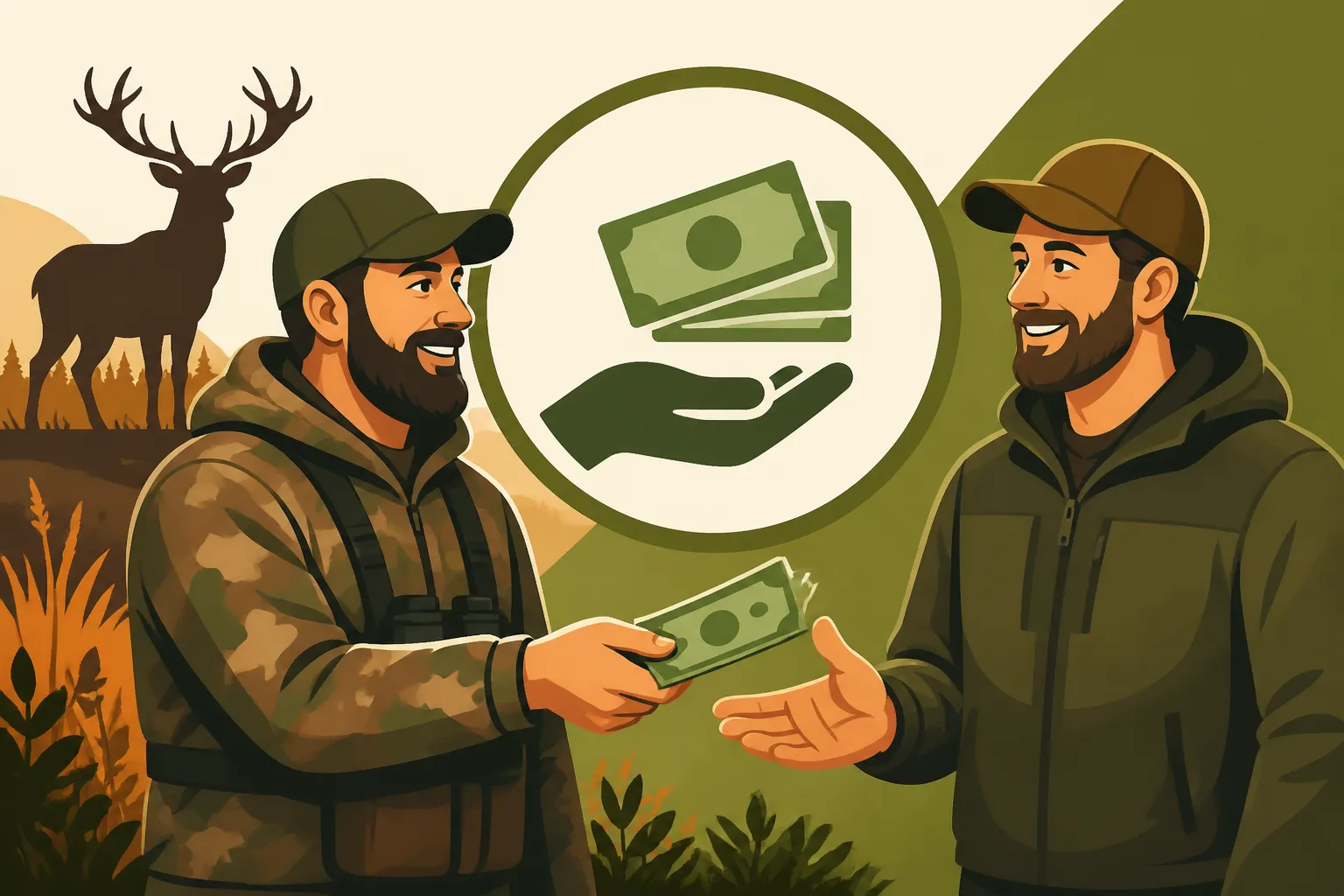
Always bring enough cash for your intended tip amount, especially if you're heading to a remote fly-in camp in Manitoba's Far Northern GHAs where ATMs are non-existent. Place the cash in an envelope for each individual or for the pooled staff, and present it discreetly and personally. If cash isn't feasible for a portion of the tip, discuss it with the outfitter beforehand. Some outfitters might allow you to add a tip to a credit card payment, but be aware that they may deduct a processing fee, which can diminish the actual amount the guide receives.
Splitting Tips Among Staff
If you're tipping camp staff, you have a couple of options:
- Individual Tips: If you know who did what and want to recognize specific individuals (e.g., an amazing cook, a particularly helpful wrangler), you can tip them directly and individually.
- Pooled Tip: Often, hunters will give a lump sum to the outfitter or head guide and ask them to distribute it fairly among the general camp staff (cooks, cleaners, etc.). This is often a good approach if you're unsure of all the names or specific duties of each person.
It's a good idea to clarify with the outfitter before your trip how they prefer tips for camp staff to be handled. They can often provide guidance on What a Guide Fee Actually Covers and what is considered an appropriate tip for various roles.
Common Tipping Dilemmas and Etiquette
Even with guidelines, specific situations can make tipping feel tricky. Let's tackle some common dilemmas you might face.
When the Hunt Doesn't Go as Planned
This is perhaps the most common source of tipping anxiety. What if you didn't harvest an animal? What if the weather was terrible, and hunting was tough? This is where the crucial distinction between effort and outcome comes in. A tip is primarily for the guide's effort, professionalism, and dedication, not solely for a successful kill.
If your guide worked their tail off, knew the country, kept you safe, and maintained a positive attitude despite challenging circumstances, they absolutely deserve a good tip. They can't control the weather, the animal's movements, or your shooting abilities. Punishing a guide with a reduced or withheld tip because you didn't get your animal is unfair, as it often reflects factors beyond their control. Think about the memories made, the lessons learned, and the sheer effort put in. Even if Success Rates on Manitoba Whitetail Hunts aren't 100%, the guide's dedication should be.
However, if the hunt was genuinely poor due to negligence, lack of effort, unsafe practices, or unprofessional conduct on the guide's part (which is rare with reputable outfitters), then you would adjust your tip accordingly. This leads us to the next point.
What if Service Was Poor?
This is a tough one, and thankfully, it's not a common occurrence with legitimate outfitters. If you genuinely feel the service was subpar due to a guide's lack of effort, disinterest, unsafe practices, or unprofessionalism, you have the right to adjust your tip down. However, don't use the tip as a means of passive-aggressive complaint.
If you had a truly negative experience, it's far more effective and respectful to:
- Communicate Directly: Have a calm, honest conversation with the outfitter or head guide about your concerns before you leave. Give them a chance to address the issues.
- Provide Constructive Feedback: Explain specific instances where you felt the service fell short. This feedback is invaluable for the outfitter to improve their operation.
- Adjust Your Tip Rationally: If, after this conversation, you still feel a reduction is warranted, make that decision. But ensure it's based on demonstrable poor service, not just a missed opportunity to harvest.
Remember, Reading Outfitter Reviews Honestly can help you vet potential outfitters and avoid these situations in the first place.
Asking the Outfitter Directly
The best way to avoid any awkwardness or confusion is to simply ask the outfitter about their tipping expectations or norms when you book your trip. A reputable outfitter will be transparent and happy to provide guidance. They might offer a range, suggest a percentage, or explain how tips are pooled and distributed among their staff. This conversation can happen when you're going over What an Outfitter Needs From You Beforehand or discussing What is Never Included in a Package. Don't be shy; it shows you're being considerate and prepared. Many use booking platforms like BookYourHunt or GoHunt which might have sections on common questions, but a direct email or phone call is best for this specific detail.
Beyond the Cash: Other Ways to Show Appreciation
While cash tips are the primary way to show monetary appreciation, there are other meaningful gestures that can leave a lasting positive impression and strengthen your relationship with an outfitter and their team.
Thoughtful Gestures
Sometimes, a small, personalized gift can mean a lot. This isn't a substitute for a cash tip, but an addition. Consider things like:
- Quality Gear: A new knife, a headlamp, a good pair of gloves, or a piece of hunting apparel can be a welcome practical gift for a guide.
- Local Delicacies: If you come from an area known for a particular food or drink, sharing that with the camp can be a nice touch.
- Thank-You Notes: A handwritten note expressing specific appreciation for your guide's efforts and the staff's service can be incredibly impactful. It's a tangible reminder of a good experience.
- Sharing Photos: Offering to share high-quality photos or videos from your hunt with the outfitter and guide is often appreciated for their own memories or for their marketing efforts.
These gestures show a level of personal consideration that goes beyond a transactional tip, fostering a genuine connection.
Referring Friends and Future Bookings
One of the most valuable forms of appreciation you can offer an outfitter is a positive review and a referral.
- Online Reviews: Take the time to write a detailed, honest, and positive review on hunting forums, social media, or dedicated outfitter review sites. This helps other hunters find reputable operations and directly benefits the outfitter's business.
- Word-of-Mouth: Tell your friends, family, and fellow hunters about your fantastic experience. Personal recommendations are gold in the hunting community.
- Rebooking: If you had a great time, consider Booking a Manitoba Hunt a Year Ahead or even sooner for your next adventure. Repeat business is a strong indicator of satisfaction and a testament to the outfitter's quality.
These actions provide long-term benefits to the outfitter and guide, often more enduring than a single cash tip, and help solidify their reputation in the competitive world of guided hunts. Whether it's a Black Bear Hunting in Manitoba trip or a waterfowl hunt in the grain fields, a good experience shared creates lasting value.
Disclaimer
This article is for general informational purposes only and does not constitute professional advice. Laws, prices and regulations vary by location and change over time. Consult a qualified professional for guidance on your specific situation.