Hunting a Beaver Flowage in the Bush
Hunting in Manitoba's dense bush country can feel like searching for a needle in a haystack, especially when you're after those elusive whitetails or even a big moose. Many hunters focus on clearings, trails, or obvious food sources, often overlooking some of the most consistent and productive pockets of game: beaver flowages. This guide will walk you through why these unique wetland ecosystems are game magnets and how you can effectively scout and hunt them, giving you a real advantage in Manitoba's wilderness.
Why Beaver Flowages Are Manitoba Whitetail Hotspots
When you think of prime hunting habitat, a muddy, beaver-choked wetland might not be the first thing that comes to mind. But for a variety of game, particularly whitetail deer, and often moose and bear, a beaver flowage is a veritable oasis in the bush. These areas are ecological powerhouses, constantly changing and providing exactly what wildlife needs to thrive. It’s not just random luck when you stumble upon a concentration of game around these wetlands; it’s a direct result of the ecosystem the beavers create.
The Ecological Niche of a Beaver Dam
Beavers are incredible ecosystem engineers, and their impact on the landscape is profound. When a beaver builds a dam across a small creek or drainage, it stops the flow of water, creating a pond upstream. This pond then floods the surrounding forest, killing mature trees and creating standing dead timber. But that's just the beginning. The dead trees eventually fall, opening up the canopy and allowing sunlight to reach the forest floor. This new light, combined with the enriched soil and constant water supply, sparks an explosion of new growth.
Think about it: where there was once a dense, shaded canopy, you now have a mosaic of open water, marshy edges, and successional forest. Willows, alders, dogwoods, and other shrubs that deer and moose love to browse quickly colonize these areas. The pond itself supports aquatic vegetation that is a crucial food source for moose. The dams and lodges provide dry havens for smaller creatures, and the deeper water creates thermal cover in winter and escape routes from predators. It's a dynamic, ever-changing environment that provides constant fresh food and varied cover.
Food, Water, and Cover – The Triple Threat
Beaver flowages are a textbook example of areas that offer the essential trifecta of food, water, and cover, all within a small, accessible footprint. The consistent water supply is a given, obviously, but it’s the quality and quantity of food and cover that truly make these spots shine. Along the edges of the newly formed pond and especially on the dam itself, tender new growth sprouts up. These are often preferred browse species for deer. The aquatic vegetation within the pond provides high-energy sustenance for moose, and the soft, silty bottom can hold tubers and roots.
The cover is equally impressive. The dense tangles of willows and alders that spring up along the water's edge and in the flooded fringes are incredibly thick, offering excellent bedding and security cover for deer. These thickets provide refuge from harsh weather and predators, making deer feel safe and unpressured. Meanwhile, the standing dead timber, while not offering direct cover, creates natural obstacles and pockets of sheltered space. This combination of readily available, nutritious food, constant fresh water, and impenetrable cover makes beaver flowages undeniable magnets for game.
Natural Travel Corridors and Funnels
Beyond being excellent living spaces, beaver flowages often act as natural highways and pinch points for game moving through the larger bush. Deer, being creatures of efficiency, will almost always choose the path of least resistance. The solid ground of a beaver dam, or the slightly higher ground flanking the flooded area, provides a relatively dry and open crossing in an otherwise wet, swampy, or densely timbered landscape.
During the rut, these crossings become particularly active. Bucks will travel these edges, checking for does, and does will use them as safe routes between feeding and bedding areas. A dam can create a perfect funnel, forcing deer to cross at a specific point where they might otherwise be spread out over a wide area. Similarly, the edge of a flowage, especially where it meets higher, drier ground, often becomes a well-worn game trail. Learning to identify these natural corridors can be a game-changer for stand placement, transforming a random bush walk into a strategic ambush. You can learn more about how deer move in these areas by reading about Hunting Whitetails in Manitoba's Bush Country.
Scouting Beaver Flowages: From Satellite to Boots on the Ground
Finding and effectively hunting a beaver flowage isn't just about stumbling upon one. It requires diligent scouting, both from the comfort of your home and with boots on the ground. The more you understand the specific layout and recent activity of a flowage, the better your chances of success.
Digital Reconnaissance with Mapping Tools
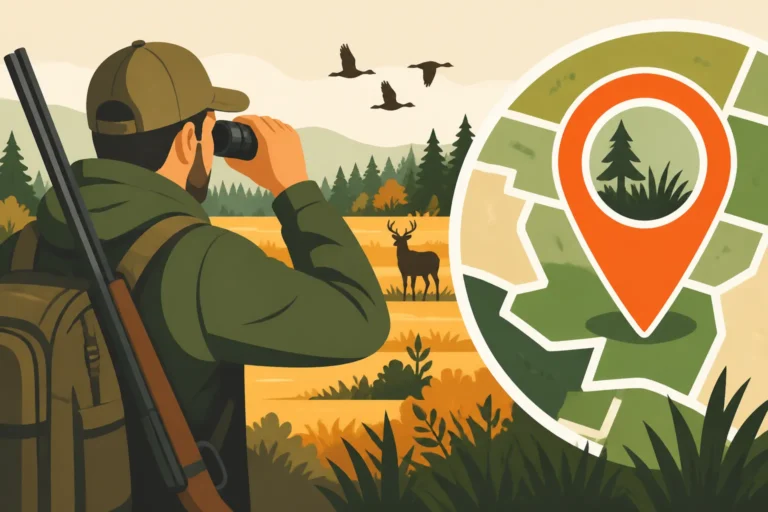
Before you ever step foot in the bush, modern mapping tools are your best friend. Services like onX Hunt or GoHunt offer incredible satellite imagery that can help you identify potential beaver flowages from afar. Look for distinct, irregular-shaped water bodies in areas that might otherwise be small creeks or drainage systems. You'll often see the tell-tale linear structure of a beaver dam, or the darker, circular mound of a lodge. Pay attention to the vegetation around these water bodies. Areas of deadfall or sparse timber surrounded by thick green growth are often indicators of past or present beaver activity.
These digital tools also allow you to identify potential access routes, whether it's an old logging road, a cutline, or simply a ridge of higher ground that avoids the deepest swamp. You can mark potential stand locations, note prevailing wind directions relative to these spots, and plan your approach and exit strategy well in advance. Spending a few hours with a cup of coffee and your mapping app can save you days of aimless walking in the field. Identifying these key features digitally is the first critical step in putting together a solid hunting plan for a beaver flowage. For deeper insights into digital planning, check out Scouting With Satellite Imagery in Manitoba.
Reading the Land: On-the-Ground Sign
Once you've identified a promising flowage on your map, it's time to hit the ground. Nothing beats boots-on-the-ground scouting for confirming what you saw digitally and discovering fresh activity. When you approach a flowage, look for classic signs of beaver presence: fresh chew marks on trees, often aspens or willows, felled trees near the water's edge, and active lodges or dams that show recent mud work. These are clear indicators that the system is active and likely attracting game.
More importantly for hunting, you'll be looking for game sign. Worn game trails leading to and from the flowage are crucial. Are they heavily used? Do they lead to obvious crossings on the dam or firm ground? Look for rub lines on small trees, indicating bucks marking their territory, and scrapes, especially during the pre-rut and rut. Bedding areas will often be found in the thickest cover along the flowage's edge, offering good visibility into the water and protection from the wind. Pay attention to droppings and tracks, noting their freshness and frequency. This immediate, on-the-ground information is invaluable. If you're scouting after a fresh snowfall, it's even easier to spot these tracks and gauge activity. Take a look at Reading Sign After a Fresh Snow for more tips.
Timing Your Scouting Trip
The timing of your scouting trip can significantly impact what you discover. Early spring, after the snow has melted but before the dense undergrowth has fully leafed out, can be an excellent time to find old rubs, scrapes, and main travel corridors that become obscured later in the season. However, active beaver sign might be harder to differentiate from older signs then. Summer scouting, though buggy, allows you to see the full extent of the vegetation and identify current food sources.
For deer, scouting a few weeks before opening day can give you a snapshot of current movement patterns. But don't underestimate late-season scouting, particularly after a fresh snowfall. The snow highlights trails and makes it easy to spot concentrated activity. Keep in mind that water levels in a flowage can fluctuate throughout the year, especially with heavy rains or dry spells, which might affect access and how game utilizes certain areas. Always be aware of these dynamics and how they might influence your hunting strategy.
Hunting Strategies for Manitoba Beaver Flowages
Hunting a beaver flowage requires a thoughtful approach, combining stealth, understanding of deer behavior, and adapting to the unique terrain. These are not open-field hunts; they are close-quarters engagements in dense cover where patience and precise placement are key.
Stand Placement for Whitetails
Effective stand placement in a beaver flowage revolves around identifying natural choke points and high-traffic areas. The most obvious spots are often the beaver dams themselves, or any narrow, firm land bridges that allow deer to cross the water. These are perfect ambush points, especially during the rut when bucks are actively cruising for does. Look for areas where multiple game trails converge before crossing, or where the thick cover forces deer into a narrow lane.
Consider the prevailing wind, which can be tricky in these broken landscapes. Try to set your stand so your scent is blowing away from the expected approach of deer, ideally across the water or into less likely travel areas. Both treestands and ground blinds can be effective. A treestand gives you a better vantage point over the dense brush, while a well-placed ground blind can offer excellent concealment in the thick willows and alders at the water's edge. Just remember that building or hanging a stand here needs to be done with minimal disturbance. For detailed instructions on setting up your stand, refer to Hanging a Stand on a Manitoba Bush Edge.
Still-Hunting and Drives in the Flowage Edges
If sitting in a stand isn't your style, or if the conditions favor a more active approach, still-hunting the edges of a beaver flowage can be incredibly productive. Move slowly, deliberately, and quietly, using the dense cover to your advantage. The broken terrain and thick vegetation often mean shots will be close, so practice quick target acquisition. Pay close attention to subtle movements and sounds. The sounds of the water and the wind can mask your approach, but they can also mask the sounds of approaching deer.
For a different tactic, especially in larger flowages surrounded by heavy bush, a small, quiet drive with one or two partners can be very effective. The dense cover and natural funnels of the flowage make it ideal for pushing deer along predictable routes to waiting standers. The drivers move slowly and deliberately, nudging deer towards the "blockers" positioned at key crossings or pinch points. Communication is paramount for safety and success in such an endeavor.
Calls and Scents in a Unique Environment
The acoustics and deer movement patterns around beaver flowages make them excellent locations for using calls and scents. Because deer are often traveling through these natural corridors, a well-timed grunt or bleat can pique their curiosity and draw them closer. Rattling antlers, especially during the rut, can also be very effective. The sounds tend to carry well across the open water and into the surrounding timber, mimicking bucks fighting or sparring. Don't be afraid to experiment with different volumes and durations. If you're interested in calling techniques, you might find Rattling and Calling Parkland Whitetails useful.
Scent control is always important, but strategic use of cover scents or attractant scents can also work wonders. Placing scent wicks with doe estrus or curiosity scents on common travel routes leading to a pinch point or crossing can draw a buck in for a closer look. Just remember to use them sparingly and strategically, keeping the wind in mind. The goal is to make the deer believe another deer is in the area, not to alert them to your presence.
Overcoming Challenges and Maximizing Success
Hunting beaver flowages, while rewarding, comes with its own set of challenges. Being prepared for these can make the difference between a successful, enjoyable hunt and a frustrating, uncomfortable one.
Dealing with Wet Conditions and Terrain
The most obvious challenge in a beaver flowage is, of course, the wetness. Boggy ground, standing water, and often hidden obstacles like submerged logs or beaver runs can make travel difficult and noisy. Investing in high-quality, waterproof boots and gaiters is non-negotiable. Waders might even be necessary for accessing certain spots or retrieving game. Always scout your walking path carefully, especially if you're venturing into unfamiliar territory. A sturdy walking stick can help test the ground ahead of you and prevent an unexpected dunking.
Beyond the water, the terrain can be rugged. Deadfall from flooded timber, dense willow thickets, and steep dam faces can all make for slow going. Plan your approach with plenty of time to spare, allowing for slower travel. Foot placement is critical for stealth; try to step on solid ground or logs rather than rustling through wet leaves or snapping twigs.
Access and Stealth
Many of the most productive beaver flowages are not easily accessible. They might be deep in the bush, requiring a long walk, or located in remote corners of Crown Land. This lack of easy access is often what makes them so good – less human pressure means more relaxed, mature game. However, it also means your approach needs to be carefully planned for stealth. Finding Ground Other Hunters Drive Past often applies directly to these types of locations.
Park your vehicle well away from your intended hunting spot and be mindful of noise. Walking in quietly, even if it means taking a longer, more circuitous route, is essential. Once you're in the flowage area, move at a snail's pace, pausing frequently to listen and scan. The dense cover can hide deer surprisingly close by, and they often hold tight, relying on their camouflage. Be patient, move with purpose, and let the environment work to your advantage in masking your presence.
Game Recovery and Meat Care
Successfully taking an animal in a beaver flowage is only half the battle; recovering it can be the real test. A deer shot in or near a flowage can quickly disappear into the dense cover or drop into the water, making tracking incredibly difficult. Always wait longer than you might in open terrain before tracking, giving the animal time to expire. Mark the last spot you saw the animal and the point of impact meticulously.
If the animal goes down in the water or a boggy area, be prepared for a messy recovery. Bring a rope and potentially a small, inflatable sled or even a small boat if the water is extensive and deep. Quartering the animal on site, if conditions allow, will make extraction much easier, especially if you're alone or far from your vehicle. And with Manitoba's variable temperatures, prompt Meat Care in Manitoba's Cold Snaps is crucial. Always have a plan for how you'll get the animal out of the bush before you ever pull the trigger. Consider reading Getting a Deer Out on a Frozen Trail if you're hunting late season. The challenges are similar!
Pros and Cons of Hunting Manitoba Beaver Flowages
Hunting beaver flowages offers unique opportunities but also comes with distinct difficulties. Here's a quick overview to help you weigh your options:
| Aspect | Pros | Cons |
|---|---|---|
| Game | High concentration of deer, moose, bear, furbearers | Game can be very wary due to dense cover and limited visibility |
| Cover | Excellent bedding and security cover for game | Extremely thick, making visibility and movement difficult |
| Food/Water | Consistent fresh water and diverse browse/aquatic plants | Can be seasonal; water levels fluctuate |
| Access | Often remote, leading to less hunting pressure | Challenging access, requiring long walks or specialized gear |
| Terrain | Natural funnels and crossings | Wet, boggy, and uneven ground; deadfall and submerged obstacles |
| Sign | Beaver activity creates obvious game magnets | Tracking can be very difficult in dense, wet conditions |
| Stealth | Sounds of water and wind can mask movement | Noisy movement often unavoidable in thick brush and mud |
| Recovery | Potential for high success rates on good bucks | Difficult and physically demanding game recovery |
Beaver flowages in Manitoba are often overlooked goldmines for hunters willing to put in the effort. They provide incredible habitat that naturally attracts and holds game. With diligent scouting, a smart hunting strategy, and the right gear, you can unlock some truly fantastic hunting opportunities in these unique bush environments. Remember to always respect the land, practice ethical hunting, and prioritize safety when venturing into these wild places. Get out there, explore, and you might just find your new favorite honey hole! For more information on navigating Manitoba's diverse hunting landscapes, be sure to look into Manitoba's Game Hunting Areas and Manitoba Hunting Licences and What They Cost to ensure you're fully prepared.
Disclaimer
This article is for general informational purposes only and does not constitute professional advice. Laws, prices and regulations vary by location and change over time. Consult a qualified professional for guidance on your specific situation.