Hunting a Railway Line Right-of-Way
Finding good hunting spots in Manitoba can feel like an endless puzzle, especially when you're looking for those hidden gems that might get overlooked. One such overlooked area that often sparks curiosity, and sometimes a fair bit of confusion, is the railway line right-of-way. These linear features can be magnets for game, but hunting them comes with a unique set of rules, safety considerations, and ethical responsibilities that every hunter needs to understand thoroughly. This guide will walk you through everything you need to know to safely and legally hunt a railway line right-of-way in our beautiful province.
Understanding Railway Line Right-of-Ways in Manitoba
Railway lines, those steel ribbons stretching across the landscape, aren't just for trains. They often come with a strip of land on either side, known as the right-of-way, which can provide surprisingly excellent habitat and travel corridors for wildlife. For hunters, these areas can be intriguing, but they also represent a legal and safety tightrope that requires careful navigation.
Legal Status and Ownership of Railway Land
The first, and perhaps most critical, thing to understand is the legal status of railway right-of-ways. These aren't just random strips of land; they are typically private property owned by the railway company. This is a fundamental point often missed by hunters. Even if the land appears overgrown, wild, or borders public land, it's still under the railway's jurisdiction. In Canada, railway companies own the land that their tracks and associated infrastructure sit on, often stretching a certain distance (sometimes 100 feet or more) from the centerline of the tracks on either side.
Hunting on railway property without explicit permission from the railway company is generally considered trespassing. And let's be realistic, getting that permission is incredibly difficult, if not impossible, for individual hunters. Railway companies have strict safety protocols and liability concerns, making them very unlikely to grant access for hunting. This isn't just a Manitoba thing; it's a Canada-wide standard. So, while these linear features might seem appealing, the immediate takeaway is: do not hunt directly on railway company property. Always verify property boundaries using tools like onX Hunt, which can display land ownership layers, so you know exactly where you stand.
Habitat Value of Railway Line Corridors
Despite the strict access rules, it's worth understanding why railway lines are so attractive to wildlife. These corridors often cut through varied terrain, acting as natural travel routes and providing diverse habitat.
- Travel Corridors: Deer, coyotes, and even bears will use the cleared, relatively flat ground of a railway line to move from one area to another. Imagine a thick bush country; the railway line might offer the easiest path, connecting bedding areas to feeding grounds without having to slog through dense undergrowth. This is especially true in areas with heavy snow, where the cleared line might offer less resistance.
- Edge Habitat: Railway lines often create a classic "edge" habitat where forest meets open ground, or brush meets field. This ecotone is known to be incredibly productive for wildlife. Deer browse along these edges, and smaller game birds like ruffed grouse might utilize the dense cover right alongside the cleared area.
- Food Sources: Depending on the surrounding landscape, the vegetation growing along the right-of-way can provide forage. Grasses, shrubs, and even volunteer crops from spilled grain can attract animals. This means that while you can't hunt on the right-of-way, the areas adjacent to it can be prime hunting spots due to the concentration of wildlife drawn to this linear feature. This is where understanding how Hunting a Manitoba Bush Edge works comes into play.
Navigating the Rules and Regulations Around Railway Lines
Given that hunting on the railway right-of-way itself is largely off-limits, the focus shifts to hunting near them. This means you absolutely need to be intimately familiar with setback distances, land ownership, and general safety protocols. Disregarding these rules isn't just illegal; it's incredibly dangerous.
Safety First: Proximity to Tracks, Homes, and Public Areas
Safety around railway lines is paramount. Trains are fast, heavy, and cannot stop quickly. Their presence means a hunter must be hyper-vigilant.
- Train Awareness: Always assume a train could be coming from either direction at any time. The vibrations can be subtle, and the sound can be masked by wind or other environmental noise. This isn't just about avoiding being hit; it's about not being a distraction or creating a situation where railway personnel are concerned for your safety or theirs.
- Proximity to Tracks: Even if you're on adjacent private or Crown land where hunting is permitted, you must maintain a safe and legal distance from the tracks. There are specific provincial and federal regulations about discharging firearms near railway lines. You cannot shoot across a railway line, nor can you discharge a firearm if there's any risk of the projectile impacting the tracks, a train, or railway infrastructure. This is similar to the regulations you would follow when considering Rules on Shooting Across a Road.
- Setback Distances: Manitoba has regulations concerning how close you can discharge a firearm or bow to occupied buildings, public roads, and sometimes even railway lines themselves. These distances are for safety and vary depending on the specific GHA and weapon type. Always consult the current Manitoba Hunting Guide for the precise setback distances. An accidental discharge or a stray bullet travelling beyond your intended target could have catastrophic consequences, not to mention severe legal repercussions.
Specific Manitoba Regulations and "Adjacent" Hunting
So, if you can't hunt on them, how do you hunt near them? The key is understanding land ownership and public access.
- Private Property Adjacent to Railways: Much of Manitoba's railway network runs through privately owned farmland. To hunt these adjacent fields or bush edges, you must obtain explicit permission from the landowner. This isn't optional; it's the law. Manitoba Landowner Permission Law is very clear on this. Even if you're standing on what looks like Crown land, a quick check on a mapping app like GoHunt or onX Hunt can show you precisely where property lines lie. Landowners often have strong opinions about hunters near railway lines due to safety concerns and liability, so be extra respectful and clear about your intentions if you approach them for permission.
- Crown Land Adjacent to Railways: In some parts of Manitoba, particularly in northern or more heavily treed GHAs, railway lines might traverse Crown land. Here, the challenge is different. While you can hunt on Crown land (with the appropriate licenses and tags), the railway right-of-way itself remains private. This means you can hunt up to the edge of the railway's property boundary, but you cannot cross it, set up blinds on it, or shoot over it. Using Manitoba's Game Hunting Areas maps alongside digital mapping apps will be your best friend here. These maps can help differentiate Crown land from private holdings, but remember that the railway corridor itself is a distinct entity.
- Prohibited Areas: It’s critical to remember that certain areas are entirely off-limits to hunting, regardless of land ownership. This includes provincial parks, wildlife refuges, and other designated zones. A railway line passing through such an area would obviously preclude any hunting activity, even on adjacent lands. Always consult the official regulations and maps to know Where Hunting Is Prohibited Outright.
To illustrate the critical distinction, here's a quick comparison:
| Feature | Railway Line Right-of-Way (Private Property) | Adjacent Private Land (Requires Permission) | Adjacent Crown Land (Public Access) |
|---|---|---|---|
| Hunting Permitted? | No | Yes (with permission) | Yes (with licence/tag) |
| Access Requirements | Explicit permission from railway (unlikely) | Explicit permission from landowner | Public access (licence/tag only) |
| Safety Zones | Strictly observe railway safety zones | Observe railway safety zones and other setbacks | Observe railway safety zones and other setbacks |
| Why Game Uses It | Travel corridor, edge habitat, sometimes food | Feeding, bedding, transition zones | Feeding, bedding, transition zones |
| Primary Challenge | Legal access and extreme danger | Gaining permission, respecting property | Identifying boundaries, responsible use |
Scouting and Strategy for Railway Line Hunts
Now that we've established where you can and cannot hunt, let's talk about how to effectively scout and hunt the areas adjacent to railway lines. The proximity of a railway line can significantly influence game movement, making these fringe areas highly productive if approached correctly.
Using Technology for Boundary Identification
Modern hunting technology is invaluable when dealing with complex land boundaries like railway right-of-ways.
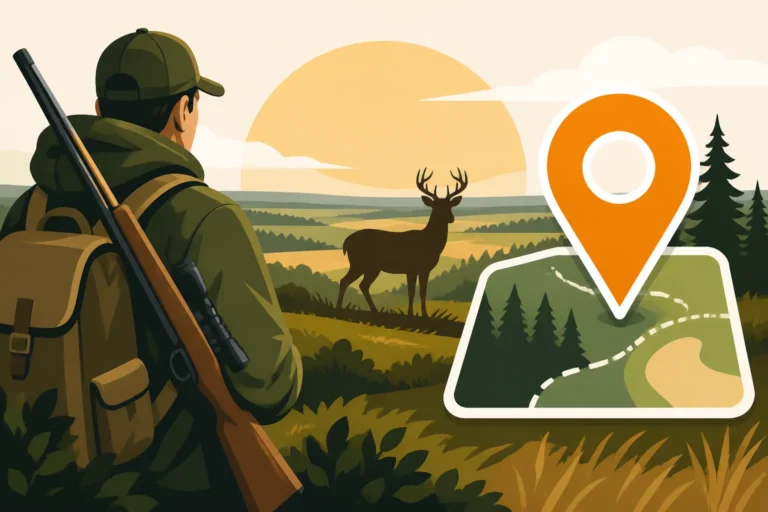
- Digital Mapping Apps: Apps like onX Hunt are game-changers. They allow you to overlay land ownership data onto satellite imagery, showing you exactly where the railway property begins and ends, as well as adjacent private and Crown land. Before you even leave your couch, you can pinpoint potential access points, verify property lines, and identify landowners to contact for permission. This precision is critical for staying legal and safe. Similarly, platforms like GoHunt provide valuable mapping resources and general information, helping you understand the terrain before you step foot in the field.
- Satellite Imagery and Topo Maps: Beyond property lines, use satellite imagery to identify key habitat features. Look for where the railway line crosses distinct terrain features: a dense bush edge, a creek crossing, a low-lying slough, or a transition between different crop types. These are all pinch points or natural funnels that game will utilize, and the railway line often accentuates them. Topographic maps can reveal subtle elevation changes or drainage patterns that might not be obvious on satellite views but are crucial for understanding game movement.
- Manitoba GHA Maps: Always cross-reference your digital maps with official Manitoba's Game Hunting Areas maps. Understand the GHA you're in, its specific regulations, and any local nuances that might affect hunting near a railway line.
Reading Sign and Approaching Safely
Once you're in the field, knowing where to look for game sign and how to approach these areas safely is essential.
- Look for Fresh Sign: Focus your scouting on the edge where the huntable land meets the railway right-of-way. Look for fresh tracks, droppings, rubs, and scrapes, especially along the parallel edges. Deer often use the slight elevation changes or cover provided by the railway corridor itself, even if they're not walking directly on the tracks. A fresh snow can be a fantastic time for Reading Sign After a Fresh Snow, as tracks along the cleared railway edge will be easy to spot. Pay attention to how game animals are using any crossings – culverts under the tracks, or natural low spots where they might prefer to go under or over.
- Wind and Approach: The open nature of a railway line means wind direction is incredibly important. Game animals using these corridors will often rely heavily on their sense of smell. Plan your approach and stand locations to ensure the wind is in your favor, carrying your scent away from where you expect game to appear. Think about how deer will move along the edge, not necessarily straight across open ground.
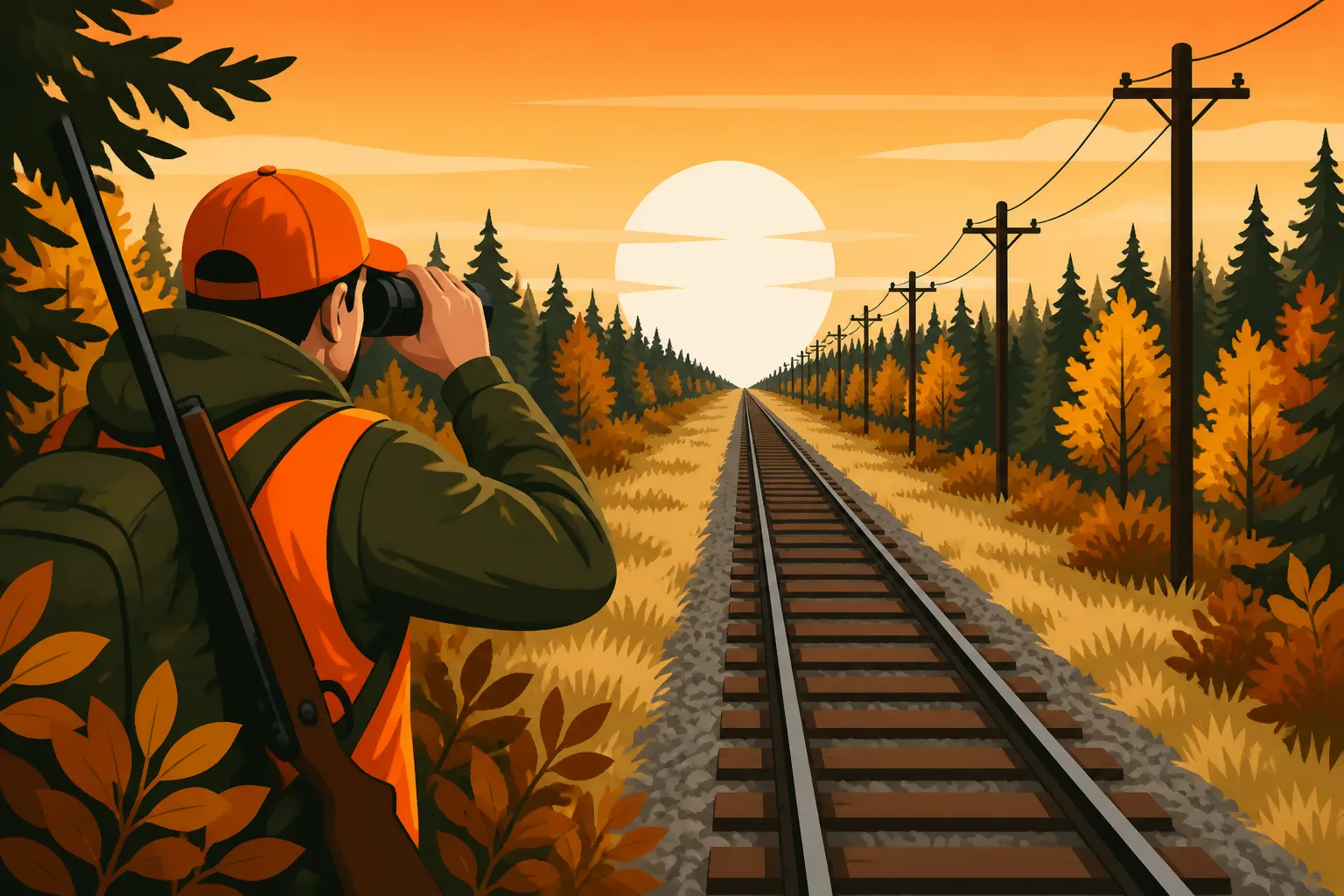
- Strategic Stand Placement: If you're on adjacent land with permission, consider placing your stand or blind where you can observe the railway corridor from a safe and legal distance. This allows you to watch game utilizing the railway as a travel route without ever encroaching on railway property or posing a safety risk. A treestand placed on the edge of a Hunting a Manitoba Bush Edge overlooking a field that borders a railway line could be highly effective. The key is visibility and an unobstructed, safe shooting lane away from the tracks.
Ethical Considerations and Best Practices
Hunting near railway lines isn't just about legality and safety; it's also about ethics and being a responsible hunter. Your actions reflect on all of us, so upholding the highest standards is crucial.
Respecting Private Property and Landowners
Even if you have permission to hunt adjacent private land, remember that the railway company is a separate entity, and their property rights must be respected absolutely.
- Zero Tolerance for Trespassing: This cannot be stressed enough: do not trespass on railway property. This means no walking on the tracks, no walking along the cleared right-of-way, and no retrieving game from railway property unless you have explicit, prior permission from the railway company – which, as mentioned, is highly unlikely. If an animal you've shot runs onto the railway right-of-way, you must consider it lost unless you have that permission. It’s a harsh reality, but an important one for safety and legality.
- Landowner Relations: If you're hunting private land adjacent to a railway, maintain impeccable landowner relations. Be extra cautious, extra quiet, and extra respectful. Any incident involving the railway, even if you’re not directly on their property, could easily sour a landowner on allowing hunters in the future. Always leave gates as you found them, pick up any trash, and thank the landowner sincerely. Understanding What Manitoba Trespass Law Requires and exceeding those requirements in your conduct will only benefit you and future hunters.
Minimizing Impact and Being a Good Neighbor
Beyond explicit rules, think about the broader impact of your presence.
- Noise and Disturbance: While hunting, try to minimize unnecessary noise or disturbance that could bother railway operations or adjacent landowners. This might mean avoiding certain call types or using more subtle techniques.
- Car Access and Parking: Ensure your vehicle is parked legally and doesn't impede any access roads for the railway or local landowners. Don't block any approaches or crossings. Think about Winter Truck Kit for a Manitoba Hunt if you're out during colder months, as getting stuck could lead to serious problems near busy infrastructure.
- Understanding Community Perceptions: Hunters often face scrutiny. An incident near a railway line involving a hunter, even if technically legal, can create negative publicity. By being overtly safe, respectful, and ethical, you help build a positive image for hunting. It's not just about getting your game; it's about being a steward of the land and the sport.
- Continuing Education: Laws and regulations can change, and new safety recommendations might emerge. Staying informed by regularly reviewing the Manitoba Hunting Guide and other official resources is part of being a responsible hunter. Don't assume what was legal last year is legal this year. This commitment to knowledge is why many hunters pursue and keep up to date with their Manitoba Hunter Education Requirements.
Hunting areas adjacent to railway lines in Manitoba can offer unique opportunities for observant and responsible hunters. While the railway right-of-way itself is almost always off-limits, the understanding of how game uses these linear features can inform your strategy on legal, huntable land nearby. Prioritize safety above all else, respect property boundaries with the help of modern mapping tools, and always uphold the highest ethical standards. Do your homework, scout meticulously, and be a good ambassador for hunting.
Disclaimer
This article is for general informational purposes only and does not constitute professional advice. Laws, prices and regulations vary by location and change over time. Consult a qualified professional for guidance on your specific situation.