Upland Bird Hunting in Manitoba
Few things get the heart pumping like the sudden flush of a covey of Huns or the explosive burst of a ruffed grouse from thick cover. But let's be honest, finding these elusive birds in a vast landscape like Manitoba can feel like an overwhelming challenge, especially for those new to the game or unfamiliar with the unique habitats here. This guide is your no-nonsense resource to unlock the secrets of successful upland bird hunting across our incredible province, from the prairie fringes to the boreal forest.
The Allure of Upland Birds in Manitoba
There’s a certain magic to upland bird hunting in Manitoba that sets it apart. It's not just about the shot; it's about the entire experience: the crunch of frost-kissed grass underfoot, the crisp autumn air, the vibrant colours of a turning bush, and the thrill of working a good dog or simply relying on your own keen eyes and ears. Many hunters, myself included, find it a deeply satisfying way to connect with the land, providing a challenge that tests skill, patience, and knowledge of the game.
Why Manitoba is an Upland Bird Hunter's Paradise
Manitoba often flies under the radar when people think of upland bird hunting destinations, overshadowed by its reputation for waterfowl. But let me tell you, that's a mistake. This province is a mosaic of diverse habitats, from the sprawling agricultural lands of the south to the dense boreal forests and even the tundra of the far north. This ecological richness means we host a fantastic variety of upland species, each offering a distinct hunting experience. You're not just limited to one type of bird or one type of terrain; the options are truly expansive. From the adrenaline of a covey flush to the quiet stalk of a wary grouse, Manitoba delivers a rich and varied upland hunting canvas. The sheer amount of accessible public land, combined with abundant private land opportunities (with permission, of course), makes it an appealing destination for both seasoned bird hunters and newcomers.
The Diverse Species You'll Encounter Here
Manitoba is home to several popular upland game bird species, each with its own quirks and preferred habitats. Knowing what to expect and where to find them is half the battle.
First up, the Sharp-tailed Grouse. These are probably the most iconic prairie upland bird. You'll find them dancing in grasslands and open aspen parkland, often near brushy cover or agricultural fields. They’re known for their explosive flush and strong flight, making for challenging wing shooting. If you're looking for an active hunt, walking vast tracts of grassland or old pasture with a good pointing dog is the quintessential sharptail experience.
Then we have the Ruffed Grouse, the king of the northern woods. If you love walking logging trails, old bush roads, or through dense aspen and mixed forest, ruffies are your bird. They hold tight, offering a sudden heart-stopping flush, and their flight through thick timber is a true test of shotgunning skill. Many hunters consider them the ultimate table fare. You can find them right across the forested areas of the province.
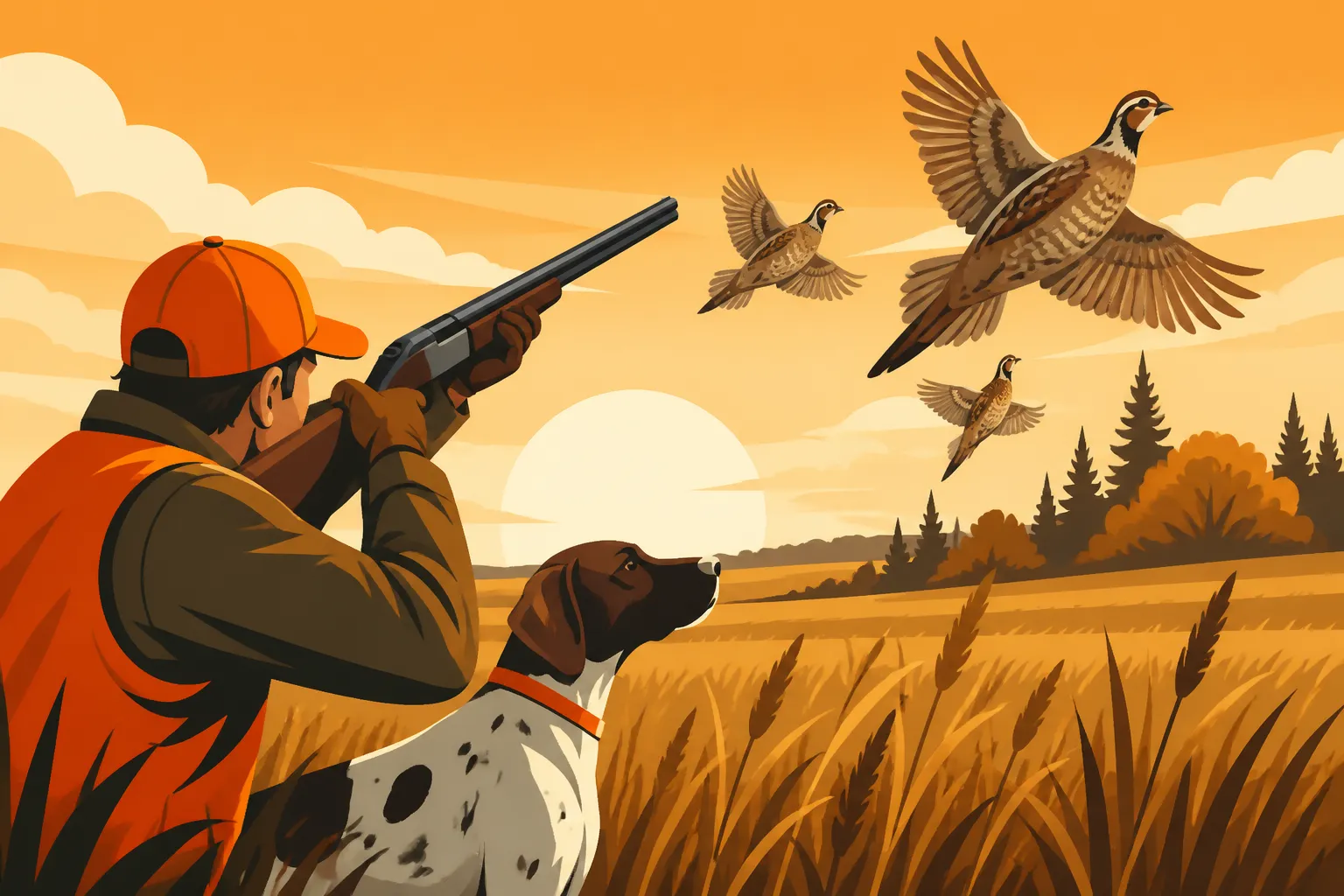
Don't forget the Hungarian Partridge, affectionately known as "Huns." These little rockets are found in the agricultural regions, often in coveys along field edges, fencelines, and shelterbelts. They're notoriously challenging; a covey can flush simultaneously and be out of range in seconds, scattering across open fields. They require a good dog and persistent walking to find and re-locate. For those who enjoy Hunting Hungarian Partridge on Manitoba Farms, you'll appreciate the distinct challenge they present.
Spruce Grouse are a bit different. Found in the dense spruce and pine forests of the boreal, they're often called "fool hens" because of their tendency to hold tight or even walk away slowly rather than flush dramatically. They are less common targets for dedicated bird dog hunters but are often encountered opportunistically by big game hunters or those specifically Ruffed Grouse Hunting Manitoba's Bush Trails in coniferous areas.
And for the truly adventurous, the Ptarmigan of the far north offer a unique experience. These hardy birds change plumage with the seasons, blending perfectly into their tundra home. Ptarmigan Hunting in the Far North is an expedition-style hunt, far removed from the agricultural landscapes, requiring different gear and a more rugged approach. It’s a real adventure for those willing to go the distance.
Here’s a quick overview of our feathered friends:
| Species | Peak Season | Typical Habitat | Preferred Hunting Method | Average Bag Limit (Daily) |
|---|---|---|---|---|
| Sharp-tailed Grouse | September – October | Grasslands, CRP, open aspen parkland | Walk-up, flushing/pointing dogs | 8 |
| Ruffed Grouse | September – October | Aspen forests, bush trails, cutlines | Walk-up, flushing dogs | 8 |
| Hungarian Partridge | September – October | Farm fields, shelterbelts, fencelines | Walk-up, pointing dogs | 8 |
| Spruce Grouse | September – October | Dense spruce/pine forests, bogs | Walk-up, opportunistic | 8 |
| Ptarmigan | September – November | Tundra, barren-ground willows | Walk-up, opportunistic | 10 |
Note: Always consult the current Manitoba Hunting Guide for precise and up-to-date regulations.
Understanding Manitoba's Upland Bird Seasons and Regulations
Navigating the rules and regulations can sometimes feel like a chore, but it's absolutely crucial for a legal and ethical hunt. Trust me, you don't want to spoil a great day in the field with an avoidable infraction. Manitoba takes its wildlife management seriously, and for good reason—it ensures these incredible resources are there for future generations.
Key Season Dates and Bag Limits
For most upland bird species in Manitoba, the season generally kicks off in September. This is fantastic because it aligns perfectly with that sweet spot of autumn weather when the bugs are mostly gone, the leaves are turning, and the air is crisp. For specific opening and closing dates, as well as zone-specific regulations, you'll need to check the official Manitoba Upland Bird Seasons document published annually by the province. These dates can shift slightly from year to year based on population surveys and other conservation factors, so always verify before you head out.
Bag limits are also important. For common species like sharp-tailed grouse, ruffed grouse, and Hungarian partridge, the daily bag limit is typically 8 birds, with a possession limit of 16. Ptarmigan usually have a slightly higher limit, often 10 daily and 20 in possession. These limits are designed to allow for a rewarding hunting experience while ensuring sustainable populations. Exceeding them is a serious offence, so count your birds carefully. It’s always a good idea to keep your birds separate from others in your hunting party until you are back at camp or your vehicle, to avoid any confusion about who shot what.
Essential Licences and Permits
To legally hunt upland birds in Manitoba, you'll need the proper documentation. For residents, this means a valid Manitoba Resident Hunting Licence. You'll also need a Manitoba Game Bird Licence. Both can be purchased through the province's online licensing portal, making it super convenient. Keep your licences with you at all times while hunting—either a physical copy or a digital one on your phone, as long as it’s easily accessible and readable. If you're wondering about the exact cost, you can check out details on the Manitoba Resident Hunting Licence Cost.
For non-residents, including those from other Canadian provinces or international hunters, the requirements are a bit more involved. Canadian non-residents generally need a non-resident game bird licence and a valid hunting licence from their home province or territory. International non-residents, particularly from the United States, will need a foreign resident game bird licence and may also need to show proof of a valid hunting licence from their home state or country, along with completing a Canadian Firearms Declaration if bringing their own shotgun across the border. Always check the specific non-resident rules well in advance of your trip. While guides aren't typically required for upland birds, some non-residents might opt for a guided experience to simplify logistics and access to prime hunting areas.
Top Upland Bird Hunting Areas in Manitoba
Manitoba is a big province, and knowing where to focus your efforts can make all the difference. While every GHA (Game Hunting Area) has potential, certain regions consistently offer better opportunities for specific species due to their dominant habitats. Forget the frustration of driving aimlessly; let's pinpoint where you're most likely to find success.
Prairie Pockets and Farmland Fringes for Huns and Sharptails
If you’re after Sharp-tailed Grouse and Hungarian Partridge, your compass should point squarely to Manitoba's agricultural belt and the aspen parkland fringe. These areas, particularly in the southwest, west-central, and parts of the Interlake regions, offer the perfect blend of grain fields, stubble, hay lands, and interspersed pockets of native prairie and brushy cover that these birds thrive in.
Areas around communities like Brandon, Neepawa, Dauphin, and even parts of the Interlake are prime territory. Look for large tracts of uncultivated grassland, Conservation Reserve Program (CRP) land, and areas where farm fields meet brushy coulees or shelterbelts. Sharptails often utilize thicker cover for roosting and loafing, especially on windy days, moving into crop fields to feed. Huns, on the other hand, are almost always associated with agricultural fields, using fencelines, ditch banks, and low brush for escape cover. Accessing these areas often means Hunting Hungarian Partridge on Manitoba Farms or Walking Up Sharp-Tailed Grouse in Manitoba by seeking permission from landowners, which is absolutely essential on private property. Many of these areas are also well-represented in Manitoba's public GHA system, so checking a Manitoba's Game Hunting Areas map is a good first step. Digital mapping tools like GoHunt can be incredibly helpful for identifying potential habitat and property boundaries.
Bush Country for Ruffed and Spruce Grouse
For the ruffed grouse enthusiast, the call of the bush is undeniable. Manitoba's extensive provincial forests and boreal regions are home to healthy populations of ruffies and spruce grouse. Think of areas like the Duck Mountain Provincial Forest, the Porcupine Provincial Forest, the Sandilands, and large portions of the Interlake and eastern regions. These areas are characterized by vast stretches of aspen, birch, poplar, and mixed coniferous forests.
The key to finding ruffed grouse here is often to focus on habitat edges and clearings. Old logging roads, cutlines, natural clearings, and areas where younger forest growth provides dense understory are consistent producers. These spots offer both food (berries, buds, catkins) and escape cover. When Ruffed Grouse Hunting Manitoba's Bush Trails, remember that ruffies can be found almost anywhere in the right type of woods, but active foraging areas or dense thermal cover in colder weather are usually hot spots. Spruce grouse prefer the denser, darker coniferous stands, especially near bogs or muskeg edges, and are often a bonus bird for those already hunting ruffies or big game. These areas offer a different type of hunt, often involving more walking and less open-field scanning.
Northern Reaches for Ptarmigan
Now, if you're truly seeking an adventure, Manitoba’s far north offers the unparalleled experience of hunting ptarmigan. This isn't your typical day trip; it often involves flying into remote camps or venturing deep into areas north of the tree line. The tundra and sub-arctic regions, particularly around the Hudson Bay Lowlands and areas further north, are where you'll find these incredible birds.
Ptarmigan, specifically Willow and Rock Ptarmigan, thrive in barren, rocky landscapes interspersed with low-lying willows and stunted birch. Their camouflage is legendary, changing from mottled browns in fall to pure white in winter. This makes them incredibly challenging to spot against their respective backdrops. Ptarmigan Hunting in the Far North is an expeditionary hunt that demands thorough planning, robust gear, and a healthy dose of self-reliance or the support of an experienced northern outfitter. It's a wilderness experience unlike any other, where the stark beauty of the landscape is as much a part of the hunt as the birds themselves.
Gear and Tactics for a Successful Upland Hunt
Being prepared with the right gear and understanding effective tactics can dramatically improve your chances and enjoyment in the field. Upland hunting isn't about brute force; it's a nuanced dance with nature.
Shotguns, Ammunition, and Blaze Orange Essentials
Let's talk hardware first. For upland birds, a lightweight, fast-swinging shotgun is your best friend. Most hunters opt for a 12-gauge or 20-gauge, with some preferring the even lighter 28-gauge. Over-unders, side-by-sides, and semi-automatics are all popular choices. The key is comfort and familiarity; you need to be able to mount and swing quickly when a bird explodes from cover. For choke, improved cylinder or modified are generally ideal, offering a good pattern for quick, close-range shots without blowing the bird apart.
Ammunition-wise, smaller shot sizes are preferred for these smaller birds. Typically, 7.5 or 6 shot is perfect for grouse and partridge, striking a balance between pattern density and knockdown power without excessive meat damage. Carry enough shells for your hunt, but don't overpack; every ounce counts when you're covering miles on foot.
And please, for the sake of safety and good sense, wear blaze orange. Manitoba's regulations require hunters to wear blaze orange during specific big game seasons, but it's always a smart idea for upland hunting, even when not legally mandated. A blaze orange hat and vest or jacket make you highly visible to other hunters, which is crucial in dense cover. Check the Blaze Orange Rules and Exceptions for specifics, but err on the side of caution.
Hunting with Dogs versus Still-Hunting
This is where the real debate often lies among upland hunters!
Hunting with Dogs: For many, the joy of upland hunting is inseparable from working a well-trained bird dog. A good dog amplifies the experience exponentially, covering ground more efficiently, finding birds you'd undoubtedly walk past, and retrieving downed game. Pointers (like German Shorthairs, Brittanys, English Setters) excel at finding and holding birds, allowing the hunter to walk in for the flush. Flushers (like Springers, Labs, Cockers) work closer, pushing birds out of cover. Both have their merits. Using a Pointing Dog on Manitoba Prairie for sharptails or Huns is a classic approach, allowing you to cover vast open country methodically. For thick bush country, Using a Flushing Dog in Thick Cover can be invaluable for pushing ruffies out of dense brush.
However, hunting with a dog requires commitment: training, care, and understanding your dog's capabilities. It's not for everyone, but if you've experienced the thrill of a dog locked on point, you know it's a game-changer.
Still-Hunting / Walk-Up Hunting: This method relies purely on the hunter's observation, stealth, and knowledge of bird behaviour. It's the most common approach for those without dogs or hunting in areas where dogs aren't practical (like dense spruce bogs for spruce grouse). The tactic is simple: walk slowly and deliberately through prime habitat, pausing often to listen and scan. Birds, especially ruffed grouse, will often let you walk past them before flushing, so being ready for a sudden burst of wings is key. In open country for sharptails or Huns, this involves covering a lot of ground, often in zig-zag patterns, to try and kick up coveys. It can be challenging, but successfully bagging a bird without a dog is incredibly satisfying.
Reading the Landscape: Cover, Food, and Water
Upland birds, like all wildlife, need three basic things: food, cover, and water. Becoming proficient at "reading the landscape" to identify these elements will turn a random walk into a strategic hunt.
Cover: This is paramount. Birds need places to hide from predators, roost at night, and escape harsh weather. For sharp-tailed grouse, think tall native grasses, dense brush patches, and willow thickets. For ruffed grouse, look for dense stands of young aspen or poplar, tangled hawthorn patches, and heavy coniferous understory. Huns will cling to fencelines, shelterbelts, and weedy field edges. Digital mapping tools like GoHunt are fantastic for identifying these features, showing satellite imagery that reveals habitat transitions and dense cover pockets. Using an app like GoHunt can help you scout from your couch, pinpointing promising areas before you even hit the road.
Food: Different birds have different diets, but generally, seeds, berries, buds, and insects are high on the list. In early season, chokcherries, saskatoons, and other wild berries are magnets for grouse. Later in the season, buds (especially aspen and birch for ruffies) and waste grain in harvested fields become crucial. Identify these food sources and you’ll likely find birds nearby.
Water: While many upland birds can get moisture from dew or their food, proximity to a reliable water source, especially in drier areas or during warm spells, can concentrate birds. Look for sloughs, dugouts, small creeks, or even heavy dew-covered vegetation.
The sweet spot is often where these three elements converge. A brushy coulee (cover) winding through a stubble field (food) with a small creek nearby (water) is a textbook location for Huns and sharptails. Similarly, a dense aspen stand (cover) with berry bushes (food) near an old logging road (access and food) is prime ruffed grouse country.
Respecting Land and Fellow Hunters
Hunting is a privilege, not a right, and maintaining access for everyone depends heavily on how we conduct ourselves in the field. This means not only adhering to regulations but also embodying an ethic of respect for landowners, fellow hunters, and the land itself.
Securing Permission on Private Land
Manitoba has a mix of Crown (public) land and privately owned agricultural land. While there are ample opportunities on Crown land, some of the best upland bird hunting, particularly for sharp-tailed grouse and Hungarian partridge, can be found on private property. Attempting to hunt private land without permission is trespassing and can lead to fines, loss of hunting privileges, and, most importantly, souring landowner relations for all hunters.
The rule is simple: always get permission. This means knocking on doors, introducing yourself respectfully, and asking if you can hunt their land. Be prepared to hear "no" sometimes, and always accept it gracefully. When you do get permission, clarify boundaries, ask about specific areas to avoid (e.g., livestock, farmyards, sensitive crops), and thank them profusely. Consider offering a small gift of appreciation, like a gift card or a share of your harvest, after a successful hunt. Remember, you are a guest, and your actions reflect on the entire hunting community. A tool like GoHunt can help identify land ownership, giving you a starting point for who to ask. Understanding Manitoba Landowner Permission Law is fundamental to ethical hunting here.
Etiquette on Public Land and Road Allowances
Even on public land, good manners go a long way. Common courtesy ensures a positive experience for everyone sharing these spaces.
Road Allowances: In Manitoba, most municipal and provincial road allowances are considered public access. However, hunting from or across a road allowance can be problematic or illegal depending on the circumstances. Never shoot from a vehicle or across a public road. Always be aware of safe shooting lanes and potential backstops. While you can often walk road allowances to access public land, be respectful of adjacent private property and never stray onto it without permission.
Other Hunters: Public land can get busy, especially on opening weekend. If you encounter other hunters, give them a wide berth. If someone is already working a promising area, politely move on to another spot. A quick wave or nod is fine, but avoid loud conversations or running your dog into another hunting party's area. Communication is key if you're approaching an area where you see vehicles or other hunters.
Leave No Trace: Pack out everything you pack in, including spent shell casings. Don't litter. Don't block gates or driveways. Respect closed gates, even on Crown land, as they might be there for a reason (e.g., to protect trails or wildlife). And always drive responsibly on gravel roads, especially during dry conditions to minimize dust, and in wet conditions to prevent excessive rutting.
Safety, Meat Care, and Responsible Hunting
Hunting is an incredible outdoor pursuit, but it's not without its risks. Taking precautions and practicing responsible habits are paramount for a safe and rewarding experience, both for yourself and for the quality of the game you bring home.
Navigating the Elements and Staying Safe
Manitoba weather is notoriously unpredictable, especially during the fall upland season. A sunny, crisp morning can quickly turn into a cold, windy, or even snowy afternoon. Dressing in layers is crucial, allowing you to adapt to changing conditions. Always carry extra clothing, rain gear, and a hat and gloves, even if the forecast looks mild.
Navigation: GPS devices or reliable mapping apps like GoHunt are essential, particularly when exploring new or dense bush country. It's shockingly easy to get disoriented in thick cover. Always tell someone where you're going and when you expect to return. A whistle can be a lifesaver if you get lost or need to signal for help. If you find yourself disoriented, stay calm, use your compass or GPS, and if all else fails, stay put and signal for help.
Firearms Safety: The fundamentals never change: treat every firearm as if it's loaded, always point the muzzle in a safe direction, keep your finger off the trigger until ready to shoot, and be sure of your target and what's beyond it. When hunting with a partner or dog, communication about locations and shooting zones is critical. Never carry a loaded firearm in a vehicle.
Wildlife Encounters: While upland hunting, you're in wildlife habitat. Be aware of larger predators like coyotes, wolves, or even bears, particularly in more remote areas. While encounters are rare, knowing what to do in case of a confrontation is important. Carrying bear spray is a good precaution in known bear country, especially during spring or fall. For information on Hunting Safely in Deep Winter Cold, if your season extends, there are additional considerations.
Field Care for Quality Table Fare
Upland birds make fantastic table fare, but their quality can quickly degrade without proper field care. Unlike big game, which often requires significant cooling, small birds can be prone to spoilage if left in a warm game bag for too long.
As soon as possible after harvesting, field dress your birds. This involves removing the entrails, which rapidly generate heat and bacteria. This will allow the body cavity to cool. If it's a particularly warm day, carry a few zip-top bags and some ice to immediately cool the birds once dressed. You can also pluck them in the field if you have the time and desire, as feathers insulate and slow cooling. If you're hunting with a dog, ensure they retrieve the birds promptly to avoid bruising or damage. Once home, clean them thoroughly and either cook them fresh or freeze them. For those interested in big game, the concept of Meat Care in Manitoba's Cold Snaps is also very relevant.
Conservation and Sustainable Practices
Responsible hunting isn't just about following the law; it's about being a steward of the resource. This includes:
- Respecting Bag Limits: Never exceed daily or possession limits. These are set scientifically to ensure healthy populations.
- Avoiding Waste: Make every effort to retrieve all downed birds. Wasting game meat is unethical and illegal.
- Supporting Conservation: A portion of your licence fees goes directly to wildlife management and habitat conservation. Consider joining organizations like the Manitoba Wildlife Federation, which advocate for hunters and conservation.
- Reporting Poachers: If you witness illegal hunting activity, report it to the TIP (Turn In Poachers) line. It's vital for protecting our wildlife.
Planning Your Manitoba Upland Bird Adventure
A little planning goes a long way. Whether you're a seasoned hunter or new to Manitoba, taking the time to prepare will elevate your experience and increase your chances of success.
Pre-Season Scouting and Digital Tools
The hunt doesn't start when you step out of the truck; it begins long before with good scouting. Physical scouting is invaluable – driving rural roads, looking for prime cover, and talking to landowners. Even a quick drive can help you spot habitat changes and potential access points.
However, in today's world, digital tools are absolute game-changers. Satellite imagery on platforms like GoHunt allows you to scout from home, identifying potential hotspots, property boundaries, and access routes. You can pinpoint those brushy coulees, fencelines, and stands of aspen or spruce. This is especially helpful for finding public land or areas where seeking permission might be fruitful. For a detailed dive, check out Scouting With Satellite Imagery in Manitoba. You can mark waypoints for promising areas, parking spots, and even potential bird activity. This saves precious hunting time and reduces aimless wandering.
Considering a Guided Upland Hunt
For many, upland bird hunting is a do-it-yourself pursuit. However, for those new to Manitoba, short on time, or looking for a premium experience, considering a guided upland hunt can be an excellent option.
Manitoba has several reputable outfitters, particularly those specializing in waterfowl, who also offer upland bird packages. These outfitters typically have access to prime private land, professional guides (often with experienced bird dogs), and will handle all the logistics, from accommodations to transportation and even bird cleaning. This can be especially appealing for non-residents who might find navigating the local regulations, finding suitable hunting grounds, and securing private land permission daunting. While more expensive, a guided hunt can offer a high-quality, efficient, and successful experience, especially if you're targeting specific species or want to learn the ropes from a local expert. It’s worth exploring the options with Manitoba Outfitters when planning your trip.
Disclaimer
The information provided in this article is for general guidance only and is not a substitute for the official Manitoba Hunting Guide. Regulations, season dates, and licensing requirements can change, and it is the hunter's responsibility to consult the most current provincial regulations before hunting.