Barren-Ground Caribou Hunting in Northern Manitoba
Hunting barren-ground caribou in Northern Manitoba is an experience unlike any other, truly testing the limits of your preparedness and offering immense rewards. It's not a casual weekend trip; it's an expedition into one of the most remote and challenging environments on Earth, often leaving hunters frustrated by the sheer logistics and unpredictable nature of the migration. This comprehensive guide aims to demystify the process, from understanding these magnificent animals to navigating the complexities of planning and executing a successful hunt in Manitoba's vast northern wilderness.
Understanding Manitoba's Barren-Ground Caribou
Before you even start thinking about packing your bags, it's crucial to understand the majestic creatures you'll be pursuing. Barren-ground caribou are a distinct subspecies, different from their woodland counterparts, and their life revolves around incredible migrations across the vast, treeless tundra.
The Herds and Their Migration
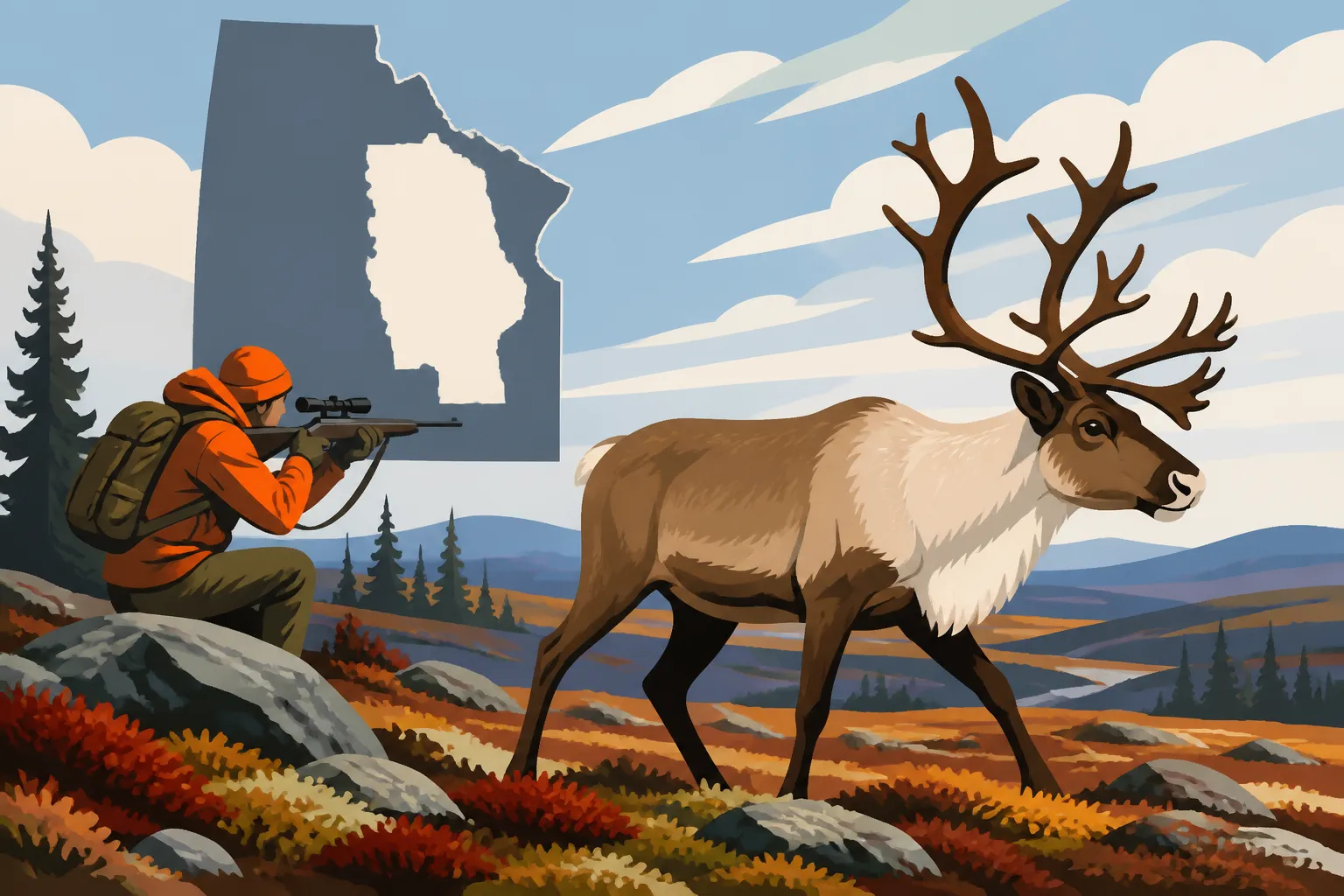
Manitoba is home to a portion of the vast Barren-Ground Caribou herds that roam Canada's northern reaches. Primarily, hunters in Manitoba will be looking for segments of the Qamanirjuaq herd, which ranges across Nunavut and parts of northern Manitoba and Saskatchewan. These aren't static populations; they are constantly on the move, driven by instinct, weather, and food availability. Their migration patterns are legendary, sometimes involving hundreds of thousands of animals moving en masse across the tundra.
The timing of their arrival in Manitoba's huntable zones is highly variable. Some years, early fall sees large aggregations, while other years, they might only pass through during late season or barely touch the Manitoba border. This unpredictability is a significant challenge for hunters and outfitters alike. Understanding the general routes these herds take, as well as the historical timing of their movements, is paramount. Satellite tracking data, often available through wildlife management agencies or services like GoHunt, can be invaluable for understanding these dynamic movements and increasing your chances of success.
Caribou Biology and Behavior
Barren-ground caribou are incredibly adapted to their harsh environment. They possess dense coats, large hooves for navigating snow and muskeg, and an insatiable drive to move. Unlike deer, both male (bulls) and female (cows) caribou grow antlers, though the bulls' antlers are typically much larger and more impressive. The rut usually occurs in late September to mid-October, when bulls become highly active, displaying, sparring, and herding cows. Post-rut, bulls can be more solitary and focused on feeding to regain lost body mass.
Their senses are keen, particularly their eyesight and sense of smell. On the open tundra, they can spot movement from an astonishing distance. Approaching them requires careful planning, often using terrain features, subtle elevation changes, and the wind to your advantage. They often travel in lines or small groups, and their constant movement means you rarely find them "bedded down" in the traditional sense, making still-hunting an active pursuit. Recognizing their distinctive tracks and understanding their feeding habits, which mostly involve lichen, sedges, and willow shoots, will greatly assist your scouting efforts.
Population Status and Conservation
Caribou populations, especially barren-ground herds, are known for their dramatic fluctuations. Over the past few decades, many major herds have experienced significant declines, leading to increased conservation efforts and stricter hunting regulations. It's a real worry for many hunters to see these numbers drop. In Manitoba, the hunting of barren-ground caribou is tightly regulated, and the province works closely with neighboring jurisdictions and Indigenous communities to monitor herd health.
Understanding the current status of the Qamanirjuaq herd and any specific advisories or quotas is absolutely essential before planning a hunt. These regulations can change year to year based on population surveys and conservation concerns. For non-resident hunters, a Manitoba Caribou Licence Rules outlines specific requirements, often mandating a guided hunt. This isn't just about bureaucracy; it's a critical part of ensuring sustainable hunting practices for these iconic animals. It's a shared responsibility to respect these majestic animals and their long-term survival.
Planning Your Northern Manitoba Caribou Expedition
Planning a barren-ground caribou hunt isn't like planning a whitetail hunt a few hours from home. It's an intricate dance of regulations, logistics, and preparing for the unexpected. Failing to dot your i's and cross your t's here can mean a very expensive and disappointing trip.
Choosing the Right Time of Year
The caribou season in Northern Manitoba typically runs from late August through to November, with specific dates varying year to year and by Game Hunting Area (GHA). However, simply knowing the dates isn't enough; you need to align your hunt with the caribou's unpredictable migration patterns.
- Late August/Early September: This period can offer warmer weather, fewer bugs, and caribou often still in velvet, making for beautiful trophies. However, the caribou might not have moved far south from their calving grounds yet, meaning you might be hunting the fringe of their range. Finding them can be harder, but if you do, they're often in smaller, less pressured groups.
- Late September/Early October (The Rut): This is often considered prime time by many hunters. Bulls are in their peak antler development, coats are thick, and the animals are highly active due to the breeding season. The landscape is also painted with fall colors, making for breathtaking scenery. This is when the When Caribou Reach Northern Manitoba question becomes most critical. Success rates can be higher as the caribou are more concentrated and vocal. However, weather can be highly variable, from crisp fall days to early winter storms.
- Late October/November: As winter truly sets in, the caribou often push further south, and larger aggregations can occur. The trade-off is extreme cold, shorter daylight hours, and the potential for heavy snow, which can complicate travel and logistics. Hunters who brave these conditions often find caribou with thick, prime winter coats. This is also when you need to be seriously prepared for Hunting Safely in Deep Winter Cold.
The best advice is to consult with outfitters who have years of experience in the specific GHAs you're interested in, as they often have the most up-to-date knowledge of recent migration trends.
Essential Permits and Licences
Navigating the licensing requirements for caribou in Manitoba can be a bit of a labyrinth, especially for non-residents. First and foremost, you'll need a valid Manitoba hunting licence. For Canadian residents, this is usually straightforward, purchased through Manitoba's online portal. However, for non-residents, particularly foreign residents, the rules become more stringent.
Non-residents of Canada are typically required to engage the services of a licensed Manitoba outfitter or guide for caribou hunting. This isn't just a recommendation; it's often a legal mandate under the Rules for Non-Residents Hunting Manitoba. This ensures proper management, ethical hunting, and that hunters are accompanied by experienced professionals who understand the remote terrain and specific regulations. You'll also need a species-specific caribou tag, which is limited and often allocated to outfitters. Ensure you understand all fees, including the Manitoba Big Game Tag Cost Per Species and any draw application fees if applicable, as these can add up. Always carry your physical licence and tags with you in the field.
Guided Versus Unguided Hunts
For barren-ground caribou in Northern Manitoba, the distinction between guided and unguided hunts is very important and often determined by your residency status.
- Guided Hunts (Mandatory for Foreign Non-Residents): If you are a foreign resident (e.g., from the United States), a guided hunt is mandatory. This means you will book with a licensed Manitoba outfitter who provides a professional guide, camp, food, transportation within the hunting area, and often assistance with field care and trophy preparation. These hunts are an investment, but they provide unparalleled access to remote areas and the expertise needed for a successful and safe trip. Outfitters typically handle much of the logistical heavy lifting, like charter flights to remote camps. The Booking a Manitoba Caribou Hunt section of our content hub goes into much more detail on what to expect. Brands like GoHunt can be excellent resources for finding reputable outfitters and comparing packages, helping you make an informed decision on who to book with.
- Unguided Hunts (Limited to Canadian Residents): Canadian residents might have the option to pursue an unguided caribou hunt, provided they meet all licensing requirements and are proficient in wilderness survival and navigation. This is a truly self-sufficient expedition into wild country. You are responsible for all logistics: transportation (often bush planes), setting up your own camp, food, navigation, field care, and extraction. This option demands a very high level of experience, physical fitness, and a robust wilderness skill set. You'll need to know how to read a Manitoba GHA Map Before You Go and possibly leverage tools for Scouting With Satellite Imagery in Manitoba. While it can be more cost-effective, the risks and challenges are significantly higher. Most hunters, even experienced ones, find the sheer scale and remoteness of a barren-ground caribou hunt pushes them towards a guided experience for safety and success.
| Aspect | Guided Hunt (Non-residents typically required) | Unguided Hunt (Canadian residents only) |
|---|---|---|
| Logistics | Handled by outfitter (transport, camp, food) | Hunter's responsibility entirely |
| Expertise | Professional guide provides local knowledge | Hunter relies on personal experience & research |
| Safety | Enhanced safety protocols, emergency plans | High degree of self-reliance, greater inherent risk |
| Cost | Higher upfront cost (package includes services) | Lower upfront cost, but hidden costs possible |
| Access | Often includes remote fly-in access | Requires self-arranged remote access (e.g., charter) |
| Permits/Licensing | Outfitter often assists with acquisition | Hunter responsible for all applications |
| Success Rate | Generally higher due to guide knowledge | Varies widely based on hunter's skill & luck |
| Flexibility | Limited by outfitter schedule/package | Maximized, but requires extensive planning |
Logistics of a Remote Caribou Hunt
The "how" of getting to and surviving in the Northern Manitoba caribou country is just as important as the "what" you're hunting. This isn't a place for shortcuts or hoping things work out.
Getting to Northern Manitoba
Your journey to hunt barren-ground caribou in Manitoba typically begins by flying into Winnipeg or another major northern hub like Thompson. From there, the real adventure starts. Commercial flights can get you to towns closer to the subarctic, but much of the actual hunting ground is only accessible by air or, in some limited cases, by winter roads which are usually not open during hunting season.
For most hunters, especially those booking with an outfitter, the next step involves a charter flight. This means taking a float plane or wheel plane from a northern community airstrip to a remote lake or improvised landing strip near the hunting area. This is often the most significant logistical hurdle and expense. Charters typically have strict weight limits for gear and baggage, so packing strategically is crucial. You'll definitely want to understand What a Fly-In Camp Weight Limit Means to avoid unexpected fees or leaving essential gear behind. It's truly a testament to the remoteness of the region that specialized aircraft are the only way in.
Camp Life and What to Expect
Remote caribou camps are generally rustic but functional. Think tent camps, either wall tents with wood stoves or sturdy dome tents, often on raised platforms to keep out ground cold. Amenities will be basic: outhouses, a central cooking/eating tent, and perhaps a separate drying tent. Running water is a luxury – you'll be melting snow or drawing from a nearby lake. This is not a lodge hunt with daily hot showers.
Camp life revolves around the hunt. Days start early, often before first light, with a hearty breakfast. You'll spend the day out in the elements, either on foot, ATV (if permitted and supplied by the outfitter), or snowmobile (in late season). Evenings are for sharing stories, planning the next day, drying gear, and enjoying a warm meal. Expect no cell service; communication with the outside world is usually limited to satellite phones or inReach devices carried by guides for emergencies. This truly allows for a full immersion in the wilderness experience, but it also means you need to be self-reliant and prepared for Emergency Plans in Manitoba's Bush.
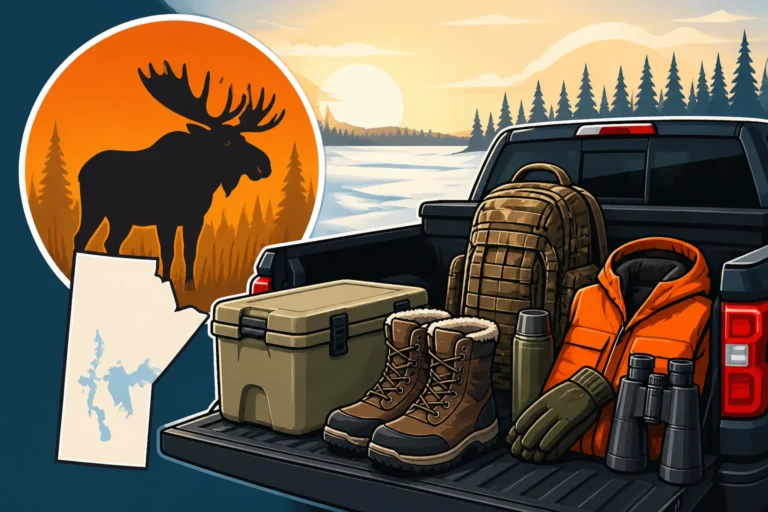
Gear for Extreme Northern Conditions
The weather in Northern Manitoba is notoriously fickle, especially during the fall caribou season. You can experience all four seasons in a single day: brilliant sunshine, driving rain, sleet, snow, and bone-chilling winds. Layering is not just a suggestion; it's a survival imperative. Your gear needs to be robust, waterproof, windproof, and suitable for temperatures ranging from above freezing to well below -20°C (-4°F).
Essential gear includes:
- Outerwear: High-quality, waterproof, windproof jacket and pants (Gore-Tex or similar).
- Insulation: Multiple layers of fleece, down, or synthetic insulation.
- Base Layers: Moisture-wicking merino wool or synthetic. Avoid cotton at all costs.
- Headwear: Warm hats, balaclavas, neck gaiters to protect against wind and cold.
- Gloves/Mitts: Several pairs of different weights, including waterproof over-mitts.
- Footwear: Insulated, waterproof boots suitable for extreme cold, with plenty of spare socks. Think Schnee's, Kenetrek, or even Arctic Pro Muck Boots.
- Navigation: GPS device with extra batteries, compass, paper maps (even if guided).
- Optics: High-quality binoculars (10×42 or 12×50) and a spotting scope are indispensable for glassing the vast tundra.
- Weapon: Reliable rifle (chambered for calibers like .30-06, .300 Win Mag, 7mm Rem Mag) or bow, adequate ammunition.
- Sleeping System: Warm sleeping bag rated for at least -20°C, insulated sleeping pad.
- Other: Headlamp with extra batteries, first-aid kit, fire starter, multi-tool, personal hygiene items, water bottle, and a method for purifying water.
Remember, every piece of gear must be chosen for its durability and performance in harsh conditions. You are literally staking your comfort and safety on your equipment.
Hunting Strategies and Techniques
Hunting barren-ground caribou is a physical and mental challenge that requires patience, keen observation, and the ability to adapt to ever-changing conditions. It's often referred to as a "walking hunt" due to the vast distances covered on foot.
Spot and Stalk in the Tundra
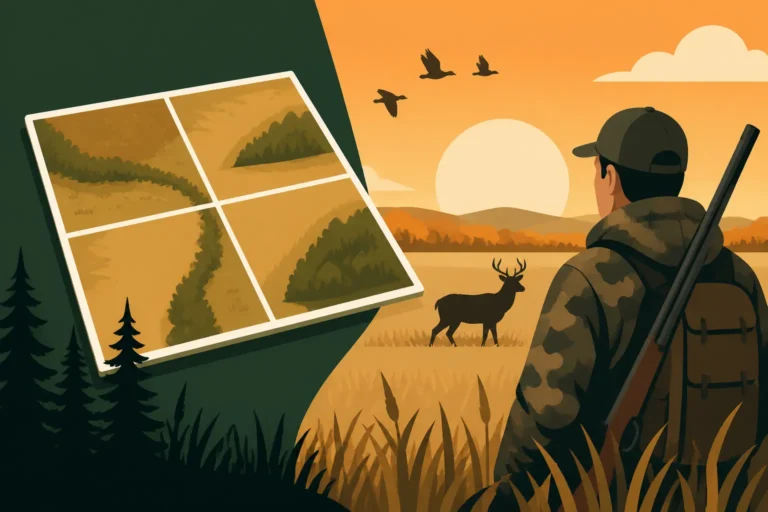
The primary hunting method for barren-ground caribou is spot and stalk. The open, treeless tundra offers incredible visibility, but it also means there's very little cover to conceal your approach. This is where your optics become your best friend. You'll spend hours, sometimes days, glassing distant ridges, depressions, and river valleys, searching for the telltale dark shapes of caribou. A good pair of 10×42 binoculars or even a 12×50 will serve you well, but a quality spotting scope will dramatically improve your ability to identify animals at extreme ranges and assess their trophy potential. GoHunt's mapping tools can also help you identify key glassing knobs and potential caribou travel corridors before you even set foot on the tundra.
Once caribou are spotted, the real work begins. Planning an approach requires careful consideration of the terrain, wind, and the caribou's unpredictable movements. You'll use every subtle depression, rock outcrop, and willow thicket to your advantage, often crawling or moving slowly to minimize your profile. Stalks can be long, arduous, and sometimes take hours. It's not uncommon to close distances of several miles on foot, only for the caribou to suddenly move, forcing you to adjust or restart your stalk. Patience is truly a virtue here.
Using the Wind and Terrain
The wind on the open tundra is a constant factor and must be respected. Caribou have an excellent sense of smell, and a single whiff of human scent will send them scattering across the landscape. Always approach from downwind. This can sometimes mean taking a much longer, circuitous route, but it dramatically increases your chances of getting within shooting range undetected. Carry a wind checker and use it frequently.
Terrain features, no matter how subtle, are your allies. Even a slight rise or a shallow depression can offer enough cover to break up your silhouette. Learn to "read" the land: identify natural travel corridors, feeding areas, and potential escape routes. Caribou often follow contours, riverbeds, or the edges of eskers (long, winding ridges of sand and gravel deposited by glaciers). These natural pathways can offer both concealment for you and predictable movement patterns for the caribou. Understanding these aspects of the Hunting Manitoba's Tundra Transition Country is paramount.
Shot Placement and Tracking
Given the often extreme conditions and the animal's constant movement, precise shot placement is critical. Caribou are tough animals, and a poorly placed shot on the open tundra can lead to a long, difficult, and potentially unsuccessful tracking job, which is a hunter's worst nightmare. Aim for the vital organs – the heart-lung area, typically behind the shoulder. Practice shooting from various field positions, including prone, kneeling, and off a pack, as stable shooting rests are rarely abundant in the tundra.
If a caribou runs after the shot, mark the exact location where it was standing and the direction of travel. Look for blood, hair, or any sign of impact immediately. Tracking on the tundra can be challenging; sparse vegetation, rocky ground, or fresh snow can obscure sign. However, the vast open spaces can sometimes work to your advantage, allowing you to visually track a wounded animal from a distance. A good guide will be invaluable in these situations. Always give a wounded animal time before pursuing, but also be mindful of rapidly changing weather conditions that can erase a trail.
Field Care and Meat Handling in the North
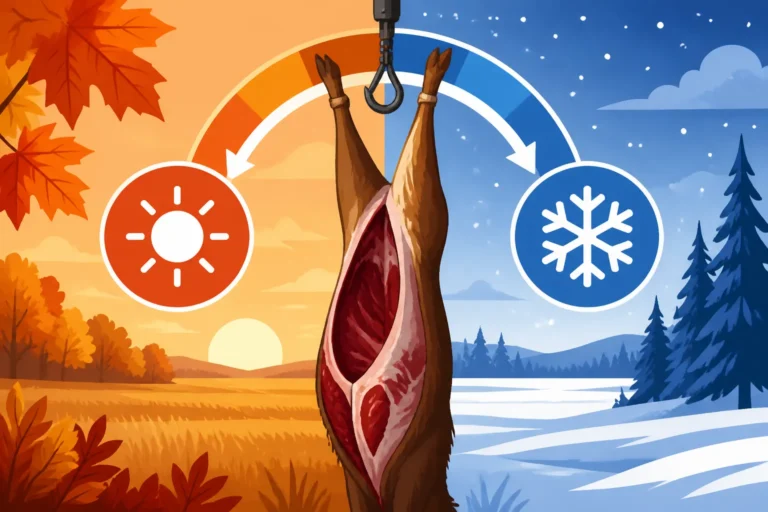
Congratulations, you've harvested a caribou! Now the real work of preservation begins. In the cold northern environment, proper field care is not just about respecting the animal; it's about preserving high-quality meat. Meat Care in Manitoba's Cold Snaps is a skill set you'll want to have dialed in.
Immediate Field Dressing
As soon as your caribou is down, the clock starts ticking, especially if temperatures are mild. The goal is to cool the carcass as quickly as possible. Roll the animal onto its back, prop it open with sticks or rocks if needed, and make a careful incision from the sternum to the pelvis. Remove all internal organs, including the trachea and esophagus. Be careful not to puncture the stomach or intestines.
Once the organs are out, wipe the cavity clean with snow or paper towels – avoid using water if it's too warm, as it can encourage bacterial growth. This immediate dressing helps dissipate body heat and prevents spoilage. If you plan to take a head and cape for a trophy, remember to make a careful incision around the neck and behind the front legs. Understanding Skinning a Bear for a Rug (which is a similar careful skinning process for trophy) could provide some transferable insights into proper cape removal for taxidermy.
Quartering and Cooling the Carcass
Due to the size of a caribou and the need to pack it out of remote areas, quartering the animal is usually the next step. This involves separating the animal into its major muscle groups: two front shoulders, two hindquarters, and the backstraps and tenderloins. Remove as much bone as possible to reduce weight, especially if you're Packing Caribou Out to a Float Plane or long distances on foot.
Once quartered, get the meat off the ground and into game bags. This protects it from dirt, flies, and scavengers while allowing air to circulate. Hang the meat in a shady, airy spot if possible. In colder temperatures typical of a northern hunt, the meat will chill rapidly. However, if conditions are above freezing, you need to be extra vigilant about keeping the meat cool. Never stack warm quarters; ensure airflow around each piece. A good outfitter will have designated meat poles or areas for cooling.
Packing Out Your Caribou
Packing a caribou out of the field is perhaps the most physically demanding part of the hunt. Even when quartered, a mature bull caribou can weigh several hundred pounds. You'll likely be carrying meat and the skull/antlers over rugged, uneven terrain, possibly for miles. Many hunters utilize sturdy backpack frames designed for heavy loads. Each quarter will require a separate trip or be distributed among hunting partners.
If your camp is accessible by ATV or snowmobile, the packing burden is eased considerably, but you'll still have to get the meat to the machine. For fly-in hunts, once the meat reaches camp, it will need to be packed into designated containers for the flight out. Remember, this is a multi-day process, and being physically conditioned for these demands is crucial. There's nothing quite like the satisfaction of a successful pack-out, but it's earned through sheer grit and planning.
Respecting the Land and Its Wildlife
Hunting in Northern Manitoba is a privilege, not a right. The vast, untamed wilderness demands our respect and responsible stewardship to ensure it remains pristine for generations to come.
Ethical Hunting Practices
Ethical hunting means more than just following the law; it's about demonstrating respect for the animal, the land, and fellow hunters. This includes:
- Fair Chase: Hunting caribou in a manner that doesn't give you an unfair advantage. This means no spotlighting, no shooting from vehicles, and respecting setback distances from roads or camps.
- Responsible Shot Selection: Taking high-percentage shots at ethical distances, ensuring a quick, clean kill. Avoid rushing shots or taking chances that might lead to a wounded animal.
- No Wasted Meat: Making every effort to retrieve all edible meat from your harvested animal. Rules on Wasting Game Meat are often strict in Manitoba, reflecting the value of this resource.
- Respect for Other Hunters: Being mindful of other hunting parties, giving them space, and avoiding interference. The north is vast, but courtesy goes a long way.
It's about leaving no trace and ensuring your actions contribute positively to the perception of hunting.
Minimizing Environmental Impact
When hunting in such a remote and pristine environment, minimizing your environmental footprint is critical.
- Leave No Trace Principles: Pack out everything you pack in, including all trash, spent casings, and any non-biodegradable waste.
- Camp Responsibly: If not using an outfitter's established camp, choose durable surfaces for camping, avoid digging trenches, and ensure campfires are completely extinguished.
- Respect Waterways: Avoid contaminating streams, lakes, and other water sources.
- Limit Off-Trail Travel: Stick to established trails or avoid sensitive vegetation where possible, especially in vulnerable tundra environments.
The wilderness here is fragile, and it's our responsibility to keep it that way. These aren't just rules; they're the unspoken code of the north.
Safety in Remote Wilderness
The remoteness of Northern Manitoba means that help is often days away. Your safety is paramount, and preparedness is your first line of defense.
- Communication: Carry a satellite phone or a two-way satellite messenger (like an inReach or Zoleo) for emergency communication. Cell service is non-existent.
- First Aid: A comprehensive first-aid kit is non-negotiable, and knowing how to use it is even more important. Consider taking a wilderness first-aid course.
- Navigation: Even with a guide, carry your own GPS, compass, and maps. Know how to use them.
- Survival Gear: Always have essentials like fire starters, emergency shelter, extra food, and water purification tablets on your person, even for short excursions from camp.
- Wildlife Awareness: While caribou are the target, you are in bear country (both black and grizzly in some far northern areas), and wolves are common. Carry bear spray and know how to use it. Be aware of your surroundings. The Wildlife Safety in Manitoba Bear Country is a critical read.
- Group Hunting: Never hunt alone in these remote areas. Stick with your guide or hunting partners.
Being prepared for the unexpected is not paranoia; it's just smart hunting in the northern wilderness.
Common Challenges and How to Overcome Them
Hunting barren-ground caribou will inevitably throw challenges your way. It's how you prepare for and respond to these obstacles that often determines the success and enjoyment of your trip.
Weather Extremes and Adaptations
As mentioned, northern weather is wild. One moment it's sunny, the next a whiteout blizzard rolls in. The biggest challenge is often the wind, which can make even mild temperatures feel bitterly cold. Rain can turn to sleet or snow in an instant. This unpredictability means you need adaptable gear and a flexible mindset.
- Layering: The key to adapting is layering. Start with a good base layer that wicks moisture, add insulating layers, and top with a waterproof, windproof outer shell. As conditions change, you can add or shed layers.
- Hand and Foot Warmth: These are often the first parts of your body to get cold. Invest in high-quality insulated boots, plenty of wool socks, and multiple pairs of gloves or mitts. Hand and foot warmers can also be a lifesaver when sitting still.
- Mental Fortitude: Don't let bad weather break your spirit. Embrace the challenge. Sometimes, the worst weather pushes caribou to move, creating hunting opportunities. Remember the importance of Sitting All Day in a Manitoba Blind when conditions are extreme, as it might be your best bet to stay warm and wait out the weather.
Navigating Vast Open Tundra
The sheer scale of the tundra can be overwhelming. Without trees or prominent landmarks, it's easy to become disoriented, even on a clear day. When fog or whiteout conditions roll in, visibility can drop to mere feet, making navigation incredibly dangerous.
- GPS and Map Skills: Always rely on your GPS, but know how to use a compass and paper map as a backup. Mark your camp location and any significant landmarks or game trails.
- Travel with a Partner: Never venture far from camp alone, especially in poor visibility. Staying with your guide or hunting partner is crucial.
- Situational Awareness: Constantly pay attention to your surroundings, noting the sun's position, wind direction, and any unique terrain features that could serve as navigation points.
- GoHunt's Digital Maps: Utilizing apps like GoHunt on your phone or tablet (with downloaded maps for offline use) can give you a significant advantage for identifying terrain features, mapping your route, and staying oriented. Just ensure your devices are protected from the cold and have ample battery backup.
Wildlife Encounters
While hunting caribou, you're sharing their habitat with other wildlife, including large predators. Wolves are common in Northern Manitoba and can be attracted to gut piles or camp smells. Bears, both black and grizzly (though grizzlies are less common in Manitoba's hunting zones but possible in the far north), are also part of the ecosystem.
- Be Bear Aware: Store food securely, cook away from sleeping areas, and properly dispose of gut piles far from camp. Carry bear spray and know how to use it.
- Wolf Awareness: Wolves are typically shy of humans, but they are opportunistic. Don't leave unattended food or game meat around camp. Calling Coyotes in Manitoba Farm Country is a different endeavor, but understanding predator behavior is universally helpful.
- Respect All Wildlife: Maintain a respectful distance from all wild animals. Observe them, but don't approach or harass them.
By understanding and respecting the challenges of the northern wilderness, you can ensure your barren-ground caribou hunt is not only successful but also safe and profoundly rewarding. It's an unforgettable adventure that truly connects you with the wild heart of Manitoba.
Disclaimer
Please be aware that hunting regulations, season dates, and licensing requirements can change. This article is intended as a general guide and does not replace the official regulations published by Manitoba Environment and Climate Change. Always consult the current Manitoba Hunting Guide and relevant provincial government websites before planning any hunt to ensure compliance with all laws and regulations.