Hunting Around Roblin and Russell
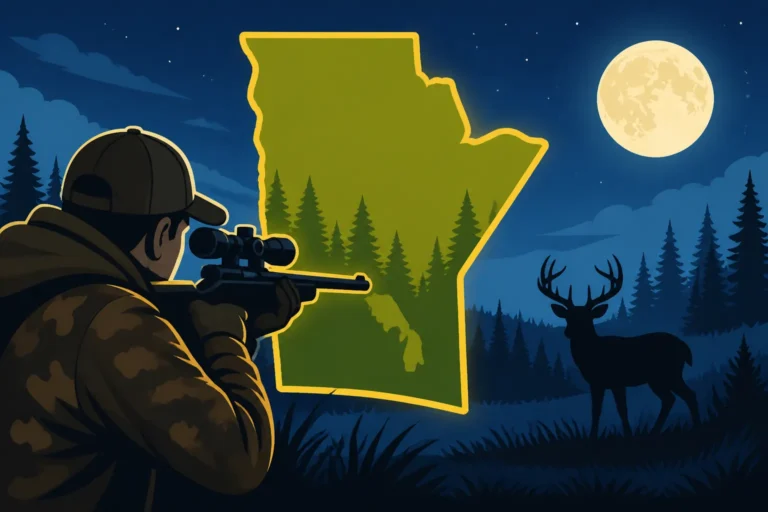
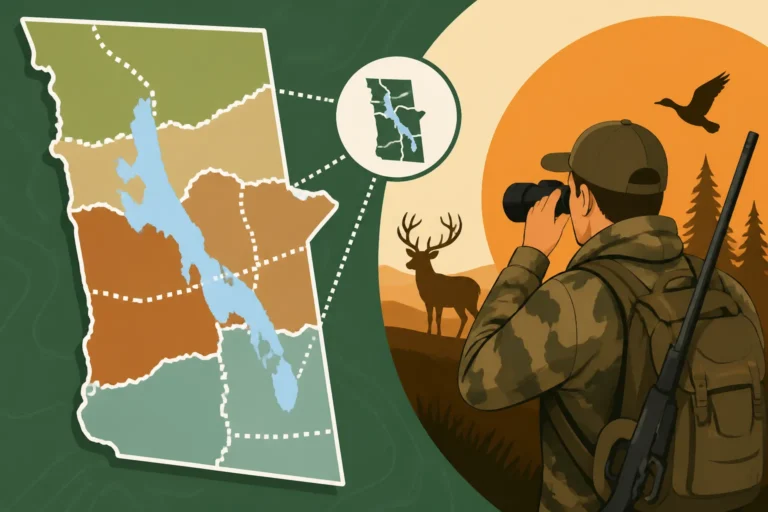
The areas surrounding Roblin and Russell offer a unique blend of hunting opportunities, nestled in Manitoba's beautiful Parkland region where rich agricultural land meets rolling aspen bluffs and dense bush pockets. However, navigating this diverse landscape, understanding where to hunt, and identifying the best strategies can be a real headache for hunters, especially those new to the area or trying to maximize their time. This guide is designed to cut through that confusion, providing you with a thorough understanding of the terrain, target species, and practical tips to make your hunts around Roblin and Russell successful and enjoyable.
Understanding the Landscape Around Roblin and Russell
The region around Roblin and Russell is a fascinating mosaic, truly showcasing Manitoba's "Parkland" designation. You're not just looking at endless fields, nor are you deep in the boreal forest. Instead, it's a dynamic transition zone that dictates game movement and hunting strategies.
The Blend of Agriculture and Aspen Parkland
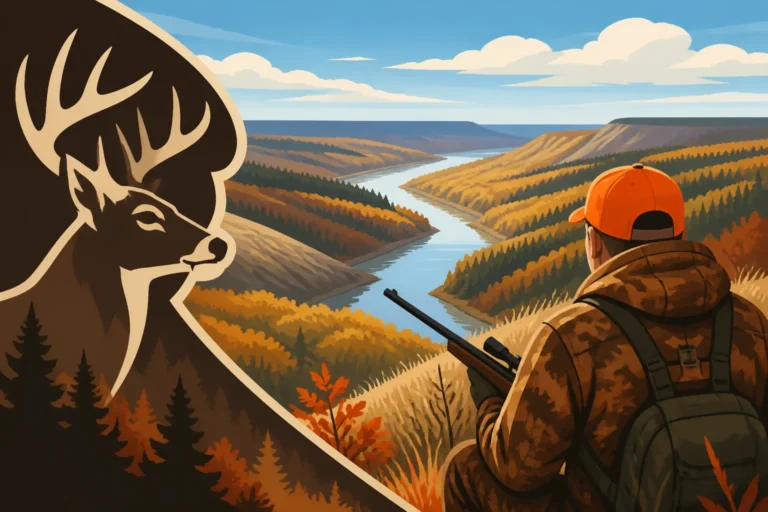
Imagine driving through fertile fields of wheat, barley, canola, and corn, then suddenly cresting a hill to find yourself looking down into a sprawling valley laced with dense stands of aspen, willow, and balsam poplar. This is the essence of hunting around Roblin and Russell. The agricultural lands provide abundant food sources for deer, elk, and various bird species, drawing them out into the open, especially during feeding times. However, these animals rely heavily on the nearby bluffs and bush pockets for cover, bedding, and security.
The topography here isn't flat; it's often rolling, with significant elevation changes as you approach the fringes of the Duck Mountain Provincial Forest to the north and west, or the gently undulating terrain closer to the Assiniboine River. This creates natural funnels, pinch points, and thermal cover that become crucial for successful hunting. Understanding these transitions is key. Deer, for example, will use those shelterbelts and bluffs as travel corridors between feeding areas and their core bedding grounds. Recognizing these patterns by scouting, both on the ground and with tools like onX Hunt, can save you countless hours. Hunting Manitoba's Parkland Region is all about leveraging these unique features.
Proximity to Provincial Forests and Waterways
One of the biggest advantages of hunting this area is its close proximity to significant tracts of provincial forest. The Duck Mountain Provincial Forest looms large to the northwest, acting as a massive sanctuary and breeding ground for whitetails, elk, and black bears. Animals will often disperse from these larger forested areas into the surrounding private and Crown lands, especially during the fall as hunting pressure increases or as they seek out agricultural food sources.
Furthermore, the region is dotted with numerous small lakes, rivers, and sloughs, remnants of ancient glacial activity. These waterways, like the Assiniboine River system and various creeks, provide critical water sources and additional cover. For waterfowl hunters, these wetlands and the adjacent grain fields are absolute magnets for migrating ducks and geese. Even for big game, a frozen slough crossing or a willow-lined creek can be a predictable travel route or a hiding spot. Hunting Around Roblin and Russell means being aware of how these larger natural features influence game movement.
Key Species and Their Habits in the Roblin-Russell Region
When you're planning a hunt around Roblin and Russell, you're primarily looking at opportunities for white-tailed deer, various waterfowl, and a selection of upland game birds. Each species presents its own unique challenges and rewards, largely influenced by the mixed habitat.
White-tailed Deer: The Parkland's Prized Pursuit
White-tailed deer are undeniably the stars of the show in this part of Manitoba. The combination of abundant agricultural food sources and dense cover provides ideal conditions for healthy, robust deer populations, often producing impressive body weights and antler growth. These deer thrive in the fringe areas, moving between the security of the bush and the nourishment of the fields.
During the early archery season, deer are often still on predictable patterns, moving between summer bedding areas and preferred feeding fields. As the rifle season approaches and especially during the rut, their patterns become more erratic, driven by breeding instincts. Look for signs of rut activity—scrapes, rubs, and fresh tracks—along the edges of bluffs, within willow runs, and where bush meets farmland. Hunting the Rut in Early to Mid November is prime time here. You'll often find bucks cruising these transition zones, scent-checking for does. Later in the season, as snow deepens, deer will often yard up in thicker bush for thermal cover and seek out standing corn or other late-season food plots. Understanding these seasonal shifts is crucial for success.
Waterfowl: A Hunter's Paradise in the Fields and Potholes
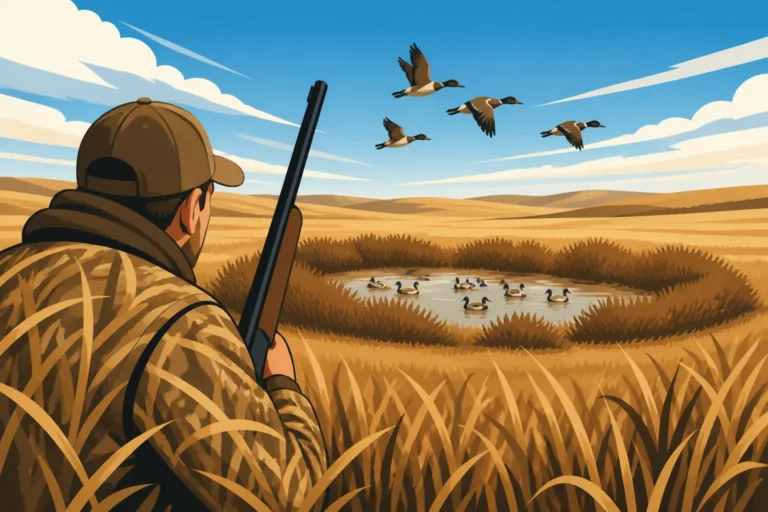
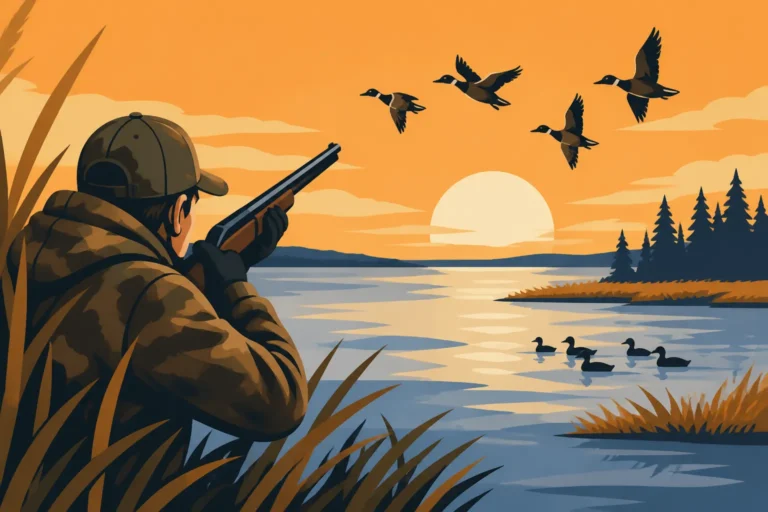
If you're a waterfowl hunter, the Roblin-Russell area is truly exceptional. Situated within the Central Flyway, this region sees a tremendous migration of ducks and geese every fall. The vast grain fields become staging grounds for thousands of Canada geese, snow geese, specklebellies, and sandhill cranes, while the countless potholes, sloughs, and marshy areas attract a diverse array of duck species like mallards, pintails, wigeon, and gadwall.
Scouting is paramount for waterfowl success. Birds will be feeding heavily in fields of swathed grain, harvested peas, or standing corn. You'll often spot them from the road, congregating in large numbers. Hunting a Swathed Grain Field at Dusk can be incredibly productive. For ducks, focus on the smaller potholes and larger sloughs where they loaf during the day or feed in the early morning and late evening. Getting permission from landowners is often easier for waterfowl than for big game, but it's still absolutely essential. Be prepared for early mornings, cold temperatures, and the need for good decoys and calling techniques.
Upland Birds: Sharptails and Huns on the Margins
Beyond big game and waterfowl, the Roblin-Russell area offers fantastic opportunities for upland bird hunting, primarily sharp-tailed grouse and Hungarian partridge (Huns). These birds also thrive in the mixed agricultural and parkland habitat, providing a fast-paced, walk-and-stalk hunting experience.
Sharp-tailed grouse prefer open grasslands, brushy edges, and the transition zones between fields and light bush. They are often found in larger coveys, especially in the fall, and can provide exciting flushes. Walking Up Sharp-Tailed Grouse in Manitoba requires covering ground and being ready for a quick shot. Hungarian partridge, on the other hand, are often found in farm country, along shelterbelts, field edges, and brushy fence lines. They are notoriously fast flyers and will hold tight, often flushing explosively from underfoot. Both species benefit from the same type of habitat management that keeps the deer and waterfowl populations healthy.
Finding Access and Scouting Strategies
Access is often the biggest hurdle for hunters, especially in regions with a mix of private and public lands like Roblin and Russell. Effective scouting and respectful engagement with landowners are absolutely critical.
Navigating Crown Land and Private Property Boundaries
Manitoba has a good amount of Crown land, but it's not always neatly laid out or easily identifiable, especially in the more settled southern regions. Around Roblin and Russell, you'll find blocks of Crown land, particularly towards the larger provincial forests like Duck Mountain. However, these are often interspersed with private agricultural holdings. This mosaic can be challenging, but it also means that animals moving between private food sources and public refuge areas create excellent hunting opportunities.
This is where modern mapping tools become indispensable. Applications like onX Hunt are game-changers. They allow you to clearly see property boundaries, identify Crown land, and even show landowner names in some instances. Before you even set foot in the field, you can use these tools to Scouting With Satellite Imagery in Manitoba, pinpointing promising areas like bluffs, willow draws, or unharvested crop edges on Crown parcels, or figuring out who owns the adjacent private land you might want to approach. GoHunt, while often more focused on western US states, offers valuable insights into game management units and overall regional trends, which can complement your hyper-local mapping efforts.
| Land Type | Characteristics | Key for Hunters | Access Considerations |
|---|---|---|---|
| Private Land | Farm fields, pastures, woodlots, shelterbelts. Often provides prime food sources. | High density of deer, waterfowl, upland birds. | Always require permission. Respect "No Trespassing" signs. Build landowner relationships. |
| Crown Land (Public) | Forest blocks, undeveloped bush, wetlands, riparian zones. Often provides cover and bedding. | Accessible hunting, less pressure (further off roads). | Check GHA maps; use mapping apps (onX Hunt) to confirm boundaries. Follow provincial rules. |
| Wildlife Management Areas (WMAs) | Dedicated conservation areas with specific rules. | Excellent for waterfowl, some upland birds and deer. | Check specific WMA regulations for hunting restrictions and open seasons. |
The Art of Getting Private Land Permission
In areas like Roblin and Russell, where much of the prime habitat is on private land, respectfully asking for permission is an essential skill. Many landowners are receptive to ethical hunters, especially those who offer to help with wildlife management, such as culling antlerless deer to reduce crop damage or helping to manage coyote populations.
Start by being polite and clear about your intentions. Getting Private Land Permission in Manitoba means more than just knocking on a door. Offer to provide your name, contact information, and even a copy of your hunting license. Ask about specific areas you can or cannot hunt, and respect their wishes absolutely. Showing up well-dressed, in a clean vehicle, and being genuinely interested in their property and concerns goes a long way. Sometimes, offering a hand with a chore or even leaving a small token of appreciation after a successful hunt can solidify a positive relationship for future seasons. Always confirm permission the day of the hunt, if possible, and leave gates as you found them.
Strategic Hunting Approaches for the Roblin-Russell Area
Once you understand the landscape and the species, it’s time to talk strategy. Hunting around Roblin and Russell often means adapting your approach to the specific conditions of the day and the phase of the season.
Still-Hunting and Stand Hunting in Mixed Cover
For white-tailed deer, a combination of still-hunting and stand hunting is often the most effective. Still-hunting involves moving slowly and deliberately through cover, stopping frequently to observe and listen. This is particularly effective in the aspen bluffs and willow thickets, where deer often bed down. Pay close attention to wind direction, as deer rely heavily on their sense of smell. Move into the wind, taking advantage of any small rises or openings to glass ahead. This method works well for Hunting a Manitoba Bush Edge or exploring deeper into a woodlot.
Stand hunting, whether from a tree stand or a ground blind, is excellent for intercepting deer moving between bedding and feeding areas. Set up along natural funnels, pinch points, or known travel corridors. A field edge where deer enter a standing crop, or a bluff between two fields, are classic locations. Knowing the timing of deer movement (dawn and dusk are usually best) is crucial here. Use a mapping app like onX Hunt to identify these transition points and plan your approach to your stand without spooking game.
Decoying and Calling for Waterfowl and Predators
Waterfowl hunting in the Roblin-Russell area is often a decoy-centric game. For geese, large spreads of full-body decoys in a stubble field, combined with effective calling, can be incredibly effective. Field scouting daily helps locate where birds are feeding. Hunting Snow Geese Over a Big Spread requires commitment and a good setup. For ducks, a smaller spread of floating decoys on a slough or a dry-field spread near a small pothole can work wonders. Effective calling helps seal the deal, luring birds into range.
Predator hunting, particularly for coyotes, is another popular pursuit in this region, especially in the winter months. Coyotes are abundant and respond well to calling, especially distress calls or howls. The open nature of many farm fields makes long-range shooting opportunities common. Setting up along a shelterbelt or a bluff overlooking a large field and using an electronic caller can draw coyotes in. Calling Coyotes at First Light is often a productive time, but they can be called throughout the day. Always be mindful of land boundaries and safe shooting lanes when hunting predators in settled areas.
Seasonal Adaptations and Scouting Tips
The hunting season in Roblin and Russell stretches from early fall into winter, and your strategies need to adapt with the changing conditions. Early season hunts (September/October) might involve more active still-hunting or sitting over water sources, as deer are often still on summer patterns and haven't felt much pressure. As November arrives, the whitetail rut kicks into high gear, making calling, rattling, and cruising travel corridors highly effective. Rattling and Calling Parkland Whitetails can bring an aggressive buck right into your lap.
Late season, especially in December, often sees colder temperatures and deeper snow. Deer will congregate in heavier cover for warmth and concentrate on remaining food sources like standing corn. Hunting these areas, or identifying frozen slough crossings as predictable travel routes, can be very productive.
Regardless of the season, constant scouting is your best friend. Look for fresh tracks, droppings, rubs, and scrapes. Pay attention to game trails, especially those leading into or out of dense cover. Use binoculars and spotting scopes to observe fields from a distance at dawn and dusk. Talk to local farmers and residents; they often have invaluable insights into game movements and patterns, and building these relationships can open up new opportunities. And remember, persistence and patience are key ingredients for success in this diverse and rewarding hunting landscape.
Disclaimer
This article is for general informational purposes only and does not constitute professional advice. Laws, prices and regulations vary by location and change over time. Consult a qualified professional for guidance on your specific situation.