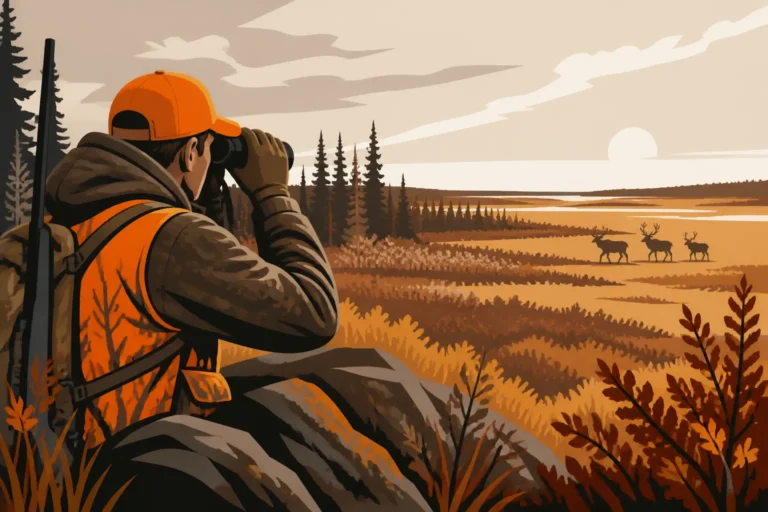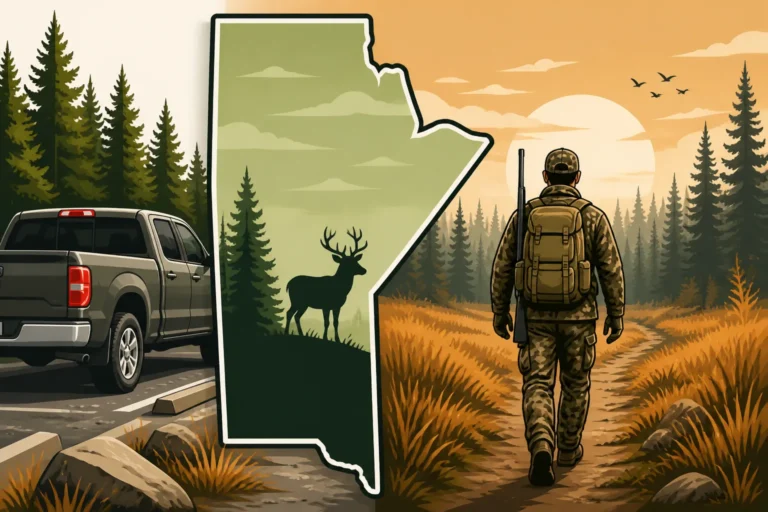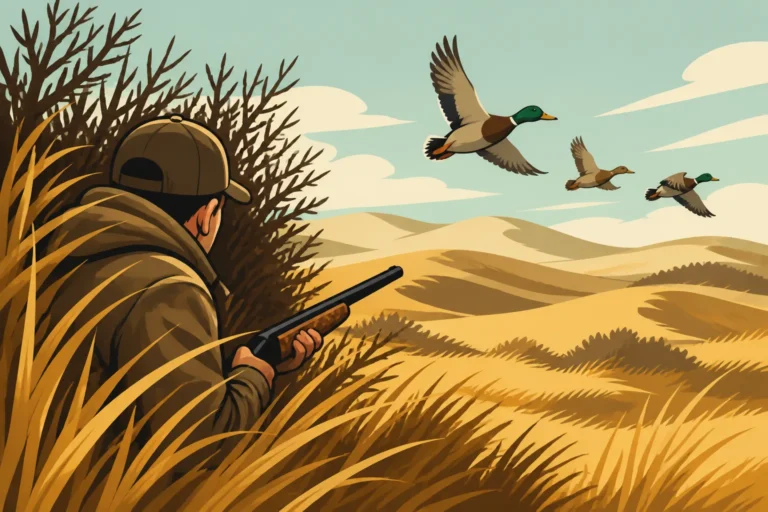
Hunting the Spruce Woods Sand Hills
It's easy to get caught up in the talk about Manitoba's famed bush country or the vast northern wilderness, but many hunters overlook truly unique and challenging landscapes closer to home. The Spruce Woods Sand Hills, with its distinctive topography and diverse ecosystems, presents a fantastic opportunity for a different kind of hunt. This guide will walk you through the specifics of hunting this fascinating region, from understanding its unique environment to targeting specific game animals and navigating its sandy trails, so you can plan a successful and memorable trip.
Understanding the Unique Landscape of Spruce Woods
The Spruce Woods Sand Hills aren't just another patch of Manitoba bush; they represent a truly singular ecosystem. This area, forged by glacial meltwaters thousands of years ago, is characterized by its rolling sand dunes, unique plant life, and surprising pockets of dense forest and wetland. For a hunter, this means a vastly different experience than the typical farmland edge or boreal forest hunt. You're entering a landscape where the ground beneath your boots tells a story of ancient forces, and the game has adapted to thrive in these conditions.
Geology and Habitat Features
Imagine an ancient seabed, carved and shaped by the powerful meltwaters of the last ice age, leaving behind vast deposits of sand. That's the geological story of Spruce Woods. Over millennia, this sand was sculpted by wind into rolling dunes, which eventually stabilized and became vegetated. What you'll find today is a mosaic of habitats: open grasslands with unique prairie flora, dense stands of aspen and oak, scattered jack pine forests clinging to sandy ridges, and surprisingly, pockets of black spruce and tamarack in low-lying, wetter areas. There are also numerous spring-fed ponds and marshy depressions that act as vital water sources for wildlife. This incredible diversity in a relatively compact area is what makes Spruce Woods so appealing and, at times, so puzzling to hunt. The constantly shifting terrain and the mix of cover types mean that game animals aren't just in one kind of habitat; they move between them based on food, water, and pressure. You can literally walk from dry, sandy prairie into a damp, dense spruce bog within a few hundred yards.
Flora and Fauna Unique to the Region
Beyond the general habitat, Spruce Woods boasts some truly unique plant and animal species that you won't find commonly elsewhere in Manitoba. The dry, sandy soils support plants like prairie crocus and various grasses that are more typical of prairie environments, while the cooler, damp depressions foster boreal species. This ecological overlap creates a rich food source for a variety of game. For instance, the mix of aspen and oak provides excellent browse for deer, while the unique mix of ground cover can hold grouse. You'll also encounter a robust population of snowshoe hare, whose cyclic numbers influence predator populations. Understanding these micro-habitats and their associated forage can be key to locating game. It's not just about finding "deer country"; it's about finding the right deer country within the sand hills, which might be a sun-drenched oak ridge one day and a sheltered spruce pocket the next.
Key Hunting Areas and Access Points
The Spruce Woods Provincial Park and the surrounding Crown land and Wildlife Management Areas (WMAs) make up the core of this hunting region. While the provincial park itself has restrictions, the surrounding areas, particularly the Spruce Woods Provincial Forest, offer ample public hunting opportunities. Access often comes via a network of gravel roads and sandy trails. It's crucial to consult up-to-date GHA maps and land ownership information. Tools like onX Hunt can be incredibly valuable here, displaying property boundaries, trail systems, and topographic features, helping you differentiate between Crown land, provincial park land, and private property. Many of these access points lead to foot trails or ATV trails, but expect to do a good amount of walking, especially once you get away from the main roads. Some areas that look promising on a map might be surprisingly difficult to traverse on foot due to the soft sand, which can feel like walking on a beach uphill, or unexpectedly dense thickets. Always be aware of your location and ensure you're on legal hunting ground. Reading Manitoba Crown Land Layers on onX can provide invaluable help in navigating this complex land ownership puzzle.
Game Species and Hunting Opportunities in Spruce Woods
The diverse habitats of the Spruce Woods Sand Hills support a surprising array of game animals. While whitetail deer are undoubtedly the main draw for many hunters, the region also offers opportunities for moose, elk, and various upland birds and small game. Each species requires a slightly different approach, tailored to how they use this unique environment.
Whitetail Deer Strategies
Manitoba is known for its incredible whitetail hunting, and Spruce Woods is no exception, often producing heavy-bodied bucks. The whitetails here are incredibly adept at utilizing the varied cover. They'll bed in the dense jack pine thickets on sandy ridges, find shelter in the deep draws filled with spruce and aspen, and feed in the pockets of oak and aspen that provide abundant browse. During the rut, these bucks will travel extensively, often using the natural contours of the dunes and the cover of the treed draws as travel corridors.
Hunting whitetails in Spruce Woods often involves a mix of still-hunting and stand hunting. Spot-and-stalk can be very challenging due to the constant changes in elevation and the often noisy, dry undergrowth. Still-hunting slowly through the mixed forest, paying close attention to wind direction, can be productive. Look for rub lines along the edges of the aspen and oak stands, and fresh scrapes in the more open areas. Water sources, even small spring-fed seeps, become critical in dry periods and can be excellent places to set up a stand. Consider placing stands or ground blinds overlooking these water holes or along well-used trails that connect bedding areas on sandy knolls to feeding areas in the lower, richer soils. Persistence and thorough scouting are vital. Don't be afraid to walk a little further, Hunting Whitetails on Manitoba Crown Land often means getting off the beaten path.
Moose and Elk Potential
While not as widely known for moose and elk as some of Manitoba's more northern or mountainous regions, Spruce Woods does hold huntable populations of both. Moose are generally found in the wetter, low-lying areas, particularly where there are spruce bogs, tamarack stands, and access to aquatic vegetation. Look for sign around the numerous spring-fed ponds and along the edges of the marshier sections. Their presence can be quite localized, so thorough scouting is essential. Calling can be effective during the rut, especially in the more secluded, swampy corners of the area.
Elk, too, are present, particularly in the larger blocks of forest and grassland that offer both cover and forage. They are often more nomadic than deer and can be harder to pattern. During the rut, bugling can be an exciting, albeit challenging, way to locate them. Focus on the transition zones between dense timber and open grasslands, particularly at dawn and dusk. Both moose and elk hunting in Spruce Woods can be physically demanding, requiring hunters to cover significant ground and navigate tricky terrain. For more general information on these species, see Moose Across Manitoba's Boreal Forest and Elk in Manitoba's Parkland and Mountains.
Upland Birds and Small Game
Beyond big game, Spruce Woods offers fantastic opportunities for upland bird and small game hunting. Sharp-tailed grouse are abundant in the more open, grassy areas and along the edges of aspen bluffs. Ruffed grouse will be found in the denser aspen and mixed forest stands, often near old logging trails or along creek bottoms. Hungarian partridge might also be present in the more agricultural fringe areas surrounding the sand hills. A good bird dog can be invaluable for working the various cover types.
For small game, snowshoe hare numbers can be very high, especially in years when their population cycle peaks. They thrive in the dense undergrowth and thickets of the sand hills. These make for an enjoyable and often fast-paced hunt, particularly for those looking to extend their time in the field or introduce new hunters to the sport. Upland Bird Hunting in Manitoba offers more general insights into targeting these feathery quarry.
Essential Strategies and Gear for Spruce Woods Hunting
Hunting the Spruce Woods Sand Hills demands a different mindset and a slightly adjusted gear list compared to other Manitoba hunting environments. The terrain itself, the mix of dry and wet conditions, and the need for self-sufficiency all play a role in planning a successful trip.
Navigating the Terrain
The rolling dunes and mixed forest can be disorienting, even for experienced woodsmen. Relying solely on physical maps can be tricky due to the similar-looking terrain. This is where modern navigation tools truly shine. Handheld GPS units are a must, but integrating them with detailed mapping apps on your phone or tablet, such as onX Hunt or GoHunt, is even better. These apps provide satellite imagery, topographic maps, and land ownership overlays that can help you visualize the terrain, identify key features like water sources and dense cover, and stay on legal hunting ground. Scouting With Satellite Imagery in Manitoba can be a great precursor to an in-person visit.
When walking, be prepared for soft sand underfoot, which can quickly tire you out. Wear comfortable, supportive boots that are broken in. Trekking poles can help with stability and reduce fatigue on the undulating ground. Always mark your vehicle's location and frequently drop waypoints as you move, especially if you're venturing deep into the bush. The sandy trails can sometimes look very similar, and it's easy to get turned around, particularly if visibility is poor or snow has fallen.
Water Sources and Game Movement
In a dry, sandy environment like Spruce Woods, water becomes an absolute magnet for game. While there are numerous spring-fed ponds and marshy areas, especially in the depressions between dunes, knowing their locations is paramount. During dry spells, these water sources can concentrate deer, moose, and elk. Scouting these areas for tracks and trails can provide invaluable intelligence. Consider setting up observation points or stands near reliable water sources, especially during the early season or periods of drought.
Game movement patterns will often revolve around these hydration points. Animals will travel from bedding cover to water, then to feeding areas, and back again. Identifying these primary travel corridors, which might be subtle depressions or slightly more defined trails through the undergrowth, is crucial. Look for converging trails, as these often indicate a bottleneck or a popular crossing point.
Planning for Success
Successful hunting in Spruce Woods requires careful planning, much like any other wilderness hunt. Consider the time of year you plan to hunt. Early season archery hunts might mean dealing with insects and warmer temperatures, while late fall or early winter rifle seasons can bring deep snow and bitter cold. Hunting Safely in Deep Winter Cold is a critical read if you plan to hunt later in the season.
Regardless of the season, packing sufficient water, food, and emergency supplies is non-negotiable. Cell service can be spotty or non-existent in many parts of Spruce Woods, so don't rely on your phone for emergency communication. A satellite messenger or personal locator beacon (PLB) is a wise investment. Let someone know your detailed hunting plan, including where you'll be and when you expect to return. Always carry a compass, headlamp, first-aid kit, fire-starting materials, and a knife.
Here's a quick comparison of general hunting characteristics in Spruce Woods versus more typical Manitoba farmland:
| Feature | Spruce Woods Sand Hills | Typical Manitoba Farmland |
|---|---|---|
| Terrain | Rolling sand dunes, mixed forest, wetlands, grasslands | Flat, open fields, shelterbelts, bluffs, sloughs |
| Primary Cover | Dense jack pine, aspen, oak, spruce pockets | Shelterbelts, bush edges, standing crop, river bottoms |
| Water Sources | Spring-fed ponds, marshy depressions | Dugouts, sloughs, rivers, creeks |
| Game Pressure | Moderate to low, dispersed, requires effort | Moderate to high, concentrated, often road-accessible |
| Navigation | Challenging, disorienting, requires GPS/apps | Easier, grid roads, visible landmarks |
| Physical Demand | High, walking on soft sand, undulating ground | Moderate, mostly flat, shorter distances |
| Key Species | Whitetail, Moose, Elk, Sharp-tailed Grouse, Ruffed Grouse | Whitetail, Waterfowl, Hungarian Partridge, Coyote |
| Access | Gravel roads, sandy trails, foot/ATV required | Paved/gravel roads, often hunt from vehicle proximity |
Regulations and Considerations Specific to Spruce Woods
Hunting in any specific region of Manitoba means understanding the particular rules and ethical considerations that apply. The Spruce Woods Sand Hills are no exception, and being informed is key to a responsible and enjoyable hunt.
GHA Overlap and Licence Rules
The Spruce Woods region falls within specific Game Hunting Areas (GHAs), and it's absolutely crucial to know which GHA you are in and what the regulations are for that specific area. GHAs can have different season dates, bag limits, and specific rules for certain species. For example, some GHAs might have antlerless deer seasons, while others are antlered-only. Always check the current Manitoba hunting guide for the precise regulations for the GHA you intend to hunt. Manitoba's Game Hunting Areas provides a broader overview of how these areas are designated and managed.
Remember, even within a GHA, there can be smaller zones, like provincial parks where hunting is prohibited, or Wildlife Management Areas (WMAs) which may have specific additional rules. Carrying your hunting licence and relevant tags at all times is mandatory, and you must validate your tag immediately upon harvesting an animal. Also, be aware of Manitoba's CWD Sampling Requirements, as certain GHAs may be designated for mandatory or voluntary sampling to monitor for Chronic Wasting Disease.
Respecting Private Land and Conservation
While Spruce Woods offers a good amount of Crown land, there are also parcels of private land interspersed throughout the region, particularly around the fringes. It is your responsibility as a hunter to know exactly where you are and to respect private property boundaries. Always obtain permission before entering private land, even if it's just to retrieve game. Manitoba Landowner Permission Law makes it clear that written or verbal permission is required. Getting this permission beforehand can prevent misunderstandings and ensure positive relationships between hunters and landowners.
The unique and fragile ecosystem of the Spruce Woods Sand Hills also calls for a heightened sense of conservation. Practice leave-no-trace principles: pack out everything you pack in, including spent casings and any trash. Avoid driving off-road in sensitive areas, especially on soft sand, to prevent erosion and habitat damage. This area is a natural gem, and as hunters, we have a responsibility to be stewards of the land, ensuring it remains healthy and productive for future generations of wildlife and hunters alike. By hunting responsibly and respecting the land, you contribute to the ongoing legacy of hunting in this truly special part of Manitoba.
Disclaimer
This article is for general informational purposes only and does not constitute professional advice. Laws, prices and regulations vary by location and change over time. Consult a qualified professional for guidance on your specific situation.