Hunting Access Near Thompson
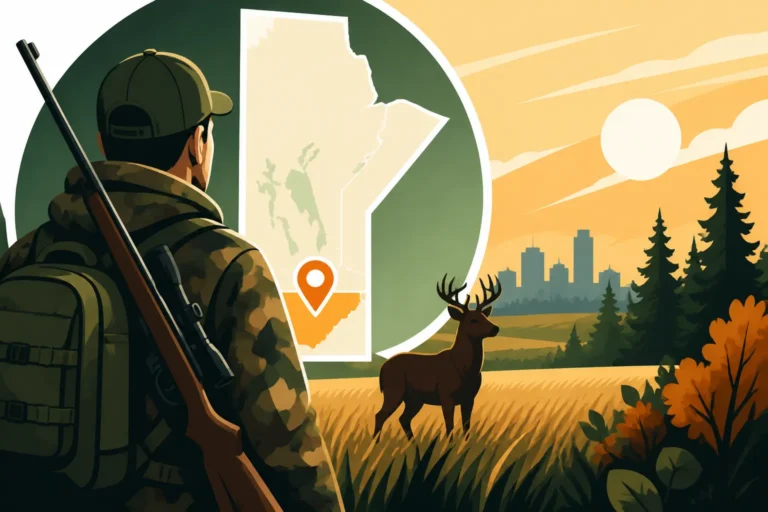
One of the biggest hurdles for any hunter, especially when venturing into a new region, is simply figuring out where you can actually go. Up here in Manitoba's vast northern reaches, particularly around a hub like Thompson, the sheer scale of the landscape can feel overwhelming, making it tough to pinpoint legitimate hunting access. This guide aims to cut through that confusion, helping you understand the lay of the land, navigate access points, and plan your hunt near Thompson with confidence.
Understanding the Landscape Around Thompson
Thompson sits right in the heart of Manitoba's boreal forest, a vast and wild expanse that offers incredible hunting opportunities but also presents unique challenges for access. It’s not like hunting the prairies or farmlands to the south where fields and shelterbelts are clearly defined. Up here, it’s a different world entirely.
The Boreal Forest and Its Challenges
The boreal forest around Thompson is a dense tapestry of black spruce, jack pine, tamarack, and poplar, often interwoven with muskeg, granite outcrops, and countless lakes and rivers. This isn't country where you can just drive off the main highway and expect to cruise through open timber. The terrain can be incredibly rugged, with thick undergrowth, fallen timber, and swampy sections that make travel on foot or even with ATVs extremely slow and arduous. The sheer density of the vegetation means visibility is often limited, making spotting game a focused effort, and navigating without proper tools can quickly become disorienting. Understanding this challenging environment is the first step to planning successful access. Hunting Manitoba's Northern Boreal goes into more detail about what to expect in this region.
Hunting in such an environment requires a different mindset and different gear than you might use elsewhere. We're talking about robust, waterproof boots, durable clothing that can withstand snags and thorns, and most importantly, excellent navigation skills. GPS devices, satellite communicators, and detailed maps are not luxuries; they're necessities for safety and success. The trails and cutlines that do exist can be overgrown or flooded, adding another layer of complexity.
River Systems and Lake Country
Thompson is situated within a network of major rivers and lakes, including the mighty Burntwood River and the nearby Nelson River. This extensive aquatic network profoundly influences hunting access and game movement. These waterways often act as natural highways for both wildlife and hunters. In the summer and fall, boats and canoes become essential tools for reaching remote areas that are otherwise inaccessible by road. Many of the best hunting spots, especially for moose, are often found along these river systems or on islands and peninsulas of larger lakes.
During the winter months, these frozen waterways transform into another type of access route. Ice roads and snowmobile trails often follow frozen rivers and lake chains, opening up vast tracts of country that are impenetrable during the warmer seasons. However, traveling on ice always carries inherent risks, and understanding ice conditions, snow depths, and potential pressure ridges is paramount for safety. These water bodies also create natural barriers, channeling animal movement and concentrating game in specific corridors, which can be a boon for hunters who can effectively utilize them for access. Hunting a Frozen Lakeshore in the North provides some useful context for navigating these areas.
Crown Land and General Public Access
Manitoba is incredibly fortunate to have vast tracts of Crown land, particularly in the northern regions like that surrounding Thompson. This means a significant portion of the land is publicly owned and generally accessible for hunting. However, "accessible" doesn't always mean easy, and understanding the nuances of Crown land access is crucial.
Navigating Crown Land Regulations
While Crown land is public, there are still rules and regulations governing its use. For hunters, this typically means adhering to general hunting regulations, GHA (Game Hunting Area) boundaries, and any specific land-use restrictions. For instance, there might be areas designated for other purposes, like protected areas, traditional use zones, or forestry operations, that could affect access or hunting activities. It's not always as simple as seeing green on a map and driving in. You need to verify that your intended hunting area falls within an active GHA for your target species and that there are no local closures or restrictions. Checking with local conservation offices or the provincial hunting guide is always a smart first step.
Furthermore, even on Crown land, access can be complicated by private property. While you might be hunting public land, getting to it could involve crossing a privately owned parcel, or traversing a road that cuts through private holdings. Always be diligent about knowing where property lines lie and respecting landowner rights, even if your ultimate destination is public ground. Manitoba's Crown Land Access delves deeper into the specifics of navigating these regulations.
Identifying Accessible Areas
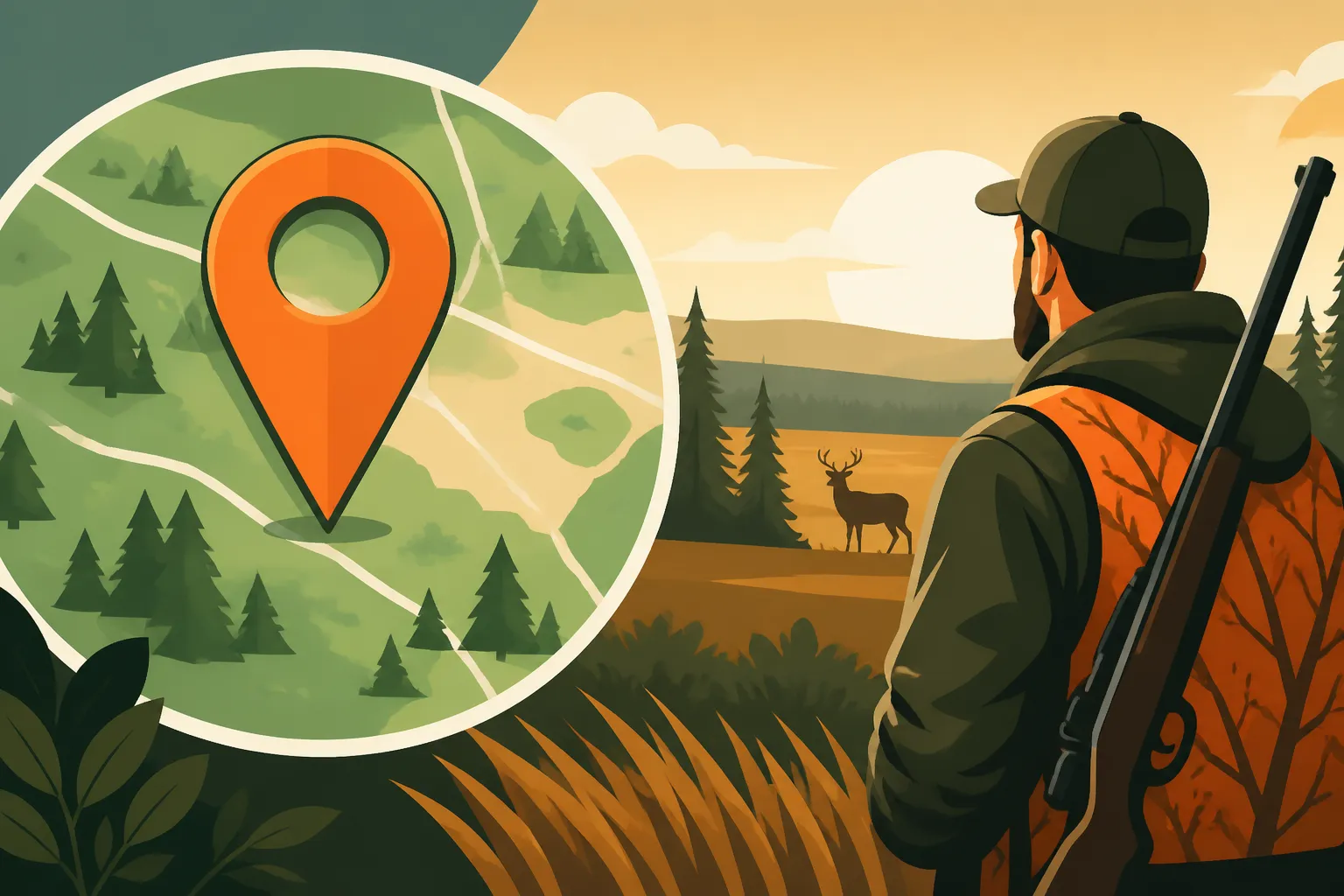
Thanks to modern technology, identifying Crown land and planning your access has become significantly easier than it once was. Tools like onX Hunt and GoHunt offer detailed mapping layers that clearly delineate Crown land, private property, and sometimes even specific GHA boundaries. These apps can be a game-changer for scouting, allowing you to identify potential access points, anticipate terrain features, and mark likely hunting spots long before you ever set foot in the bush. You can identify logging roads, old cutlines, hydro line clearings, and even remote trails that might not appear on standard road maps.
When using these tools, pay close attention to topographical features. Look for high ground, natural travel corridors like creek bottoms or ridges, and areas where different types of cover meet. Overlaying satellite imagery with property lines gives you a powerful advantage in finding those elusive, less-pressured spots. While no app can replace boots on the ground, these digital aids drastically reduce the guesswork and wasted time, helping you focus your efforts on genuinely accessible and promising hunting grounds. Scouting With Satellite Imagery in Manitoba is a useful read for this kind of planning.
Specific Game Hunting Areas (GHAs) Near Thompson
Thompson is surrounded by several large Game Hunting Areas, each with its own characteristics and opportunities. Knowing which GHAs are nearby and what species they are known for will help you narrow down your focus.
Overview of Key Northern GHAs
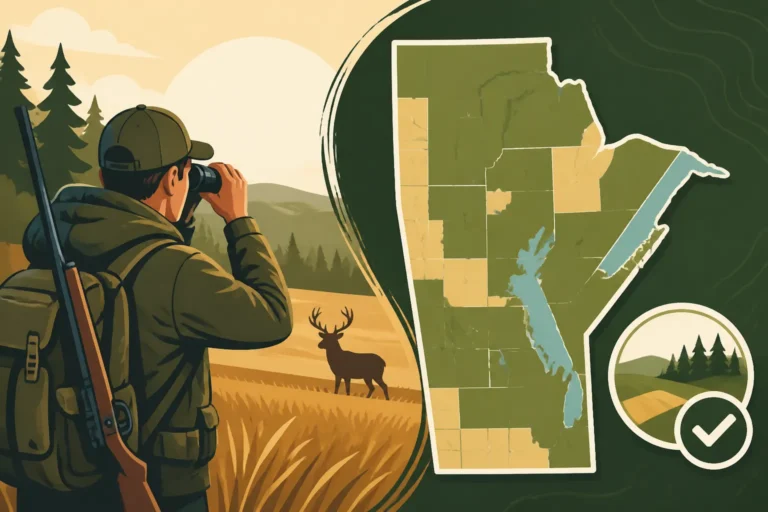
The area directly surrounding Thompson falls primarily within GHA 13. This GHA, like many in the northern boreal, is immense and diverse, offering opportunities for moose, black bear, and various furbearers and birds. Further afield, you might consider areas like GHA 14, 16, or even 18, depending on your target species and willingness to travel deeper into the northern wilderness. These GHAs are characterized by vast, unbroken tracts of boreal forest, numerous lakes, rivers, and wetlands, and relatively low human population density. This means less hunting pressure in many areas, but also more challenging logistics and the need for greater self-reliance.
It's absolutely critical to consult the most current Manitoba Hunting Guide for specific GHA boundaries, season dates, and regulations, as these can change. Some northern GHAs might have specific conservation closures or draw systems for certain species, so never assume. Understanding the general character of these northern GHAs—their remoteness, the prevalence of certain habitat types, and the typical hunting pressure—is key to setting realistic expectations and planning an effective hunt. Manitoba's Game Hunting Areas provides a broader context for the GHA system.
Species-Specific Opportunities
Near Thompson, the primary big game draws are typically moose and black bear.
Moose: The boreal forest and its abundant water bodies provide ideal habitat for moose. Hunters often focus on areas along major river systems, around beaver ponds, and in areas of regenerating forest from past logging or wildfires. Early season moose hunts can involve calling, while later seasons might focus on tracking fresh snow or still-hunting through prime bedding areas. Access for moose hunting often involves a combination of road access (where available) followed by ATV, boat, or foot travel into deeper bush. Moose Across Manitoba's Boreal Forest offers a good overview of the species in the region.
Black Bear: Black bear populations are strong throughout the northern boreal. Many hunters utilize baiting methods, setting up sites in accessible yet secluded areas. Spring bear hunts are popular, coinciding with bears emerging from dens and seeking early season food sources. Fall bear hunts can also be very successful, particularly in areas with good berry crops or around agricultural fringes (though these are less common directly around Thompson). Access often involves setting up baits in dense cover, frequently reached by quad trails or logging roads. Black Bear Hunting in Manitoba offers more insights into hunting these animals.
Other Species: While not typically the primary target for hunters coming to Thompson, the region also offers opportunities for wolves and coyotes, particularly in winter when they follow deer and moose herds. Upland birds like ruffed grouse and spruce grouse are also present and can provide excellent incidental hunting opportunities, especially along old logging roads and trails.
Access Methods and Practical Considerations
Getting into the hunting grounds around Thompson is often more than just driving up a paved road. It requires planning for various modes of travel and being prepared for remote conditions.
Road Access and Limitations
Around Thompson, road access primarily revolves around Highway 6 (which runs north-south) and Highway 391 (which runs west-east). From these main arteries, a network of gravel roads, resource roads, and old logging trails branch off. These secondary roads can vary wildly in condition – some might be well-maintained gravel, while others are barely more than two-track trails that become impassable with rain or snow. It's common to encounter washouts, fallen trees, or extremely muddy conditions, even on roads that appear to be marked on maps. A high-clearance 4×4 vehicle is usually essential, and tire chains or a winch can be critical recovery tools.
Be aware that many of these resource roads are actively used by forestry operations or mining companies. Always yield to industrial traffic and be prepared for large trucks. Some roads may also pass through privately owned lands or First Nation communities, requiring careful attention to signage and respect for local residents. Always be prepared for limited to no cell service once you leave the main highways; a satellite communication device is highly recommended. Winter Road Access in Northern Manitoba highlights the unique challenges of cold-season travel.
Fly-In and Water Access
For the truly remote, less-pressured areas, fly-in access becomes the primary, or often only, option. Float planes can drop hunters off on remote lakes or rivers, opening up vast tracts of untouched wilderness for extended hunts. This is a popular option for caribou hunts further north, but can also be utilized for remote moose or bear hunts around Thompson. This kind of access requires significant planning, coordination with air charter services, and careful attention to weight limits and logistics. The payoff, however, can be an unparalleled wilderness hunting experience away from any other human activity. Flying Into a Remote Manitoba Camp elaborates on this adventurous option.
Alternatively, for areas reachable by vehicle but still requiring deeper penetration, boats, canoes, or even portaging can be excellent ways to access hunting grounds. Many rivers and lakes offer extensive shorelines and islands that act as natural travel corridors or feeding areas for game. Navigating these waterways efficiently and safely, especially when loaded with gear or game, requires experience and appropriate watercraft.
Remote Hunting Considerations
Hunting near Thompson, especially away from the immediate townsite, is truly a remote experience. This means self-sufficiency is paramount. Here’s a quick table to outline some key considerations:
| Category | Consideration | Why it Matters |
|---|---|---|
| Navigation | Reliable GPS unit, detailed paper maps, compass, onX Hunt or GoHunt app with offline maps. | Cell service is almost non-existent. Getting lost in dense boreal forest can quickly become life-threatening. |
| Communication | Satellite phone, satellite messenger (e.g., InReach, Spot), VHF radio (if hunting with a group). | Crucial for emergencies, checking in with loved ones, or coordinating with hunting partners when out of cell range. |
| Survival Gear | First-aid kit, fire-starting supplies, emergency shelter, extra food/water, knife, headlamp, signaling mirror/whistle. | You are often hours, if not days, from help. A minor injury or breakdown can turn serious quickly without proper preparedness. |
| Vehicle Prep | Full-size spare tire, tire repair kit, jump starter, shovel, axe, tow strap, winch, extra fuel, tools for basic repairs. | Road conditions can be brutal. Getting stranded is a real possibility. |
| Weather | Pack for all conditions – rain, snow, cold, even in shoulder seasons. Layers are key. | Northern Manitoba weather is unpredictable and can change rapidly. Hypothermia is a serious risk. |
| Meat Care | Game bags, cooler with ice, knowledge of field dressing and quartering in remote conditions. | Warm temperatures can spoil meat quickly. Proper care immediately after the kill is essential, especially given the travel time back to a freezer. Meat Care in Manitoba's Cold Snaps is a great resource for cooler conditions. |
| Wildlife Safety | Bear spray, bear bangers, knowledge of bear encounter protocols. | You are in prime black bear country. Encounters are possible, and knowing how to react is vital. |
Always tell someone where you are going, your planned route, and when you expect to return. The vastness of the north is breathtaking, but it demands respect and thorough preparation. What to Do If You Get Stuck in the Bush is a crucial read for any northern hunter.
Challenges and Respectful Hunting
Hunting in northern Manitoba, especially near communities like Thompson, isn't just about understanding the game and the terrain; it's also about understanding the social and cultural landscape. Respectful engagement with local communities and a strong commitment to conservation are essential.
Navigating Northern Infrastructure and Communities
Thompson is a vibrant northern community, but it's also a hub for many remote Indigenous communities. When accessing hunting areas, you may pass through or near these communities, or utilize roads that serve them. It is absolutely paramount to be respectful of local residents and their traditions. Understand that many Indigenous communities have inherent harvesting rights and long-standing connections to the land that predate modern hunting regulations. Always be courteous, drive carefully on community roads, and avoid disturbing private property. A friendly wave or a respectful interaction can go a long way in building positive relationships.
Sometimes, hunting access might lead you down a road that ends at a trapper's cabin or a small, isolated settlement. In these cases, always assume that the land is being used and approach with caution and respect. Asking for permission, even if you believe you are on Crown land, shows good faith and helps prevent misunderstandings. Northern Manitoba is a shared landscape, and respectful coexistence is key to sustainable hunting for everyone.
Conservation and Environmental Stewardship
Hunting in a pristine environment like the boreal forest around Thompson comes with a profound responsibility for environmental stewardship. This means adhering to all regulations, ensuring ethical harvesting practices, and minimizing your impact on the land. Pack out everything you pack in, and then some. Leave no trace of your presence. This includes spent casings, food wrappers, and any waste. Clean camps and ethical disposal of animal remains are not just good manners; they are vital for maintaining the health of the ecosystem and ensuring continued hunting opportunities.
Furthermore, hunters in the north often act as eyes and ears on the ground for conservation efforts. Reporting unusual wildlife sightings, signs of poaching, or environmental concerns to Manitoba Conservation Services is a valuable contribution. It helps protect the resources that make hunting in this incredible region possible for future generations. Understanding Manitoba's Moose Conservation Closures or changes to Manitoba Caribou Licence Rules highlights the ongoing need for careful management and responsible hunter behaviour to preserve these precious populations.
Disclaimer
This article is for general informational purposes only and does not constitute professional advice. Laws, prices and regulations vary by location and change over time. Consult a qualified professional for guidance on your specific situation.