Manitoba Hunting Access Near Winnipeg
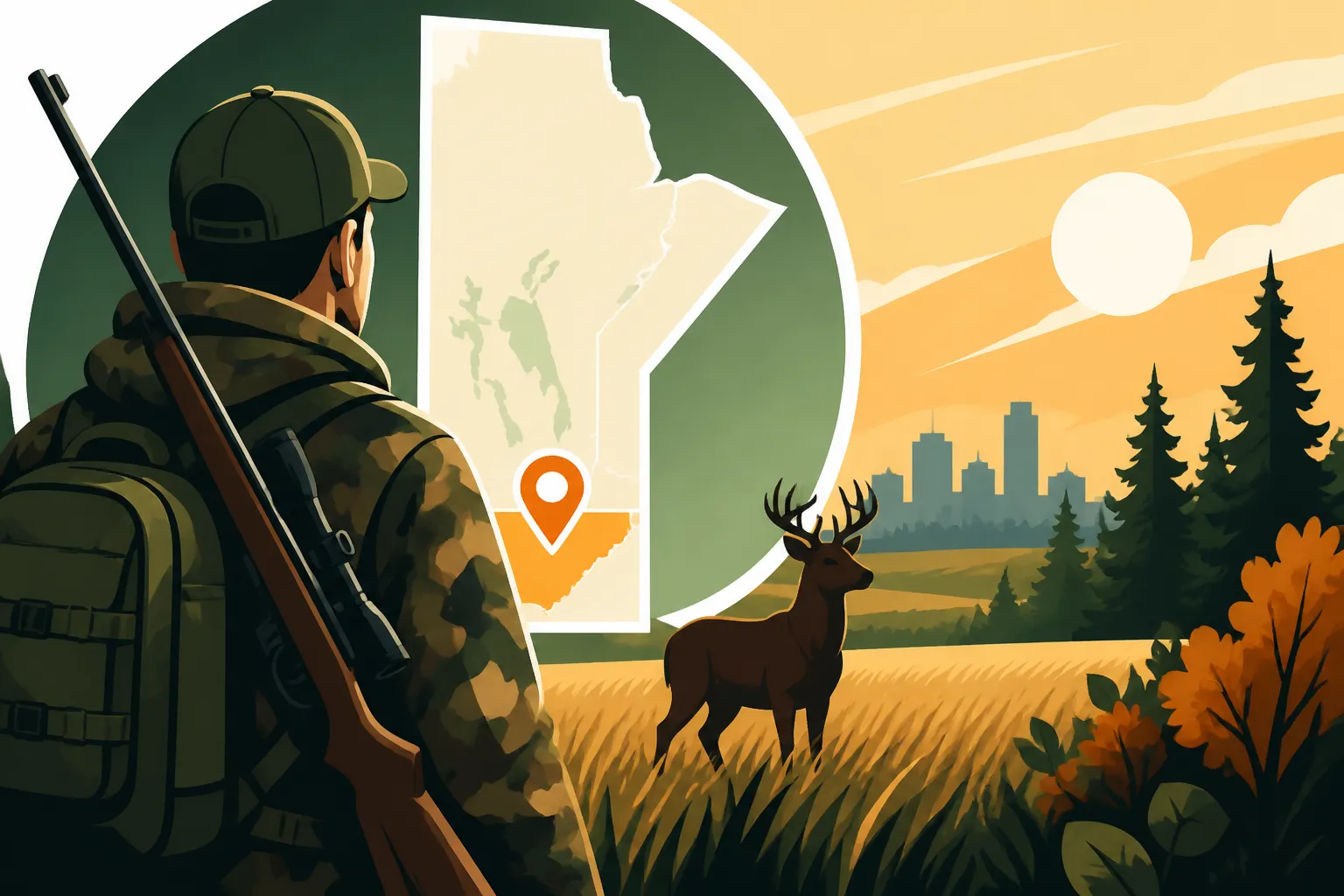
For many of us who live in or around Winnipeg, the dream of a quick hunt before or after work, or even a solid day trip without hours of driving, can feel like a pipe dream. The reality of sprawling development, dense populations, and limited public access often leaves hunters feeling like they need to drive halfway across the province to find decent ground. This guide is here to cut through that frustration, offering realistic and actionable advice on finding valuable hunting access close to Manitoba's capital.
The Unique Challenge of Hunting Close to Winnipeg
Hunting near a major urban center like Winnipeg presents a distinct set of challenges that hunters in more remote areas simply don't face. It's not just about finding game; it's about navigating human populations, understanding land designations, and securing limited opportunities in a competitive environment.
The Urban-Rural Interface and Hunter Pressure
The areas immediately surrounding Winnipeg are a fascinating blend of urban expansion, suburban development, and vital agricultural land. This "urban-rural interface" means that what was once pristine hunting ground can quickly become residential, industrial, or heavily cultivated. This encroaching development naturally pushes wildlife into smaller, more fragmented pockets of habitat, often bringing them into closer proximity with people. For hunters, this translates to increased competition for fewer accessible spots, and a heightened need for awareness regarding safety zones, property lines, and noise considerations. It also means that deer, coyotes, and even some waterfowl can become quite accustomed to human presence, making them wary but not necessarily unhuntable. The pressure isn't just from other hunters, but also from hikers, dog walkers, and other outdoor enthusiasts who share these fringe areas, creating a complex environment where respect and responsible behaviour are paramount.
Species Adaptations and Opportunities Near the City
Despite the challenges, many game species have adapted remarkably well to living close to human settlements. Whitetail deer, in particular, thrive in these fragmented landscapes, often finding refuge in shelterbelts, creek bottoms, and even small woodlots adjacent to residential or agricultural zones. Their nocturnal habits and ability to navigate through dense cover make them elusive, but certainly present. Waterfowl, especially Canada geese and various duck species, regularly utilize the rich agricultural fields and numerous small potholes and marshes that dot the landscape around Winnipeg, particularly during migration. Hunting Field Hunting Geese in Manitoba Stubble is a classic example of this. Coyotes, too, are highly adaptable predators that can be found in surprising proximity to urban areas, often following deer populations or preying on smaller rodents in fields. While the idea of a trophy moose or elk hunt steps further afield, the opportunities for deer, waterfowl, and predators are very real, requiring a keen eye for overlooked pockets and a strategic approach to access. These animals learn quickly, so your tactics need to be sharp and often different from those used in deep wilderness.
Unlocking Public Hunting Opportunities
While public land might feel scarce close to Winnipeg, there are indeed options available to the savvy hunter. The key is knowing where to look and understanding the specific rules that apply to these areas.
Navigating Wildlife Management Areas (WMAs)
Manitoba boasts a network of Wildlife Management Areas (WMAs) designed to protect and enhance wildlife habitat, and many of these are open to hunting. While truly expansive WMAs are generally further from Winnipeg, there are smaller, accessible units within a reasonable drive. These areas, like Oak Hammock Marsh (though specific restrictions apply there for certain species and times), and smaller WMAs in the Interlake or Eastern regions, can offer excellent opportunities, especially for waterfowl and sometimes deer. The rules for hunting in WMAs can vary, so it's crucial to check the specific regulations for each area. Some might have special draw hunts, others might prohibit certain activities, and all require strict adherence to boundaries. These are not always vast, unbroken tracts of bush; often, they are a mosaic of habitat types, including wetlands, grasslands, and small treed areas. Utilizing tools like Hunting a Manitoba Wildlife Management Area can help you understand the nuances. Familiarizing yourself with the GHA (Game Hunting Area) boundaries that overlap with WMAs is also essential, as bag limits and season dates are GHA-specific.
Identifying and Utilizing Provincial Forests and Crown Land
Beyond WMAs, Manitoba has provincial forests and scattered Crown land parcels that can provide hunting access. While large, remote provincial forests are a longer drive, there are smaller, more fragmented blocks of Crown land closer to Winnipeg, particularly as you move north into the Interlake or east towards the Whiteshell. These are often mixed with private land, so identifying the exact boundaries is paramount. This is where digital mapping applications become indispensable. Services like onX Hunt, for example, layer property ownership information right onto your phone, allowing you to clearly see public and private boundaries in real-time, even without cell service once maps are downloaded. This means you can often find smaller, overlooked pockets of Crown land that other hunters might drive past because they're not immediately obvious from the road. These areas might consist of old bush, marshland, or even transitional habitat along rivers or streams. Remember, while Crown land is public, respect for adjoining private property is non-negotiable.
Understanding GHA Regulations Specific to the Area
Manitoba is divided into numerous Game Hunting Areas, or GHAs, each with its own set of regulations regarding season dates, bag limits, and eligible species. For hunting near Winnipeg, you'll generally be looking at GHAs in the south-central, Interlake, and eastern regions. These GHAs can have different seasons for archery, rifle, and muzzleloader, and often have varying rules for antlerless deer tags or second deer licences. It's not uncommon for a GHA bordering a densely populated area to have antlerless restrictions or shorter seasons to manage populations and hunter success. Always consult the most current Manitoba Hunting Guide or online resources to verify the rules for the specific GHA you intend to hunt. For instance, Manitoba's Game Hunting Areas provides a solid foundation for understanding the provincial structure. Knowing which GHAs are available, what species are permitted, and the dates involved is the first step in successful planning. You don't want to get caught unprepared because you assumed the rules were the same as a GHA further north.
The Indispensable Role of Private Land Access
Let's be frank: if you want consistent, productive hunting opportunities close to Winnipeg, especially for whitetails, private land access is often your best bet. With so much of the productive agricultural land being privately owned, understanding how to respectfully gain permission is a critical skill.
Building Rapport and Seeking Permission from Landowners
The thought of knocking on a stranger's door can be intimidating, but it's a skill every responsible hunter should cultivate. When approaching a landowner, first impressions are everything. Dress respectfully, speak clearly and politely, and always introduce yourself and state your purpose upfront. Be prepared to show your hunting licence and any relevant certifications. Timing is also important; avoid busy times like seeding or harvest, or early morning/late evening when families are often occupied. Offer to help with chores, even something as simple as picking up garbage or checking fence lines. Asking a Manitoba Landowner for Permission offers more specific guidance. The goal isn't just to get permission for one season, but to build a lasting relationship based on trust and mutual respect. Remember, you are a guest on their land, and their goodwill is a privilege, not a right.
Respecting Private Property and Cultivating Positive Relationships
Once you've secured permission, your job is far from over. In fact, it's just beginning. The way you conduct yourself on private land will directly impact your future access and the reputation of hunters as a whole. Always adhere strictly to any conditions set by the landowner, whether it's where you can park, where you can hunt, or what species you're allowed to pursue. Leave gates as you found them, pick up spent shells, and absolutely do not damage crops or equipment. Communicate regularly with the landowner, letting them know when you plan to be on their property and reporting any unusual activity you observe. If you harvest an animal, offer them some of the meat as a gesture of thanks. Being overly secretive or failing to communicate can quickly erode trust. The principle here is simple: treat their land, and them, with the same respect you'd expect for your own property. Remember Manitoba Landowner Permission Law makes it clear that their word is law on their property.
Strategies for Consistent Access in Farming Communities
Gaining access in farming communities often means more than just a single knock on a door. Many farmers talk, and your reputation will precede you. Consider approaching landowners in the off-season, well before hunting season, to establish a relationship. Offer assistance with crop damage control if they are experiencing issues, as this can be a huge benefit to them. Sometimes, asking to hunt lesser-desired species like coyotes first can be a stepping stone to gaining permission for deer or waterfowl later. Joining local conservation groups or sportsman's associations can also provide networking opportunities and insights into areas that might be more receptive to hunters. Don't be discouraged by initial rejections; there are many landowners out there, and a persistent, polite approach will often pay off. Knocking on Doors in Manitoba Farm Country emphasizes this persistence. Look for areas with diverse habitat, like a mix of bush, wetland, and fields, as these areas often hold the most game and may be less intensively farmed.
What You Can Hunt Near Manitoba's Capital
While the vast wilderness of northern Manitoba might offer different species, the areas around Winnipeg provide ample opportunity for several popular game animals. Focusing on these species and understanding their habits in this landscape will boost your chances of success.
Whitetail Deer: The Primary Big Game Target
Without a doubt, whitetail deer are the most common big game animal you'll find close to Winnipeg. They thrive in the mixed habitat of the parkland and agricultural fringe, utilizing shelterbelts, river bottoms, and small woodlots for cover, and feeding heavily on agricultural crops. Deer numbers can fluctuate, but there are always good opportunities for both antlered and antlerless deer. Archery season often provides excellent early-season chances when deer patterns are more predictable, and rifle season in November can be thrilling as the rut kicks in. Hunting the Rut in Early to Mid November describes this peak activity. Look for sign in thick cover adjacent to fields, especially corn, beans, or cereal crops. Creek beds and drainage ditches that offer travel corridors and cover are also prime spots. Remember that deer in these areas are often more nocturnal due and accustomed to human presence, requiring careful scouting and often shorter, more intense hunting efforts during legal hours.
Waterfowl: Abundant Opportunities in Agricultural Landscapes
Manitoba sits squarely in the Central Flyway, and the agricultural lands around Winnipeg are a magnet for migrating ducks and geese. Canada geese, snow geese, and various dabbling ducks like mallards are abundant. During the fall migration, especially, large numbers of birds stage in the grain fields and wetlands within a short drive of the city. Securing permission on private farmland for field hunting geese is an incredibly effective strategy. Hunting Geese That Stage in Manitoba provides more context. Potholes, sloughs, and river systems also offer jump-shooting or decoy hunting opportunities for ducks. A federal migratory bird permit is required in addition to your provincial licence. Successful waterfowl hunting here relies heavily on scouting—driving around to locate concentrations of birds feeding in fields or resting on water bodies. Being flexible with your hunting locations and having a good spread of decoys will significantly increase your odds.
Upland Birds and Predators: Often Overlooked Pursuits
While not as widely pursued as deer or waterfowl, opportunities for upland birds and predators exist near Winnipeg. Sharp-tailed grouse can be found in larger tracts of native grassland or mixed prairie habitat, often along the edges of agricultural fields. Hungarian partridge are also present on many farms, often holding tight in shelterbelts, ditches, or weedy field edges. For these birds, walking up cover with a good bird dog can be incredibly productive. Hunting Hungarian Partridge on Manitoba Farms details this.
Coyotes, as mentioned, are plentiful and offer year-round hunting opportunities. They are wary and intelligent, making them a challenging but rewarding target. Calling coyotes, especially in the winter months over bait or with distress calls, can be very effective in the open farm country. Permission is crucial for predator hunting on private land, but some landowners are more open to it given the potential for livestock protection. These species offer fantastic ways to extend your hunting season and hone your skills without needing to travel far.
Essential Tools and Resources for Locating Spots
In a region where hunting access is at a premium, having the right tools and knowing where to find information can make all the difference in locating those hidden gems.
Leveraging Digital Mapping and Scouting Apps
Gone are the days when a paper map and a compass were your only scouting companions. Today, digital mapping applications like onX Hunt and GoHunt are game-changers for identifying hunting access near Winnipeg. These apps overlay property ownership data, including public and private land boundaries, onto detailed topographical and satellite imagery. This means you can pinpoint exactly where Crown land exists, identify WMAs, and even discern individual property lines when seeking permission. They allow you to drop waypoints, mark game sign, track your routes, and measure distances, all invaluable for efficient scouting. You can use satellite imagery to identify key features like shelterbelts, slough edges, or creek bottoms that might hold game, even from your couch. Scouting With Satellite Imagery in Manitoba is a key component here. With offline map capabilities, you don't even need cell service in the field, which is often a reality in more remote pockets. These tools empower you to be a much more effective and respectful hunter, ensuring you stay on legal ground.
Local Knowledge, Conservation Groups, and Government Information
While digital tools are powerful, they are best combined with good old-fashioned local knowledge. Strike up conversations at local hardware stores, diners, or tackle shops in the small towns surrounding Winnipeg. You'd be surprised what insights you can gain from seasoned locals. Joining conservation groups like the Manitoba Wildlife Federation can also be incredibly beneficial. These organizations are often at the forefront of advocating for hunter access and habitat protection, and their members frequently share valuable information about hunting opportunities and landowner relations. Their community pastures can also offer hunting access in some areas.
Finally, official government resources, such as the Manitoba Sustainable Development website, are crucial. This is where you'll find the annual Hunting Guide, which details season dates, bag limits, GHA boundaries, and WMA regulations. The interactive GHA maps on the government website are also an excellent resource for visualizing hunting zones. Don't underestimate the power of simply driving and observing. Many great hunting spots are found by noticing a specific habitat type or a pattern of game movement during the off-season.
| Resource Type | Benefit for Winnipeg Area Hunters | Example/Application |
|---|---|---|
| Digital Mapping Apps | Identifies public/private land, overlays aerial imagery, GPS tracking, offline maps. | onX Hunt, GoHunt: Pinpoint Crown land, WMA boundaries, scout remotely for cover. |
| Manitoba Hunting Guide | Official rules, season dates, bag limits, GHA maps, WMA regulations. | Essential for understanding legal hunting parameters in specific GHAs around Winnipeg. |
| Local Conversation | Unwritten rules, general areas, landowner insights, current conditions. | Chat with farmers, store owners, or other hunters in small towns like Oakbank or Stony Mountain. |
| Conservation Groups | Networking, access to private land programs, advocacy, shared knowledge. | Manitoba Wildlife Federation events, local chapter meetings. |
| Satellite Imagery (Free) | Identify habitat features, potential travel corridors, unpressured pockets. | Google Earth, Bing Maps: Look for shelterbelts, sloughs, creek beds adjacent to fields. |
Ethical Considerations and Responsible Hunting Practices
Hunting near a major population center carries a greater responsibility. Your actions reflect not only on you but on the entire hunting community, and upholding high ethical standards is more important than ever.
Minimizing Impact and Practicing Good Stewardship
When hunting close to Winnipeg, every action you take is under a closer microscope, whether from other hunters, landowners, or the general public. This means practicing impeccable land stewardship. Pack out everything you pack in, including spent shell casings, food wrappers, and any other garbage. Avoid driving off established trails or roads unless you have explicit permission from a landowner. Be mindful of noise, especially during early morning or late evening hours, near residential areas. If you're on private land, respect crops by staying on field edges or designated travel routes. If you're utilizing public land, leave no trace of your presence beyond footsteps. Consider Hunting a Manitoba Quarter Section with an eye to how your presence impacts the whole area. Your goal should be to leave the land in better condition than you found it, demonstrating respect for the environment and the privilege of access.
Being a Good Ambassador for Hunting
In areas close to cities, non-hunters are more likely to encounter hunters, and their perception of our sport is often shaped by these interactions. This places a significant burden on us to be excellent ambassadors for hunting. This means dressing appropriately, displaying your harvested game respectfully (e.g., covering it during transport), and engaging politely with anyone who approaches you. Be knowledgeable about hunting regulations and able to articulate why you hunt, focusing on aspects like conservation, food sourcing, and connection to nature. Avoid discussions that could be perceived as aggressive or dismissive of non-hunters' concerns. A positive interaction can shift someone's perspective; a negative one can reinforce stereotypes and harm our collective ability to maintain hunting privileges. Be the kind of hunter that makes people say, "Oh, so that's what a hunter is like – respectful and responsible." Every time you get Getting Permission for a Goose Field, you're also building goodwill for future hunters.
Disclaimer
This article is for general informational purposes only and does not constitute professional advice. Laws, prices and regulations vary by location and change over time. Consult a qualified professional for guidance on your specific situation.