Hunting a Frozen Lakeshore in the North
Winter hunting strategies in northern Manitoba explain how to safely track moose and deer along frozen lakeshores.
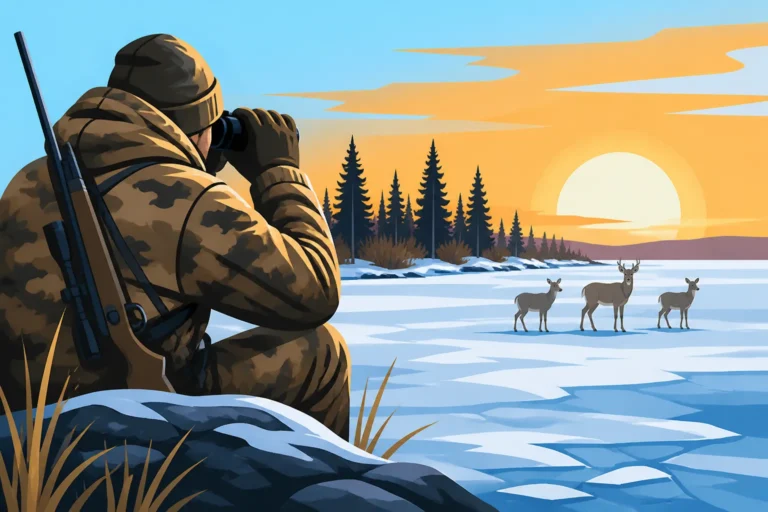
Winter hunting strategies in northern Manitoba explain how to safely track moose and deer along frozen lakeshores.
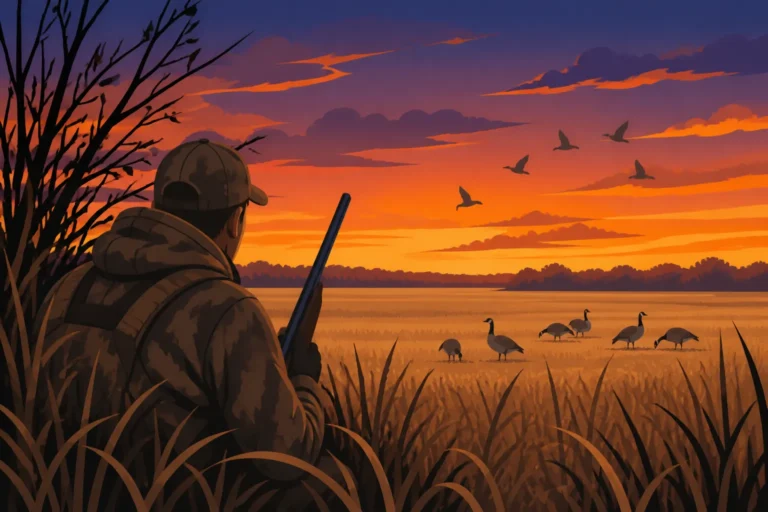
Manitoba whitetail deer hunting at dusk requires locating high-traffic field approaches and natural travel corridors near bedding areas.
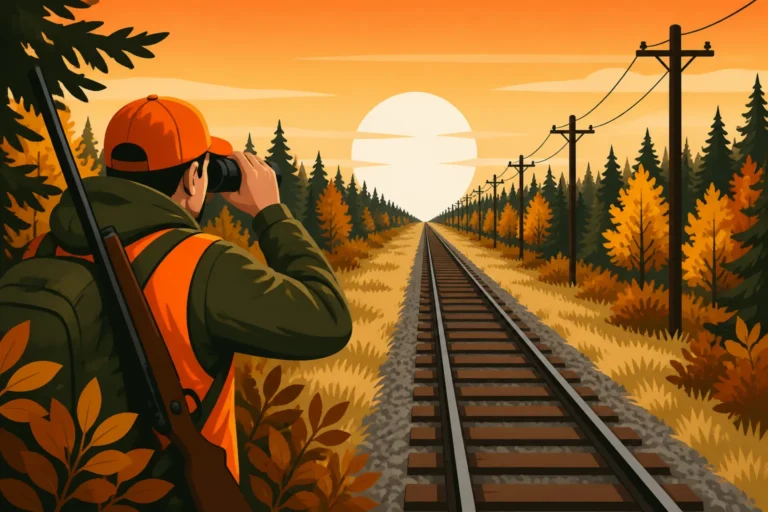
Railway line rights-of-way in Manitoba involve strict private property rules, safety laws, and wildlife habitat considerations.
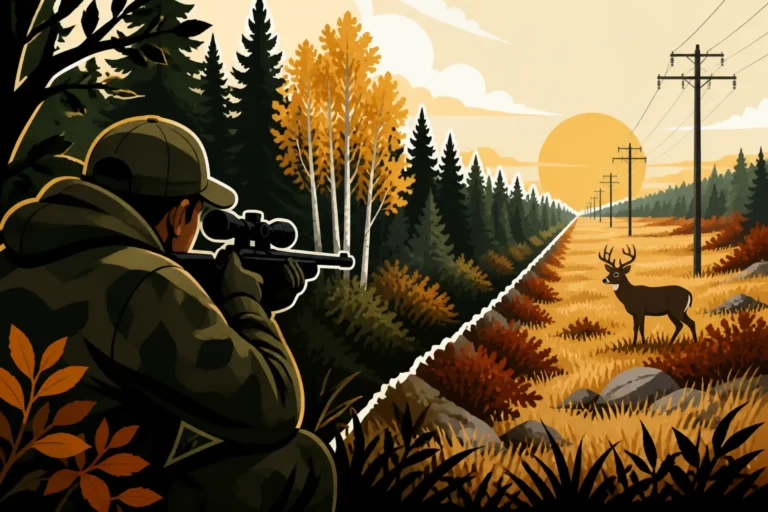
Hydro corridor edges in Manitoba provide wildlife with food and travel routes, offering hunters prime game scouting locations.
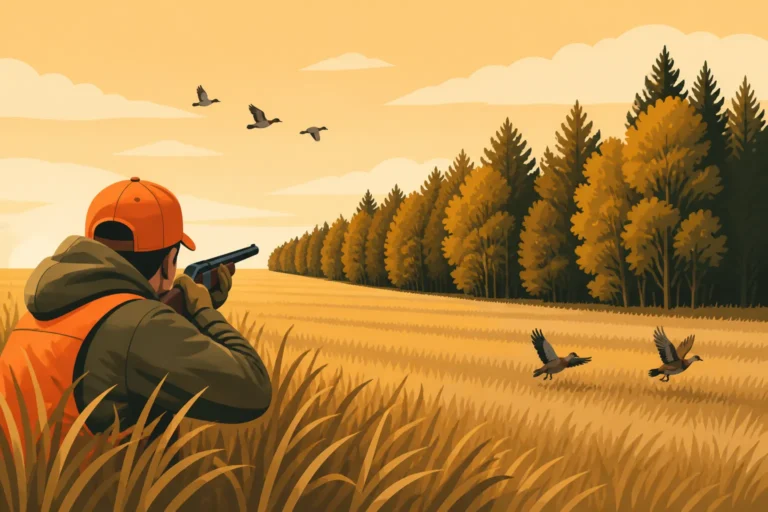
Shelterbelt rows in Manitoba open prairie act as whitetail deer travel corridors, providing vital thermal cover and food access.
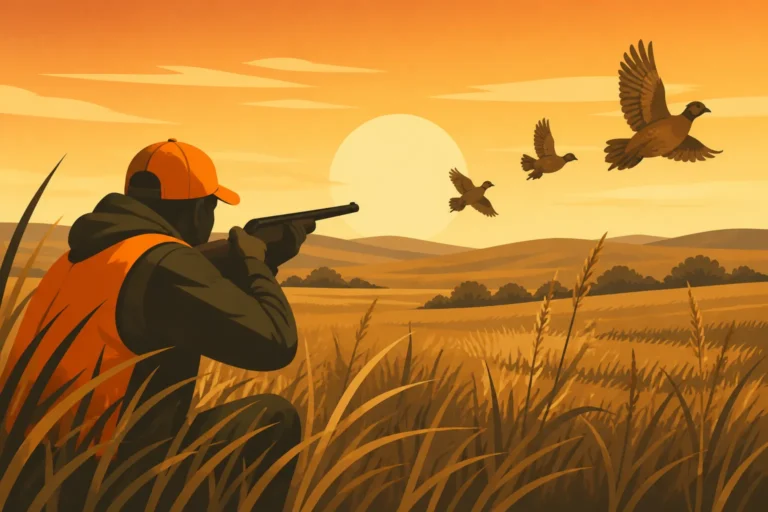
Hunting Manitoba native grassland pastures requires understanding subtle terrain variations, cattle grazing patterns, and local wildlife habits.
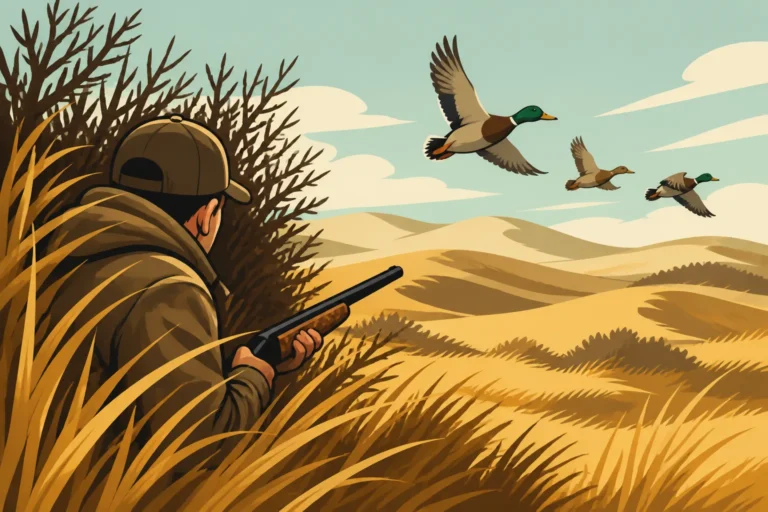
Manitoba sand hills whitetail deer hunting strategy explains how to locate and hunt sparse pockets of cover and specialized habitats.
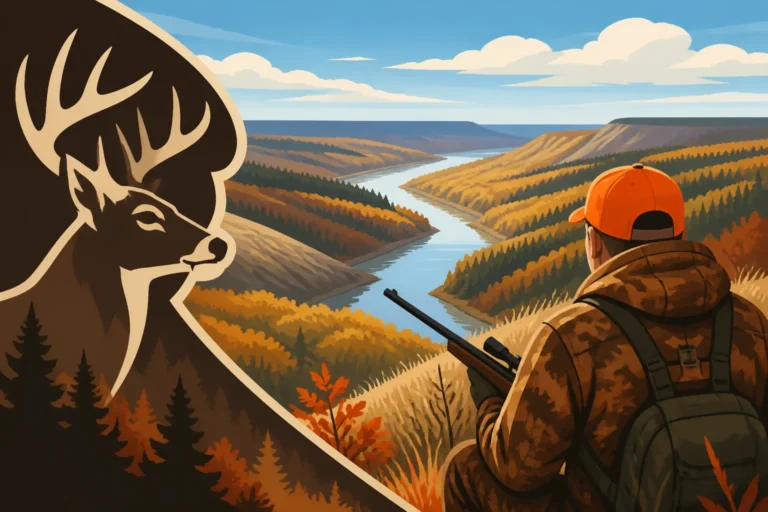
Manitoba river breaks along the Assiniboine, Souris, and Pembina rivers provide big game with cover, food, water, and travel corridors.
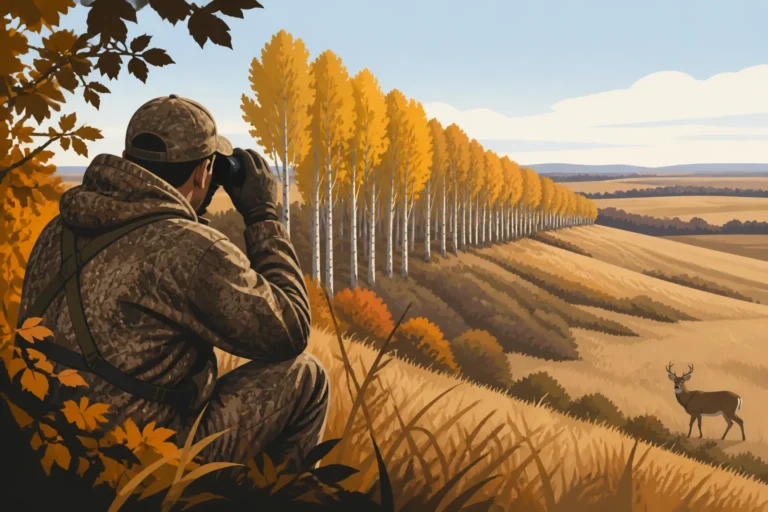
Poplar ridges in Manitoba provide whitetail deer with reliable food, secure bedding cover, and strategic travel corridors.
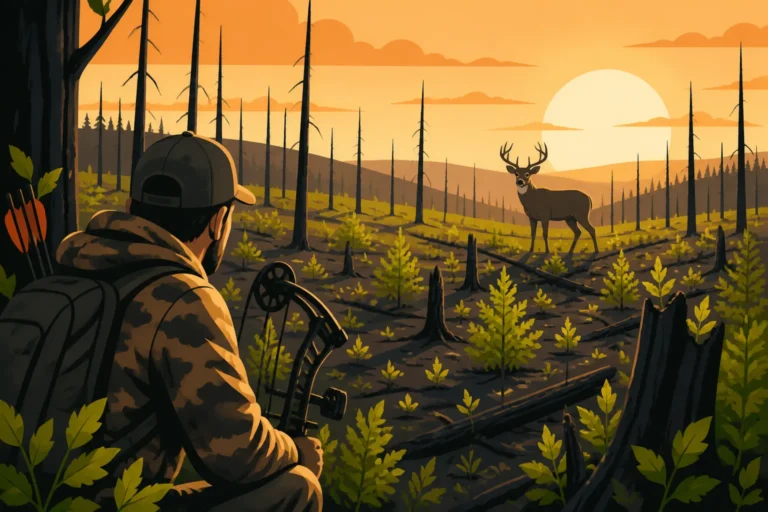
Hunting a burned block in Manitoba three years after a fire provides abundant food and thickets for deer, moose, and elk.