How Logging Cutblocks Change Deer Range
Logging cutblocks in Manitoba transform mature forests into new deer habitat, providing fresh food and adapting hunting strategies for success.
Know what you’re after.
Big game, small game, upland birds, and waterfowl — identification, behavior, rut and migration timing, and how each species moves through the season.
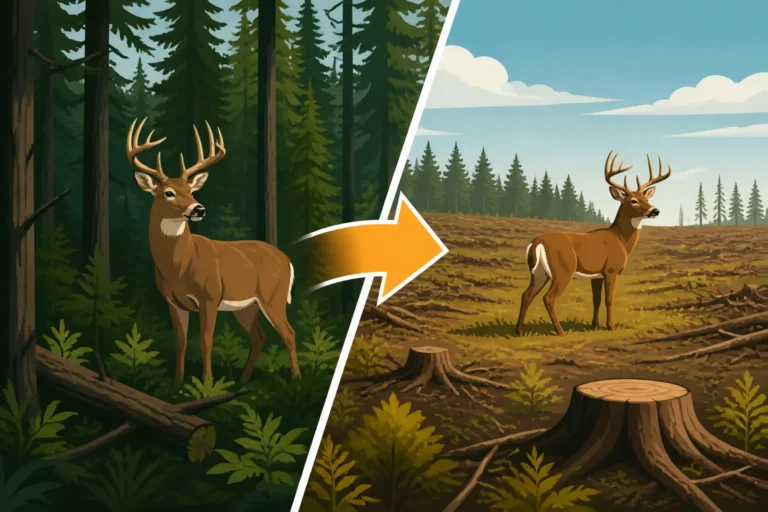
Logging cutblocks in Manitoba transform mature forests into new deer habitat, providing fresh food and adapting hunting strategies for success.
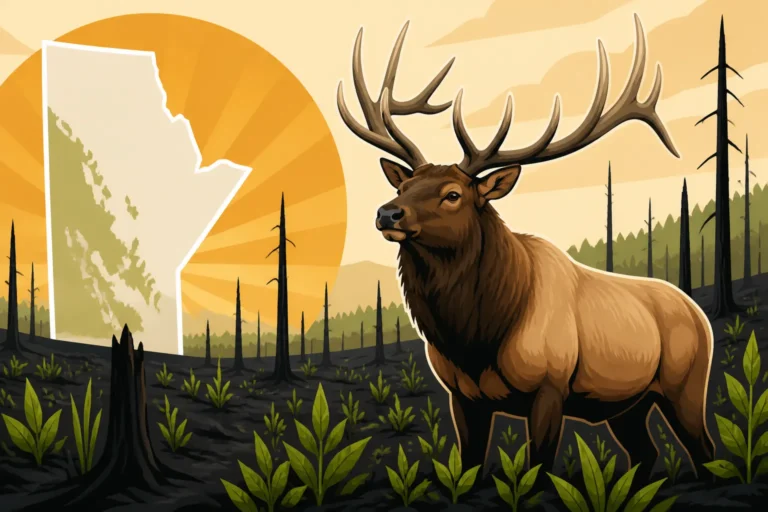
Burned forests in Manitoba produce massive moose and elk through nutrient-rich soil regeneration that fuels antler growth.
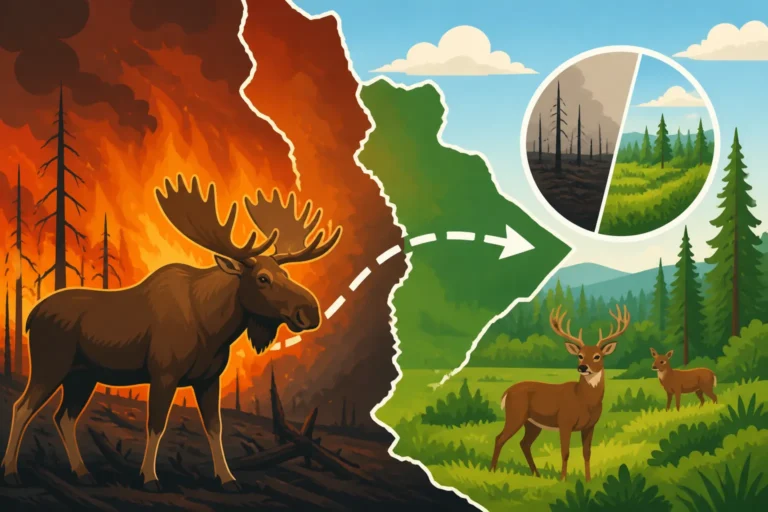
Wildfire impacts on Manitoba boreal environments and how moose, deer, and bears respond to habitat loss to help hunters adapt strategies.
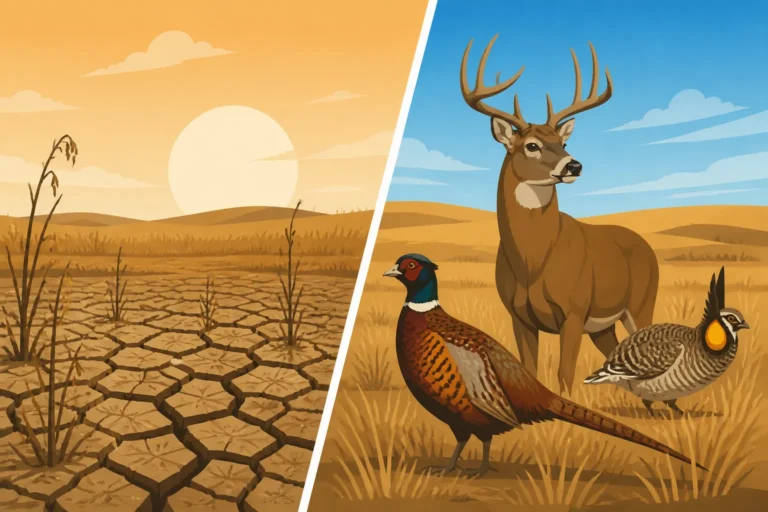
Manitoba drought conditions devastate prairie game habitats, reducing water and forage availability while altering wildlife movement patterns.
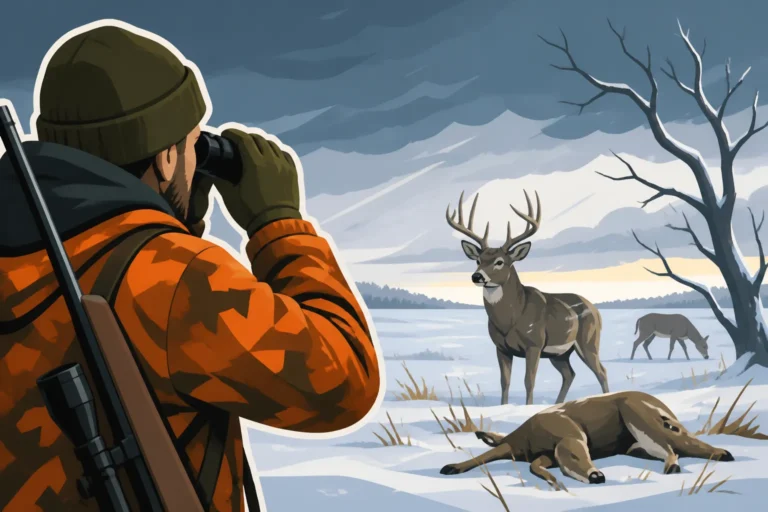
Hard Manitoba winters naturally cull game populations through starvation, deep snow, and increased predator success rates.
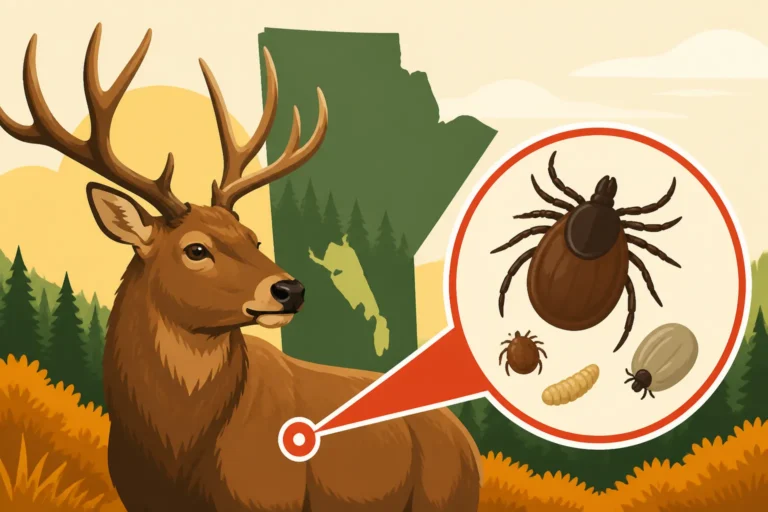
Ticks, lungworms, and liver flukes in Manitoba big game animals affect meat safety and hunter health during field dressing.
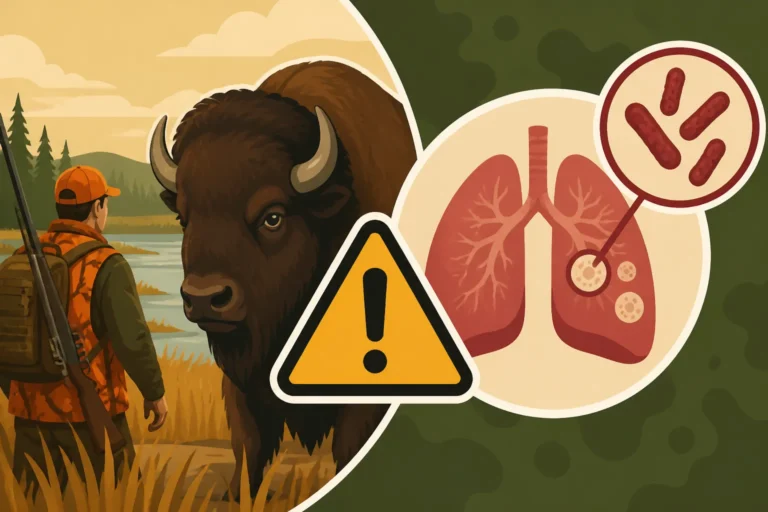
Bovine Tuberculosis affects Manitoba deer and elk herds, impacting wildlife health, meat safety, and local hunting seasons.
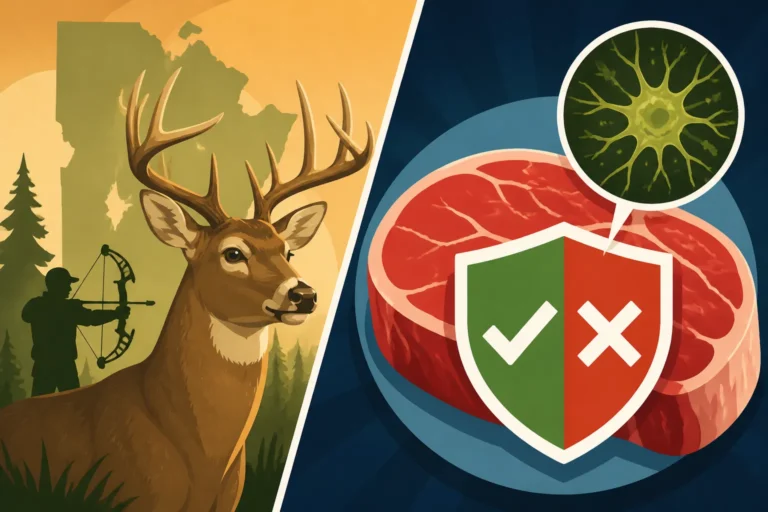
Chronic Wasting Disease in deer and elk, caused by prions affecting the nervous system, and safety guidelines for Manitoba hunters.
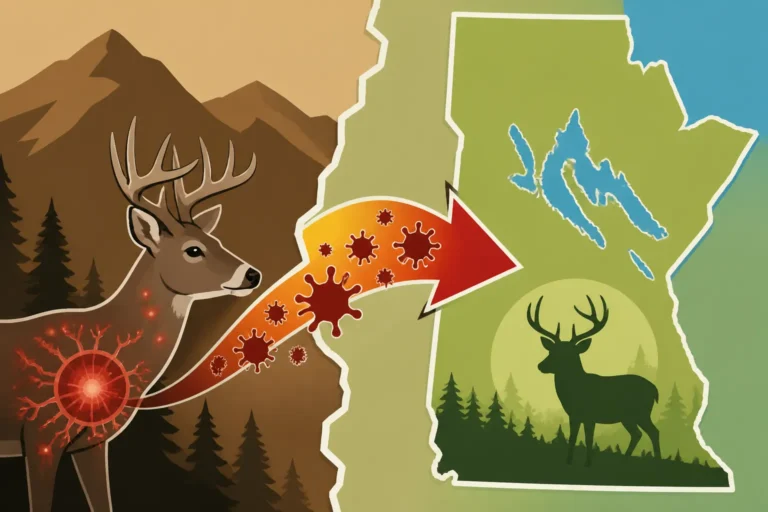
Chronic Wasting Disease spreading eastward from western provinces into Manitoba via the natural migration of wild cervids.

Chronic Wasting Disease testing results show white-tailed deer are the primary Manitoba species affected by the fatal neurological condition.