Why Sandhill Cranes Gather in Grain Fields
If you've spent any time driving through rural Manitoba in the fall, or even caught a glimpse of the skies during migration, you've probably witnessed the incredible spectacle of Sandhill Cranes. These majestic birds, with their prehistoric calls and graceful flight, often descend upon vast agricultural landscapes in staggering numbers. It’s a sight that leaves many wondering: why do these cranes flock so intensely to our grain fields? This guide will dive deep into the fascinating reasons behind this behaviour, shedding light on their ecological needs, safety strategies, and Manitoba's crucial role in their migratory journey.
The Energy Goldmine: Why Grain Fields are Irresistible to Sandhill Cranes
Imagine a journey that spans thousands of kilometres, demanding immense energy and stamina. That's the reality for Sandhill Cranes during their annual migration. When they touch down in Manitoba, they're not just looking for a pit stop; they're looking for an all-you-can-eat buffet that offers maximum caloric intake with minimal effort. Our expansive grain fields, particularly after harvest, become precisely that.
Fueling the Migration: Nutritional Needs and Grain Types
Sandhill Cranes are omnivores, but their diet shifts significantly with the seasons and their energy demands. During migration, carbohydrates are king. They need readily available, high-energy food sources to power their arduous flights. This is where Manitoba's diverse agricultural output becomes a lifesaver.
While they'll nibble on insects, small reptiles, and plant roots, the sheer volume of waste grain left behind in fields offers an unparalleled nutritional bounty. They’re particularly fond of corn, wheat, barley, and peas. These grains are packed with the calories they need to rebuild fat reserves, maintain body temperature, and fuel the next leg of their journey south. Think of it as a massive, open-air gas station strategically placed along their migratory route. Without these dense food sources, the energy expenditure of migration would be unsustainable for vast numbers of birds.
Post-Harvest Bonanza: Waste Grain as a Primary Food Source
The efficiency of modern harvesting, while impressive, isn't perfect. Combines will always leave a certain percentage of grain behind on the ground. For a Sandhill Crane, this "waste" is a treasure. A freshly harvested field, or one where grain has been swathed and is awaiting combining, presents an incredible opportunity. The kernels are easily accessible, lying exposed on the soil surface, or sometimes still in the head if the crop was flattened by wind or rain.
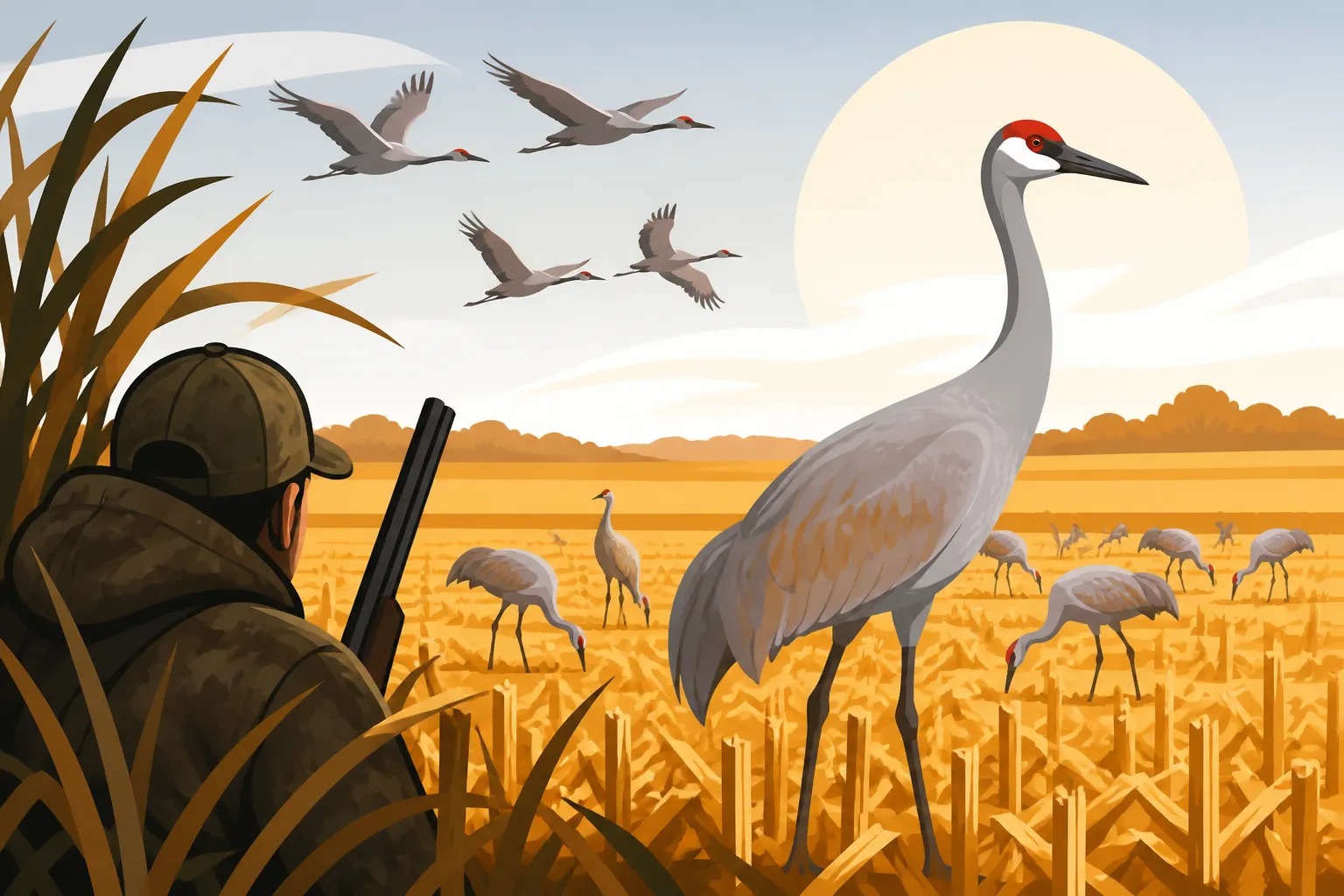
These birds are incredibly adept at gleaning. They walk methodically through fields, using their long beaks to pick up individual kernels. In a field of harvested corn, for example, the amount of dropped kernels can sustain thousands of cranes for days. This natural foraging behaviour is highly efficient for them, as they don't have to expend much energy digging or searching for food that is already abundant and exposed. It’s a symbiotic relationship, of sorts, where the farmer's leftover becomes the crane's lifeline. When you’re out scouting fields, perhaps using mapping tools often associated with platforms like GoHunt, you'll see how critical these post-harvest areas are. Hunting a Swathed Grain Field at Dusk is a great way to observe this.
The All-You-Can-Eat Buffet: Efficiency and Accessibility
Beyond just nutrition, grain fields offer unparalleled efficiency in foraging. Unlike a marsh where food might be dispersed and harder to extract, a grain field presents a relatively uniform, dense food source. This means cranes can spend less time searching and more time eating, which is crucial when they're on a tight migratory schedule.
The wide, flat expanse of a field also allows for easy movement and provides excellent sightlines. They don't have to navigate dense undergrowth or intricate aquatic vegetation. This accessibility is a huge factor in why they choose these spots. The energy saved in foraging translates directly into energy available for migration, increasing their chances of survival and successful breeding.
Safety and Social Dynamics: The Open Field Advantage
Beyond the promise of food, Sandhill Cranes seek refuge and security. Their preference for vast, open grain fields is deeply rooted in their instinctual need to avoid predators and maintain social bonds. These fields offer a strategic advantage, transforming into both a dining hall and a fortress.
Wide Open Spaces: Predator Avoidance and Vigilance
Cranes are large birds, but they are still vulnerable to predators like coyotes, foxes, raptors, and even eagles, especially the younger or weaker individuals. A wide-open grain field, particularly one with low stubble after harvest, provides an expansive visual panorama. A crane standing tall in such an environment can spot an approaching threat from a great distance.
This early warning system is amplified by their sheer numbers. When thousands of cranes are gathered, there are thousands of eyes and ears actively scanning the horizon. If one crane detects danger and sounds an alarm, the entire flock can take flight almost simultaneously, creating a chaotic, confusing spectacle for a predator. This collective vigilance is a powerful defense mechanism, making it incredibly difficult for any single predator to successfully target an individual bird without being detected. It's a key reason why they feel safe enough to feed and rest in these areas.
Roosting and Resting: A Secure Place to Recharge
While they primarily feed in grain fields, cranes often seek nearby shallow wetlands or water bodies to roost overnight. However, during the day, especially after a morning of intense feeding, they often utilize the open fields themselves for resting and loafing. These daytime rest periods are crucial for digestion and energy conservation.
The open fields serve a similar safety purpose for daytime resting as they do for foraging. Being out in the open, away from dense cover where predators could lurk undetected, provides a sense of security. They can spread out, preen their feathers, and simply stand alert, conserving energy without the constant stress of potential ambush. When you are Hunting Manitoba's Sandhill Crane Fields, you'll often see them feeding vigorously in the morning and then settling down for a mid-day rest before resuming their activities.
Thermal Comfort and Social Gathering: Staying Warm and Connecting
Beyond safety, open fields also offer practical advantages for the cranes' physical comfort and social lives. In the chill of late fall, especially in Manitoba, direct sunlight in an open field can provide welcome warmth. Being in a large group also helps with thermoregulation; the sheer body heat generated by thousands of birds can create a microclimate that offers a slight reprieve from biting winds.
Sandhill Cranes are highly social animals. They communicate through a complex repertoire of calls and engage in elaborate dances, even outside of breeding season. Large gatherings in grain fields provide ample opportunity for these social interactions, strengthening bonds within the flock. Younger birds can learn foraging and predator avoidance strategies from their elders. It's not just about food and safety; it's about community, which is vital for their species' success.
Manitoba's Central Flyway: A Critical Staging Ground for Cranes
Manitoba sits squarely in the heart of the Central Flyway, one of North America's major bird migration routes. This geographic position, combined with our province's unique blend of vast agricultural lands and essential wetland habitats, makes it an indispensable staging area for Sandhill Cranes. They don't just pass through; they pause, recuperate, and prepare for the next leg of their journey here. Manitoba's Sandhill Cranes and Their Migration explains this journey in more detail.
The Annual Journey: Migration Patterns Through the Province
Every fall, hundreds of thousands of Sandhill Cranes depart their breeding grounds in the Canadian Arctic, Alaska, and even parts of Siberia, heading south to wintering grounds in the southern United States and Mexico. Manitoba marks a crucial waypoint in this epic journey. The cranes arrive in waves, typically starting in late August and peaking through September and into early October.
They follow broad migratory corridors, often funneling through areas where food and safe roosting sites are abundant. Our province's flat landscape, interspersed with countless wetlands and lakes, provides the perfect combination of resources. They utilize these staging areas to rest, refuel, and wait for favorable weather conditions to continue their flight. Without these reliable stopovers, the sheer energetic demands of migration would be impossible for such large populations.
Agricultural Abundance: Matching Crane Needs with Manitoba's Landscape
It's not just that Manitoba has grain fields; it's that Manitoba has vast grain fields perfectly situated along their migratory path. The Interlake region, the southwestern plains, and areas west of Lake Winnipeg are particularly important. These regions offer immense stretches of wheat, barley, canola, and corn, all of which provide crucial post-harvest gleanings.
This abundance creates a critical ecological link. As agricultural practices have expanded, inadvertently creating more food resources in the form of waste grain, Sandhill Crane populations have, in many areas, also seen a resurgence. It’s a testament to how adaptable these birds are, leveraging human-modified landscapes to their advantage. When you're Scouting Fields for Manitoba Waterfowl, remember that cranes often frequent similar areas.
Seasonal Timing: When to Expect Large Concentrations
The timing of crane concentrations in Manitoba is directly tied to the agricultural cycle and the broader migratory schedule.
| Month | Typical Activity in Grain Fields | Notes |
|---|---|---|
| August | Early arrivals, scattered foraging | Some birds beginning to stage; fields with swathed grain or early harvest attract initial flocks. |
| September | Peak staging and feeding | Major influx of birds, widespread use of harvested cereal grain fields (wheat, barley). |
| October | Continued staging, shift to corn/peas | Birds continue to fuel up; as cereal grains become scarce, they move to corn and pea fields. |
| November | Late departures, few birds remain | Most birds have moved south; only stragglers or late migrants will be seen. |
This table illustrates why September and early October are prime times to observe these magnificent birds in Manitoba's fields. The combination of active harvest and peak migration creates the spectacular concentrations we see. Hunters often plan their crane hunts around these windows, leveraging resources like GoHunt to understand seasonal movements and secure access. When Sandhill Crane Season Opens is a key piece of information for planning your outing.
Observing Cranes Responsibly and Respectfully
Whether you're a birdwatcher, a photographer, or a hunter, understanding why Sandhill Cranes gather in Manitoba's grain fields deepens your appreciation for these incredible creatures. Their presence is a vibrant indicator of the health of our agricultural landscapes and a testament to the marvel of migration.
Ethical Viewing and Hunting Practices
For those who simply wish to observe, remember to give them space. Cranes are sensitive to disturbance, and flushing them repeatedly can waste precious energy they need for migration. Use binoculars or spotting scopes for close-up views, and avoid driving directly into fields where they are feeding. Respect private property and always seek landowner permission if you wish to enter a field on private land.
For hunters, ethical practices are paramount. Sandhill Cranes are a challenging and rewarding game bird, but responsible hunting ensures their populations remain healthy. This includes understanding legal hunting hours, bag limits, and using non-toxic shot, which is required for all migratory game birds in Manitoba. Non-Toxic Shot Requirements for Waterfowl applies here. Always have your Manitoba Migratory Bird Permits in order. Scouting is key to a successful and ethical hunt, and platforms like GoHunt can help identify potential areas and understand land access rules. Getting Permission for a Goose Field offers valuable advice applicable to crane hunting.
Understanding Crane Behaviour Beyond the Field
While grain fields are undeniably a major draw for Sandhill Cranes in Manitoba, it's important to remember they are part of a larger ecosystem. They still rely on shallow wetlands for roosting, especially overnight, where the water offers protection from terrestrial predators. They will also forage in wet meadows and prairies, especially for insects and tubers, when these resources are available.
The grain fields provide the bulk of their energy needs during staging, but the surrounding natural habitats are just as vital for their overall well-being. This integrated approach to habitat use highlights the importance of conserving both agricultural and natural landscapes to ensure the continued success of these magnificent migratory birds. Understanding these patterns, perhaps by consulting a Reading a Manitoba GHA Map Before You Go or Scouting With Satellite Imagery in Manitoba, can greatly enhance your experience, whether you're observing or hunting.
Disclaimer
This article is for general informational purposes only and does not constitute professional advice. Laws, prices and regulations vary by location and change over time. Consult a qualified professional for guidance on your specific situation.