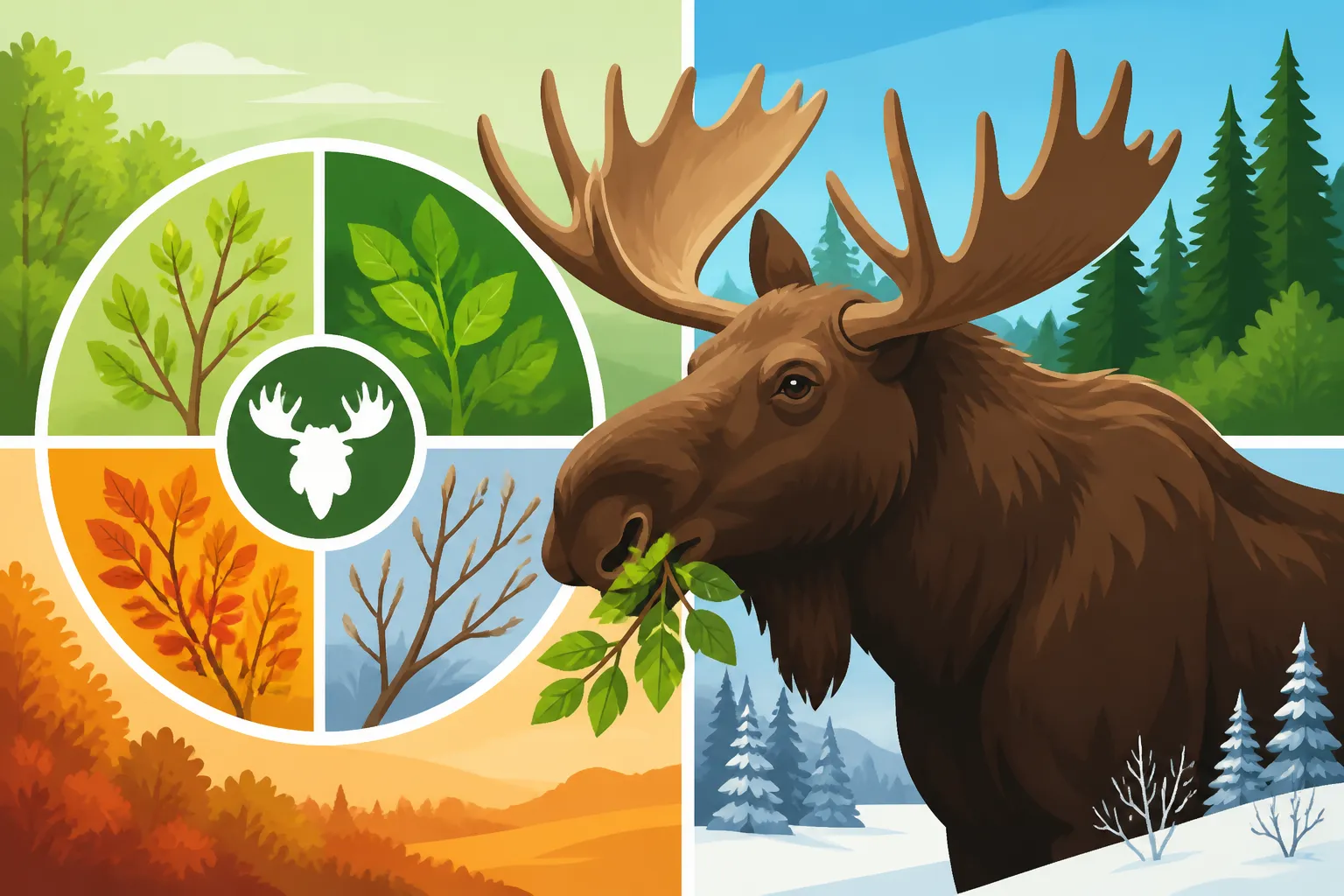
What Moose Eat Through the Year
Understanding what a Manitoba moose eats throughout the year isn't just a fascinating biological fact; it’s absolutely crucial for anyone who spends time in their habitat, whether you're a hunter, photographer, or just an avid outdoorsperson. We all know how tough it can be to decipher the intricate patterns of wildlife, especially when it comes to their often-hidden daily lives, but by breaking down their seasonal diet, we can unlock a deeper appreciation for these magnificent creatures and even improve our chances of finding them. This guide aims to pull back the curtain on the year-round menu of Manitoba's moose, helping you understand their nutritional needs and how they shape their movements and behaviour.
The Spring Feast: Re-energizing After Winter
When the snows finally begin to recede across Manitoba's boreal forests and parklands, and the first hints of green emerge, moose are often in a precarious state. They've just endured a long, lean winter, relying on woody browse that offers far less nutrition than the lush vegetation of warmer months. Many have lost significant body mass, and the arrival of spring is a desperate call for replenishment. This initial phase of green-up is a critical time for them to recover and rebuild.
In early spring, moose seek out the tender, emerging buds and shoots of deciduous trees and shrubs. Think of the soft, new growth on willow, trembling aspen, and paper birch. These burgeoning plants are packed with digestible nutrients and moisture, offering a much-needed boost after a diet of dry, woody twigs. You’ll often find moose concentrating in areas where this new growth is abundant, particularly along forest edges, recent clear-cuts, or river bottoms where the snow melts first and spring arrives a little earlier. They're not picky; any fresh, green bit they can get their jaws around is fair game. This intense feeding helps them regain lost weight and kickstart their metabolism for the vigorous months ahead.
As spring progresses into late May and early June, the variety of available forage expands significantly. Moose will continue to browse on the leaves of their preferred woody plants, but they also start to incorporate more herbaceous plants into their diet. This includes various forbs and grasses that are now shooting up from the forest floor. The goal is simple: consume as much high-quality, easily digestible food as possible to recover from winter and begin storing energy for the coming rut and the next winter. If you're using a tool like GoHunt to scout areas, look for regions with a good mix of young forest and wetlands, as these often provide the ideal early spring smorgasbord for a hungry moose.
Summer's Bounty: Aquatic Plants and Lush Greens
Ah, summer. For a Manitoba moose, this is the time of absolute abundance, a buffet spread across the landscape. While they continue to browse on terrestrial plants, summer is really when the aquatic vegetation takes center stage. You’ve probably seen photos or videos of moose with their heads submerged, sometimes for over a minute, slurping up plants from the bottom of a pond or lake. This isn't just for a cool dip; it's a strategic nutritional move.
Aquatic plants like water lilies, pondweeds, and mare's tail are incredibly rich in minerals, particularly sodium, which moose crave. Terrestrial plants simply don't offer the same mineral content. Moose need these minerals for bone and antler growth (for the bulls), milk production (for the cows), and overall health. They'll spend hours wading into swamps, marshes, and shallow lake edges, diving down to pull up these nutrient-dense plants. These areas become prime feeding grounds, and understanding this preference is key if you're ever Hunting Moose Around Manitoba Beaver Ponds. Beyond the aquatic delights, they're also gorging on the full, mature leaves of their favorite shrubs and trees – think red-osier dogwood, willow, and even some maple and oak leaves, depending on the specific region.
The sheer volume of food consumed during summer is staggering. A large bull moose might consume dozens of pounds of vegetation daily, fueling incredible growth. This period of intense feeding is directly linked to a bull's antler development and a cow's ability to support a growing calf. A summer of rich forage means stronger, healthier animals going into the fall. You might notice them favoring specific areas where the aquatic plants are particularly lush or where the surrounding forest provides a dense understory of preferred browse. These are the sweet spots.
Autumn's Last Hurrah: Building Fat Reserves
As summer wanes and the crisp air of autumn descends upon Manitoba, a palpable urgency enters the moose's feeding habits. The bountiful aquatic and herbaceous plants begin to wither, signaling the coming lean months. This is a critical time for moose to put on as much fat as possible, a survival strategy for the harsh winter ahead and the energy demands of the rut. Every calorie counts.
During early fall, moose are still taking advantage of any remaining green vegetation, but their focus rapidly shifts back to woody browse. The leaves on deciduous trees are starting to change colour and drop, but the twigs and terminal branches still offer significant nutrition. They’ll actively seek out areas with dense stands of willow, aspen, and birch, working hard to strip leaves and nip off small branches. If there are any late-season berries or fruits available, they'll certainly capitalize on those too, but these are more of a bonus than a primary food source for such a large animal. The intensity of their feeding during this time is matched only by their spring recovery efforts.
As the rut approaches and then peaks (often in late September and early October for Manitoba moose), feeding for bulls might take a temporary backseat to breeding activities. However, cows and younger animals continue to feed aggressively. Post-rut, all moose will redouble their efforts to fatten up before the snow flies. This late-season feeding is vital. A moose that enters winter with insufficient fat reserves faces a much higher risk of not surviving, especially if it’s a long, cold winter. Tools like GoHunt can help identify potential late-season browse areas by analyzing habitat, giving you an edge in understanding where moose might be concentrating their efforts to build those critical fat stores. This preparation is paramount for their survival and reproductive success.
Winter Survival: The Art of Woody Browse
When winter truly sets in across Manitoba, bringing deep snow and biting cold, the moose's diet becomes considerably more challenging. The lush greens and abundant aquatic plants of summer are long gone, covered by ice and snow. Survival now hinges on their ability to find and process woody browse, often of lower nutritional value. This is where their sheer size and adaptation to cold environments truly shine.
Moose in winter primarily subsist on the twigs and bark of various deciduous and coniferous species. Their mainstays include willow, trembling aspen, balsam fir, red-osier dogwood, and often beaked hazel. They’ll strip bark from young trees, especially aspen, when other browse is scarce or snow cover is too deep to access smaller twigs. The sheer volume required to sustain their massive bodies means they spend a large portion of their day actively browsing, moving through dense thickets and regenerating forest stands. They prefer areas where the browse is within easy reach, typically less than three meters (10 feet) high, though they are adept at pushing down smaller trees to access higher branches.
During periods of extreme cold and deep snow, moose will often "yard up" in areas with dense thermal cover and abundant browse. These yards, often in mixed wood or coniferous stands, provide some shelter from the wind and predators, allowing them to conserve energy. Their digestive system is highly adapted to extract nutrients from this coarse, woody material, but it's a constant battle against energy expenditure versus caloric intake. It's a testament to their resilience that they can not only survive but often thrive through Manitoba's brutal winters, sustained by these seemingly meager offerings. When considering Hunting a Frozen Slough Crossing in winter, remember that moose might be moving between these yarding areas and slightly more open spots where browse might be accessible, using frozen water bodies as travel corridors.
Seasonal Diet Summary: A Moose's Year-Round Menu
To help visualize the shift in a moose's diet throughout the year, here's a quick summary of their primary food sources. This isn't exhaustive, as moose are opportunistic eaters, but it covers their main dietary focus for each season.
| Season | Primary Food Sources | Key Nutritional Focus | Typical Habitat Preferences |
|---|---|---|---|
| Spring | Tender buds, young shoots, emerging leaves of willow, aspen, birch; early herbaceous plants | Protein, digestible carbohydrates | Forest edges, recent cuts, river bottoms, areas of new growth |
| Summer | Aquatic vegetation (water lilies, pondweeds), mature leaves of shrubs/trees, forbs | Minerals (sodium), bulk volume, protein | Shallow lakes, marshes, beaver ponds, dense forest understory |
| Autumn | Woody browse (twigs, leaves) of willow, aspen, dogwood, hazel; some berries | Fat accumulation, energy storage | Mixed forests, regenerating clearings, dense shrub thickets |
| Winter | Woody browse (twigs) of willow, aspen, balsam fir, dogwood; some bark stripping | Energy maintenance, survival | Dense coniferous/mixed wood stands, sheltered yards with browse |
This table clearly illustrates the dramatic shifts in their diet, driven by seasonal availability and their changing nutritional requirements.
The Impact of Habitat on Moose Diet
It's impossible to talk about what moose eat without talking about where they eat. The habitat directly dictates the available menu, and certain areas in Manitoba are simply better moose country due to the richness and diversity of their forage. For instance, areas that have recently experienced logging or natural disturbances like wildfire often see an explosion of new, young growth that moose absolutely love. This creates fantastic browsing opportunities for several years. You might find moose concentrated in these areas, like Hunting a Burned-Over Boreal Block after a few years have passed, as the vegetation rebounds.
Conversely, older, mature forests, while providing excellent cover, typically have a sparser understory, offering less food at a moose's height. This pushes moose to the edges of these older forests or into younger stands. Understanding the interplay between forest age, wetland presence, and disturbance history is crucial. This is where scouting, whether on foot or using detailed satellite imagery, becomes incredibly valuable. If you're looking for where the biggest bulls come from, you're usually looking for prime habitat with consistent, high-quality forage throughout the year, especially through the critical summer months. Good nutrition year after year contributes significantly to antler size and overall body mass, leading to trophy animals.
Thinking about the larger landscape, the health of Manitoba's moose populations is intrinsically linked to the health of their habitat and the food it provides. Factors like timber harvesting practices, natural succession, and even the presence of certain diseases can all influence the availability and quality of their food sources. For instance, a severe winter can reduce browse, making it harder for moose to bounce back in spring. Similarly, areas where How Winter Ticks Affect Boreal Moose populations, can lead to weaker animals that struggle more to find and process enough food, becoming more susceptible to other health issues.
Ultimately, whether you're planning a hunting trip or simply appreciate Manitoba's wild spaces, a deeper understanding of what moose eat through the year provides invaluable insight into their lives, movements, and overall well-being. It's a continuous cycle of adapting to the seasons, maximizing the bounty of the land, and preparing for the lean times ahead.
Disclaimer
This article is for general informational purposes only and does not constitute professional advice. Laws, prices and regulations vary by location and change over time. Consult a qualified professional for guidance on your specific situation.