Manitoba’s Top Typical Whitetails
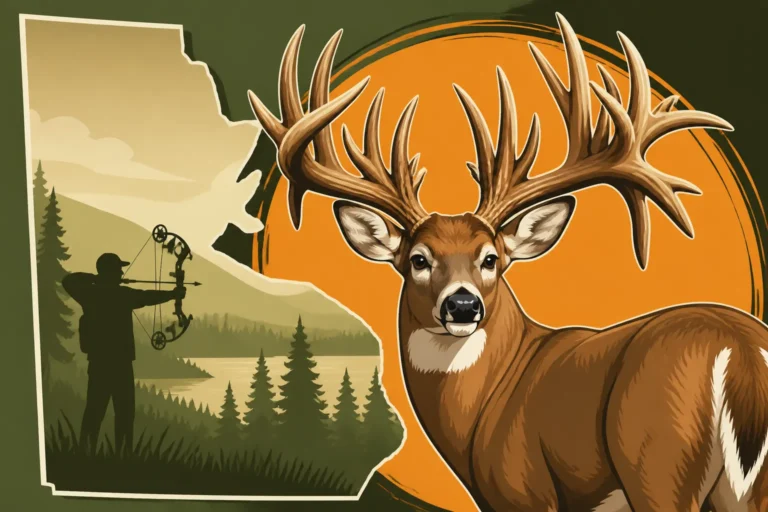
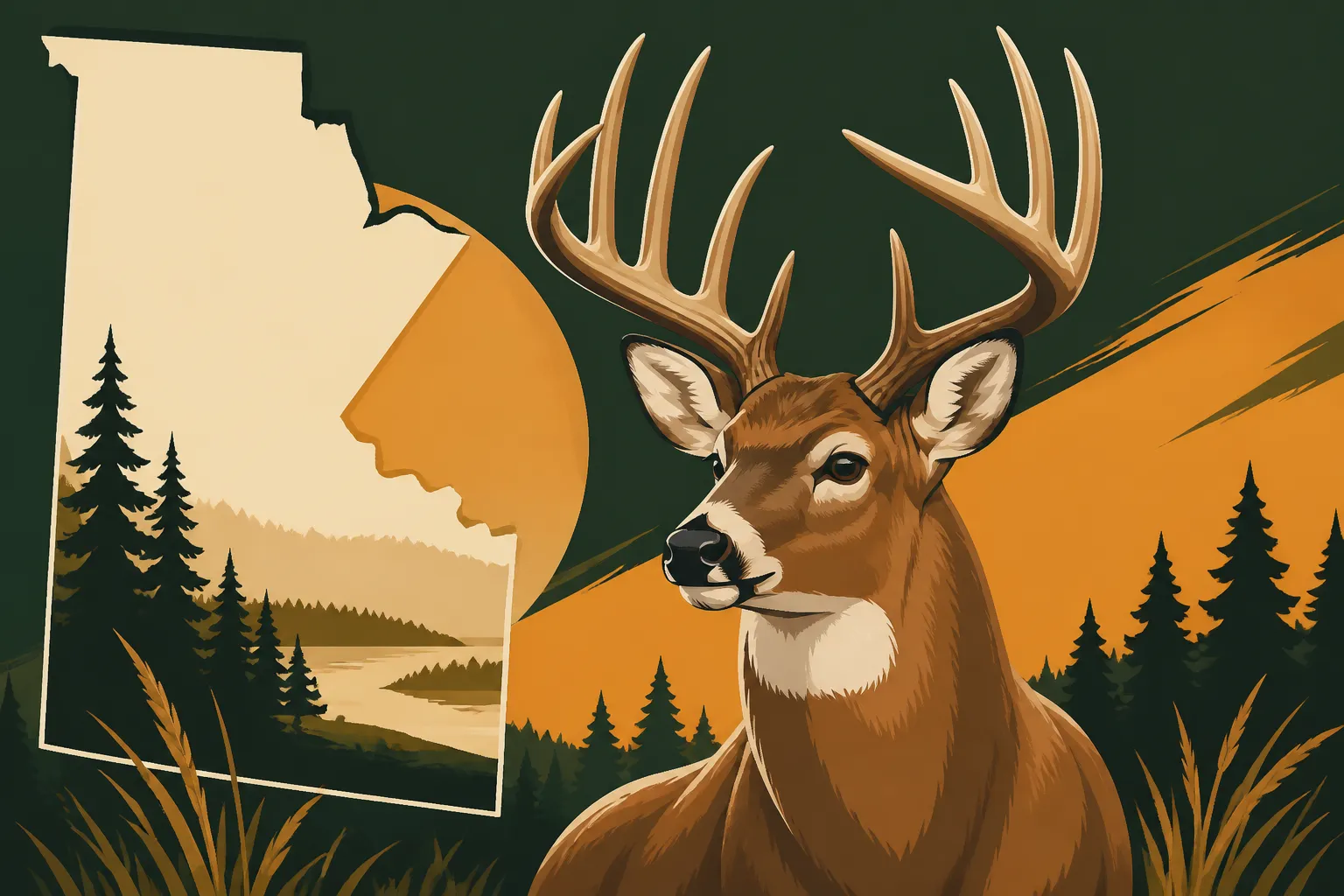
There's a special kind of thrill that comes with chasing whitetails in Manitoba, a dream that often centers around the elusive, perfectly symmetrical typical buck that calls our diverse landscape home. For many, the ultimate goal isn't just a big deer, but one that embodies classic beauty and stands tall as a true representation of the species. This guide is all about diving deep into what makes a Manitoba whitetail truly a "top typical," where you might find these giants, and the strategies that can help you pursue your own record-book dream.
What Makes a Typical Whitetail "Top Tier" in Manitoba?
When we talk about "top tier" typical whitetails, we're really honing in on a specific ideal of antler growth – one defined by symmetry, mass, and clean, defined points. It's not just about raw size, though that certainly helps; it's about the aesthetic perfection that makes these deer so sought after. The journey to understand what elevates a buck into this category starts with knowing how these magnificent animals are judged and the unique conditions that allow them to flourish in our province.
Understanding the Boone & Crockett Scoring System
For most hunters, the gold standard for measuring trophy whitetails is the Boone & Crockett Club scoring system. It’s a detailed, methodical process that really highlights the beauty of a truly typical rack. What B&C looks for in a typical deer is essentially a mirror image from one side of the antlers to the other. You’re looking for long, graceful main beams, tall tines (the G1s, G2s, G3s, etc.), and strong circumferences (the H1s, H2s, H3s, H4s).
The beauty of the typical category is that it heavily penalizes non-symmetrical points or extra "non-typical" points that might otherwise make a rack look massive but less classic. Every measurement on one side of the rack is compared to the corresponding measurement on the other side, and any differences result in deductions. This pursuit of a "clean" rack, free from abnormalities, is what drives many hunters. The dream is to find that buck whose antlers are so perfectly matched, so elegantly formed, that they command respect even before a tape measure touches them. It's about proportion, balance, and that undeniable visual appeal that screams "perfect whitetail." You can learn more about official measurements in resources like Scoring a Typical Whitetail Rack.
The Ideal Manitoba Environment for Trophy Typical Growth
Manitoba isn't just a place where deer live; it's a place where they thrive, especially when it comes to growing impressive antlers. Our province offers an incredibly diverse habitat that acts as a natural factory for big-bodied, big-racked whitetails. The rich soils of the agricultural belt, coupled with the dense cover of the bush country and the transition zones like the Aspen Parkland, provide everything a buck needs to reach its full genetic potential.
Think about it: endless fields of corn, canola, and alfalfa offer a high-protein, high-energy diet essential for antler development. These agricultural resources, combined with natural browse in the bush and along river bottoms, ensure that bucks have a consistent and nutrient-rich food supply year-round. Beyond just food, the vast tracts of wilderness and heavier cover allow bucks to reach older age classes, which is absolutely crucial for growing a trophy-sized rack. A 1.5-year-old buck, no matter how good his genes, simply hasn't had the time to put on the bone that a 4.5 or 5.5-year-old buck has. Good genetics, a prime diet, and the luxury of age are the triple crown for a top-tier typical whitetail, and Manitoba delivers on all fronts. This unique combination is a significant factor in Why Manitoba Bucks Grow Heavy Bodies and their impressive racks.
Where the Giants Roam: Manitoba's Prime Zones for Typical Whitetails
If you’re looking to find a top typical whitetail in Manitoba, it pays to know where these giants tend to roam. While big bucks can pop up anywhere, certain regions consistently produce larger, more symmetrical antlers due to a confluence of habitat, genetics, and hunting pressure. It's not just guesswork; it's about understanding the land and how deer use it.
The Parkland and Agricultural Fringe
When you hear hunters talk about trophy whitetails in Manitoba, the Parkland region and the areas bordering our rich agricultural lands are often at the top of the list. These are those magical transition zones where vast fields of nutrient-rich crops meet dense pockets of aspen bluffs, willow thickets, and river bottom timber. This combination is a deer's paradise. The fields provide an almost unlimited buffet of high-quality feed – essential proteins, carbohydrates, and minerals that fuel incredible antler growth. Bucks can pack on mass and length quickly here.
But it’s not just the food. The adjacent bush and timber pockets provide perfect bedding cover, sanctuary from disturbances, and escape routes. These areas often have a good balance of age structure in the herd, meaning older bucks are more likely to survive and express their full genetic potential. Hunting pressure can be a factor, but the sheer amount of cover and private land can help mature bucks stay hidden. For incredible opportunities, consider exploring Hunting Manitoba's Parkland Region or focusing on areas where the farmland gives way to bush. These edges and fringes are where you'll often find the most consistent trophy production year after year.
Interlake and Southern Bush Country
Beyond the immediate agricultural fringe, other regions like the Interlake and deeper into the southern bush country also hold incredible potential for top typical whitetails. These areas might not always have the expansive cultivated fields, but they offer vast, unbroken tracts of forest, swamp, and natural clearings that are perfect for deer to grow old and undisturbed. While the diet might be more reliant on natural browse, the sheer lack of consistent hunting pressure and abundant cover means bucks can live longer and reach that critical age for trophy growth.
Think of the Interlake region, nestled between Lake Manitoba and Lake Winnipeg. It's a mosaic of aspen, oak, marsh, and scattered agricultural pockets that create a haven for deer. Farther south, areas with significant blocks of provincial forest or less-accessible bush offer similar opportunities. These regions require a different kind of hunting — often more about persistence, tracking, and understanding how deer use dense cover. The bucks here might not always have the instant, incredible mass of a corn-fed monster, but they can still carry impressive, clean racks. For those willing to put in the legwork, Hunting Whitetails in Manitoba's Bush Country can yield truly spectacular results, often with bucks that have grown up wild and wise.
Tactics for Pursuing Manitoba's Top Typical Bucks
Chasing a top typical whitetail in Manitoba is more than just luck; it's a strategic endeavor that combines meticulous scouting, understanding deer behavior, and knowing when and where to apply specific hunting techniques. It requires patience, persistence, and a deep appreciation for the challenge. You can't just hope a giant walks by; you need to make it happen.
Scouting for Symmetry and Maturity
Effective scouting is the bedrock of any successful trophy hunt, and it becomes even more critical when you're specifically targeting a top typical buck. Your goal isn't just to find a buck, but to identify a mature deer with the desired antler characteristics. Start well before the season, utilizing tools like trail cameras. Set them up on active scrapes, rub lines, and travel corridors, especially where food sources meet bedding areas. The images they capture are invaluable for assessing antler quality – looking for main beam length, tine height, and the crucial symmetry that defines a typical. Remember to check out Reading Antler Growth After a Wet Year to understand how environmental factors can influence a buck's rack from year to year.
Beyond cameras, get out on the land and learn to read the sign. Look for large, deep rubs on saplings and bigger trees, indicating a mature buck has been working them. Search for big scrapes, particularly those with a strong overhead licking branch. Pay attention to track size; a truly mature buck will leave a significantly larger print than a younger deer. Understanding how deer use the terrain – those subtle funnels, pinch points, and natural travel routes – is key. A good habit is to learn Scouting a Manitoba Game Hunting Area thoroughly, studying maps, satellite imagery, and then putting boots on the ground to confirm your hypotheses. Remember, the more you know about the deer and their habits before the season, the better your chances of encountering that specific buck you're after.
Hunting the Rut for Your Best Shot
For many hunters chasing top typical whitetails, the rut is the prime window of opportunity in Manitoba. This is when mature bucks, normally reclusive and nocturnal, throw caution to the wind in search of does. Their focus shifts dramatically, making them more vulnerable and active during daylight hours. Timing your hunt during the peak of the rut, typically in early to mid-November, significantly increases your chances of encountering a trophy buck. This is when Hunting the Rut in Early to Mid November really comes into its own.
Strategic stand placement is critical during this period. Focus on funnels – natural bottlenecks between bedding and feeding areas, creek crossings, or strips of timber connecting larger blocks of cover. Also, consider pinch points where deer are forced into a narrow corridor. Using scent control religiously is paramount, as a wary buck's nose is his primary defense. Don't be afraid to incorporate calling strategies; rattling antlers can imitate a buck fight, drawing in curious or territorial bucks, and grunt calls can also be effective. Consider exploring techniques like Rattling and Calling Parkland Whitetails to entice those dominant bucks. The key during the rut is patience and persistence; long hours on stand, especially during prime morning and evening periods, are often rewarded with a fleeting opportunity at the buck of a lifetime.
Beyond the Score: Appreciating the Manitoba Whitetail Journey
While the allure of a top typical score is undeniable, hunting in Manitoba, especially for a magnificent whitetail, offers so much more than just a number on a scorecard. The true richness of the experience lies in the journey itself – the challenges, the lessons learned, and the profound connection to the wild. The memories forged and the stories told far outlast any measurement.
The Thrill of the Chase and Respect for the Animal
The pursuit of a top typical whitetail in Manitoba is an incredible endeavor, filled with highs and lows, intense anticipation, and often, humbling lessons. It’s the thrill of the chase that truly captivates us – the early mornings, the quiet stalk through frosted bush, the hours spent meticulously observing a Hunting a Manitoba Bush Edge, and the heart-pounding moments when a mature buck finally steps into view. This is an experience that transcends the mere act of harvesting an animal. It’s about the challenge, pitting your skills and knowledge against a magnificent creature in its natural environment.
Crucially, this pursuit also instills a deep respect for the animal itself. A top typical whitetail represents years of survival, resilience, and adaptability in the face of harsh Manitoba winters and various predators. It's a testament to the deer's strength and the health of the ecosystem it inhabits. Every successful hunt carries with it the responsibility to honor that animal, ensuring ethical harvest and full utilization of the meat. Whether you come home with a world-class rack or simply a story of a missed opportunity, the appreciation for the wildlife and the hunting tradition remains paramount.
Preserving the Legacy for Future Generations
As hunters, we have a vital role to play in ensuring that the opportunity to pursue magnificent whitetails in Manitoba continues for generations to come. This means actively engaging in conservation efforts and practicing responsible, ethical hunting. It's not just about taking a trophy; it's about safeguarding the health of the entire herd and its habitat. Understanding herd dynamics, supporting habitat preservation, and adhering strictly to regulations are all critical aspects of this responsibility.
For example, understanding and participating in initiatives like Manitoba's CWD Sampling Requirements is crucial for monitoring disease and protecting the future of our deer populations. It’s also about selective harvest – sometimes passing on a younger buck with great potential to allow it another year or two to grow into that top typical. It means knowing How Much Crown Land Manitoba Has we have available for hunting and advocating for its continued access and preservation. Ultimately, our actions today directly impact the hunting experiences of tomorrow. By valuing the resource, respecting the animals, and contributing to conservation, we ensure that the legacy of chasing Manitoba's top typical whitetails endures, allowing future hunters to share in the same incredible journeys we cherish.
Disclaimer
This article is for general informational purposes only and does not constitute professional advice. Laws, prices and regulations vary by location and change over time. Consult a qualified professional for guidance on your specific situation.