Bovine Tuberculosis in Manitoba Wildlife
It's always a heavy feeling when you hear about diseases impacting the wild game we cherish and pursue. The thought of an illness like Bovine Tuberculosis (bTB) lurking in the deer, elk, or moose you're hunting can be unsettling, adding a layer of concern to an otherwise enjoyable outdoor experience. This guide is here to shed light on what Bovine Tuberculosis is, how it affects Manitoba's wildlife populations, and most importantly, what you, as a responsible hunter, need to know to stay informed and safe in the field.
Understanding Bovine Tuberculosis in Manitoba
Bovine Tuberculosis, often referred to simply as bTB, is a chronic bacterial disease primarily affecting cattle, but it can also infect many other mammal species, including wildlife. For years, folks might have heard about it in livestock, but its presence in wild populations, especially in certain areas of Manitoba, has brought it to the forefront of conservation and hunting discussions.
What is Bovine Tuberculosis?
At its core, Bovine Tuberculosis is caused by the bacterium Mycobacterium bovis. It's a slow-acting disease, meaning animals can carry it for a long time without showing obvious symptoms, which makes detection in the wild particularly challenging. Unlike some acute illnesses, bTB can cause gradual wasting, respiratory issues, and lesions in the lungs and lymph nodes. It’s important to remember that while the name suggests "bovine," its reach extends far beyond cattle, creating a complex web of interactions within ecosystems.
The history of bTB in Manitoba's wildlife isn't a new chapter. There have been ongoing efforts to monitor and manage its presence, especially in specific regions where there’s a known interface between wildlife and domestic animals. This persistent nature means hunters often have valid questions and concerns about how it might impact their hunting opportunities or the health of the game they harvest. It’s not about fear-mongering, but about informed awareness, which is what we’re aiming for here.
How it Spreads Among Animals
The transmission of Bovine TB mainly occurs through close contact between infected and susceptible animals. When an infected animal coughs or sneezes, it can spread the bacteria through aerosols, which can then be inhaled by others. Sharing feed and water sources also presents a risk, as bacteria can be shed through saliva, feces, and urine. This is particularly relevant in areas where large groups of animals congregate, whether at winter feeding sites, mineral licks, or even around bait sites.
Consider a scenario in a specific Game Hunting Area (GHA) where deer, elk, and cattle might share overlapping ranges. A chronically infected elk, showing no outward signs of illness, could frequent a waterhole or a field edge. Other deer or even livestock using that same area could then pick up the bacteria. This complex interaction highlights why managing bTB is a multi-faceted challenge, requiring cooperation between wildlife managers, livestock producers, and hunters. It's not just a single species issue; it's an ecosystem-wide concern.
How Bovine TB Affects Manitoba's Wildlife and Hunters
The presence of Bovine TB in wildlife is a significant concern for both ecosystem health and hunting communities. It directly impacts various game species and necessitates careful practices from hunters to ensure safety and assist in monitoring efforts.
Species at Risk and Visible Symptoms
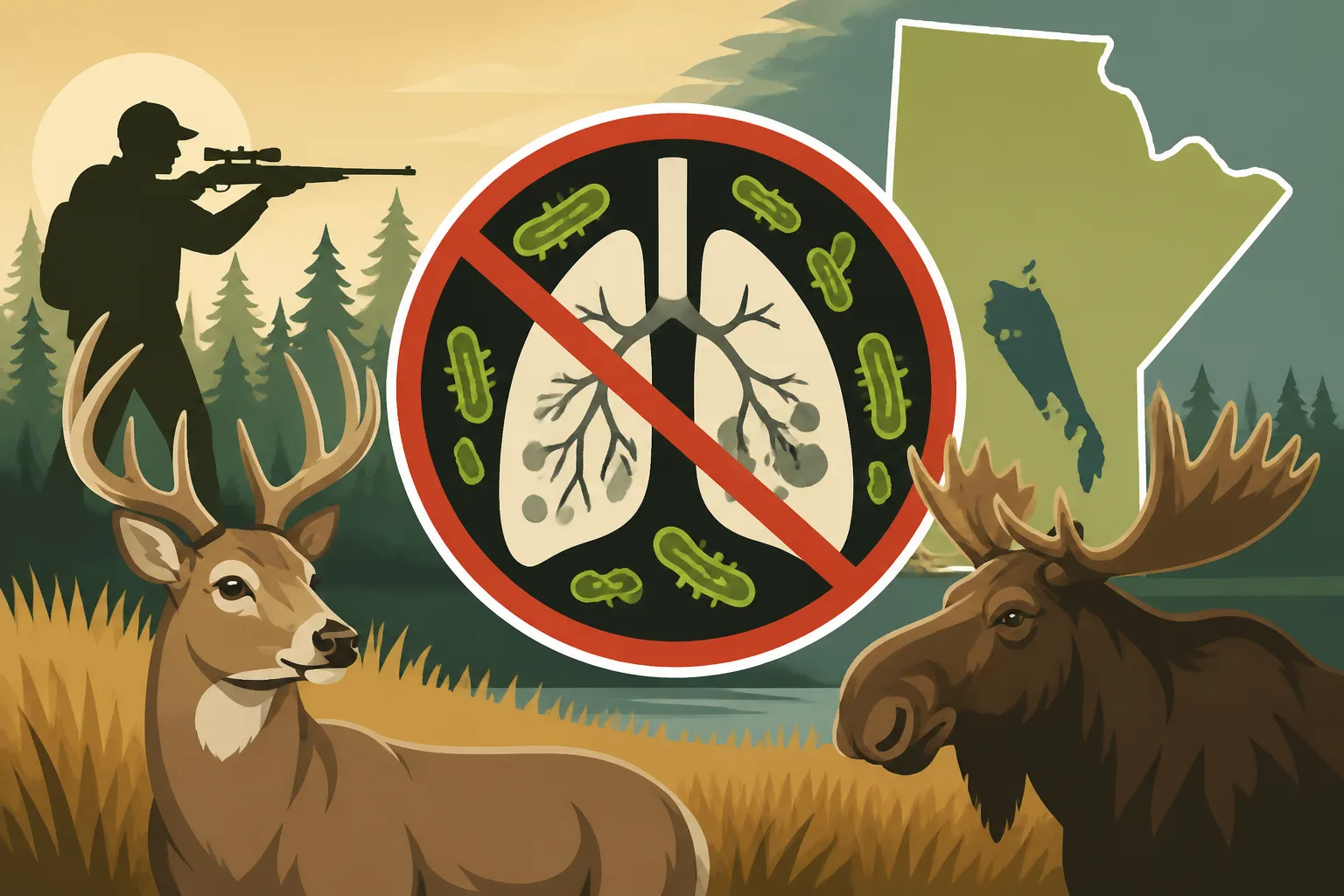
In Manitoba, while bTB is primarily associated with cattle, it has been found in wild populations, particularly in species like white-tailed deer and elk. Moose can also be susceptible, though less frequently detected. These animals can act as reservoirs for the bacteria, perpetuating its presence in certain areas. For a hunter, recognizing potential signs is crucial, though often difficult due to the chronic nature of the disease.
The signs of bTB in an infected animal are not always obvious, especially in the early stages. However, as the disease progresses, an animal might show signs of poor body condition, lethargy, persistent coughing, and difficulty breathing. Internally, lesions might be present in the lungs, lymph nodes, and other organs. These lesions can range from small, pea-sized nodules to larger, abscess-like structures filled with a caseous (cheese-like) material. While many hunters might be familiar with looking for signs of other diseases like CWD, bTB lesions require careful inspection during field dressing. What CWD Has Done to Manitoba Deer is another important topic for hunters to be aware of, as both diseases impact herd health.
Impact on Wildlife Populations
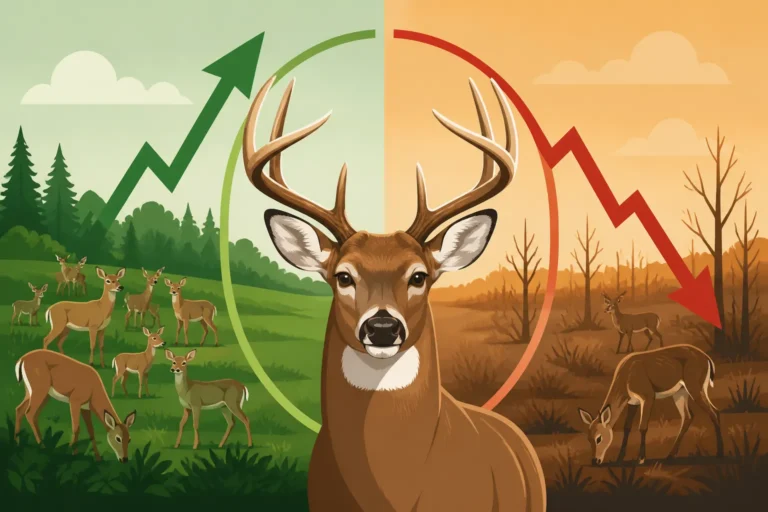
The impact of Bovine TB on Manitoba's wildlife populations can be insidious. While it might not cause sudden, dramatic die-offs like some other diseases, its chronic nature can weaken animals, making them more susceptible to other illnesses, predation, or harsh environmental conditions. A population struggling with bTB may experience reduced reproductive success, lower survival rates, and overall decreased health, eventually leading to population declines in localized areas.
For example, a herd of elk in the Duck Mountain Country that is battling bTB might see a slower recovery from a tough winter, or calves might be more vulnerable due to compromised maternal health. This long-term, slow burn effect makes monitoring and managing bTB in wildlife a marathon, not a sprint. It underscores why persistent vigilance from wildlife agencies and informed participation from hunters are so vital for the long-term health of these game species.
Potential Human Health Risk
It's natural for hunters to worry about the risk of contracting a disease from game meat. The good news is that human infection with Mycobacterium bovis from wild game is extremely rare, especially in regions with good food safety practices. However, it's not impossible, and caution is always warranted. The primary risk pathway for humans is usually through consuming unpasteurized dairy products from infected cattle or through occupational exposure.
For hunters, the main concern revolves around handling infected carcasses and consuming undercooked meat. Proper hygiene during field dressing, cooking meat thoroughly, and recognizing suspicious lesions are your best defenses. Always wear gloves when field dressing any animal, and be meticulous about cleaning all tools and surfaces afterward. If you notice any questionable lesions or abnormalities during processing, it's always best to err on the side of caution and report your findings to wildlife officials. This diligence protects not only yourself but also helps maintain accurate surveillance data.
Manitoba's Response to Bovine TB
Manitoba takes the threat of Bovine Tuberculosis seriously, implementing a multi-pronged approach that involves surveillance, testing, and collaboration to manage and mitigate its impact on both wildlife and livestock. This collective effort is crucial for the health of our ecosystems and agricultural industry.
Surveillance and Monitoring Programs
The cornerstone of Manitoba's bTB strategy is a robust surveillance and monitoring program. This involves actively testing wildlife for the presence of the disease, particularly in areas where bTB has been detected previously or where there's a higher risk of interaction between wild and domestic animals. This includes specific GHAs known for wildlife-livestock interfaces. Hunters play an incredibly important role here by submitting samples or reporting suspicious findings.
Wildlife agencies often rely on hunter-harvested samples for their surveillance efforts. When you take an animal, especially in designated monitoring zones, you might be asked to submit specific tissues for testing. This data helps create a clearer picture of where bTB exists, how prevalent it is, and whether it's spreading. Without the cooperation of hunters, these programs would be far less effective in gauging the health of our wild populations. Tools like the GoHunt app or website can sometimes provide information on specific areas of concern or reporting stations, helping hunters stay current with local directives.
Testing Protocols and Reporting Suspicious Animals
When an animal is suspected of having Bovine TB, specific testing protocols are followed to confirm the diagnosis. This usually involves laboratory analysis of tissue samples, particularly lymph nodes and lung tissue, to identify the Mycobacterium bovis bacteria. These tests are precise and are crucial for confirming the presence of the disease.
As a hunter, if you encounter an animal that appears sickly, emaciated, or exhibits unusual behavior, it's essential to report it to Manitoba Conservation and Climate. Similarly, if you harvest an animal and observe any suspicious lesions during field dressing, especially in the chest cavity or lymph nodes, do not process the meat further. Instead, contact wildlife officials immediately. They can advise you on how to submit samples for testing and provide guidance on carcass disposal. Your vigilance can be a critical early warning for wildlife managers and helps protect other animals and potentially other hunters.
Management Strategies and Biosecurity Measures
Manitoba's management strategies for bTB in wildlife are complex and often involve a combination of approaches. These can include intensified surveillance in affected areas, strategic culling of infected wildlife if prevalence is high, and habitat management to reduce wildlife-livestock interactions. Education and outreach to both hunters and landowners are also key components.
Biosecurity measures are paramount, especially for landowners. This involves practices like securing feed and water sources, reducing wildlife access to livestock areas, and proper disposal of carcasses. For hunters, biosecurity means being mindful of where you transport carcasses, especially if you've harvested an animal from a known bTB area. Properly cleaning your vehicle, tools, and boots after a hunt can prevent the inadvertent spread of bacteria to other locations. Understanding Manitoba's CWD Sampling Requirements gives you a good parallel for the kind of proactive measures taken to protect our herds.
What Hunters Need to Know: Prevention and Precautions
As hunters, we're on the front lines, often the first to observe changes in wildlife populations or signs of illness. Being prepared and knowing what steps to take regarding Bovine TB is an essential part of responsible hunting in Manitoba.
Safe Field Dressing and Carcass Handling
The most critical time for a hunter regarding bTB is during field dressing and carcass handling. Always wear latex or nitrile gloves when gutting any animal. This is a good practice for general hygiene, but it's especially important if you're concerned about diseases. Inspect the organs carefully, particularly the lungs and lymph nodes. Look for any abnormal lumps, nodules, or abscesses, especially those with a gritty or cheese-like consistency.
If you find anything suspicious, isolate the affected parts. Do not attempt to salvage or consume meat from an animal with clear signs of disease. Double-bag the suspicious organs and mark them clearly. Contact the local Conservation Officer or Manitoba Sustainable Development office as soon as possible for instructions on how to submit a sample. If you're harvesting a larger animal like a moose, quartering it alone in the bush might seem efficient, but always be mindful of internal signs. Remember to clean all your knives, saws, and processing surfaces thoroughly with soap and hot water, followed by a disinfectant, after handling any game.
Reporting Suspect Animals or Lesions
Your role as a reporter is invaluable. If you see a live animal that looks severely sick, emaciated, or is acting strangely, especially in a known bTB management zone, make a note of its location and contact Manitoba Conservation and Climate. Do not approach or handle the animal. They can dispatch and test it, preventing further spread.
If you've harvested an animal and found suspicious lesions, the reporting process is straightforward. First, contact your local Conservation Officer or the nearest provincial office. They will guide you on how to properly submit the affected tissues for testing. Often, they have designated drop-off locations or can arrange for pickup. Being prompt with your report is vital, as early detection helps wildlife managers respond more effectively. You can often find contact information and specific instructions through government hunting guides or online resources. GoHunt could also be a platform where hunters share real-time observations, complementing official channels.
Meat Care and Cooking Guidelines
Even if you don't find any visible signs of disease, proper meat care and cooking are always recommended. When handling game meat, treat it like any other raw meat. Ensure it's kept clean, cool, and quickly processed to prevent spoilage. For specifics on Meat Care in Manitoba's Cold Snaps or other conditions, you can find excellent guides.
Regarding bTB, the bacteria are susceptible to heat. Thoroughly cooking all game meat to an internal temperature of at least 160°F (71°C) will kill any potential bacteria, including Mycobacterium bovis. Avoid consuming raw or undercooked game meat. If you're using a butcher, inform them if the animal was harvested from a known bTB area or if you had any minor concerns, so they can take extra precautions. Cross-contamination between raw and cooked foods should also be avoided by using separate cutting boards and utensils.
Future Outlook and Ongoing Efforts
Addressing Bovine Tuberculosis in Manitoba's wildlife is an ongoing challenge that requires sustained effort, research, and collaboration. The future health of our game populations depends on these continued commitments.
Long-Term Impact and Management Challenges
The long-term impact of bTB in wildlife populations is still being studied, but it's clear that it presents a persistent management challenge. Unlike some diseases that might flare up and then recede, bTB can be endemic in certain areas, meaning it's consistently present at low levels. This makes eradication extremely difficult, if not impossible, in free-ranging wildlife. Instead, the focus shifts to containment and minimizing its spread and impact.
One of the biggest challenges is the wild nature of the disease. You can't fence in every deer or elk. Understanding how specific habitat features influence disease transmission, or how different herd dynamics affect prevalence, requires continuous research. Climate change, habitat fragmentation, and even changing agricultural practices can all play a role in how bTB manifests in our wildlife over time, making it a dynamic rather than static problem.
Research and Collaborative Initiatives
Manitoba, along with federal agencies and academic institutions, is actively engaged in research to better understand bTB in wildlife. This includes studying the specific strains of bacteria present, investigating transmission pathways, and developing more effective surveillance and management tools. This scientific understanding is crucial for guiding future strategies.
Collaboration is also key. Wildlife agencies work closely with agricultural departments, livestock producers, veterinarians, and conservation organizations. Hunters' organizations, such as the Manitoba Wildlife Federation, also play a vital role in educating their members and facilitating sample collection. This multi-stakeholder approach ensures that different perspectives and expertise are brought to the table to tackle this complex issue comprehensively. It’s an "all hands on deck" situation, where every piece of information, every submitted sample, helps to fill in the larger picture.
Hunter's Role in a Healthy Ecosystem
Ultimately, hunters are more than just participants in the annual harvest; we are integral stewards of the land and its wildlife. Our engagement in issues like Bovine TB goes far beyond simply adhering to regulations. By staying informed, practicing responsible hunting ethics, and actively participating in surveillance programs, we contribute directly to the health and sustainability of Manitoba's diverse game species.
Whether it's learning about Manitoba's Moose Conservation Closures to understand population dynamics or submitting samples for CWD or bTB testing, your actions matter. Remember that wildlife populations are dynamic and face numerous pressures. Our collective vigilance helps ensure that future generations can enjoy the rich hunting heritage and abundant wildlife that Manitoba is known for. The more we know and the more we act responsibly, the better equipped we are to face these challenges together.
| Bovine TB Key Considerations for Hunters | Actionable Steps |
|---|---|
| Visibility of Symptoms | Be aware that symptoms can be subtle or absent. Look for emaciation, lethargy, coughing. |
| Internal Lesions | Inspect lungs and lymph nodes during field dressing for abnormal nodules, lumps, or abscesses. |
| Personal Protection | Always wear gloves when field dressing any animal. |
| Reporting Suspicious Findings | If you find suspicious lesions or an obviously sick animal, contact Manitoba Conservation and Climate immediately. Do not discard the carcass without instruction. |
| Meat Handling & Cooking | Cook all game meat thoroughly to an internal temperature of 160°F (71°C). Avoid cross-contamination. |
| Equipment Hygiene | Thoroughly clean and disinfect all knives, saws, and processing surfaces after use. |
| Carcass Disposal | Follow official guidelines for carcass disposal, especially from known bTB areas, to prevent further spread. |
| Stay Informed | Regularly check Manitoba Sustainable Development's official guidelines and news updates regarding bTB in your hunting areas. |
Disclaimer
This article is for general informational purposes only and does not constitute professional advice. Laws, prices and regulations vary by location and change over time. Consult a qualified professional for guidance on your specific situation.