Colour Phases in Manitoba Black Bears
For many hunters, the image of a black bear is, well, black. It's easy to fall into that trap, thinking every bear you encounter in the Manitoba bush will be that classic glossy dark. But if you’ve spent any time scouting or on a bait site, you might have been surprised by a flash of brown, cinnamon, or even blonde. It's truly fascinating, and knowing these colour variations can really change how you approach your hunt, ensuring you're confident in what you're seeing. This guide will walk you through the incredible array of colours black bears display in Manitoba and why it matters to us hunters.
Beyond Black: Understanding Black Bear Colour Variation
It's a common misconception that black bears are always black. While the majority certainly are, especially here in Manitoba, the species Ursus americanus is actually one of the most colour-variable bear species in the world. It’s like how Labrador Retrievers can be black, yellow, or chocolate – same dog, different coat. This natural phenomenon is a huge part of what makes hunting these animals so captivating; you never quite know what magnificent creature might step out of the shadows.
The Genetic Basis of Colour Phases
The striking array of colours you see in black bears isn't just random; it's deeply rooted in their genetics. Think of it like human hair colour – it’s determined by a complex interplay of genes. For black bears, specific genes influence the amount and type of melanin (pigment) produced in their fur. Eumelanin creates black and brown pigments, while pheomelanin creates red and yellow tones. Different combinations and expressions of these genes lead to the diverse palette we observe in the wild.
In Manitoba, the predominant colour is indeed black, a testament to the local genetic makeup that favors high eumelanin production. However, recessive genes for lighter coats are present within the population, and sometimes, those genes come to the forefront. It’s a roll of the dice in nature, but it means that even within the same litter of cubs, you might find a black cub alongside a cinnamon or brown one, all born to a black sow. This genetic diversity is a testament to the adaptability and resilience of Manitoba's bear populations.
Common Colour Variations in Manitoba
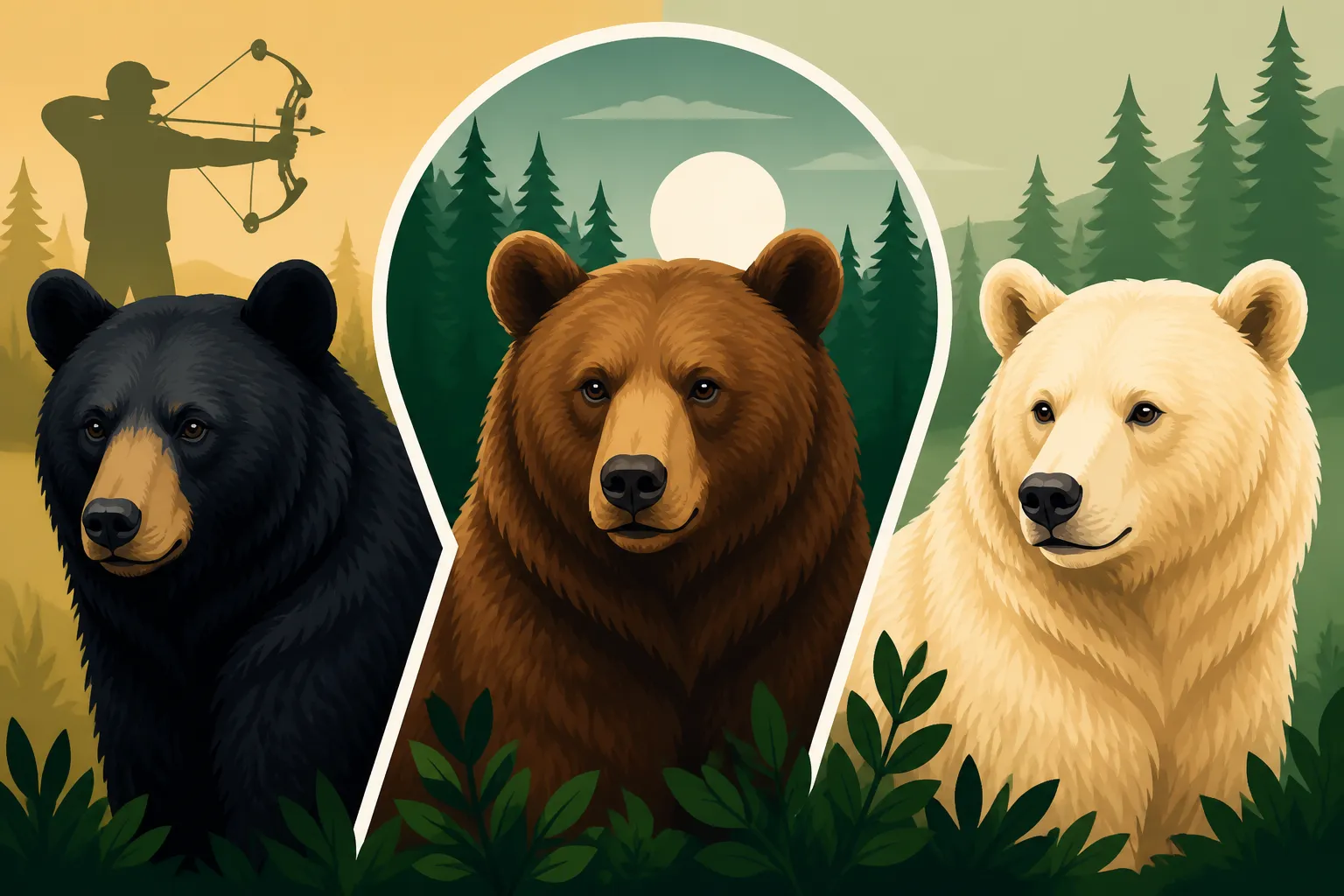
While the deepest black is the most frequent coat colour you’ll encounter when you're out there Black Bear Hunting in Manitoba, our province definitely hosts a spectrum of shades. It’s not uncommon to see bears that are rich chocolate brown, a warm reddish-brown often called cinnamon, or even a lighter, almost honey-blonde hue. These are all perfectly normal and healthy black bears, just with different genetic expressions.
I've personally witnessed bears of various colours on my hunts in the bush country, from bears so dark they seem to absorb all light, to a beautiful cinnamon phase that almost glowed in the evening sun. This variety adds an extra layer of excitement to scouting and hunting. It makes you pause and appreciate the unique individual you're seeing, rather than just another bear. Understanding these variations helps you appreciate the full range of what Manitoba's bear country has to offer, and it's certainly something that makes tracking and identifying individual bears a bit more interesting, especially if you’re using tools like GoHunt to analyze game cam photos.
Identifying Different Colour Phases
When you're out in the field, especially during the peak of Manitoba's Fall Bear Season, being able to distinguish between different colour phases is important for more than just aesthetics. It helps with positive identification, especially if you're targeting a specific bear or need to be sure of the animal's characteristics before making a decision. Knowing what to look for can help prevent misidentification, especially if you're seeing a lighter phase bear from a distance or in varying light conditions.
Cinnamon and Brown Bears
Cinnamon and brown bears are probably the most commonly encountered colour phases after black in Manitoba. These bears range from a rich, dark chocolate brown to a striking reddish-brown, like ground cinnamon. Often, their muzzles might be a lighter tan or grey, providing a subtle contrast to their main body colour. When the sun hits them just right, a cinnamon bear can look absolutely stunning, almost fiery.
Identifying them usually isn't too tricky, as their distinct brown or reddish hue stands out against green foliage or dark earth. However, in low light, a very dark brown bear can sometimes appear black. This is where other identification markers become crucial. Pay attention to their size, build, ear shape, and the presence or absence of cubs. If you're Setting a Bear Bait Site in Manitoba, you'll often get multiple visits from different bears, allowing you to observe these variations up close on trail cameras.
Blonde and Yellow Bears
Less common but certainly present, especially in certain genetic pockets, are blonde and yellow phase black bears. These bears boast coats that can range from a pale, creamy blonde to a vibrant yellowish-gold. Imagine the colour of a sun-bleached hay bale or a golden retriever, but on a powerful black bear frame. These lighter colours are particularly striking against the dark green backdrop of the boreal forest.
Encountering a blonde or yellow bear is a truly memorable experience. Their light fur can sometimes make them appear larger or more unusual than they actually are, especially if you're not expecting it. When trying to identify these lighter bears, remember they are still genetically Ursus americanus. Their body shape, head structure, and typical bear behaviour will be identical to their black counterparts. Again, distinguishing features like a lighter muzzle or a darker patch on their legs can sometimes be present. If you're trying to Judging a Boar From a Sow With Cubs with a unique colour, pay extra close attention to subtle cues like the presence of nipples or the way cubs react to its presence, rather than relying solely on the unusual fur colour.
Blue-Grey and White Bears
While extremely rare, and almost unheard of in Manitoba in its pure form, the broader spectrum of black bear colour phases includes blue-grey and even white. The "blue bear" or glacier bear is a subspecies found primarily in Alaska, characterized by a striking silvery-blue or grey coat. These bears are a true marvel, their colour often described as shimmering steel.
Even more famous is the Kermode bear, or "spirit bear," a white phase black bear found almost exclusively on the central and north coast of British Columbia. These aren't albino bears; their white fur is due to a recessive gene that causes them to lack pigment in their hair follicles, but they still have dark eyes and nose. While you won't encounter a pure white Kermode bear in Manitoba, understanding the genetic potential for such extreme variations highlights the incredible diversity within the species. It also underscores why, as hunters, we must always be vigilant and educated on the specific characteristics of the game we pursue, ensuring we never misidentify a protected species or a bear whose unique colour makes it exceptionally valuable to its local ecosystem.
Geographic Distribution and Factors Influencing Colour
It’s not just random chance that dictates a bear's colour; there are often geographic trends and environmental factors at play. Just like certain regions might produce larger antlers or more robust game animals due to habitat and genetics, some areas might have a higher prevalence of specific bear colour phases. Understanding this can help you anticipate what you might see when Scouting a Manitoba Game Hunting Area.
Regional Prevalence in Manitoba
While black bears are widely distributed across Black Bears Across Manitoba's Bush Country, particularly in the expansive boreal forests of the North and the parkland regions, the prevalence of specific colour phases can subtly vary. In many parts of Manitoba, the vast majority of bears are black. This is especially true in the denser, darker coniferous forests where camouflage against shadows and dark undergrowth might offer an evolutionary advantage.
However, as you move into the more mixed forests and aspen parkland regions, some hunters report seeing a slightly higher percentage of brown or cinnamon bears. This isn't a hard and fast rule, but rather an anecdotal observation that could be linked to isolated genetic pockets or historical population dynamics. For example, areas like the Duck Mountain or Porcupine Hills, with their mosaic of forest types and agricultural fringes, might surprise you with a cinnamon phase bear more often than the deep, uninterrupted northern bush. When planning your hunt, consulting local outfitters or other experienced hunters can give you a better sense of what to expect in a particular Game Hunting Area (GHA). Many dedicated hunters track these local trends, often using tools like GoHunt to share and verify sightings.
Environmental and Dietary Influences
While genetics are the primary driver of a bear's coat colour, environmental factors and diet can play a secondary, albeit minor, role in how that colour presents. A bear's overall health and nutritional intake can influence the sheen and vibrancy of its coat. A well-fed, healthy bear will often have a richer, glossier coat, regardless of its underlying colour, compared to a bear that has struggled through a lean year.
For instance, a cinnamon bear that is robust and thriving might appear even more vibrant and striking, whereas one that is undernourished might have a duller, coarser coat. This isn't to say that diet changes a black bear to a brown one, but it can certainly affect the quality of its fur. Additionally, factors like sun exposure can cause some coats to bleach or lighten over time, particularly towards the end of the season. A bear that spends a lot of time in open, sunny areas might have a slightly lighter appearance than one that primarily lives in dense, shaded cover.
Misconceptions and Ethical Considerations for Hunters
The diversity of black bear colours can sometimes lead to misunderstandings, especially for less experienced hunters. It’s crucial to separate fact from fiction and ensure that ethical hunting practices remain paramount. After all, responsible hunting is about precise identification and respect for the animal.
Colour Versus Species Identification
One of the most critical aspects of understanding colour phases is preventing misidentification with other bear species. In Manitoba, the only wild bear species you are legally permitted to hunt are black bears. While Grizzlies (Brown Bears) are not found in Manitoba, they are present in other parts of North America, and their colouring can sometimes overlap with lighter phase black bears. This is where education becomes key.
A brown or cinnamon black bear is still a black bear. They retain all the characteristic features of a black bear: a straight facial profile, long pointed ears, and no shoulder hump. A grizzly, by contrast, has a distinct shoulder hump, a dish-shaped face, and smaller, rounder ears. Size can be deceiving, as a large black bear can easily outweigh a smaller grizzly. Always prioritize anatomical features over colour for positive identification. Never pull the trigger if there's any doubt about the species. This due diligence is part of being a responsible hunter and ensuring the continued health and proper management of all bear populations.
| Feature | Black Bear | Grizzly Bear (Brown Bear) |
|---|---|---|
| Facial Profile | Straight from forehead to nose | Dish-shaped, noticeable dip between eyes and nose |
| Ears | Longer, more pointed | Shorter, rounder |
| Shoulder Hump | Absent or very subtle (no prominent hump) | Pronounced muscular hump above the shoulders |
| Claws | Shorter, more curved (good for climbing trees) | Longer, straighter (good for digging) |
| Size/Build | Generally smaller, less robust | Generally larger, more powerfully built |
| Colour Variation | Black, brown, cinnamon, blonde, white | Brown, blonde, silver-tipped, sometimes dark chocolate |
Ethical Hunting of Colour Phase Bears
For many hunters, encountering a rare colour phase bear is a special event. It can be tempting to prioritize a unique coat colour over other ethical considerations. However, the same rules and ethics apply to a cinnamon bear as they do to a traditional black bear. Always prioritize a clean, ethical shot. Ensure you can positively identify the bear's sex, especially if you are in a spring season when avoiding sows with cubs is paramount. Manitoba Spring Bear Season Dates typically begin when sows are emerging with young, making careful identification essential.
Beyond the immediate shot, consider the value of preserving such unique animals. While a cinnamon or blonde bear certainly makes for an exceptional trophy and a stunning rug, the decision to harvest should still align with your personal hunting ethics and the principles of sustainable wildlife management. If you’re participating in a guided hunt, your outfitter will likely have protocols or preferences regarding specific bears. Good outfitters, like those often featured on GoHunt, emphasize ethical harvests over anything else. A beautiful coat is a bonus, but never the sole reason to take an animal if other factors (like the presence of cubs, or questionable shot opportunity) are not ideal.
The Thrill of Encountering a Unique Bear
There’s an undeniable thrill that comes with the unexpected in hunting. While pursuing any White-Tailed Deer, Manitoba's Most Hunted Animal or even a majestic Moose Across Manitoba's Boreal Forest is exciting, encountering a black bear with a striking cinnamon or blonde coat adds an extra layer of wonder to your outdoor experience. It’s a reminder that nature is full of surprises and that every animal is an individual.
Scouting and Strategy for Colour Phase Bears
When it comes to specifically targeting a colour phase bear, it’s not really about different tactics, but rather about increased observation and patience. Bears, regardless of their colour, behave largely the same. They'll follow scent trails, visit bait sites, and utilize the same types of cover. So, all your typical bear hunting strategies will still apply. However, if you've seen a specific colour phase bear on your trail cameras, or if you're hoping to encounter one, you'll need to double down on your scouting efforts.
This means meticulously checking game camera footage, noting the times of day, travel routes, and any distinguishing features of the bear beyond its colour, such as scars or ear notches. A platform like GoHunt can be invaluable here for organizing your scouting data and recognizing patterns. Remember, bears are creatures of habit. If you know a specific cinnamon boar is frequenting a certain area, focusing your efforts there during opportune times will increase your chances. It also means staying alert and observant when you're on stand or still-hunting, as any unusual colour in the distance could be your target.
Trophy Considerations and Preservation
For many hunters, a uniquely coloured bear represents the ultimate trophy. The vibrant browns, cinnamons, or blondes stand out, making for a truly spectacular rug or full-body mount. If you are fortunate enough to harvest a colour phase bear, proper field care and preservation are critical to ensure its beauty is maintained for years to come.
Immediately after the harvest, focus on rapid cooling of the animal, even if it's a big What a Big Boreal Black Bear Weighs. Then, if you're planning a rug or taxidermy, you'll want to carefully skin the bear, taking extra care around the face, ears, and paws. Ensuring the hide is properly fleshed and salted as soon as possible will prevent hair slippage and preserve the fur's quality. Consider a professional taxidermist or tanner with experience handling various bear colours. They'll know how to best treat the hide to keep those unique colours vibrant. Many hunters who are successful with these unique bears often choose to have them Skinning a Bear for a Rug to fully showcase its distinctive coat. This attention to detail ensures that the memory and the physical trophy do justice to the magnificent animal you've taken.
Disclaimer
Hunting is an inherently risky activity. The information provided in this article is for educational and informational purposes only and should not be considered a substitute for professional advice, official regulations, or personal judgment. Always consult the most current Manitoba hunting regulations, acquire appropriate licenses, and prioritize safety. The author and publisher are not responsible for any incidents, accidents, or legal issues that may arise from the use of this information.