Which Manitoba Rules Changed This Season
It's incredibly frustrating, isn't it? Just when you feel like you've got a handle on Manitoba's hunting regulations, the season rolls around, and suddenly, there's a new tweak, a revised boundary, or a completely different deadline. We've all been there, feeling caught off guard by changes that can impact our hunting plans. This guide is here to unravel the latest shifts in Manitoba's hunting rules for the upcoming season, helping you stay informed and prepared for a successful time afield.
Understanding the Annual Regulatory Dance
Every year, the provincial government, in consultation with wildlife biologists, conservation groups, and sometimes even local landowners, reviews and updates Manitoba’s hunting regulations. It’s not just to keep us on our toes; these changes are crucial for managing wildlife populations sustainably, responding to environmental shifts, and addressing public safety concerns. But that doesn't make it any less confusing for the dedicated hunter trying to navigate the system.
Why Rules Change Annually
Think about it from a wildlife management perspective. Deer populations can boom or bust based on winter severity, disease outbreaks, or habitat changes. Moose numbers might be struggling in one area due to ticks or predation, while flourishing in another. Waterfowl migration patterns shift with weather and agricultural practices. All these factors necessitate a dynamic approach to hunting regulations. For instance, if CWD is detected in a new area, specific rules around carcass transport and mandatory sampling might be quickly implemented to control its spread. These aren't arbitrary decisions; they're informed by ongoing research and monitoring, aiming to ensure there's healthy game for future generations. It's a delicate balance between providing hunting opportunities and ensuring the long-term health of our wildlife.
The Frustration of Staying Current
Let's be real, tracking these changes can feel like a part-time job. You spend months scouting, planning, and getting excited for the season, only to discover a GHA boundary has shifted, or the season dates for your preferred species have been tweaked. It’s enough to make you throw your hands up! The official regulations guide is a thick document, and while comprehensive, it can be dense. Sometimes, the most important changes are buried within paragraphs of legal jargon, making it easy to overlook a critical update that could impact your hunt or even lead to an accidental violation. This constant need to verify every detail before stepping afield is a genuine point of stress for many hunters, especially those of us balancing busy lives.
Key Areas of Change This Season
For the 2024-2025 hunting season, Manitoba has introduced several important changes across various species and regions. Staying on top of these specifics is vital to ensure compliance and maximize your hunting opportunities.
Adjustments to Big Game Seasons and Limits
One of the most common areas for annual adjustments involves big game. For whitetail deer, some Game Hunting Areas (GHAs) might see slight shifts in their opening or closing dates, particularly for archery or muzzleloader seasons. This season, pay close attention to the specific zones you plan to hunt for any changes to Manitoba Whitetail Season Dates by GHA. For example, GHA 20A in the eastern region has seen an extension of its antlerless deer season, aiming to manage localized populations that have shown robust growth. Conversely, a few GHAs in the Interlake region have had their antlered-only periods adjusted to protect younger bucks.
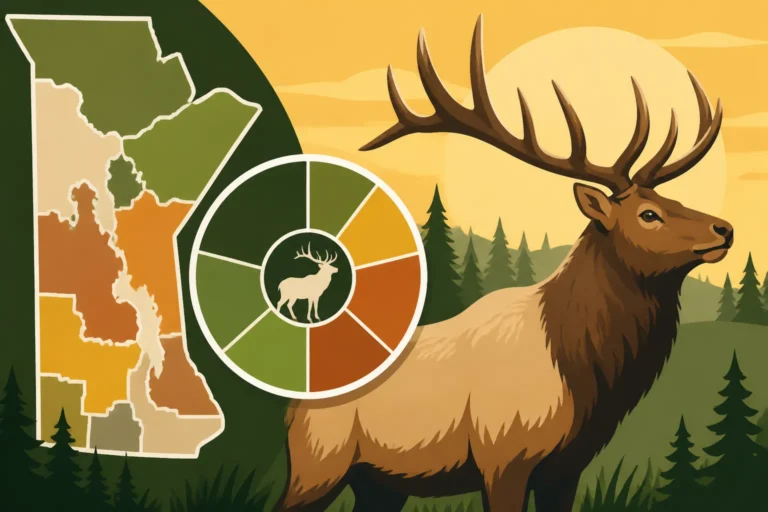
Moose hunting, in particular, continues to be an area of focused management. Due to ongoing conservation efforts and population concerns in certain regions, some moose hunting seasons remain very restricted, and new closures might have been implemented in specific areas. It’s always critical to check the latest Manitoba's Moose Conservation Closures map before making any moose hunting plans. This season, some northern GHAs previously open for limited draws have now been put under review, potentially leading to further restrictions in future years, reflecting a cautious approach to ensure population recovery. Elk seasons also see minor tweaks, primarily in the Parkland regions like around Riding Mountain National Park, where management units might adjust bag limits or implement special draw hunts for antlerless elk to mitigate crop damage.
Updated Waterfowl and Upland Bird Regulations
Waterfowl hunters also need to be vigilant about changes, especially concerning zone boundaries and bag limits. The province often adjusts these based on continental migratory bird surveys and local breeding success. This season, several waterfowl zones have seen minor boundary realignments, particularly around the Interlake and Red River Valley, which could affect your traditional hunting spots. Daily bag limits for certain duck species, particularly pintails and scaup, have also been modified in response to population data. If you’re planning a trip for Waterfowl Hunting Manitoba's Grain Fields, it's imperative to consult the official Manitoba Migratory Bird Hunting Guide for the most current information. This includes detailed breakdowns of species-specific limits and possession limits, which are often overlooked but equally important.
For upland birds like sharp-tailed grouse or Hungarian partridge, changes are usually less drastic but can still occur. For example, some GHAs might have slightly longer or shorter seasons, or bag limits might be adjusted in localized areas if populations are particularly high or low. The key here is specificity; don't assume last year's regulations hold true for every single species in every single GHA. The province monitors these localized populations, and when trends show significant changes, regulations follow suit to maintain healthy numbers.
New CWD Management Zones and Sampling Requirements
Chronic Wasting Disease (CWD) remains a significant concern, and Manitoba is proactively managing its spread. This season, hunters need to be hyper-aware of new mandatory CWD sampling requirements. If you harvest a deer in one of the designated CWD surveillance zones – which have been expanded to include more GHAs in the southwestern and central parts of the province – you are legally required to submit a sample of your animal. This is a non-negotiable step in helping Manitoba understand and control the disease.
The process for submitting samples has been streamlined, but it's crucial to know the updated drop-off locations and deadlines. Furthermore, strict rules regarding the transportation of carcasses out of these CWD-positive or high-risk zones have been put into place. You cannot transport a whole carcass out of these areas, only deboned meat, skull caps (cleaned of all tissue), and antlers. This is to prevent the physical spread of the prion. Understanding these Manitoba's CWD Sampling Requirements is not just about compliance; it's about protecting the health of Manitoba's wild deer herd, which benefits all hunters in the long run.
Navigating New Licence and Draw Procedures
Beyond the season dates and bag limits, the administrative side of hunting—licensing and draws—can also see annual changes. These are often subtle but can have a big impact on your ability to hunt specific species or areas.
Changes to Application Deadlines and Processes
Manitoba's online licensing portal is continually updated, and with those updates can come minor changes to how and when you apply for certain licences or draws. This season, there might be slight adjustments to the application deadlines for highly sought-after species like moose and elk. It's not uncommon for the submission windows to shift by a few days or even a week, which can be easily missed if you're not checking regularly. Furthermore, the way you select your GHA preferences in the draw system might have been refined, offering clearer options or new combinations. Make sure to double-check the exact dates for Manitoba's Big Game Draws and familiarize yourself with any new steps in the application process well in advance to avoid disappointment.
Impact on Non-Resident Hunters
For our friends visiting from outside Manitoba, the rules for non-residents hunting Manitoba can also see modifications. These often relate to which species require a licensed guide and specific entry requirements for firearms. This season, there might be subtle changes to the types of licences available to Canadian non-residents or foreign residents, or clarification on what constitutes "supervised" hunting for those not requiring a full guide. It’s always best for non-residents to consult the updated regulations or even reach out to a licensed outfitter directly to ensure they meet all requirements before travelling. Remember, entry into Canada with firearms, especially for hunting, involves specific declarations and permits, and these procedures can be updated, so it's always wise to re-verify the latest requirements.
Updates to Night Hunting Permits and Approved Land
Night hunting in Manitoba is a highly regulated activity, and the rules around it are subject to ongoing review and adjustment. This season, you might find changes to the specific areas designated as "approved land" for night hunting with a permit. These changes often occur in response to land-use patterns, human population growth, and conservation considerations. It's absolutely critical to confirm the latest list of approved Crown land or private land permissions for Manitoba's Night Hunting Rules if you plan to participate. The conditions under which night hunting permits are issued, including equipment restrictions and safety protocols, can also be updated. These are not minor details; hunting at night carries significant responsibilities, and the province takes adherence to these rules very seriously.
Staying Ahead of the Curve: Resources and Best Practices
With all these potential changes, how does a hunter effectively keep up? It requires a proactive approach and knowing where to find reliable, up-to-date information.
Essential Official Resources
The absolute first place to look for any regulatory updates is the official Manitoba Hunting Guide. This comprehensive document is released annually and details all season dates, bag limits, GHA boundaries, and general regulations. Don't rely solely on last year's guide; always ensure you have the current version. Beyond the main guide, specific supplements or advisories are often released for migratory birds by the federal government or for urgent CWD updates by the province. Checking the Manitoba government's Conservation and Climate website regularly is paramount. They often post notices, news releases, and downloadable maps outlining specific changes. Sometimes, the most important details are found in these smaller, targeted updates, so a quick scan of their "Hunting News" section can save you a lot of headaches.
Leveraging Technology for Up-to-Date Info
In today's digital age, technology offers fantastic tools to help hunters stay informed. Mobile apps and online mapping platforms are becoming indispensable. Tools like GoHunt, for example, often integrate regulatory overlays and GHA boundaries directly onto their maps, providing a visual representation of the rules right in your hand. While these third-party apps are incredibly helpful, always cross-reference critical information with the official government sources. Many of these apps also send out notifications when major regulation changes are announced, acting as a valuable early warning system. Being able to visualize changes in Manitoba's Game Hunting Areas on your phone or computer can make understanding complex boundary shifts much easier than poring over static maps.
Community and Peer Networks
Never underestimate the power of local knowledge. Joining a local chapter of the Manitoba Wildlife Federation or participating in online hunting forums can be a great way to hear about changes and discuss their implications with fellow hunters. While these informal networks shouldn't replace official sources, they can highlight specific localized changes you might not have noticed or provide practical interpretations of new rules. Oftentimes, someone in your local hunting community has already delved into the minutiae of the new regulations and can share insights or point you to the exact page or online bulletin where a particular change is detailed. Just remember, always verify any critical information with the official government publications.
Key Areas for Annual Regulation Changes
To help you keep track of where changes are most likely to occur, here's a quick reference table:
| Category of Change | Typical Focus Areas | Where to Check Annually | Importance |
|---|---|---|---|
| Big Game Seasons & Limits | Whitetail, Moose, Elk GHA dates, bag limits | Manitoba Hunting Guide, GHA Maps | High |
| CWD Management | Mandatory sampling zones, carcass transport rules | Manitoba CWD Website, Hunting Guide Supplement | Critical |
| Waterfowl & Upland Birds | Zone boundaries, species-specific bag limits | Federal Migratory Bird Hunting Regulations, Provincial Guide | High |
| Licensing & Draws | Application deadlines, draw process tweaks | Manitoba ELMS Portal, Hunting Guide | High |
| Night Hunting | Approved land lists, permit conditions | Manitoba Night Hunting Regulations, Provincial Website | Critical |
| Hunter Education/Safety | New course requirements, blaze orange rules | Hunter Education Program, Hunting Guide | Medium |
| Access & Land Use | WMAs, Crown land restrictions, private land rules | GHA Maps, Provincial Website, Local Advisories | Medium |
Disclaimer
The information provided in this guide is for general informational purposes only and is not a substitute for the official Manitoba Hunting Regulations. While we strive to provide accurate and up-to-date content, hunting regulations can change frequently. Always consult the most current official Manitoba Hunting Guide and relevant provincial and federal government websites before planning or engaging in any hunting activities. Adherence to all applicable laws and regulations is the sole responsibility of the hunter.