How Much Blaze Orange Manitoba Requires
The crisp autumn air of Manitoba and the anticipation of a hunt are truly special, but nothing throws a wrench into that excitement faster than worrying if you're dressed correctly or, worse, if you're unknowingly breaking a regulation. Understanding the specific blaze orange requirements in Manitoba can feel like navigating a maze of different rules for different seasons and species, leaving many hunters scratching their heads. This guide is here to clear up that confusion, ensuring you're not only safe and visible but also fully compliant with Manitoba's hunting laws.
Understanding Manitoba's Blaze Orange Mandate
It's easy to dismiss blaze orange as just another rule, another piece of gear to buy, but in Manitoba, it's truly a cornerstone of hunter safety. The vivid, unmistakable colour is designed to catch the eye instantly, differentiating you from game animals and making your presence known to other hunters in the field. This isn't just about avoiding a ticket; it's about coming home safe at the end of the day.
Why Blaze Orange is Non-Negotiable
Let's be real: hunting can be a dangerous pursuit if proper precautions aren't taken. You're in wild spaces, sometimes with limited visibility, and other hunters might be nearby. Blaze orange, also known as hunter orange, is explicitly chosen because no animal in Manitoba's wild has that specific colouration. This means anything you see in blaze orange is, without a doubt, a human. It creates a clear visual signal that transcends camouflage patterns and natural bush colours, which, ironically, often aim to break up outlines. For big game seasons, where visibility can be low due to dense cover or early morning fog, this distinction is absolutely critical. Imagine a dense poplar bluff where a deer might be moving through, and suddenly, another hunter appears. That splash of orange can prevent a tragic mistake. Manitoba, like many jurisdictions, has seen the direct correlation between increased blaze orange use and a decrease in hunting-related accidents, making its mandate a non-negotiable safety standard.
Furthermore, failing to wear the required blaze orange isn't just a lapse in judgment; it's a violation of provincial hunting regulations. Conservation officers take these rules very seriously because they are directly tied to public safety. A fine or even the loss of hunting privileges can result from non-compliance, which is a harsh lesson to learn when it could have been easily avoided. It's not about being a killjoy; it's about protecting every person who ventures into the woods during hunting season.
The Specific Garment Requirements
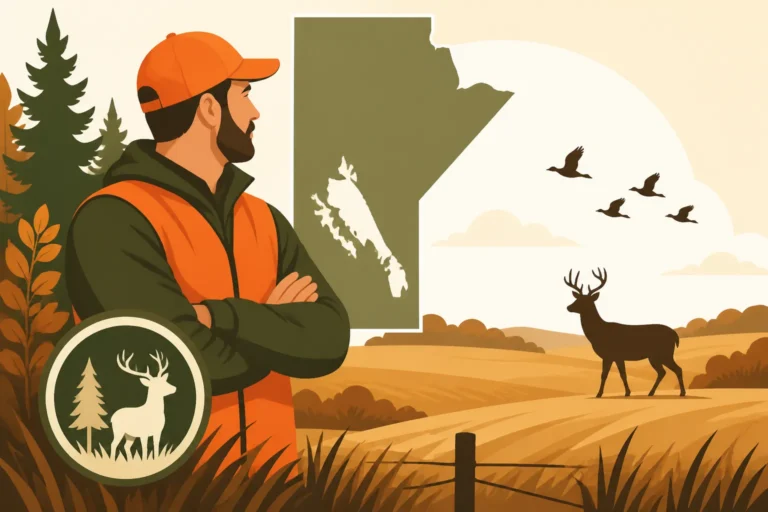
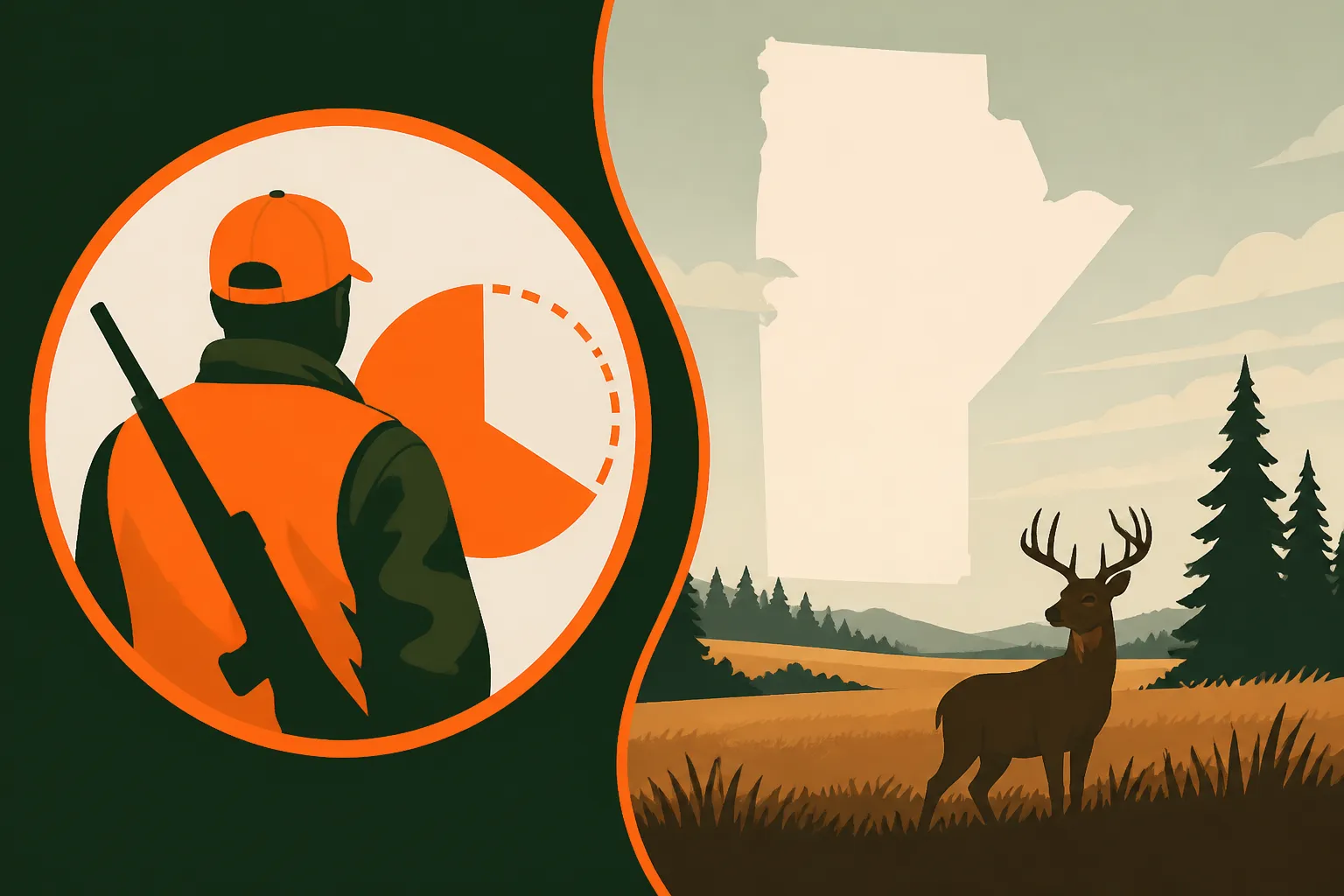
Manitoba's regulations are quite specific about what constitutes sufficient blaze orange. It's not enough to just wear a small patch; there's a minimum surface area required to ensure you're adequately visible from all angles. For most big game seasons where blaze orange is mandatory, you'll need to wear both a vest and a cap (or other headwear) that are blaze orange. The key here is "unbroken, solid blaze orange." That means no camouflage patterns or other colours breaking up the orange. The reason for this is consistency – conservation officers and other hunters need to be able to identify you without question.
The combined surface area of these items must be at least 400 square inches (2,580 square centimetres) above the waist. While this might sound like a lot of measuring, most commercially available blaze orange vests are designed to meet or exceed this requirement. The vest should be visible from both the front and back, and the cap should be visible from all sides. So, that favourite camo hat with a tiny orange logo won't cut it. Think full, vibrant orange that screams "I am a human!" from a distance. It’s about creating a clear, unmistakable visual beacon in the landscape, not just a subtle hint.
When and Where Blaze Orange is Required
The rules around blaze orange aren't universal for all hunting activities in Manitoba. They are primarily in effect during certain big game seasons and vary depending on the specific weapon being used and the species being pursued. Knowing these distinctions is crucial, as wearing it when not required can sometimes be a hindrance, and not wearing it when required can be dangerous and illegal.
Specific Seasons and Species
Generally, blaze orange is mandatory during all general firearm seasons for big game animals like white-tailed deer, moose, and elk. This includes rifle seasons and often muzzleloader seasons, depending on the specific Game Hunting Area (GHA) and dates. For instance, if you're out during Manitoba Rifle Deer Opening Day, you absolutely need to be decked out in your blaze orange gear. The logic is simple: these are the times when the highest number of hunters using powerful firearms are in the field, increasing the potential for accidental shootings if visibility is compromised. It’s during the peak of the whitetail rut in November, for example, when the woods are full of both deer and hunters, that visibility becomes paramount. You'll also find it's a requirement for certain designated archery seasons that overlap with general firearm seasons, though this is less common and usually specified for particular GHAs.
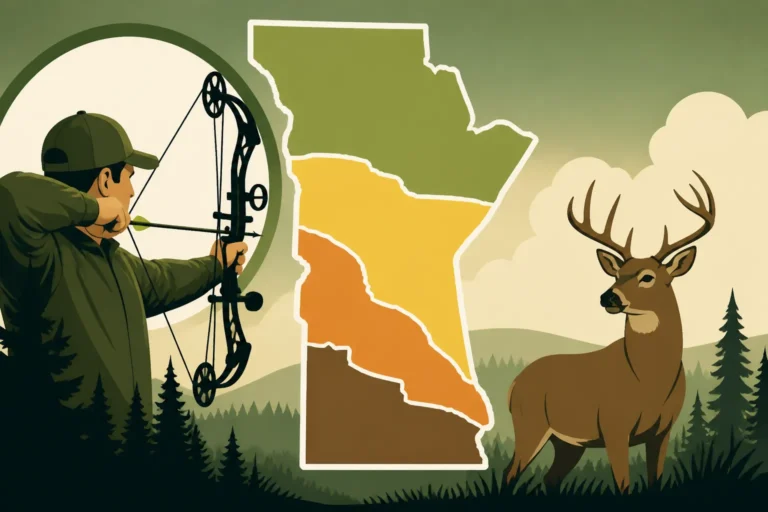
However, there are notable exceptions. For pure archery-only seasons, such as when Manitoba's Archery Season Opens in early fall, blaze orange is not typically required. The rationale here is that archers are generally hunting from a fixed position, often elevated in a tree stand, and their hunting style relies heavily on concealment. Requiring them to wear blaze orange would negate their primary hunting strategy. Similarly, during waterfowl hunting seasons, like Manitoba Duck Season Dates or for Field Hunting Geese in Manitoba Stubble, blaze orange is not required. Waterfowl hunting often involves camouflage to blend into blinds or natural cover, and the risk profile is different due to the nature of the game and the typical hunting setups. For small game hunting, like upland birds or rabbits, it's often optional, though always recommended for safety, especially if other big game seasons are open concurrently. Always check the annual hunting guide for the most current regulations for your specific hunt plan.
Exceptions and Common Misconceptions
Beyond the general big game firearm seasons, there are specific scenarios where blaze orange isn't mandated. As mentioned, dedicated archery-only seasons for deer, moose, or elk generally do not require it. This allows bowhunters to utilize full camouflage, which is essential for close-range encounters. Waterfowl and upland bird hunters are also typically exempt, as their primary concern is often blending into their environment to avoid detection by birds. For species like black bears, during their spring or fall seasons, there's often no blaze orange requirement unless you are driving or participating in a group hunt where other big game are also being hunted with firearms. Many bear hunters use bait sites, sitting for extended periods, where camouflage is also key.
A common misconception is that blaze orange is required for all hunting in Manitoba, or that a small amount (like a blaze orange stripe on a jacket) is sufficient. Neither is true. You must meet the minimum surface area requirements, and it must be solid orange, not broken by camouflage. Another frequent error is forgetting that even when still-hunting or stalking, if you're in a mandatory blaze orange season, you still need to be wearing it. It’s not just for when you’re walking to your stand. Even sitting in a blind, if the regulations demand it, your outer layer needs to be blaze orange and visible. It's easy to get caught up in the excitement of the hunt and forget these details, but a quick check of the annual hunting guide through a reliable source like GoHunt before each season can save a lot of grief.
Here's a quick reference table summarizing Manitoba's general blaze orange requirements:
| Hunting Activity / Species | Blaze Orange Required? | Specifics |
|---|---|---|
| White-tailed Deer (Rifle/Muzzleloader) | Yes | 400 sq. inches above waist (vest) and cap, solid orange. |
| Moose (Rifle/Muzzleloader) | Yes | 400 sq. inches above waist (vest) and cap, solid orange. |
| Elk (Rifle/Muzzleloader) | Yes | 400 sq. inches above waist (vest) and cap, solid orange. |
| White-tailed Deer (Archery Only) | No | Not required during dedicated archery-only seasons. |
| Black Bear (All seasons) | Generally No | Unless other big game firearm seasons are open concurrently in the same area. |
| Waterfowl (Ducks, Geese, Cranes) | No | Camouflage is typically used. |
| Upland Birds (Grouse, Partridge) | No | Recommended for safety if other firearm seasons are open. |
| Predator Hunting (Coyotes, Wolves) | No | Recommended for safety, especially if other firearm seasons are active. |
| Night Hunting | No | Special permits and regulations apply; visibility is often different, but blaze orange is not required. |
Practical Tips for Staying Safe and Compliant
Beyond just knowing the rules, putting them into practice effectively is what truly counts. There’s a world of difference between merely meeting the minimum requirements and actively embracing blaze orange as a vital safety tool.
Choosing the Right Gear
When it comes to selecting your blaze orange gear, don't just grab the cheapest thing off the shelf. Think about functionality, durability, and comfort. A good blaze orange vest should be made of durable material that can withstand the rigors of the Manitoba bush, whether you're navigating dense thickets while Hunting Whitetails in Manitoba's Bush Country or trekking across open fields. Look for materials that are quiet, especially if you're still-hunting or stalking, as noisy fabric can quickly give away your position. Many modern vests are designed with breathable mesh panels to prevent overheating during active hunts, while others offer insulated options for colder weather.
The fit is also crucial. Your vest should allow for a full range of motion, letting you raise your rifle or bow without binding. Consider how it will fit over your other hunting layers, especially if you're hunting in late fall or early winter when multiple layers are essential for staying warm. A vest that’s too tight over a heavy jacket will be uncomfortable and restrict movement, while one that’s too baggy might snag on branches. For headwear, a comfortable blaze orange cap or toque (depending on the temperature) that stays put in wind or during movement is key. Many hunters opt for a solid blaze orange baseball cap for milder days and switch to a blaze orange beanie or insulated hat as the temperatures drop, especially when Hunting Safely in Deep Winter Cold. Remember, the goal is consistent, clear visibility from all angles. Some hunters even consult online resources or gear reviews from platforms like GoHunt to find the best options that combine compliance with practical hunting features.
Beyond the Basics: Enhancing Visibility
While the regulations specify the minimum, there's nothing stopping you from going above and beyond to enhance your visibility and safety. For instance, some hunters add blaze orange material to their backpacks, especially if they carry them frequently while moving through the bush. This adds another layer of visibility, particularly when bent over or retrieving game. When retrieving a downed animal, especially a large one like a moose, in dense cover, having extra blaze orange on your person or even tied to the animal can be incredibly beneficial.
If you're hunting in low light conditions, such as dawn or dusk, or in heavily forested areas, consider using reflective blaze orange tape or patches on your gear. While this doesn't replace solid blaze orange, it can significantly increase your visibility to a flashlight beam or vehicle headlights, which is especially important if you're walking along roadsides or trails after shooting hours. Carrying a bright flashlight or headlamp with an orange filter can also improve your personal visibility to others after legal shooting light has ended. Another often-overlooked tip is to ensure your blaze orange gear is clean and bright. Mud, dirt, or faded material can significantly reduce its effectiveness. Regular washing (following manufacturer's instructions) will keep it vibrant and ensure it does its job year after year. For those interested in Whitetail Hunting in Manitoba, especially during the busy rifle season, maximizing visibility is a smart move.
Think about your hunting partners too. If you're Hunting Whitetails on Manitoba Farmland or participating in a drive, coordinating blaze orange attire ensures everyone in the group is highly visible to one another. Communication and clear identification among group members are just as important as being seen by unknown hunters. Utilizing tools like GoHunt's mapping features can also help visualize hunting zones and potential areas of higher hunter density, prompting you to be even more diligent about your visibility. Ultimately, embracing blaze orange isn't just about avoiding a penalty; it's about fostering a culture of safety and responsibility in the Manitoba hunting community.
Navigating Specific Hunting Scenarios
Manitoba's vast and varied landscape, from dense boreal forests to sprawling agricultural lands, presents diverse hunting environments. Understanding how blaze orange rules apply in these different settings, and considering the specific species you're after, is key to a successful and safe hunt.
Big Game Seasons and Regulations
During the general firearm seasons for Manitoba's iconic big game species – white-tailed deer, moose, and elk – the blaze orange mandate is steadfast. This is particularly critical in zones where there's significant hunting pressure, such as many of the southern Game Hunting Areas (GHAs) that offer excellent deer hunting. Hunters pursuing White-Tailed Deer, Manitoba's Most Hunted Animal during the rifle season will find themselves in company with many other enthusiasts. Ensuring your 400 square inches of solid blaze orange is prominently displayed on your outer clothing, above the waist, and coupled with a blaze orange cap, is non-negotiable.
For those pursuing Moose Across Manitoba's Boreal Forest or Elk in Manitoba's Parkland and Mountains during rifle seasons, the rules are equally strict. While the boreal forest might seem vast and empty, moose hunters often concentrate in specific areas or along cutlines. Visibility is paramount, especially when navigating dense spruce and poplar stands. Even when still-hunting slowly, that splash of orange is your identifier to anyone else in the vicinity. Always double-check the latest Manitoba Big Game Season Dates, as regulations can have minor GHA-specific variations, although the blaze orange requirement for general firearm seasons is usually consistent province-wide.
Archery and Special Season Considerations
As previously touched upon, dedicated archery-only seasons for big game are generally exempt from the blaze orange requirement. This allows archers the necessary concealment for their close-range hunting techniques. For example, during Bowhunting Manitoba's Early Season, camouflage is the standard. However, it's crucial to be absolutely certain your specific hunt falls within a dedicated archery-only season. If the archery season overlaps with any general firearm season (rifle or muzzleloader), then blaze orange may indeed be required for archers as well. This often occurs in certain GHAs later in the fall. The key takeaway is to read the regulations carefully for your chosen GHA and season dates.
For Black Bear Hunting in Manitoba, blaze orange is typically not required, as bear hunting often involves sitting quietly over bait or stalking in heavy cover where concealment is preferred. This applies to both spring and fall bear seasons. Similarly, for Predator Hunting Across Manitoba (e.g., coyotes or wolves), or for small game species like snowshoe hare, blaze orange is generally not mandatory. However, even when not legally required, it's a personal safety choice. If you're hunting predators in an area known for deer activity during the rifle season, wearing some blaze orange (even if not the full legal amount) could be a sensible precaution, especially if you are moving extensively. Always err on the side of caution when it comes to visibility and safety in the field.
Waterfowl and Upland Bird Hunting
For bird hunters, the rules are different. If you're setting up decoys for Waterfowl Hunting Manitoba's Grain Fields, or marsh hunting ducks in the Interlake, camouflage is your ally, not blaze orange. The same goes for Upland Bird Hunting in Manitoba for species like sharp-tailed grouse, ruffed grouse, or Hungarian partridge. In these scenarios, the primary concern is blending in to avoid spooking the birds.
However, a word of caution: if you are walking through dense cover to reach your waterfowl blind, or traversing a field to get to prime upland bird habitat, and a big game firearm season is also open in that area, it’s not a bad idea to wear a blaze orange vest over your camo jacket until you reach your hunting spot. You can then remove it. This temporary use of blaze orange is a smart safety measure, especially when moving between different types of hunting scenarios or when crossing properties. Once you're in your stationary position, camouflaged and focused on birds, the blaze orange can be safely stowed. Always be mindful of your surroundings and any other hunting activities that might be happening concurrently.
Disclaimer
Please note that hunting regulations, including those pertaining to blaze orange requirements, can change. While every effort has been made to provide accurate and up-to-date information, this guide is for informational purposes only and does not constitute legal advice. Hunters are solely responsible for knowing and adhering to all current Manitoba hunting regulations. Always consult the official Manitoba Hunting Guide published by the provincial government or the current regulations available on the Sustainable Development website before heading out on your hunt.